Importance of Sand Castings in Heavy-Duty Industrial Applications
Sand Castings Heavy-Duty Application Decision: This article explains how buyers can evaluate sand casting for heavy-duty industrial parts such as machine bases, pump housings, valve bodies, gear housings, brackets, bearing supports, construction equipment components, and large metal covers. The practical RFQ problem is deciding whether sand mold design, core design, alloy selection, machining allowance, defect control, and inspection evidence can support the required load, size, and service condition.
Why Does Sand Casting Still Fit Heavy-Duty Industrial Parts?
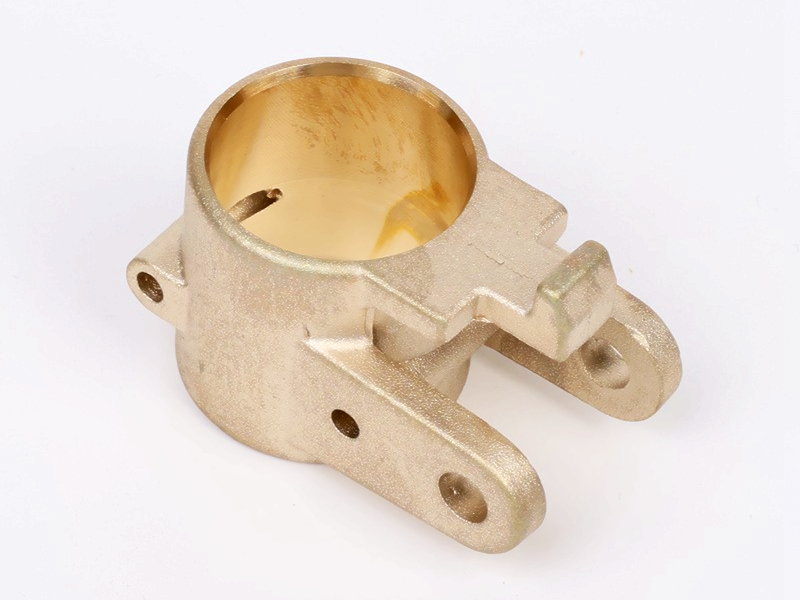
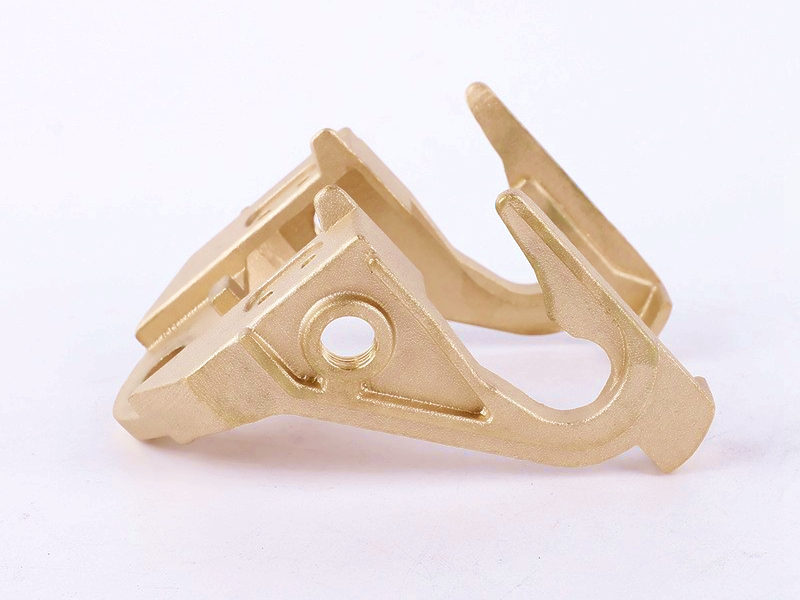
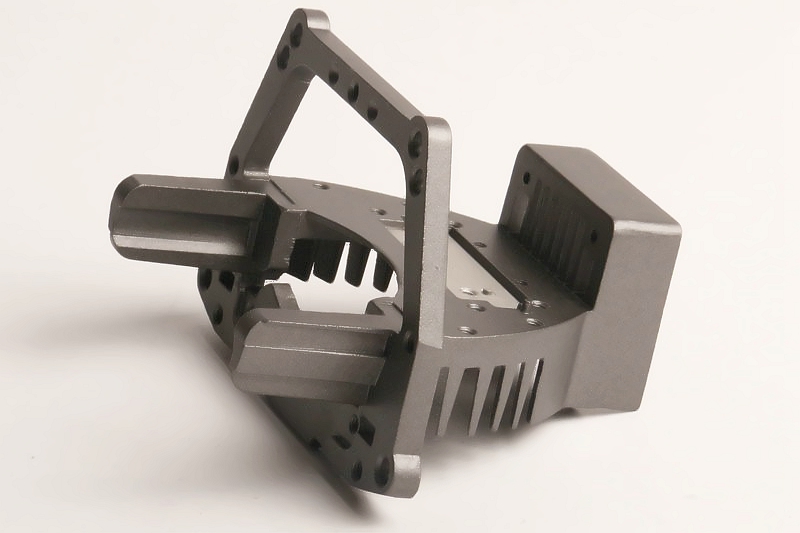
Sand casting remains important for heavy-duty industrial applications because the process can produce large metal parts, thick sections, complex cavities, and low-to-moderate volume components without the tooling demands of high-pressure die casting. A sand mold can be built around a pattern, with sand cores used to form internal passages, hollow regions, and complex recesses.
Heavy-duty parts often need mass, rigidity, vibration damping, machinable pads, replaceable wear surfaces, or material choices that do not fit die casting. Sand casting can support those needs when the drawing allows realistic draft, machining stock, gating, risers, and cleaning access.
The buyer decision should focus on function. A machine base may need flat machined mounting surfaces. A pump housing may need leak testing. A valve body may need pressure containment and internal passages. A bracket may need load-direction review. These requirements should guide the sand casting plan before pattern or tooling work begins.
Which Metals Are Common In Heavy-Duty Sand Castings?
Material selection affects load capacity, wear behavior, damping, corrosion exposure, machinability, heat treatment, and inspection. Buyers should specify the required material grade when available or define the service environment if the grade is still open.
Sand Casting Material | Common Heavy-Duty Use | RFQ Confirmation Needed |
|---|---|---|
Machine bases, housings, supports, covers, pulleys, and vibration-damping structures | Confirm grade, damping requirement, machined surfaces, load direction, and hardness range if required. | |
Cast steel | High-load brackets, structural components, wear parts, and impact-exposed parts | Confirm grade, heat treatment, weldability, NDT requirement, and acceptance criteria. |
Corrosion-exposed housings, valve parts, food equipment components, and pump parts | Confirm grade, corrosion medium, passivation, surface finish, and material certificate need. | |
Large lightweight housings, covers, frames, and equipment components | Confirm alloy, machining allowance, surface treatment, and pressure or leak test needs. | |
Bushings, marine hardware, corrosion-exposed fittings, and wear-related parts | Confirm alloy, media exposure, bearing surface, machining stock, and hardness requirement. |
The material choice should be tied to the part function. A heavy-duty label alone does not define whether the casting needs wear resistance, vibration damping, pressure tightness, corrosion resistance, or impact behavior.
Which Heavy-Duty Parts Use Sand Casting?
Sand casting is widely used where part size, section thickness, internal passages, or material choice make other casting routes less practical. The process is especially useful for custom metal parts that need machining after casting.
Heavy-Duty Part Type | Application Context | Manufacturing Requirement |
|---|---|---|
Machine bases and frames | Industrial equipment, machine tools, presses, and fixtures | Control flatness, mounting pads, rib layout, vibration behavior, and machining datum surfaces. |
Pump and valve bodies | Fluid handling, process equipment, pressure systems, and industrial piping | Control internal passages, sealing faces, pressure or leak test, and material compatibility. |
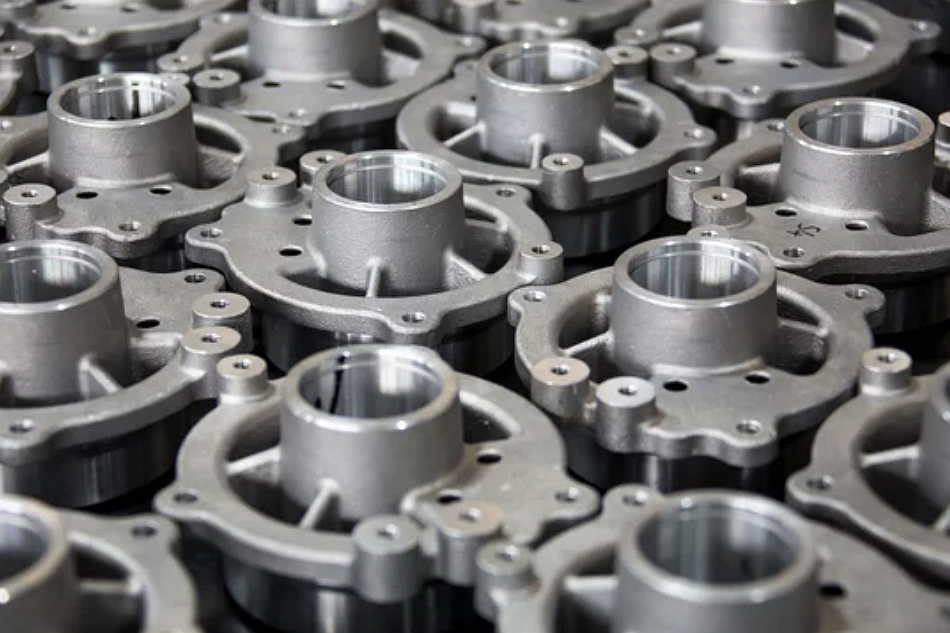
Gearbox and bearing housings | Drives, conveyors, heavy equipment, and rotating machinery | Control bore alignment, bearing seats, oil passages, sealing surfaces, and machining allowance. |
Construction and agricultural equipment parts | Brackets, links, covers, supports, and wear-related metal components | Control impact exposure, wear zones, load paths, heat treatment, and inspection records. |
Large covers and access panels | Industrial enclosures, machinery covers, and serviceable equipment structures | Control distortion, bolt pads, gasket surfaces, coating, and packaging. |
For automotive, aerospace, energy, mining, or other controlled programs, sand castings should be reviewed against the buyer's specifications and validation requirements. Manufacturing feasibility does not replace product-level qualification.
How Do Sand Molds And Cores Affect Large Castings?
The sand mold controls the external casting shape, and sand cores control internal cavities or passages. For heavy-duty castings, mold strength, sand composition, binder system, core support, venting, gating, risers, and shakeout access can all affect final quality.
Sand Casting Element | Role In Heavy-Duty Castings | Risk To Control |
|---|---|---|
Mold sand and binder | Holds the casting cavity shape during pouring and solidification | Control mold erosion, gas generation, surface finish, and dimensional stability. |
Sand cores | Create internal passages, hollow sections, oil channels, or weight-reduction cavities | Control core shift, core breakage, gas defects, cleanout access, and core prints. |
Gating and runners | Guide molten metal into the mold cavity | Control turbulence, inclusions, cold shuts, and uneven filling. |
Risers and feeding | Feed metal during solidification to reduce shrinkage risk | Control shrinkage cavities, hot spots, and heavy-section feeding. |
Pattern and machining stock | Defines casting allowance, draft, shrinkage allowance, and final machining areas | Control datum surfaces, machining stock, and pattern revision before production. |
Buyers should share internal passage requirements, cleaning requirements, and inspection access early. A core that forms a passage also creates risks that must be considered in pattern design and inspection planning.
Which Defects Matter Most In Heavy-Duty Sand Castings?
Heavy-duty sand castings are often judged by function rather than appearance alone. Defects that matter include shrinkage, gas porosity, inclusions, sand burn-on, cracks, cold shuts, misruns, core shift, dimensional distortion, and machining defects that expose subsurface issues.
Casting Defect | Functional Risk | Inspection Or Prevention Evidence |
|---|---|---|
Shrinkage cavity | Can affect strength, pressure tightness, and machined surfaces | Riser review, section review, X-ray, machining inspection, or pressure testing if required. |
Gas porosity | Can affect leak resistance, fatigue behavior, or surface quality after machining | Sand moisture control, venting review, leak test, or NDT where specified. |
Inclusions or sand defects | Can affect wear surfaces, machined faces, and pressure boundaries | Visual inspection, machining inspection, filtration review, and acceptance standard. |
Core shift | Can change wall thickness, internal passage position, or machining allowance | Core print review, dimensional inspection, CT, sectioning, or fixture checks when needed. |
Distortion | Can affect flatness, bore alignment, and assembly fit | Fixture check, CMM report, machining datum review, and stress-relief review. |
Defect control should be linked to part risk. A surface blemish on a noncritical cover may not matter, while a small defect in a sealing surface, bearing bore, or pressure boundary may be unacceptable under the buyer's criteria.
When Should Buyers Compare Sand Casting With Investment Or Gravity Casting?
Sand casting should be compared with investment casting, gravity casting, die casting, and fabrication when the geometry, size, quantity, surface requirement, or tolerance path is not yet fixed.
Manufacturing Route | Best Fit | When Sand Casting May Be Better |
|---|---|---|
Sand casting | Large parts, heavy sections, custom metal alloys, and lower tooling pressure | When size, material, and heavy-duty section design are more important than fine surface detail. |
Investment casting | Smaller complex parts, fine detail, and better surface potential | When the part is too large, too heavy, or better suited to sand mold economics. |
Gravity casting | Repeatable non-ferrous castings with permanent mold considerations | When custom size, alloy flexibility, or lower tooling complexity matters more. |
Fabrication or welding | Plate structures, weldments, frames, and parts with simple cut-and-weld geometry | When casting can reduce welds, improve stiffness, or create integrated shapes. |
The route choice should reflect the drawing and the use environment. A heavy-duty casting often needs machining, heat treatment, and inspection after casting, so the total route should be reviewed rather than the casting step alone.
Which Machining, Heat Treatment, And Inspection Steps Are Needed?
Sand castings frequently need secondary operations. Common steps include gate and riser removal, shot blasting, heat treatment, stress relief, straightening, CNC machining, drilling, tapping, grinding, coating, painting, and assembly.
Inspection evidence may include dimensional reports, first article inspection, CMM inspection, material certificates, heat-treatment records, hardness testing, surface roughness reports, visual standards, magnetic particle inspection, dye penetrant inspection, ultrasonic testing, X-ray inspection, pressure testing, leak testing, and assembly trials.
The buyer should specify which surfaces are critical. Machined bores, sealing faces, bolt pads, gasket surfaces, wear zones, and pressure boundaries need clearer acceptance criteria than nonfunctional surfaces.
What Should A Heavy-Duty Sand Casting RFQ Include?
A heavy-duty sand casting RFQ should include enough information to review pattern design, mold and core strategy, alloy, machining, heat treatment, testing, and final use. Missing information can cause incorrect pattern allowance, insufficient machining stock, or delayed sample approval.
RFQ Information | Why It Matters For Sand Casting | Buyer Confirmation Needed |
|---|---|---|
3D model and 2D drawing | Defines casting geometry, machined surfaces, datum references, and critical dimensions | Confirm drawing revision, machining stock, and functional surfaces. |
Material grade | Controls casting behavior, heat treatment, strength, wear, corrosion, and machinability | Confirm grade standard, certificate need, hardness, and heat treatment. |
Core and internal passage needs | Affects core design, cleanout, wall thickness, and inspection access | Define passage function, cleanout criteria, and acceptance method. |
Load and service condition | Guides wall thickness, rib layout, defect acceptance, and testing | Confirm load direction, temperature, fluid, wear, vibration, and pressure exposure. |
Inspection and documentation | Defines sampling, NDT, functional testing, and buyer approval | State whether CMM, hardness, MPI, DPI, UT, X-ray, leak, or pressure tests are needed. |
Production stage and expected quantity | Influences pattern material, fixture planning, machining setup, and inspection scope | Confirm prototype, pilot, spare part, or production stage. |
Sand castings remain important in heavy-duty industrial applications because the process can support large metal parts, thick sections, internal cores, and broad material choices. The strongest results come from matching the casting route to the load case, alloy, machining plan, and inspection evidence.
Related FAQs