Creative Casts: Achieving Design Flexibility and Complexity with Sand Casting
Sand Casting Design Flexibility RFQ Decision explains how the sand casting process can support larger metal parts, internal cavities, thick sections, ribs, bosses, mounting pads, and custom casting geometry. The buyer decision is whether sand casting should be used for a design that would be difficult or costly to machine, fabricate, die cast, or investment cast. The practical RFQ problem is that design flexibility depends on pattern tooling, sand core design, draft, parting line, wall thickness, alloy, machining allowance, defect risk, and inspection criteria.
How Does Sand Casting Support Complex Part Design?
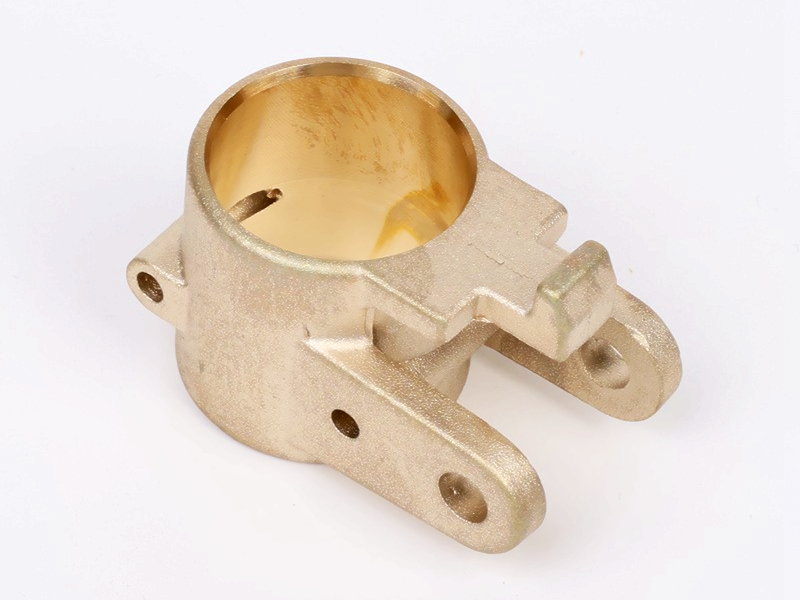
Sand casting supports complex part design by using a pattern to form a sand mold and, when needed, sand cores to create internal cavities. This makes the process useful for parts with large envelopes, heavy sections, internal passages, and custom shapes.
The design flexibility is practical rather than unlimited. Every feature must be reviewed for mold withdrawal, core placement, metal flow, solidification, shakeout, cleaning, machining, and inspection. A complex casting can still become expensive if the design creates difficult cores, high scrap risk, or excessive machining.
Buyers should state the design goal before quotation. The goal may be to combine multiple fabricated pieces, create a hollow housing, cast a large pump body, reduce machining from solid stock, or prototype a metal component before production tooling.
Which Sand Casting Features Should Be Planned Early?
Sand casting features should be planned early because pattern tooling, core boxes, parting line, draft, and machining allowance are easier to adjust before tooling begins. Late design changes can affect both cost and quality.
Sand Casting Design Feature | Design Flexibility Created | RFQ Detail Needed |
|---|---|---|
Sand core for internal passage | Creates hollow channels, cavities, and internal flow paths | Core geometry, cleaning access, and inspection method |
Rib or boss | Adds local stiffness, mounting pads, or machining stock | Load direction, wall transition, and machined surface requirement |
Large housing or machine base | Supports custom shape without machining from solid stock | Overall size, critical datums, casting weight, and lifting points |
Parting line and draft surface | Allows mold removal and practical pattern design | Visible surfaces, no-parting-line areas, and assembly interfaces |
How Do Sand Cores Expand Design Flexibility?
Sand cores expand design flexibility by forming internal features that cannot be made by the main mold cavity alone. Cores are important for pump bodies, valve bodies, manifolds, housings, and parts with internal passages.
Core design affects cost and risk. A simple core may be practical, while a long, thin, or fragile core may create core shift, breakage, gas defects, cleaning difficulty, or internal dimensional variation. If the internal cavity is functional, buyers should specify how the cavity will be inspected.
The RFQ should include section views, internal passage requirements, pressure or leak test requirements, and any surfaces that must be machined after casting. This lets Neway review core feasibility and downstream inspection together.
Which Materials Support Flexible Sand Casting Designs?
Material selection affects what design flexibility is practical. Different alloys have different fluidity, shrinkage, strength, machining behavior, heat treatment response, and defect risk.
Common sand casting material categories include cast aluminum, cast iron, cast stainless steel, and copper alloy. The buyer should select the material according to strength, weight, corrosion, wear, heat, and machining requirements.
For open material decisions, the RFQ should describe the application environment and target function. A lightweight enclosure, wear-resistant base, corrosion-resistant pump body, and thermally loaded bracket require different material reviews.
What Geometry Limits Should Buyers Review?
Sand casting geometry limits include mold withdrawal, draft, wall thickness transitions, core support, feeding, solidification, surface finish, and machining access. Features that look simple in CAD can become difficult in a sand mold.
Geometry Limit | Manufacturing Risk | Buyer Decision |
|---|---|---|
Abrupt thick-to-thin transition | Shrinkage, porosity, hot spots, or distortion | Review wall transitions and critical strength areas |
Deep internal cavity | Core handling, cleaning, and inspection difficulty | Define access, test method, and core tolerance requirement |
No draft on mold withdrawal surface | Pattern removal or mold damage risk | Confirm which surfaces can accept draft or machining |
Critical feature near parting line | Mismatch, flash, or trimming variation | Define parting line restrictions and machined datums |
How Should Buyers Balance Flexibility With Quality Control?
Design flexibility should be balanced with quality control. The more complex the mold, core, and geometry become, the more important it is to define defect acceptance and inspection methods.
Common sand casting risks include porosity, shrinkage, inclusions, cold shut, core shift, sand burn-on, and dimensional variation. The drawing should identify critical surfaces, pressure areas, machined datums, and hidden surfaces so the supplier can plan the inspection scope.
Buyers should also define whether the casting requires NDT, pressure testing, material certification, heat treatment records, or dimensional reports. These requirements affect cost and production planning.
What RFQ Data Helps Neway Review Sand Casting Design Flexibility?
A complete RFQ should show the design intent and the manufacturing constraints. Neway needs to understand which features are functional, cosmetic, internal, machined, or only reference geometry.
RFQ Data for Sand Casting Design | Why It Matters | Review Outcome |
|---|---|---|
3D model and 2D drawing | Shows geometry, cores, wall thickness, datums, and machined features | Pattern, core, mold, machining, and inspection review |
Material and heat treatment | Affects castability, strength, shrinkage, and machining | Alloy and process feasibility review |
Critical internal passages | Controls core design, cleaning, and test planning | Core box and inspection method review |
Production volume and revision stage | Influences pattern type and tooling cost | Prototype or production pattern recommendation |
What Neway Precision Reviews for Complex Sand Castings?
Neway Precision reviews complex sand castings by connecting pattern design, sand mold type, core design, alloy choice, wall thickness, parting line, machining allowance, defect risk, and inspection criteria. The review focuses on whether the proposed casting can meet the buyer's design intent and production needs.
Sand casting can be compared with investment casting, gravity casting, aluminum die casting, fabrication, and machining. The correct route depends on part size, geometry, volume, tolerance, alloy, and finish requirements.
Design flexibility becomes practical when the RFQ defines the purpose of each complex feature. Clear models, drawings, materials, internal passages, machined surfaces, and inspection criteria help Neway review the casting before pattern tooling begins.
Related FAQs