Custom Sand Casting | Process, Materials, Pros, and Cons
This article explains custom sand casting for metal parts made from cast aluminum, cast iron, copper alloy, steel, and other sand-cast materials. The practical RFQ problem is deciding whether the sand casting process can meet part size, geometry, material grade, machining, surface finish, tolerance, inspection, and cost requirements before pattern tooling and sample casting begin.
How Custom Sand Casting Forms Large and Complex Metal Parts
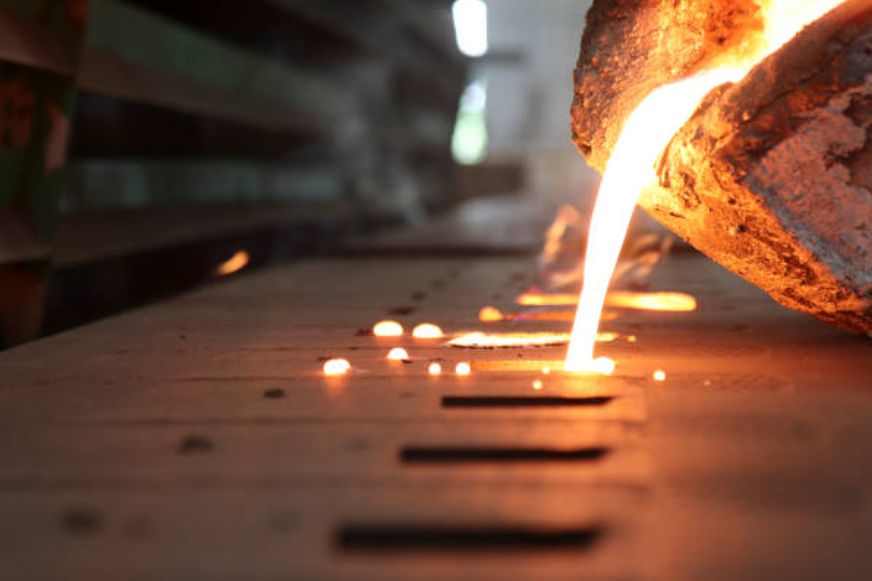
Sand casting forms metal parts by packing prepared sand around a pattern, removing the pattern to create a mold cavity, placing cores when internal passages are needed, pouring molten metal, and breaking the mold after solidification. The route is often reviewed for large castings, low-to-medium quantities, heavy components, and part shapes where permanent tooling would be expensive.
Sand casting is flexible, but the flexibility does not remove engineering limits. Mold strength, sand composition, pattern allowance, draft, riser design, pouring temperature, solidification behavior, machining allowance, and inspection standards all affect final part quality. Buyers should define the functional surfaces and acceptance criteria before quotation because the as-cast surface and the machined surface may have different requirements.
Buyer Question | Sand Casting Answer | Manufacturing Reason | RFQ Detail Needed |
|---|---|---|---|
Can the part size be cast? | Sand casting can be reviewed for large or heavy castings | Sand molds do not require the same permanent die investment as die casting | 3D model, drawing, casting weight estimate, handling limits |
Can the geometry include cavities? | Sand cores can create holes, channels, and internal forms | Cores are placed into the mold before pouring | Core prints, internal passage requirements, cleaning access |
Will machining be required? | Machining is common for datums, holes, sealing faces, and bearing seats | As-cast surfaces may not satisfy every functional dimension | Machined surfaces, tolerance notes, inspection points |
Sand Mold, Pattern, Core, Pouring, Shakeout, and Finishing Steps
The sand casting process begins with pattern design. The pattern includes draft, shrinkage allowance, machining stock, parting line planning, and core prints when cores are required. Pattern material may vary by quantity, size, accuracy need, and expected tool life.
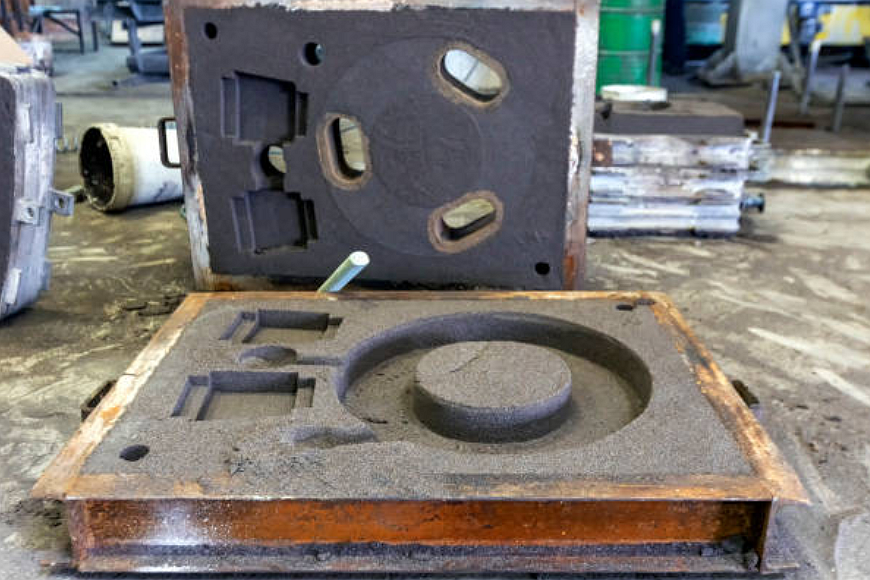
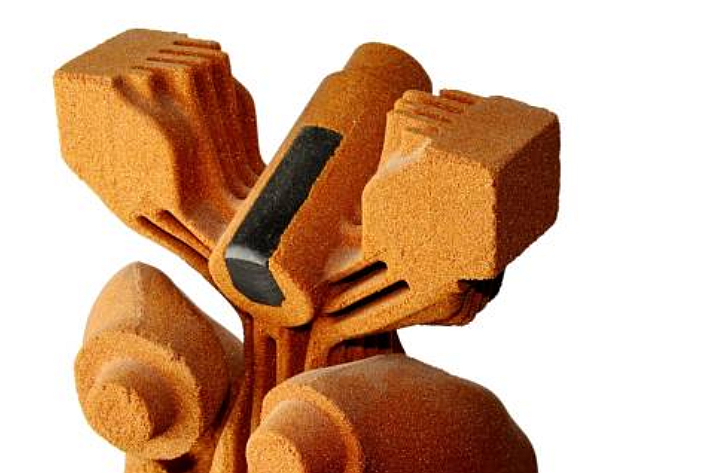
After mold preparation, the foundry places cores when the casting needs internal cavities or recessed features. Molten metal is poured through the gating system, risers feed shrinkage zones, and the mold is opened after cooling. The casting then moves through shakeout, gate removal, shot blasting, grinding, machining, heat treatment, coating, or assembly depending on the drawing.
Sand Casting Stage | What Happens | Risk to Control | Buyer Confirmation Needed |
|---|---|---|---|
Pattern and mold design | Pattern, draft, parting line, and machining allowance are planned | Mismatch, insufficient stock, poor mold release | Drawing revision, datum surfaces, machining allowance |
Core placement | Sand cores are positioned for internal features | Core shift, core breakage, trapped sand | Internal passage size, cleaning requirement, inspection method |
Pouring and solidification | Molten metal fills the cavity and cools inside the mold | Shrinkage, porosity, inclusions, misrun, cold shut | Material grade, wall thickness, critical zones |
Shakeout and finishing | Sand is removed and gates are cut from the casting | Residual sand, burrs, surface damage, dimensional variation | Surface finish, burr limit, inspection criteria |
Sand Casting Materials: Cast Aluminum, Cast Iron, Copper Alloy, and Steel Grades
Material selection should start with function, strength, corrosion exposure, wear, weight, machinability, heat treatment, and cost. Sand casting can be used with several metal families, but each alloy family has different melting behavior, shrinkage, feeding needs, and post-processing requirements.
What metals can be used in sand casting? is often the first buyer question. Common options include cast aluminum, cast iron, copper alloy, carbon steel, and alloy steel, subject to material availability and drawing review.
Sand Casting Material | Typical Part Requirement | Manufacturing Note | RFQ Detail to Define |
|---|---|---|---|
Cast aluminum | Lower weight, corrosion resistance, machinability | Porosity, shrinkage, and surface finishing should be reviewed | Alloy grade, machining stock, coating or anodizing need |
Cast iron | Damping, wear resistance, compressive strength | Section thickness and cooling rate can affect properties | Iron grade, hardness, machined surfaces, load condition |
Copper alloy | Wear, conductivity, corrosion resistance, bearing behavior | Pouring behavior and machining response depend on alloy | Alloy, pressure or sealing requirement, surface finish |
Steel grades | Strength, weldability, impact resistance, heat treatment response | Heat treatment and inspection may drive cost | Grade, heat treatment, hardness, certificate need |
Sand Cores, Wall Sections, Draft, and Casting Defect Risks
Sand casting defects often come from geometry, mold preparation, pouring control, feeding design, or inadequate cleaning. Typical risks include shrinkage, porosity, sand inclusion, cold shut, misrun, hot tear, core shift, flash, rough surface, and dimensional mismatch.
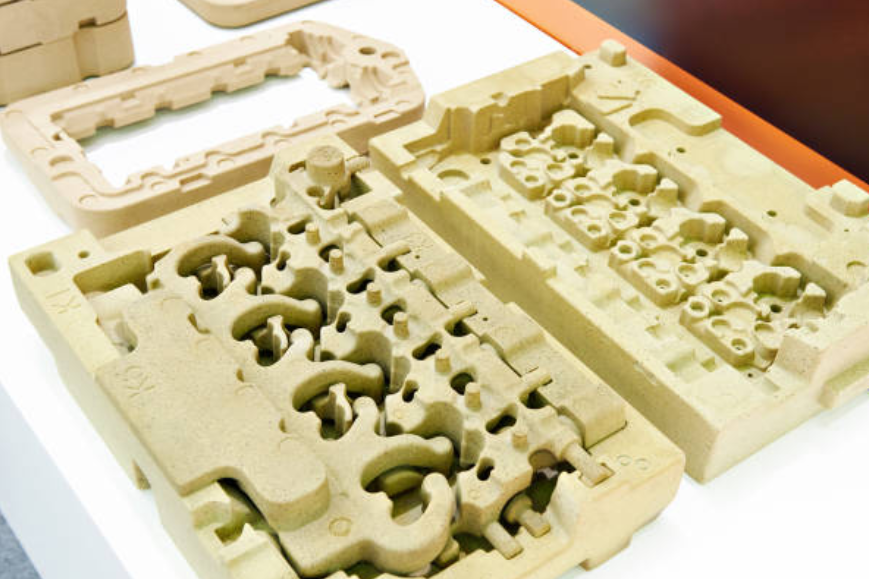
Buyers can reduce quotation uncertainty by separating critical dimensions from general casting surfaces. Thick-to-thin transitions, deep pockets, long unsupported cores, and large flat areas should be reviewed early. If internal cavities must be clean, the RFQ should state cleaning access, residual sand limits, and whether borescope, pressure testing, or section checks are required.
Part Feature | Sand Casting Risk | Design Review Focus | Inspection Evidence |
|---|---|---|---|
Internal channel with sand core | Core shift, trapped sand, incomplete cleaning | Core print, support, cleaning path | Dimensional check, borescope, pressure test when specified |
Heavy boss beside thin wall | Shrinkage, hot spot, distortion | Wall transition, riser placement, machining allowance | Visual inspection, dimensional report, section review when required |
Large flat surface | Warping, mismatch, uneven machining stock | Rib layout, draft, support, fixture plan | Flatness report, CMM report when required |
Cosmetic outer face | Rough texture, burn-on sand, grinding marks | Mold material, finishing sequence, visible face definition | Visual standard, roughness report, finish sample |
Machining, Shot Blasting, Heat Treatment, and Surface Finish After Sand Casting
Sand castings normally need post-processing before final use. Common operations include gate cutting, riser removal, shot blasting, grinding, CNC machining, drilling, tapping, heat treatment, impregnation, painting, powder coating, plating, assembly, and final inspection.
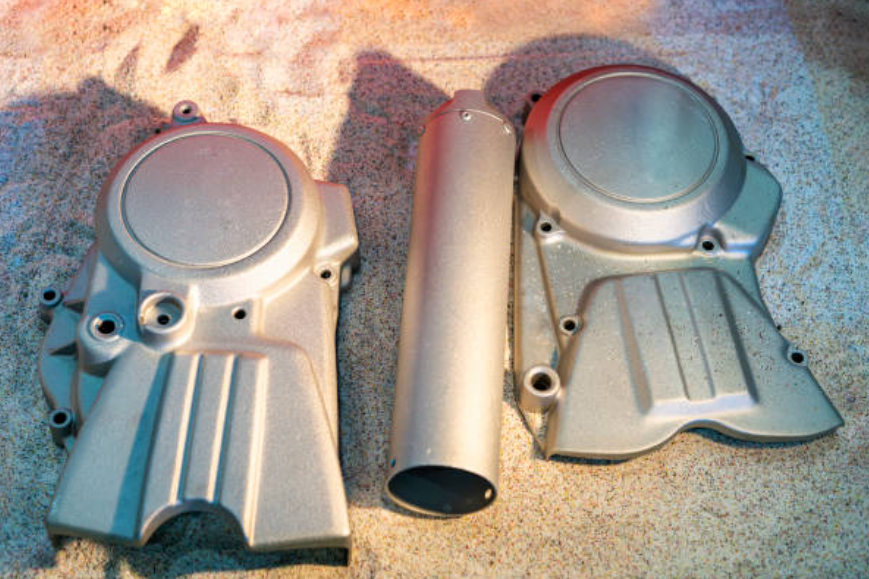
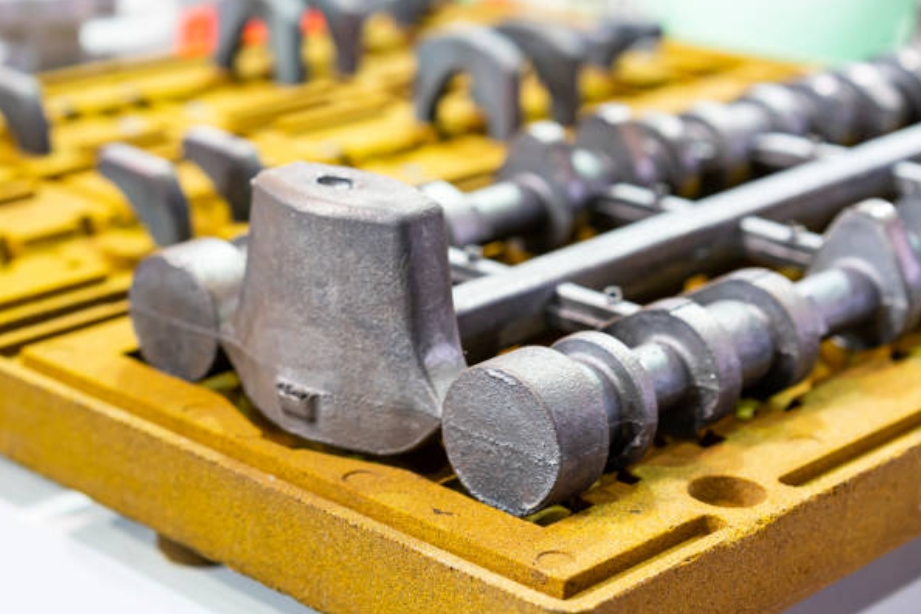
Machining allowance should be planned before pattern tooling. If the buyer needs bearing seats, sealing surfaces, threaded holes, or datum planes, the casting design should leave enough stock for machining without exposing unacceptable porosity or moving the feature outside the casting envelope.
Pros, Cons, and When Investment Casting or Die Casting May Fit Better
Sand casting is strong when the part is large, quantity is low or moderate, geometry is too large for permanent die tooling, or material choice requires a flexible foundry route. The process can also be useful for prototypes, replacement parts, pump housings, machinery bases, brackets, valves, covers, frames, and other custom metal components.
The limitations include rougher as-cast surfaces, wider dimensional variation than some precision routes, mold breakage after each pour, slower cycle time, and possible cleaning difficulty for internal passages. If the part needs finer detail and smoother surfaces, investment casting may be reviewed. If the part is high-volume aluminum or zinc with a stable design, aluminum die casting or zinc die casting may be more appropriate after tooling review.
Manufacturing Route | When It May Fit Better | When Sand Casting May Fit Better | Buyer Decision Point |
|---|---|---|---|
Investment casting | Finer detail, smoother surface, complex smaller metal parts | Larger or heavier castings with simpler surface expectations | Part size, surface finish, and alloy requirement |
Die casting | High-volume aluminum or zinc parts with repeatable thin walls | Lower-volume or larger parts where permanent die tooling is not practical | Annual volume, tooling budget, alloy family |
CNC machining | Low quantity, tight datums, or simple billet geometry | Near-net large cast shapes with less material removal | Material waste, machining time, and critical dimensions |
Fabrication | Welded plate or tube structures with simple cut parts | One-piece casting with integrated bosses, ribs, and curved surfaces | Assembly method, load path, and inspection requirement |
RFQ Inputs, Cost Drivers, and Inspection Evidence for Sand Castings
A sand casting RFQ should include 3D CAD, 2D drawing, material grade, casting weight target, expected order quantity, annual volume, machined surfaces, critical dimensions, internal core features, heat treatment, surface finish, inspection requirement, and application environment.
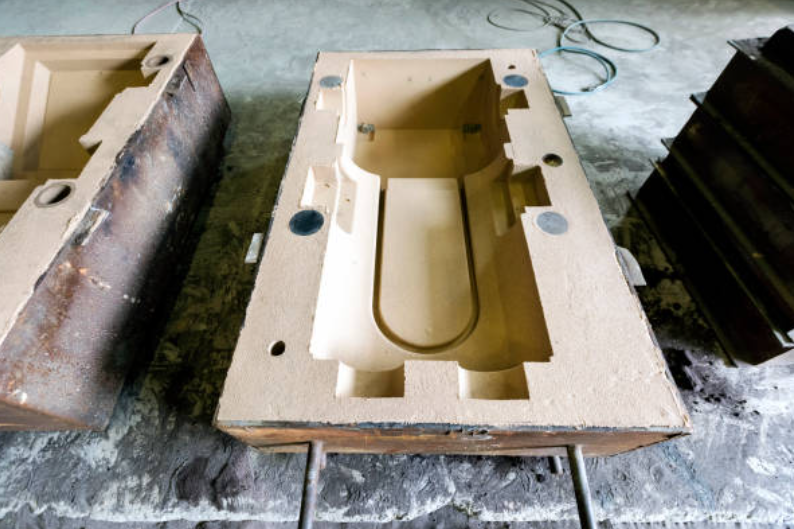
Main cost drivers include pattern complexity, casting size, alloy, mold and core material, pouring weight, riser and gate removal, scrap risk, heat treatment, machining time, surface treatment, inspection documentation, packaging, and delivery requirements. Final validation should follow the buyer's drawing, samples, and acceptance criteria.
RFQ Input | Why It Matters in Sand Casting | Quotation Impact | Possible Inspection Evidence |
|---|---|---|---|
3D CAD and 2D drawing | Defines mold geometry, parting line, datums, and tolerance zones | Controls pattern design, machining allowance, and fixture planning | FAI, dimensional report, CMM report when required |
Material grade | Controls melting, feeding, heat treatment, and machining behavior | Affects material cost, scrap risk, and documentation | Material certificate, hardness test, heat-treatment record |
Core features and internal passages | Defines core complexity and cleaning requirements | Affects mold setup, inspection method, and rework risk | Borescope, pressure test, section check when specified |
Surface and machining requirements | Separates as-cast surfaces from functional machined features | Affects finishing labor, machining time, and acceptance criteria | Visual standard, roughness report, dimensional inspection |
Related FAQs
Defects in Sand Castings: Causes and Prevention in Metal Foundries
What Is The Type and Composition of The Sand in Sand Casting?
How does material selection impact the performance of sand-cast products?
What challenges arise when choosing different metals for sand casting?
Are there any limitations or challenges associated with green sand casting?