What challenges arise when choosing different metals for sand casting?
Choosing different metals for sand casting creates challenges in mold filling, shrinkage, gas behavior, hot tearing, mold reaction, surface finish, machinability, heat treatment, and final inspection. For buyers of custom sand-cast parts, the practical RFQ problem is selecting an alloy that meets strength, corrosion, weight, conductivity, and service-life requirements without creating avoidable casting defects or excessive post-processing.
What Challenges Arise When Choosing Different Sand Casting Metals?
The main challenges are thermal shrinkage, fluidity, section-thickness sensitivity, mold-metal interaction, alloy-specific defect risk, machining difficulty, and finish compatibility. Aluminum, cast iron, carbon steel, stainless steel, copper alloy, magnesium alloy, and zinc alloy do not behave the same way in a sand mold, so the supplier must design the gating, risering, pouring temperature, machining allowance, and inspection plan around the selected metal.
A material that performs well in service may still be difficult to cast. A material that casts easily may not meet load or corrosion requirements. The buyer should not choose the alloy from a general material list alone; the alloy must match both sand casting manufacturability and final part performance.
Metal selection challenge | Manufacturing cause | Possible part risk | RFQ action for buyers |
|---|---|---|---|
Shrinkage and distortion | Different alloys contract differently during cooling | Dimensional error, warpage, shrinkage cavities | Define critical dimensions, machining stock, and inspection method |
Mold filling and fluidity | Alloy temperature range and viscosity affect flow through the mold | Misruns, cold shuts, incomplete thin walls | Provide wall thickness, flow length, ribs, and minimum section details |
Mold reaction and surface finish | Molten metal interacts with sand, binder, gas, and coating | Rough surface, inclusions, burn-on, cleaning difficulty | Specify surface finish, visible areas, and post-processing expectations |
Alloy-specific defects | Gas absorption, hot tearing, porosity, inclusions, or microstructure issues | Rejected castings, weak zones, leak paths | Define pressure boundary, NDT, leak testing, and acceptance criteria |
Machining and finishing difficulty | Hardness, graphite structure, toughness, or gummy cutting behavior | Tool wear, poor finish, longer post-processing | Mark machined datums, tolerances, finish route, and heat treatment |
How Do Shrinkage and Distortion Differ by Sand Casting Metal?
Metal choice in sand casting creates challenges in shrinkage, mold filling, mold reaction, defect control, machining, finishing, inspection, and RFQ cost evaluation. Shrinkage and distortion are often the first concerns because each alloy contracts differently as it cools from molten metal to solid casting.
Aluminum alloys can be sensitive to feeding, porosity, and distortion in thin or uneven sections. Steel castings may require careful risering and cooling control to manage shrinkage and cracking risk. Cast iron often fills well, but the specific iron type and section thickness still affect final dimensions and machining behavior. Copper alloys can create their own shrinkage and feeding concerns depending on composition.
Buyers should define critical dimensions, wall thickness, rib geometry, heavy bosses, machined surfaces, and final inspection method. This allows the supplier to plan pattern allowance, risers, chills, machining stock, and quality checks around the chosen metal.
Why Does Metal Fluidity Affect Sand Casting Quality?
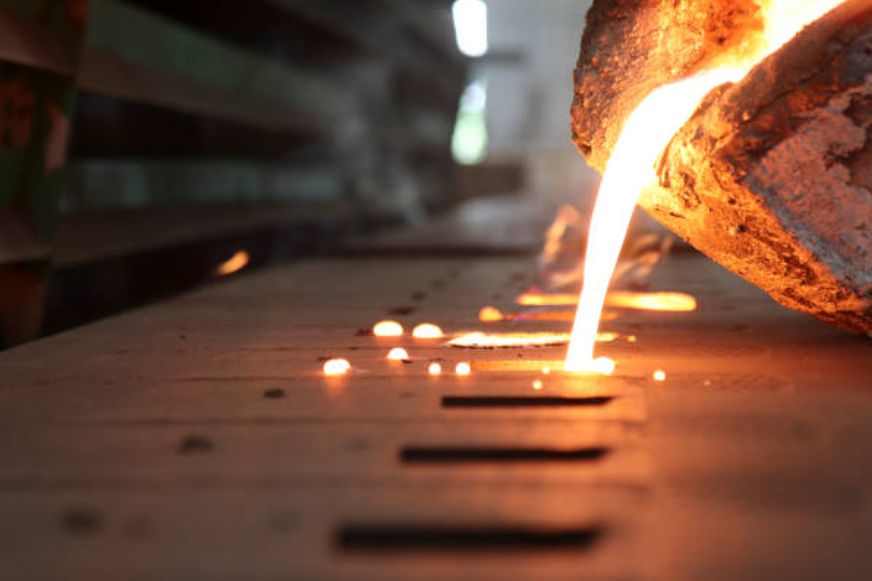
Metal fluidity affects sand casting quality because molten metal must travel through the gating system and fill the mold cavity before solidification blocks flow. Poor fluidity can create misruns, cold shuts, incomplete ribs, or weak edges. Very thin walls, long flow paths, abrupt transitions, and complex cores increase the challenge.
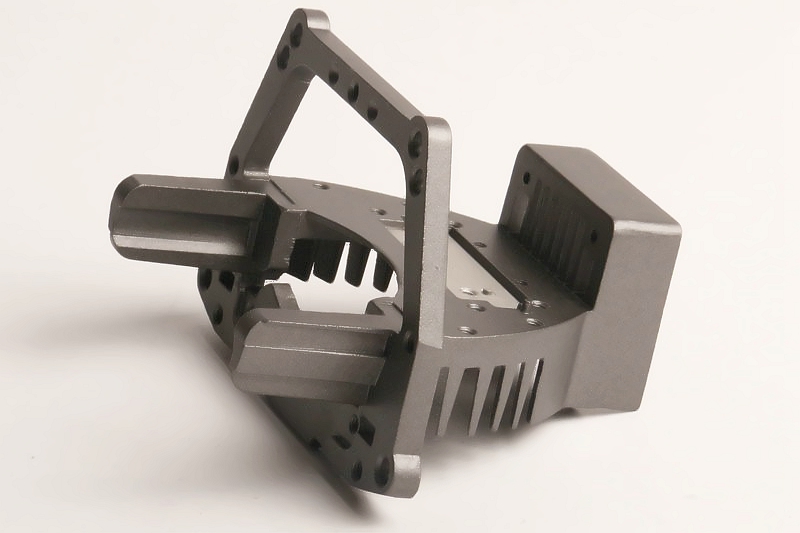
Cast aluminum sand casting may fill many shapes well when the alloy and gating are suitable, but it still requires control of temperature, gas, feeding, and section thickness. Cast iron may have good mold-filling behavior for many industrial parts. Steel can be more demanding because of higher pouring temperatures and solidification behavior.
The RFQ should include minimum wall thickness, part envelope, core features, internal passages, and any features that must be fully formed before machining. Without that information, the supplier cannot judge whether the selected metal can fill the design reliably.
How Do Mold Reaction and Surface Finish Vary by Metal?
Mold reaction and surface finish vary because molten metal temperature, sand composition, binder behavior, mold coating, and gas generation affect the casting surface. Higher-temperature alloys can increase the risk of burn-on, penetration, or rough surfaces if sand and coating systems are not suitable. Some alloys are more sensitive to oxidation, inclusions, or gas-related surface defects.
Sand type and sand composition matter because the mold material must support the selected alloy. The same sand system may not be suitable for every metal, part size, or surface requirement.
Buyers should define visible surfaces, machined surfaces, surface roughness targets when required, coating or paint requirements, and cleaning expectations. If appearance matters, the RFQ should identify A-surfaces and acceptable visual standards before quotation.
Which Alloy-Specific Defects Should Buyers Consider?
Alloy-specific defects include porosity in aluminum, shrinkage cavities in poorly fed sections, hot tears in sensitive alloys, inclusions from melt handling, graphite-related issues in iron, and cracking or distortion in some steel castings. These risks are not controlled by material selection alone; they also depend on mold design, gating, risering, pouring, cooling, and inspection.
Sand casting defect prevention should be discussed when the part has pressure boundaries, leak paths, fatigue-sensitive areas, machined sealing surfaces, or safety-related use. The inspection method should match the risk.
Buyers should state whether the part requires X-ray inspection, magnetic particle inspection, dye penetrant inspection, pressure testing, leak testing, CMM inspection, or material certification. This helps the supplier estimate the quality plan and avoid surprises after casting.
How Do Metals Create Machining and Finishing Challenges After Sand Casting?
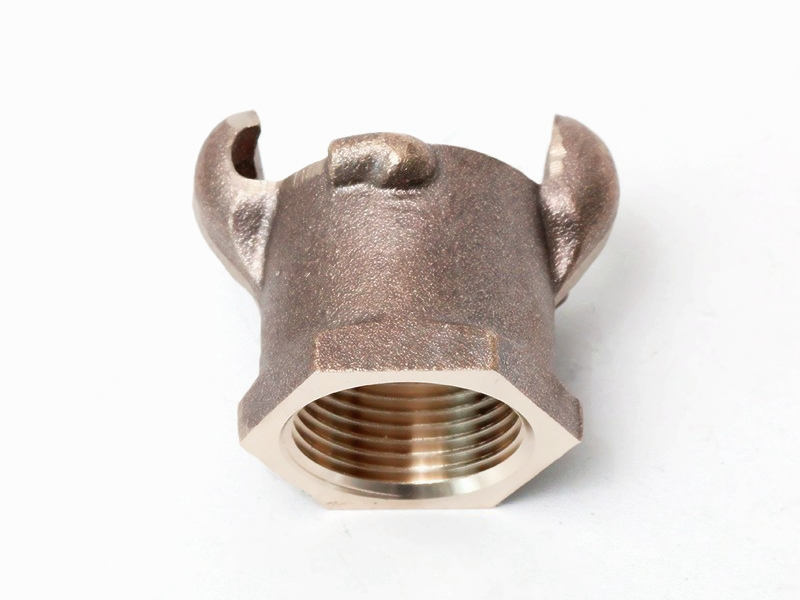
Metals create different machining and finishing challenges because hardness, microstructure, toughness, and cutting behavior vary. Cast iron sand casting may machine well but requires dust and tool management. Steel and stainless steel can require more robust tooling and machining plans. Aluminum can machine efficiently but may expose porosity or require careful finishing. Copper alloys can be tool-sensitive depending on composition.
Finishing also changes by metal. Cast stainless steel sand casting may use passivation or polishing when suitable. Carbon steel may need coating or plating for corrosion protection. Aluminum may use machining, blasting, coating, or selected anodizing-related routes when the alloy and casting surface support them.
The RFQ should include machined datums, threads, bores, sealing faces, tolerance requirements, finish method, heat treatment, and whether final dimensions apply before or after coating.
How Do Material Cost and Resource Factors Affect Metal Choice?
Material cost and resource factors affect metal choice because alloy price, casting yield, machining time, scrap risk, finishing, and inspection burden all change with the selected metal. A high-alloy stainless steel or copper alloy may meet performance needs, but it should be justified by corrosion, wear, conductivity, or service-life requirements. A lower-cost material may be unsuitable if it creates early failure or excessive finishing.
The best buyer decision is not simply choosing the lowest-cost alloy. Buyers should compare total manufacturing route: metal cost, pattern or tooling, gating and risering, heat treatment, machining, finishing, inspection, rejection risk, and expected service life.
When the part is large, pressure-related, or safety-related, material selection should also consider validation and documentation. The cost of rejecting or replacing a failed part can exceed the material savings from choosing the wrong alloy.
What Should Buyers Include Before Choosing a Sand Casting Metal?
Buyers should include CAD data, 2D drawings, target alloy or acceptable alternatives, part size, wall thickness, section changes, critical dimensions, load case, operating temperature, corrosion exposure, pressure or leak requirements, machining allowance, surface finish, heat treatment, annual volume, and inspection method.
The RFQ should ask the supplier which material risks are most important for the part: shrinkage, filling, mold reaction, porosity, cracking, machining, coating, or inspection. That conversation helps convert a material preference into a practical casting plan.
A sand casting metal should be chosen only after the buyer and supplier understand both the required part performance and the manufacturing challenges created by that metal.
Related FAQs
How does material selection impact the performance of sand-cast products?
Which industries benefit most from the material versatility of sand casting?
How are advancements in alloy technology enhancing sand casting capabilities?
What defects occur in sand castings and how can foundries prevent them?
What is the type and composition of the sand in sand casting?