How are advancements in alloy technology enhancing sand casting capabilities?
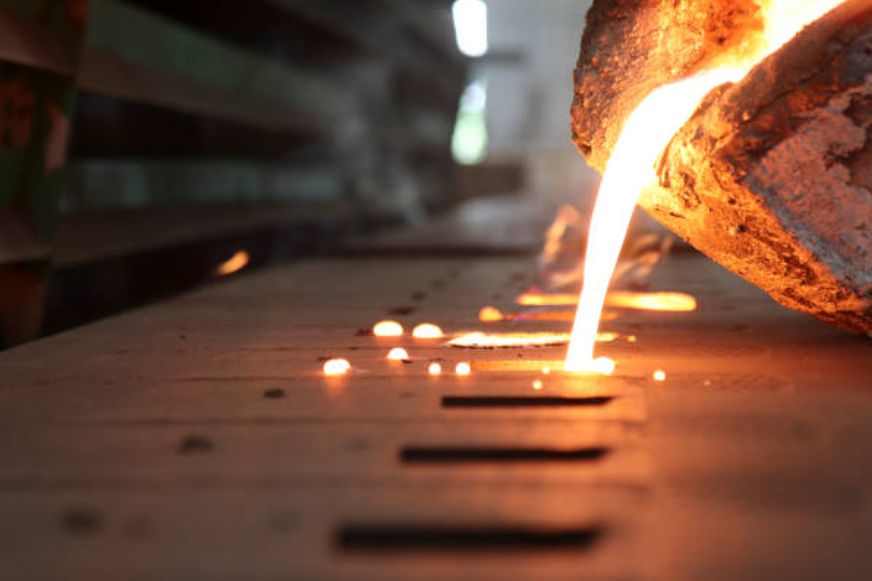
Advancements in alloy technology enhance sand casting capabilities by improving how selected metals fill sand molds, solidify, resist corrosion, respond to heat treatment, machine after casting, and perform in service. For buyers of custom sand-cast products, the practical RFQ problem is deciding whether a newer alloy grade or material specification actually improves the part's load capacity, wear behavior, thermal exposure, corrosion resistance, weight, or inspection outcome.
How Does Alloy Technology Enhance Sand Casting Capabilities?
Alloy technology enhances sand casting by improving the fit between metal behavior and casting requirements. Better alloy selection can help with fluidity, feeding, strength, toughness, corrosion resistance, heat resistance, machinability, and surface finish. The improvement is not automatic; the sand mold design, gating, risering, heat treatment, and inspection plan must support the alloy.
For sand casting buyers, alloy advancement should be evaluated through the part requirement. A stronger steel may be useful for a loaded bracket but unnecessary for a simple cover. A corrosion-resistant stainless steel may be valuable in a pump part but excessive in a dry indoor housing. A lightweight aluminum alloy may help a mobile assembly but may not suit high wear or high heat.
Alloy technology area | Sand casting capability improved | Typical material examples | RFQ question for buyers |
|---|---|---|---|
Improved aluminum casting grades | Weight control, machinability, heat-treatment response | A356, selected cast aluminum grades | Does the part need low weight, corrosion behavior, or heat treatment? |
Ductile iron and controlled cast iron grades | Toughness, damping, wear, heavy-section stability | Gray iron, ductile iron | Is vibration damping or impact toughness more important? |
Steel and stainless steel alloy selection | Strength, toughness, corrosion resistance, heat exposure | Carbon steel, low-alloy steel, stainless steel | What load, corrosion medium, temperature, and inspection method apply? |
Copper alloy development | Conductivity, wear behavior, corrosion resistance | Bronze, brass, and other copper alloy families when specified | Is conductivity, wear, or corrosion the main reason for copper alloy? |
Heat treatment and process control | Mechanical properties, dimensional stability, repeatability | Aluminum, steel, ductile iron, stainless steel where applicable | Should dimensions be verified before or after heat treatment? |
How Do Aluminum Alloy Advancements Improve Sand Casting?
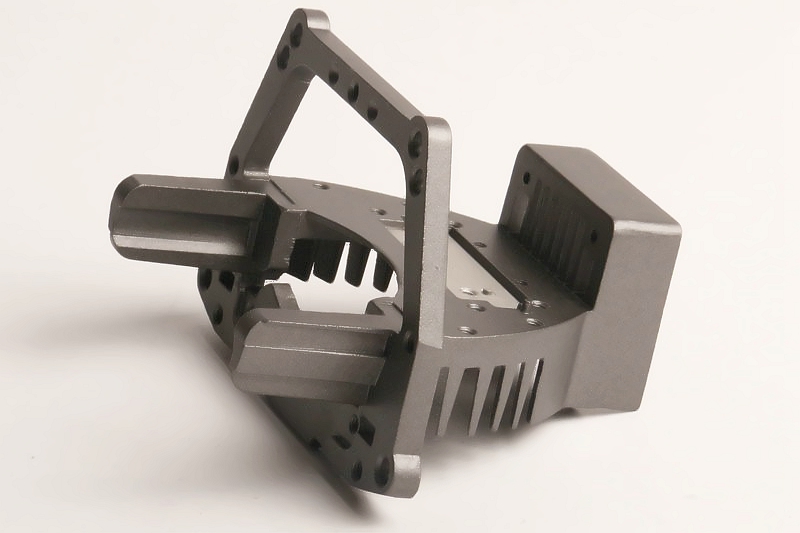
Cast aluminum sand casting benefits from alloy selection when the buyer needs lower part weight, machinability, corrosion behavior, and manageable casting performance. Aluminum casting grades can be selected around wall thickness, heat treatment, surface finish, and final machining requirements.
A356 sand casting may be considered when heat treatment and mechanical properties are important. Other aluminum casting grades may be considered for machinability, wear, or cost goals when the foundry confirms the sand casting route. The buyer should not transfer a die-casting alloy assumption into sand casting without supplier review.
Alloy technology enhances sand casting only when the buyer links the alloy grade to castability, section thickness, heat treatment, machining, finish, and inspection requirements. Aluminum RFQs should include wall thickness, weight target, machined datums, coating or anodizing-related expectations, and final inspection method.
How Do Gray Iron and Ductile Iron Developments Expand Sand Casting Options?
Cast iron sand casting benefits from controlled iron grades and better understanding of microstructure. Gray iron can support vibration damping, compressive strength, and machinability. Ductile iron can support improved toughness and impact behavior compared with gray iron when the application requires it.
Iron grade selection affects machine bases, pump bodies, housings, frames, pulleys, gear housings, and industrial equipment parts. The buyer should define whether the component needs damping, wear behavior, toughness, impact resistance, hardness, or dimensional stability.
The RFQ should state section thickness, load case, hardness, machined faces, vibration requirement, and inspection method. If the wrong iron type is selected, the part may either underperform or carry unnecessary material and processing burden.
How Do Steel and Stainless Alloy Choices Improve Sand-Cast Performance?
Steel and stainless alloy choices improve sand-cast performance when the part needs strength, toughness, temperature resistance, or corrosion resistance beyond aluminum or cast iron. Carbon steel and low-alloy steel may be used for load-bearing or impact-sensitive parts. Cast stainless steel sand casting may be used for corrosion exposure, cleanability, or selected heat-related environments.
The challenge is that steel and stainless steel can be more demanding in sand casting. Higher pouring temperatures, shrinkage, cracking risk, machining difficulty, heat treatment, and inspection burden may increase. Alloy advancement does not remove these issues; it helps the supplier choose a grade and process window that fit the application.
Buyers should provide load case, corrosion medium, temperature, impact requirement, heat treatment, machining allowance, NDT, and material certification needs. For pressure-containing or safety-related parts, final acceptance criteria should be defined before quotation.
How Do Copper Alloy Improvements Affect Sand Casting Applications?
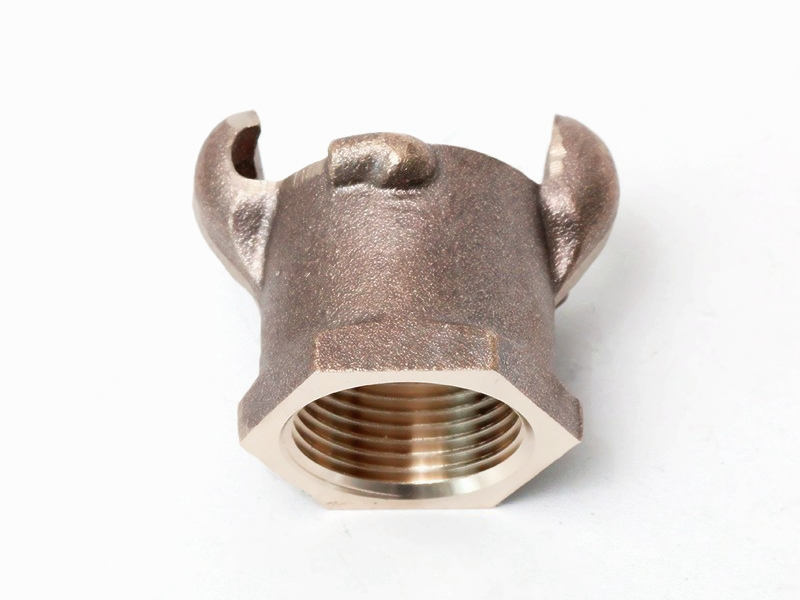
Copper alloy sand casting supports applications where conductivity, wear behavior, corrosion resistance, or bearing-like properties are important. Copper alloy choices may be relevant for bushings, pump components, valve parts, marine hardware, electrical parts, thermal components, and industrial wear surfaces.
The main buyer decision is whether copper alloy properties justify the density, material cost, and casting complexity. If the part does not need conductivity, corrosion behavior, or wear performance, aluminum, iron, steel, or stainless steel may be more practical.
RFQs should define conductivity, thermal path, mating material, wear surface, lubrication condition, corrosion exposure, machining allowance, and surface finish. The supplier can then identify whether a copper alloy sand casting route is appropriate.
How Do Heat Treatment and Alloy Control Improve Final Properties?
Heat treatment and alloy control can improve final properties when the material responds to controlled heating and cooling. Aluminum, steel, ductile iron, and some stainless grades may use heat treatment for strength, hardness, stress relief, or dimensional stability depending on the specification.
Heat treatment should not be added without a performance reason. It can change dimensions, affect machining sequence, and add inspection needs. If final tolerance is important, the supplier and buyer should decide whether machining occurs before or after heat treatment.
The RFQ should specify required mechanical properties, hardness, heat-treatment condition, dimensional stability concerns, and inspection method. This prevents a mismatch between alloy capability and final part requirements.
How Can Alloy Technology Reduce Defect Risk in Sand Casting?
Alloy technology can reduce defect risk when the selected material has better fit with the mold design, wall thickness, and pouring route. Improved alloy selection can help manage shrinkage, hot tearing, porosity, inclusions, and machining issues, but defect prevention also depends on mold design, gating, risering, sand composition, melt handling, and inspection.
Sand casting defect prevention should be discussed when the part includes pressure boundaries, thin walls, heavy bosses, internal passages, or surfaces that will be machined after casting. The alloy choice should support the geometry rather than fight it.
Buyers should provide drawings with wall thickness, critical zones, machined datums, pressure requirements, and NDT needs. The supplier can then evaluate whether alloy choice, gating, risering, or design adjustment is the best way to reduce defect risk.
What Should Buyers Include When Asking About Advanced Sand Casting Alloys?
Buyers should include CAD data, 2D drawings, preferred alloy or allowed alternatives, application environment, part size, wall thickness, load case, temperature, corrosion medium, wear condition, machining allowance, heat treatment, surface finish, inspection method, annual volume, and documentation requirements.
Buyers should also ask why an advanced alloy is needed. If the answer is strength, corrosion, heat, weight, conductivity, wear, or durability, that requirement should be stated directly. If the requirement is not clear, a simpler material may be easier to cast, machine, finish, and inspect.
The strongest use of alloy technology is targeted: select the alloy that improves a real performance requirement while keeping sand casting manufacturable and inspectable.
Related FAQs
How does material selection impact the performance of sand-cast products?
Which industries benefit most from the material versatility of sand casting?
What challenges arise when choosing different metals for sand casting?
What defects occur in sand castings and how can foundries prevent them?
What is the type and composition of the sand in sand casting?