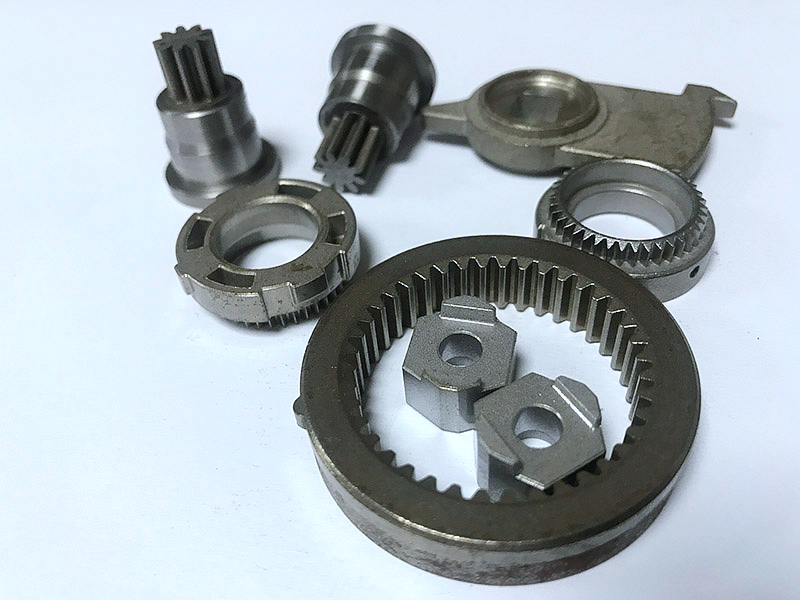
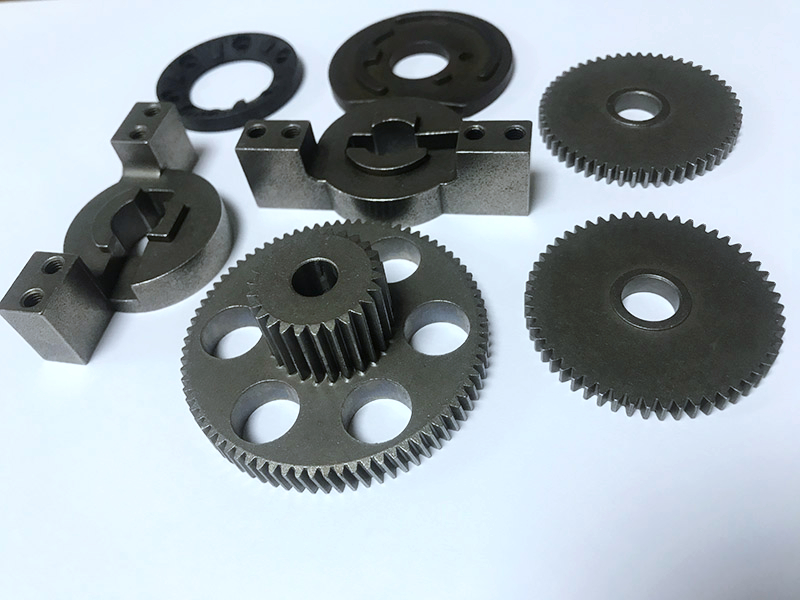
Embracing Versatility: Exploring PCM's Wide Range of Material Capabilities
PCM Material Capability RFQ Decision: Powder Compression Molding, also called powder pressing molding or PCM, can support a range of powder-based materials when the buyer defines part function, material properties, compaction behavior, sintering requirements, secondary operations, and inspection criteria. This article explains how powder pressing molding applies to stainless steel, low-alloy steel, tool steel, magnetic alloys, silicon carbide, boron carbide, and other material systems that fit pressing and sintering. The practical RFQ problem is choosing a powder material that can meet strength, wear, magnetic, thermal, corrosion, or ceramic performance requirements without creating avoidable tooling, sintering, or post-processing risk.
PCM material versatility should not mean every material is suitable for every part. Powder flow, compressibility, green strength, sintering behavior, density target, heat treatment, and final inspection all decide whether a material is practical for the specific geometry. Buyers should define the property target first and then review the material-process route.
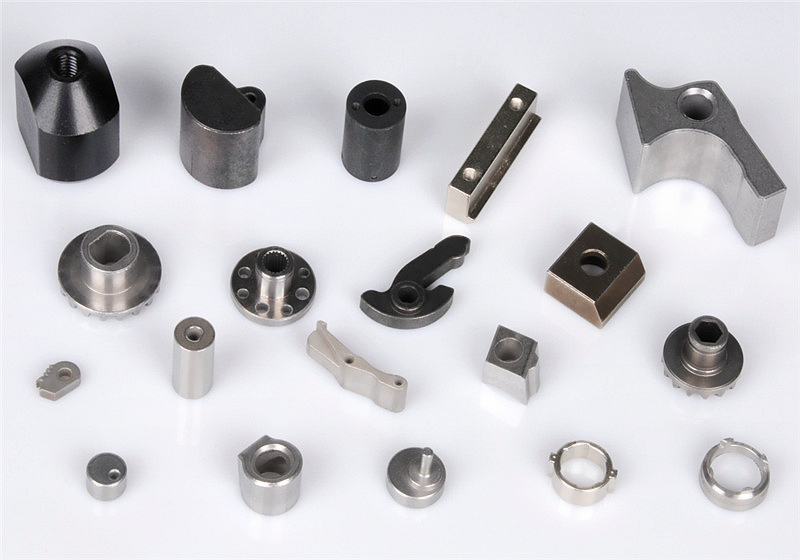
Which Materials Can Buyers Consider for PCM?
Buyers can consider PCM when the required material is available as a powder system that can be compacted, handled, sintered, and inspected. Common PCM material groups include stainless steels, low-alloy steels, tool steels, magnetic alloys, silicon carbide, boron carbide, and selected powder-based composites when the material route is confirmed for the part design.
The engineering reason is that PCM depends on powder behavior. A material must fill the tool, compact to a stable green part, survive handling, and sinter into a usable final component. The final part may also require sizing, machining, heat treatment, impregnation, coating, or finishing.
The RFQ should describe the function instead of naming a material only by habit. Wear parts, magnetic components, corrosion-resistant parts, ceramic parts, and load-bearing powder metal parts each require different material choices and inspection plans.
How Do Metal Powders Affect PCM Part Performance?
Metal powders affect strength, density, wear behavior, corrosion resistance, magnetic behavior, and heat treatment response. Stainless steel powder pressing may be reviewed for corrosion-resistant components. Low-alloy steel powder pressing and tool steel powder pressing may be reviewed when strength, wear, or heat treatment matters.
Magnetic alloy powder pressing should be reviewed around magnetic property targets, density, heat exposure, and finishing requirements. For each metal powder system, the buyer should define the required property, not only the alloy family.
The RFQ implication is that material grade, density target, heat treatment, surface finish, and inspection method should be included early. A powder metal part that needs a bearing surface, gear tooth, shaft interface, or magnetic function may require secondary operations and specific test evidence.
When Are Ceramic Powders Suitable for Powder Pressing?
Ceramic powders can be suitable for PCM when the geometry supports pressing, the ceramic material can be compacted, and the final part requirements fit sintering and finishing. Silicon carbide powder pressing and boron carbide powder pressing are examples of ceramic powder routes that require material-specific review.
Ceramic powder pressing is usually more suitable for shapes that align with the press direction and do not require complex undercuts. Complex ceramic features may need ceramic injection molding or post-sintering machining instead. Buyers should compare ceramic powder pressing with CIM when the part has fine molded details.
The RFQ should state whether the ceramic part needs wear resistance, thermal behavior, chemical resistance, insulation, density, flatness, surface finish, or a specific finished geometry. Those requirements affect both material choice and process choice.
How Do Powder Properties, Compaction, and Sintering Limit Material Choice?
Powder properties, compaction, and sintering limit material choice because the selected powder must work through the complete process. Particle size distribution, powder flow, lubricant or binder system, compaction pressure, green strength, sintering temperature, shrinkage, density, and distortion risk can all affect the final part.
A material that looks suitable on a datasheet may still be difficult for a specific geometry. Thin sections, tall features, sharp transitions, deep profiles, and complex side features can cause filling, ejection, density, or sintering problems. Secondary machining can improve selected surfaces, but it also changes cost and inspection requirements.
Buyers should ask for a material-process review before approving a powder material. The supplier should connect the powder system, tool design, sintering behavior, and inspection method to the buyer's functional requirement.
What RFQ Data Helps Select PCM Materials?
Good PCM material selection requires clear RFQ data. The supplier needs the part function, geometry, material target, operating environment, production demand, secondary operations, and inspection expectations.
PCM Material Decision | Buyer Question | RFQ Detail Needed | Inspection or Validation Evidence |
|---|---|---|---|
Metal powder selection | Does the part need strength, corrosion resistance, wear resistance, or magnetic behavior? | Alloy target, density requirement, load direction, heat treatment, surface finish, and mating part. | Material datasheet review, hardness check if required, dimensional report, and functional test if specified. |
Ceramic powder selection | Does the part need wear, thermal, chemical, or insulation performance? | Ceramic material target, operating environment, flatness, surface finish, and post-processing need. | Material property review, visual inspection, surface check, and functional test if specified. |
Compaction feasibility | Can the powder fill, compact, eject, and sinter into the required geometry? | 3D CAD model, pressing direction, wall thickness, side features, holes, and critical dimensions. | DFM review, tool review, sample inspection, and density or dimensional checks if required. |
Secondary operations | Which features need sizing, machining, heat treatment, impregnation, coating, or finishing? | Final-state drawing, datum surfaces, bores, threads, wear surfaces, and inspection plan. | CMM report, gauge check, surface finish report, heat treatment record, or sample approval. |
When Should Buyers Compare PCM With MIM, CIM, or Machining?
Buyers should compare PCM with MIM, CIM, or machining when the part geometry or property target does not fit a simple pressing direction. PCM can be efficient for suitable pressed shapes, while MIM and CIM may be better for small complex features, undercuts, or integrated details that are difficult to press.
Machining may be better for low-volume parts, frequent revisions, or features that all require tight local control. Powder pressing may be better when the part has repeated demand and a geometry that compacts well. The process decision should compare finished-part cost, material performance, and inspection evidence.
The buyer should provide the current manufacturing route if one exists. That helps the supplier identify whether PCM can reduce waste, machining, or material cost, or whether another process is more practical.
What Neway Precision Reviews for PCM Material Capability
Neway Precision reviews PCM material RFQs by checking powder material, part function, pressing direction, tool fill, compaction behavior, green strength, sintering behavior, density requirement, heat treatment, corrosion requirement, wear requirement, magnetic property requirement, secondary operations, and inspection criteria.
A complete RFQ should include the 3D model, 2D drawing, target material or property requirement, operating environment, load condition, mating parts, expected production quantity, surface finish, post-processing, heat treatment, density or porosity requirement if any, and inspection report expectations. Clear RFQ data helps determine whether PCM can support the requested material capability or whether another powder or machining route should be quoted.
Related FAQs
What Are The Common Powder Compression Molding Materials And Examples?
Which Stainless Steel Grades Are Commonly Used In OEM Metal Injection Molding Services?
Why Are Stainless Steel Parts A Good Fit For Metal Injection Molding?
Why Are MIM Metal Powders More Expensive Than Common Bulk Metal Materials?
What Material And Heat Treatment Requirements Apply To Gears In High-Load Tools?