Scaling Production Efficiently: The High-Volume Advantage of Powder Compression Molding Service
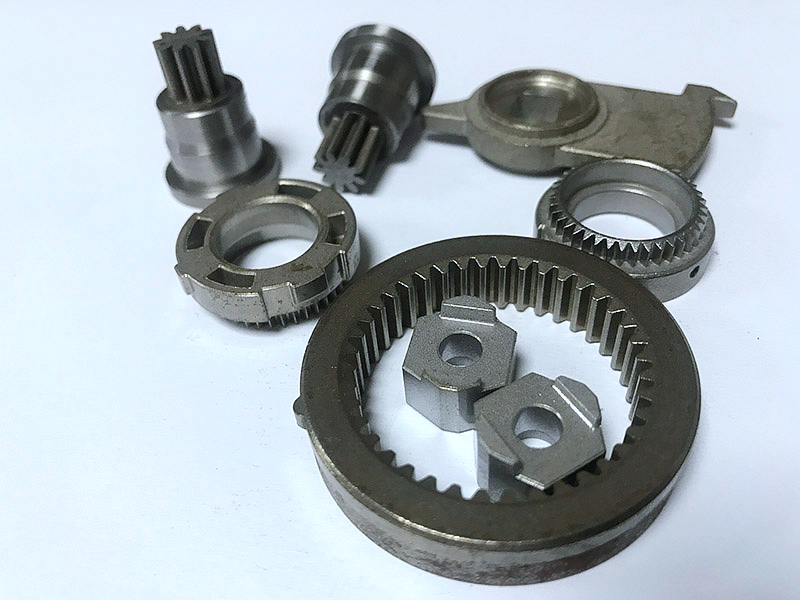
PCM High Volume Production RFQ Decision: Powder Compression Molding, also called powder pressing molding or PCM, can support high-volume production when the part geometry, powder material, tooling, compaction direction, sintering process, secondary operations, and inspection plan are stable. This article explains how powder pressing molding affects scaling decisions for sintered gears, bushings, spacers, magnetic parts, wear components, structural powder metal parts, and ceramic powder parts. The practical RFQ problem is deciding whether PCM can deliver repeatable parts at production volume without creating avoidable tooling, yield, machining, or inspection risk.
High-volume PCM is not only a capacity question. Buyers should confirm whether the design is mature, the powder material is suitable, the pressing direction is feasible, and the sintered part can meet final acceptance criteria. A good production decision connects tooling, powder control, sintering, post-processing, and inspection.
When Is PCM Suitable for High-Volume Production?
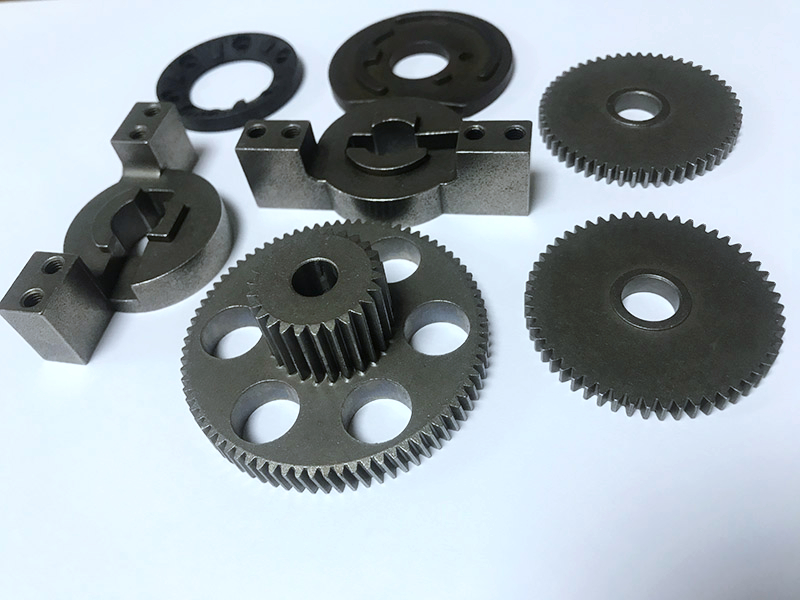
PCM is suitable for high-volume production when the part can be compacted consistently and the design is stable enough for production tooling. The best candidates often have repeatable geometry, a clear pressing direction, powder materials that sinter predictably, and limited secondary machining.
The engineering reason is that PCM uses tooling to compact powder into a green part before sintering. Once the tool and process are approved, repeated pressing can produce consistent part forms. However, density variation, ejection stress, sintering shrinkage, and post-processing still need control.
The RFQ implication is that buyers should state the expected production stage and demand. Prototype quantities, pilot quantities, and high-volume production quantities may require different tooling, inspection, and validation plans.
What Makes Powder Pressing Repeatable Across Production Runs?
Repeatability comes from stable powder material, controlled tool fill, consistent compaction, predictable green strength, controlled sintering, and defined inspection. A stable drawing alone does not ensure high-volume consistency unless the process controls match the part requirements.
Important variables include powder lot, particle distribution, lubricant or binder system, tooling wear, compaction pressure, ejection, furnace loading, sintering profile, sizing, machining, heat treatment, and surface finishing. Each variable can affect dimensions, density, strength, wear behavior, magnetic behavior, or surface condition.
Buyers should request a production control plan only for the features that matter. Critical bores, gear teeth, bearing surfaces, magnetic areas, flat faces, and assembled datums may need different checks from noncritical surfaces.
How Do Tooling and Compaction Control Unit Cost?
Tooling and compaction control unit cost by determining how efficiently powder becomes a usable green part. If the part presses cleanly, ejects reliably, and sinters predictably, PCM can reduce machining and handling cost over repeated production. If the part needs heavy rework, the unit cost advantage can disappear.
Tooling cost should be reviewed against production demand and design maturity. A stable design with repeat production can spread tooling and validation effort across more parts. A changing design may need prototype work or lower-commitment tooling before production approval.
The RFQ should include the expected quantity, revision status, target production duration, current process route if available, and the buyer's cost driver. This helps decide whether PCM tooling is justified for the production stage.
Which Quality Controls Matter for High-Volume PCM?
Quality controls should focus on the features that control function. Dimensional checks, density checks, hardness checks, visual inspection, surface finish checks, magnetic property checks, heat treatment review, and functional fit tests may be relevant depending on the part.
High-volume inspection should define the accepted state of the part. Some parts are accepted as-sintered. Others are accepted after sizing, machining, heat treatment, impregnation, coating, or finishing. The drawing and inspection plan should identify the final state.
The supplier should connect inspection evidence to the buyer's requirement. A CMM report supports dimensional control. A hardness check supports heat treatment review. A magnetic property check supports magnetic material function. A visual inspection supports surface defects but does not replace functional validation when the application requires it.
What RFQ Data Is Needed Before Scaling PCM?
Before scaling PCM, buyers should provide enough data to review geometry, powder material, production demand, and quality risk. Missing data can lead to an attractive quote that does not cover the finished part.
High-Volume PCM Factor | Why It Matters | RFQ Detail Needed | Production Evidence |
|---|---|---|---|
Design maturity | Production tooling depends on stable geometry and clear drawing requirements. | 3D model, 2D drawing, revision status, critical dimensions, and assembly interfaces. | DFM review, tool review, sample approval, and revision control. |
Powder material | Material affects compaction, sintering, density, heat treatment, and final performance. | Material grade or property target, density requirement, wear need, magnetic need, and heat exposure. | Material review, sample inspection, density or hardness check if required, and lot control. |
Production demand | Volume affects tooling choice, process validation, sampling, and finished-part cost. | Prototype quantity, pilot quantity, annual demand, expected production duration, and packaging needs. | Sample plan, production inspection records, packaging approval, and lot records if required. |
Finished-part acceptance | Secondary operations can change cost, dimensions, and inspection timing. | Final-state drawing, sizing, machining, heat treatment, coating, surface finish, and test requirements. | CMM report, gauge check, surface report, functional test, or heat treatment record. |
When Should Buyers Avoid High-Volume PCM?
Buyers should avoid high-volume PCM when the design is not stable, the part geometry cannot compact well, the material does not sinter predictably, or most critical surfaces require extensive post-sintering machining. In those cases, prototype machining, MIM, casting, stamping, or another route may reduce risk.
High-volume production should not begin until the buyer and supplier agree on sample acceptance, inspection criteria, and the final-state drawing. If the buyer expects frequent revisions, production tooling may be premature. If the part has complex undercuts or side features, MIM may be a better powder-based process.
Buyers can review PCM cost-effective manufacturing and PCM material capabilities before committing to scaling.
What Neway Precision Reviews for High-Volume PCM Production
Neway Precision reviews high-volume PCM RFQs by checking powder material, part geometry, pressing direction, tooling strategy, powder fill, compaction, green part handling, sintering, shrinkage, density, sizing, machining, heat treatment, finishing, inspection criteria, packaging, and production quantity.
A complete RFQ should include the 3D model, 2D drawing, material grade or property target, expected production demand, pilot quantity, critical dimensions, final-state requirements, secondary operations, testing requirements, inspection reports, packaging needs, and current production challenge. Clear RFQ data helps determine whether PCM is suitable for high-volume production or whether another process should be quoted.
Related FAQs
What Are The Common Powder Compression Molding Materials And Examples?
How Does Production Volume Affect The Unit Cost Of Metal Injection Molded Parts?
Why Are Custom Metal Injection Molding Services Suitable For High-Volume Production?
How Can Custom MIM Services Maintain Part Consistency Across Large Production Runs?
Is Rapid Injection Molding Suitable For High-Volume Production?