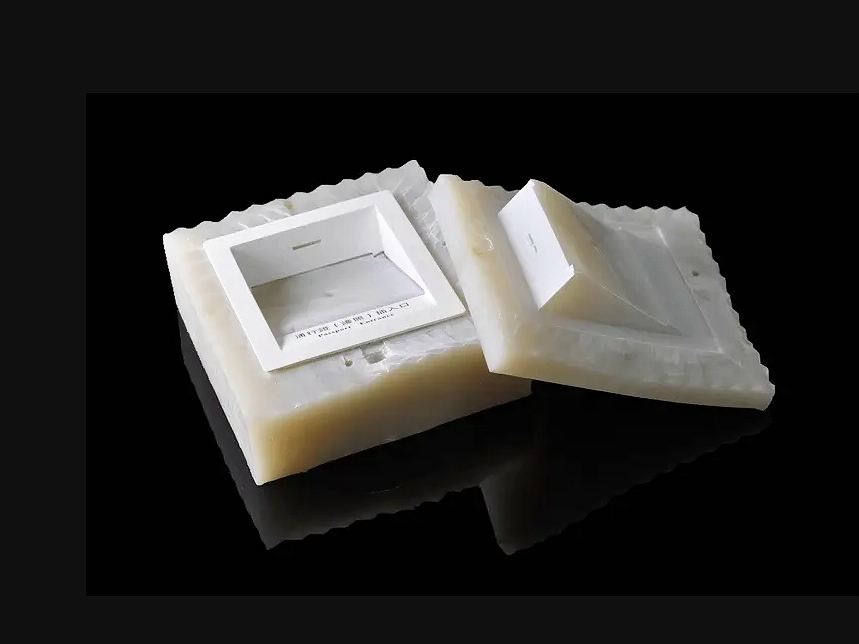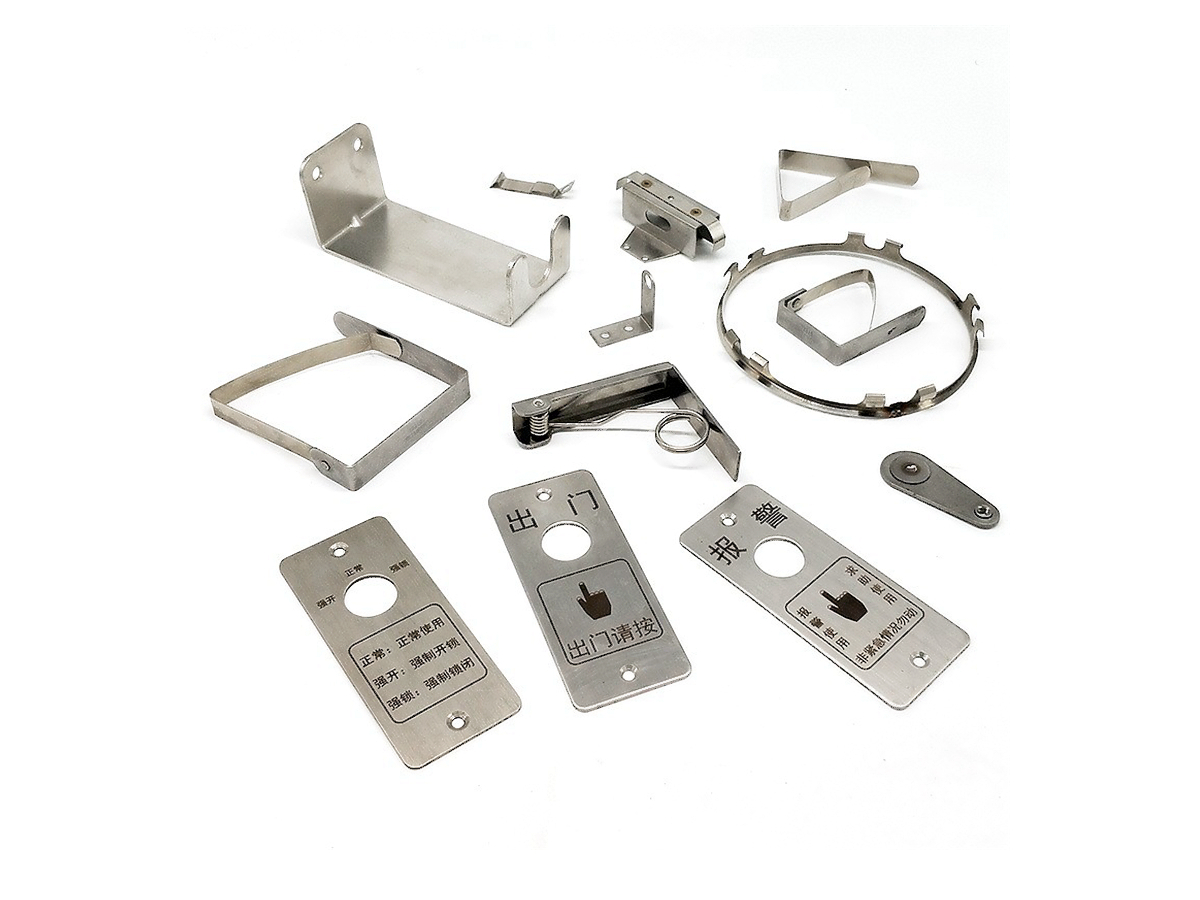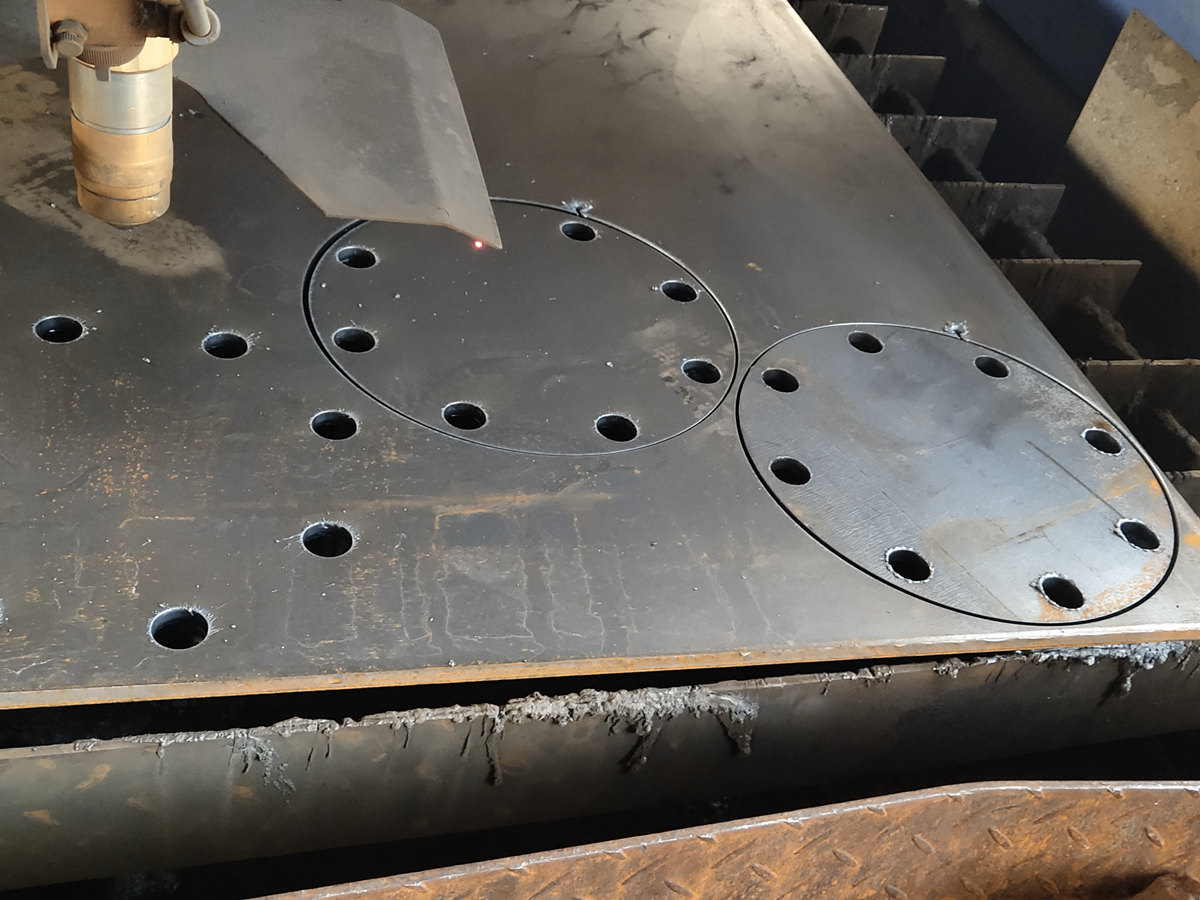
Shorter Lead Times: Enhancing Market Responsiveness with Rapid Molding
Rapid Molding Lead Time RFQ Decision: This article explains how buyers can use rapid molding prototyping to shorten development loops for plastic housings, covers, clips, brackets, knobs, connectors, enclosures, and molded functional prototypes. The practical RFQ problem is defining resin, part geometry, tool scope, surface finish, quantity range, inspection method, and validation requirements so the supplier can choose a rapid molding route without guessing the buyer's schedule risk.
Rapid molding can improve market responsiveness when the design is mature enough for molded samples but the project still needs faster feedback than a full production tooling program may allow. Buyers should treat lead time as an engineering outcome. Material approval, tool design, gate location, wall thickness, surface texture, inspection records, and design-change control all affect how quickly molded parts can move from quotation to validation.
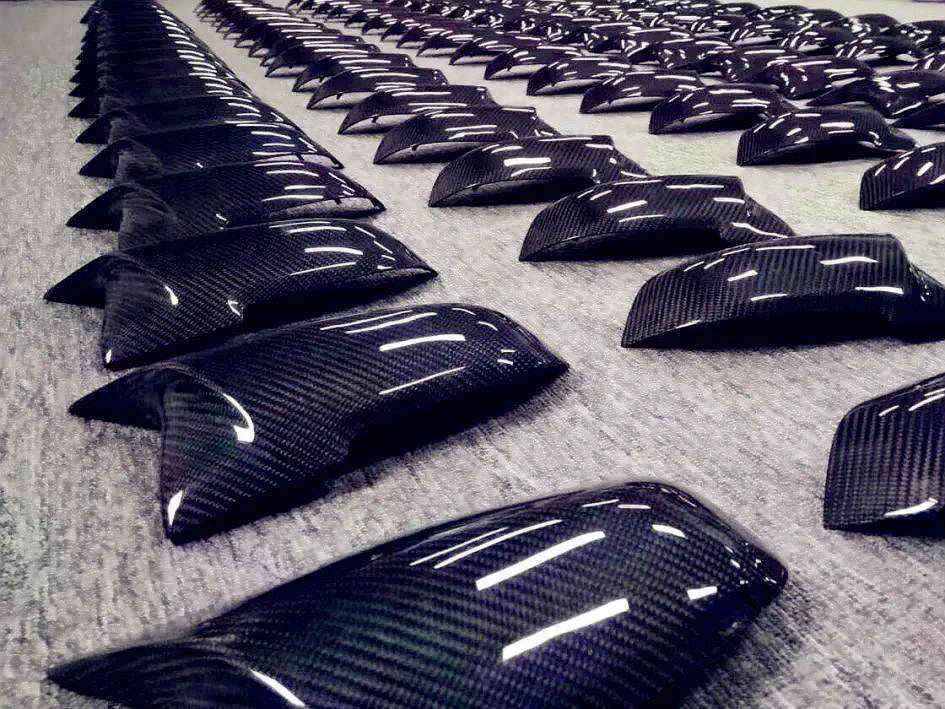
When Does Rapid Molding Shorten Product Development Lead Time?
Rapid molding shortens product development lead time when buyers need molded parts for design validation, functional testing, customer review, or bridge production before committing to a full production mold strategy. It is most useful when the part needs molded material behavior, molded surface condition, or molded assembly performance rather than only a printed or machined prototype.
The buyer decision should start with prototype purpose. A 3D printed part may be enough for early fit review. A CNC machined plastic part may help check machined interfaces. Rapid molding becomes more relevant when the project needs actual molded resin flow, gate vestige review, parting line review, sink risk review, clip behavior, or assembly feedback from molded samples.
Buyers can compare rapid molding with broader plastic injection molding when deciding whether the project needs rapid tooling, production tooling, or another prototype route.
Which RFQ Details Help A Supplier Plan Rapid Molding?
The RFQ details that help most are the details that define tool scope and validation purpose. A supplier needs the 3D model, 2D drawing, resin grade, part quantity, revision status, cosmetic surfaces, functional surfaces, critical dimensions, tolerance intent, surface texture, color requirement, insert needs, and inspection records.
If the buyer expects design changes after the first molded sample, the RFQ should say so. Rapid tooling can support faster feedback, but uncontrolled design changes can still add schedule risk. The supplier needs to know whether the tool is for one validation loop, several engineering changes, or bridge production.
Rapid Molding RFQ Entity | Lead Time Impact | Buyer Detail To Provide |
|---|---|---|
Resin grade | Affects material availability, shrinkage, and molding conditions | Approved resin, substitute rules, color, and performance need |
Tool scope | Controls mold design effort, inserts, and expected tool life | Prototype, validation, bridge, or production-intent use |
Critical features | Controls inspection and design review priority | Mating faces, clip features, bosses, holes, threads, and datum scheme |
Surface finish | Affects tool finish, texture, visible defects, and acceptance timing | Cosmetic faces, texture expectations, and acceptable gate or parting marks |
How Do Resin And Material Decisions Affect Rapid Molding Timing?
Resin and material decisions affect timing because molded part behavior depends on shrinkage, flow, stiffness, heat resistance, impact behavior, surface appearance, and availability. Materials such as ABS, PC, POM, PP, and other engineering plastics may require different tool design, gate planning, cooling expectations, and validation checks.
The RFQ should name the resin grade if the material is fixed. If the material can be substituted, the buyer should state which properties are required, such as impact strength, dimensional stability, chemical resistance, heat exposure, color, transparency, or wear behavior. Material uncertainty can slow quotation and may delay validation if the final resin is selected late.
Relevant material pages include ABS for rapid molding, polycarbonate for rapid molding, POM for rapid molding, and PP polypropylene for rapid molding.
Which Design Features Can Delay Rapid Molding?
Design features can delay rapid molding when the part geometry conflicts with mold flow, ejection, cooling, draft, wall thickness, undercuts, ribs, bosses, clips, or surface appearance. Rapid molding is faster when the design already follows injection molding principles and the supplier can focus on tool execution rather than repeated design correction.
Buyers should review wall thickness, draft angle, rib thickness, boss support, snap-fit geometry, parting line, gate location, ejector marks, undercuts, insert placement, and cosmetic faces before RFQ. If a feature is flexible, the RFQ should allow design-for-manufacturing feedback before the tool route is fixed.
Some features may still be possible but may need slides, lifters, inserts, secondary machining, or design adjustment. The buyer should decide whether the feature is functional, cosmetic, or optional before asking the supplier to protect schedule.
How Should Buyers Plan Validation For Rapid Molded Parts?
Buyers should plan validation before tooling starts because inspection and testing can become the real schedule driver. Validation may include visual inspection, dimensional inspection, material confirmation, assembly fit, clip testing, thread or insert checks, surface review, color review, functional tests, and first article inspection.
The RFQ should state which records are required and which tests are buyer-side responsibilities. For example, the supplier may inspect critical dimensions, while the buyer may run product-level functional tests. If the buyer needs molded samples for regulatory, environmental, or customer validation, the acceptance criteria should be defined by the buyer before molding begins.
Rapid molding supports faster decisions only when the first molded samples answer the right engineering questions. If the required test is unclear, the project may lose time even if the mold and parts are produced quickly.
How Does Rapid Molding Compare With 3D Printing And CNC Prototypes?
Rapid molding should be compared with 3D printing and CNC machining by the question the prototype must answer. 3D printing can support early form, fit, and complex geometry review. CNC machining can support tight machined features and material removal from stock. Rapid molding can support molded resin behavior, parting line review, gate vestige review, texture review, and short-run molded samples.
If the buyer needs a few early visual samples, 3D printing may be more practical. If the buyer needs molded clip behavior or production-intent resin flow, rapid molding may be more relevant. If the buyer needs tight machined datum surfaces, CNC machining may still be required for selected features.
For wider prototype route comparison, buyers can review prototype manufacturing with CNC machining, 3D printing, casting, or rapid tooling.
Which Lead Time Risks Should Be Resolved Before Tooling?
Lead time risks should be resolved before tooling because rapid molding relies on stable inputs. Common risks include late resin selection, incomplete drawings, missing draft, unclear cosmetic faces, unapproved texture, undercuts without tool strategy, undefined inspection records, and uncertain sample quantity.
Buyers should decide which risks are acceptable for the project stage. A quick validation tool may accept limited polish or restricted tool life. A bridge tool may need more robust material, inspection, and repeatability planning. The RFQ should state the target use so the supplier can align tool construction with the project need.
Rapid Molding Lead Time Risk | Manufacturing Impact | Buyer RFQ Action |
|---|---|---|
Late resin selection | Can change shrinkage, molding condition, and validation results | State approved resin or allowed substitute rules |
Missing mold design details | Can delay tool review for parting line, gate, draft, and ejection | Share CAD model, drawing, cosmetic faces, and functional features |
Unclear inspection scope | Can delay sample approval after molded parts are available | Define critical dimensions, records, and buyer-side tests |
Uncontrolled design changes | Can require tool modification or new sampling | State revision maturity and expected engineering change process |
What Should A Rapid Molding Lead Time RFQ Include?
A rapid molding lead time RFQ should include the 3D model, 2D drawing, resin grade, color, part quantity, production stage, tool purpose, revision status, critical dimensions, cosmetic surfaces, surface texture, gate and parting-line concerns, insert requirements, inspection records, validation plan, packaging needs, and expected design-change process.
Buyers should explain whether the priority is fast design validation, customer samples, functional testing, bridge production, or production-intent review. That priority helps the supplier decide how much tool detail, inspection planning, and secondary operation control the project needs.
Rapid molding improves responsiveness when the buyer connects schedule needs to material, tool design, molded part function, and validation criteria. A complete RFQ helps protect lead time without hiding the engineering decisions that control molded part quality.
Related FAQs
What is rapid molding and how does it differ from traditional molding processes?
What are the benefits of rapid molding service for product development?
What are the typical tolerances achievable in rapid injection molding?
What design features should be avoided in rapid injection molding?
What are the cost benefits of rapid molding compared to traditional methods?