Streamlining Success: Enhancing Efficiency in Custom Metal Bending Operations
Custom Metal Bending Efficiency RFQ Decision: This article explains how buyers can improve production efficiency when sourcing custom metal bending for brackets, enclosures, chassis parts, covers, clips, panels, formed supports, and mounting tabs. The practical RFQ problem is reducing setup time, bend-program changes, material handling errors, angle drift, springback rework, inspection delays, and downstream fabrication bottlenecks without weakening formed part requirements.
Efficient metal bending is not only a faster press brake cycle. A bend operation is efficient when the flat blank, material, bend sequence, tooling, operator setup, inspection method, and downstream route work together. Buyers help the supplier quote and plan efficiency when the RFQ provides finished drawings, flat patterns, material data, critical bend angles, and the manufacturing route after bending.
How Does Custom Metal Bending Improve Production Efficiency?
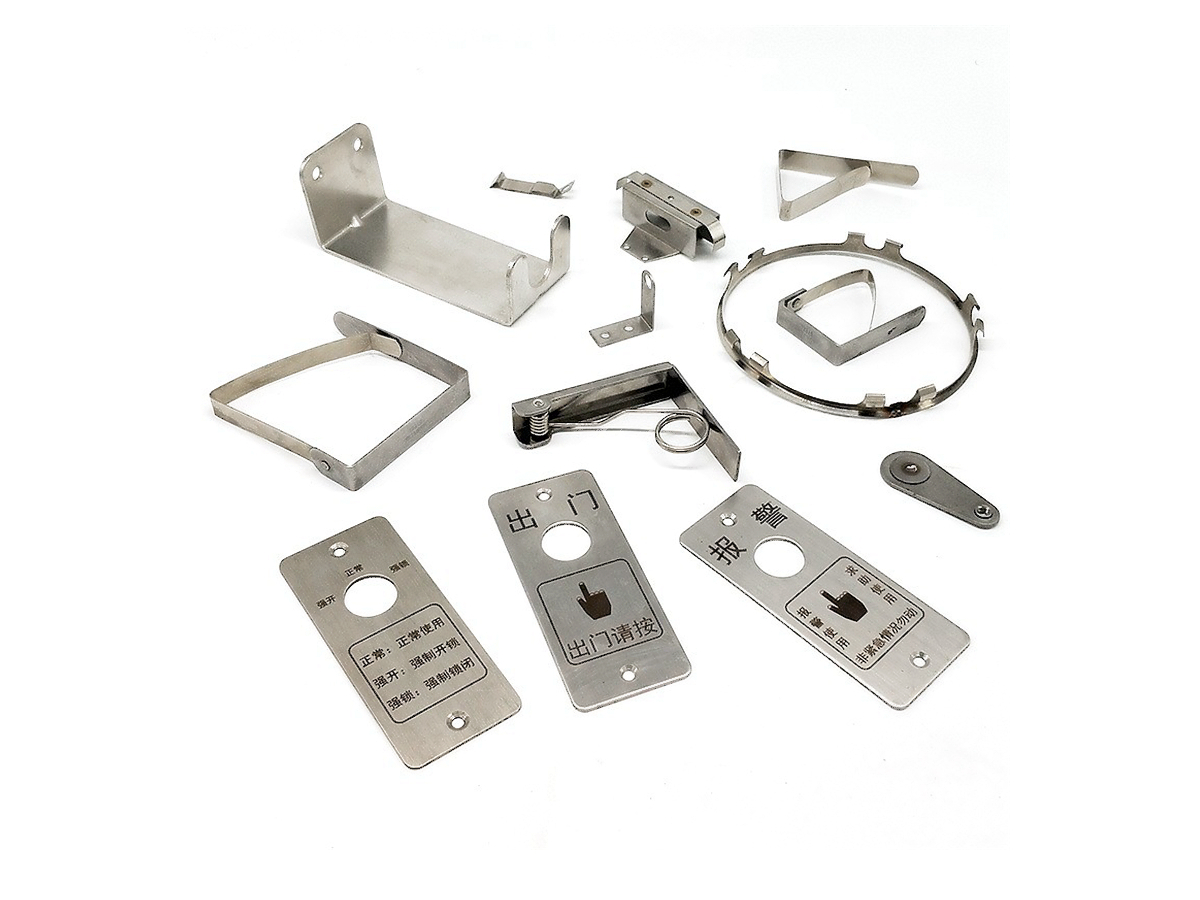
Custom metal bending improves production efficiency by converting flat sheet metal blanks into formed parts without dedicated forming dies for every design. CNC press brakes, bend programs, staged tooling, and controlled backgauge references help produce repeatable brackets, panels, covers, and enclosures. The efficiency benefit is strongest when the supplier can plan the bending route from accurate drawings and released flat patterns.
Efficiency should be measured through the whole manufacturing route. A part may bend quickly but still create delays if holes are too close to bend lines, bend relief is missing, or surface requirements are unclear. A supplier may need to slow a bend sequence to protect angle accuracy or cosmetic surfaces. That choice can still reduce total production time if it prevents rework.
Buyers should identify the priority: shorter setup time, fewer revision changes, stable angle control, lower rework risk, or smoother flow into welding, coating, or assembly. When the supplier understands the priority, custom metal bending can be planned around the actual production bottleneck.
Which RFQ Inputs Reduce Setup Time And Rework?
The RFQ inputs that reduce setup time and rework are material grade, sheet thickness, finished formed drawing, flat pattern, bend radius, critical bend angles, quantity by part number, visible side, downstream operations, and inspection criteria. Missing inputs usually create clarifications, trial bends, or late changes after the first formed parts are checked.
Buyers should provide both the flat blank and the formed model when possible. If the supplier must generate the flat pattern, the RFQ should say that the finished formed dimensions control acceptance. If the buyer owns the flat pattern, the RFQ should state whether the supplier may adjust bend allowance or K-factor for actual tooling. This distinction prevents mismatches between the drawing intent and the bending setup.
Efficiency RFQ Input | Bending Problem Prevented | Buyer Decision Before Quote |
|---|---|---|
Material grade and thickness | Wrong tooling, incorrect springback assumption, and trial rework | State exact grade, thickness, and any approved alternatives |
Flat pattern and formed drawing | Blank size mismatch and hole shift after bending | Define whether flat pattern or finished form controls acceptance |
Critical bend angles | Over-inspection of non-critical bends or missed assembly angles | Mark functional bends and datum surfaces |
Downstream operations | Fast bending followed by welding, coating, or assembly delay | State welding, coating, fastening, machining, and packaging needs |
How Do CNC Press Brakes And Bend Programs Control Repeatability?
CNC press brakes and bend programs control repeatability by storing bend sequence, backgauge positions, tooling selections, and bend parameters. Repeatability improves when the machine setup, operator instructions, material lot, and inspection method are controlled. The buyer still needs to define which dimensions matter because the press brake cannot decide which angles are critical for assembly.
Bend programming becomes more complex when the part has multiple flanges, short returns, deep channels, hems, offsets, or holes near bend lines. The supplier may need to review collision risk, tooling access, and sequence order. If the buyer shares the final application, the supplier can decide whether to protect a cosmetic face, control a datum flange, or adjust bend order to reduce handling marks.
Calibration and operator setup also affect repeatability. A calibrated machine and trained operator can still face part variation if the material behavior changes or if drawings conflict. The RFQ should support repeatability by providing clear documents and acceptance criteria, not only by requesting efficient bending.
How Do Material Grouping And Bend Sequencing Improve Flow?
Material grouping and bend sequencing improve flow by reducing setup changes, tooling swaps, and handling errors. If one order includes many brackets and panels in the same material and thickness, the supplier may group those parts to reduce press brake changeover. If the order includes several materials, the supplier may separate batches to avoid springback confusion and surface handling mistakes.
Efficient bending often starts before bending. Flat blanks from laser cutting should include bend relief, hole clearance from bend lines, and correct orientation. If blanks arrive with inconsistent revision control, the bending operation may stop even when the press brake has capacity.
Sequencing should also consider downstream sheet metal fabrication. Bending all parts quickly is not helpful if welded assemblies wait for missing mating parts or if coated parts are scratched by poor staging. Buyers should share assembly grouping and packaging expectations so production flow can be planned beyond the press brake.
Production Flow Entity | Efficiency Benefit | Risk If Undefined |
|---|---|---|
Material grouping | Reduces tooling and springback setup changes | Mixed lots, wrong angle compensation, and handling errors |
Bend sequence | Controls collision risk and cosmetic face handling | Rework from impossible sequence or damaged visible surfaces |
Part family batching | Improves assembly flow for related brackets and panels | Finished parts waiting for missing mating components |
Inspection checkpoint | Finds bend drift before a full batch is completed | Late discovery of angle error across many parts |
Which Defects Slow Metal Bending Operations?
Common defects that slow metal bending operations include incorrect bend angle, flange length error, springback variation, cracking at the bend line, tooling marks, hole distortion, collision damage, and surface scratches. These defects can lead to rework, scrap, inspection disputes, or delays in assembly.
Many defects are preventable when the RFQ defines material behavior and feature priorities. Springback can be planned when the material grade and critical angle are known. Cracking risk can be reviewed when alloy, temper, bend radius, and grain direction are specified. Hole distortion can be reduced when holes near bend lines are identified early. Tooling marks can be managed when visible faces are marked.
Buyers should avoid asking for faster bending while leaving defect acceptance undefined. A faster sequence that creates rework is not efficient. A practical bending plan may include first-article checks, operator instructions, staged tooling, and in-process angle checks for features that affect assembly.
How Should Buyers Inspect Efficient Metal Bending Production?
Inspection for efficient metal bending should focus on features that control fit, function, and rework risk. Typical checks include bend angle, flange length, hole position after bending, flatness, perpendicularity, bend radius, surface marks, and part identification. The inspection method should be stated in the RFQ if a fixture, assembly check, or datum-based measurement is required.
For production batches, buyers should consider inspection checkpoints instead of waiting until the entire batch is formed. A first-piece angle check can confirm bend program setup. In-process checks can catch material springback variation. Final inspection can verify part families and assembly-critical dimensions. This approach helps the supplier prevent large-batch rework.
Inspection should not create unnecessary bottlenecks. If a bend is not functional, it may not need the same inspection level as a datum flange. Clear feature priorities help the supplier inspect the right characteristics and keep production moving.
What Should An Efficiency-Focused Metal Bending RFQ Include?
An efficiency-focused metal bending RFQ should include CAD files, PDF drawings, material grade, sheet thickness, quantity by part number, flat pattern, formed drawing, bend radius, critical bend angles, visible face, downstream operations, packaging requirements, and inspection criteria. The RFQ should also state whether bend program optimization, batch grouping, or material alternatives may be reviewed.
If the buyer has a repeat order, the RFQ should include historical problem areas, assembly fit concerns, and revision changes from the prior batch. If the order is new, the RFQ should identify which features are fixed and which can be adjusted after manufacturability review. This gives the supplier room to improve efficiency without changing the intended function.
Efficient custom metal bending comes from clear engineering data, controlled bend programs, practical material grouping, trained setup, and targeted inspection. A good RFQ lets the supplier streamline the operation while preserving the buyer's formed part requirements.
Related FAQs
What is CNC metal bending and how does it improve efficiency?
How do automated metal bending solutions reduce production costs?
How does versatile material handling impact manufacturing efficiency?
How does proper operator training impact the accuracy of metal bending operations?
Why is regular equipment calibration crucial for precision metal bending?
What are the common defects in custom metal bending and their solutions?