Why is stainless steel popular in metal bending applications?
Stainless steel is popular in metal bending because it combines corrosion resistance, strength, clean surface appearance, and useful formability for sheet metal brackets, panels, guards, covers, enclosures, and equipment supports. For buyers requesting metal bending, the practical RFQ question is whether the stainless steel grade, thickness, bend radius, grain direction, surface finish, and springback allowance can support the required formed part.
Why is stainless steel popular in metal bending?
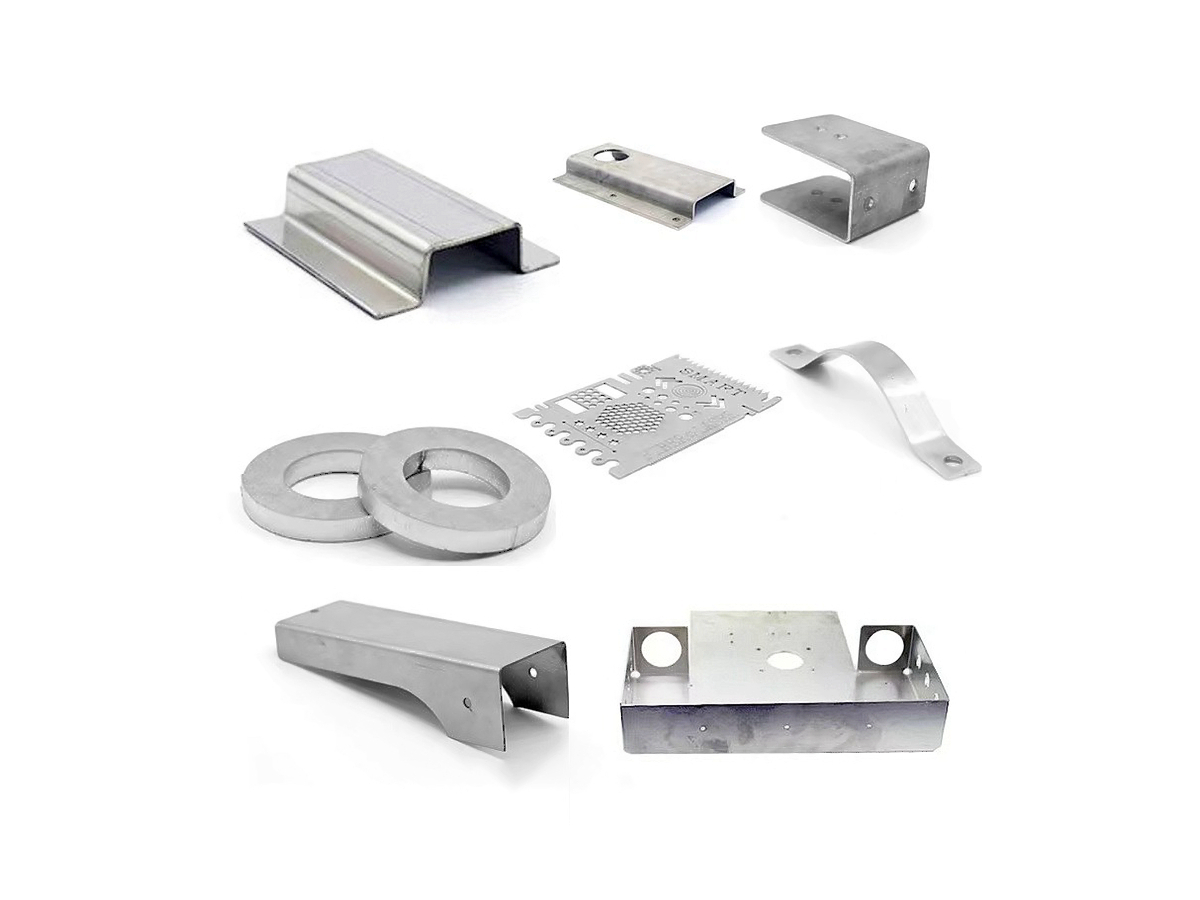
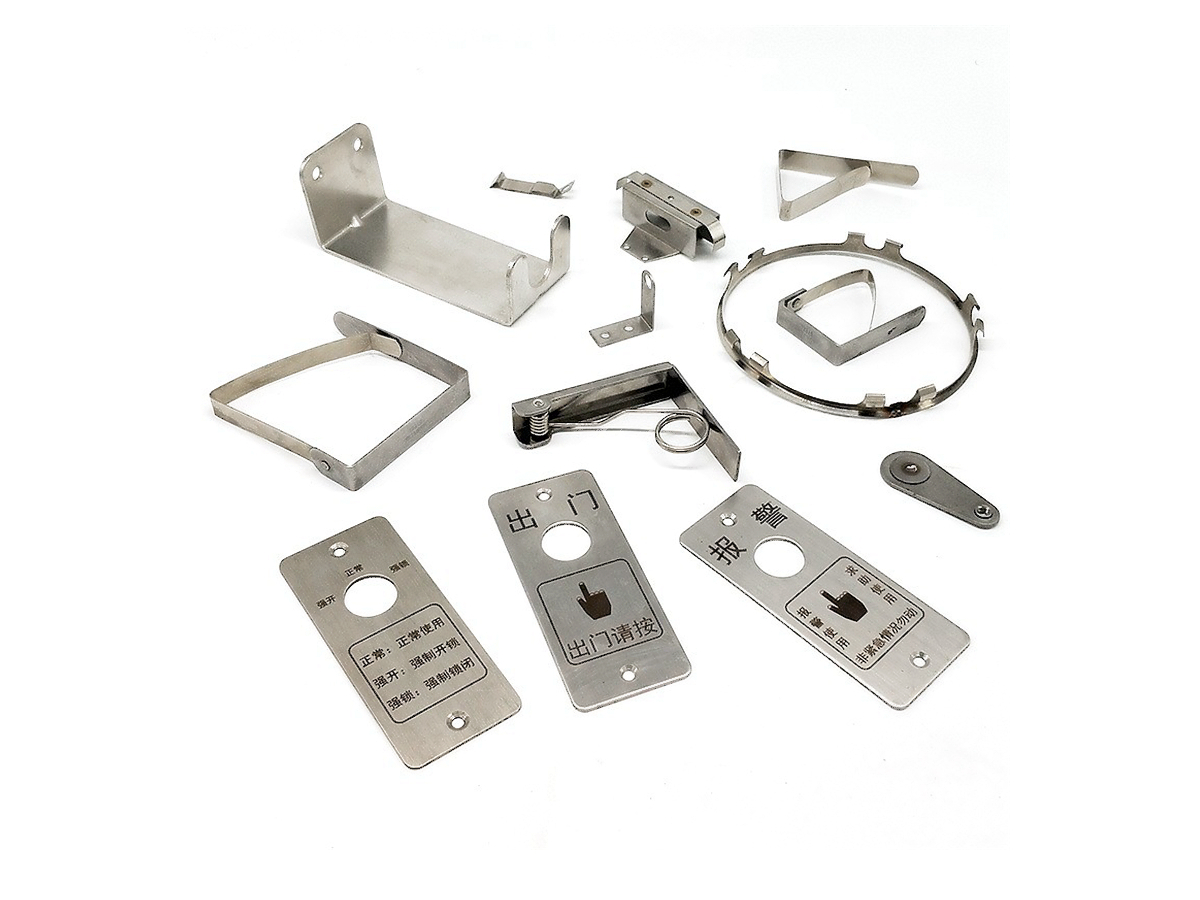
Stainless steel is popular because many formed parts need both mechanical strength and corrosion resistance. It is used for equipment covers, guards, medical equipment supports, food equipment panels, industrial brackets, enclosure parts, and structural sheet metal components where the material must keep a clean and durable surface.
Stainless steel is not automatically easy to bend. It can have higher springback, stronger forming force, and greater sensitivity to tool marks than low-carbon steel. The bend design should match the stainless grade, thickness, radius, and surface requirement.
Stainless steel bending factor | Why it matters | Part feature affected | RFQ detail to confirm |
|---|---|---|---|
Grade selection | Different stainless grades have different corrosion and forming behavior | Strength, corrosion resistance, springback | Grade, specification, application environment |
Thickness and bend radius | Controls forming force, cracking risk, and inside radius | Bend angle, flange length, outside bend surface | Thickness, inside radius, bend angle |
Springback behavior | Stainless steel can recover after forming more than mild steel | Final angle, assembly fit, flange alignment | Angle tolerance, inspection method, critical datums |
Surface finish | Visible stainless surfaces can show tool marks or scratches | Cosmetic covers, guards, panels | Visible face, protective film, tool mark limits |
Downstream finishing | Cleaning or finishing may be required after bending | Corrosion behavior, appearance, hygiene | Passivation, polishing, electropolishing, coating need |
What stainless steel properties help bending applications?
Stainless steel supports bending applications through corrosion resistance, useful strength, surface durability, and workable ductility when the grade and thickness are suitable. These properties make stainless steel attractive for guards, panels, enclosures, covers, and support parts that need clean surfaces and long-term service in industrial environments.
Buyers should connect these properties to the application. A visible equipment cover may need a different finish than a hidden internal bracket. A food or medical equipment support may need surface finish and cleaning requirements that are not needed for a rough industrial frame.
Why does springback matter in stainless steel bending?
Springback matters because stainless steel can recover after bending and change the final angle. Springback depends on grade, thickness, bend radius, tooling, grain direction, and part geometry. If springback is not planned, the formed part may miss angle or assembly fit requirements.
The RFQ should identify bend angles, angle tolerances, critical flanges, and assembly datums. If angle consistency is important, the supplier may plan compensation, test bends, or first-article inspection before running the full batch.
How do surface finish and tooling affect stainless bent parts?
Surface finish and tooling affect stainless bent parts because the material can show scratches, dents, and tool marks. Visible stainless parts may require protective film, clean tooling, controlled handling, or post-bend finishing.
Buyers should state the visible face, brush direction if relevant, tool mark limits, and any finishing process. Processes such as electropolishing, polishing, passivation, or powder coating should be included before quotation if they affect final acceptance.
Which stainless steel parts use metal bending?
Common stainless steel bent parts include machine guards, equipment covers, cabinet panels, brackets, clips, support frames, medical equipment components, food equipment panels, and corrosion-resistant enclosures. These parts often combine cutting, bending, fasteners, welding, and finishing.
A complete sheet metal fabrication route should define how the stainless blank is cut, deburred, bent, cleaned, welded, finished, and inspected. If the blank comes from laser cutting, hole position and bend references should support the final formed dimensions.
What stainless steel bending challenges should buyers check?
Buyers should check springback, cracking risk, tool marks, hole distortion, grain direction, bend radius, and surface contamination. Holes near bend lines and tight inside radii may create defects. Hardened or less ductile material conditions may require design changes or another route.
The supplier should review the formed geometry before production. If the drawing has tight flanges, closed shapes, multiple bends, or cosmetic surfaces, tooling access and bend sequence should be confirmed early.
What RFQ details help confirm stainless steel bending?
A strong RFQ should include stainless steel grade, thickness, material condition, CAD files, drawing revision, bend angle, inside bend radius, flange length, hole-to-bend distance, visible face, surface finish, tool mark limits, downstream welding or finishing, and inspection method. These details help the supplier confirm whether stainless steel bending is suitable for the part.
The best buyer decision is to quote stainless steel bending as a complete formed-part route. Material behavior, surface finish, tooling, bend sequence, and inspection should be reviewed together before production starts.
Related FAQs