How does proper operator training impact the accuracy of metal bending operations?
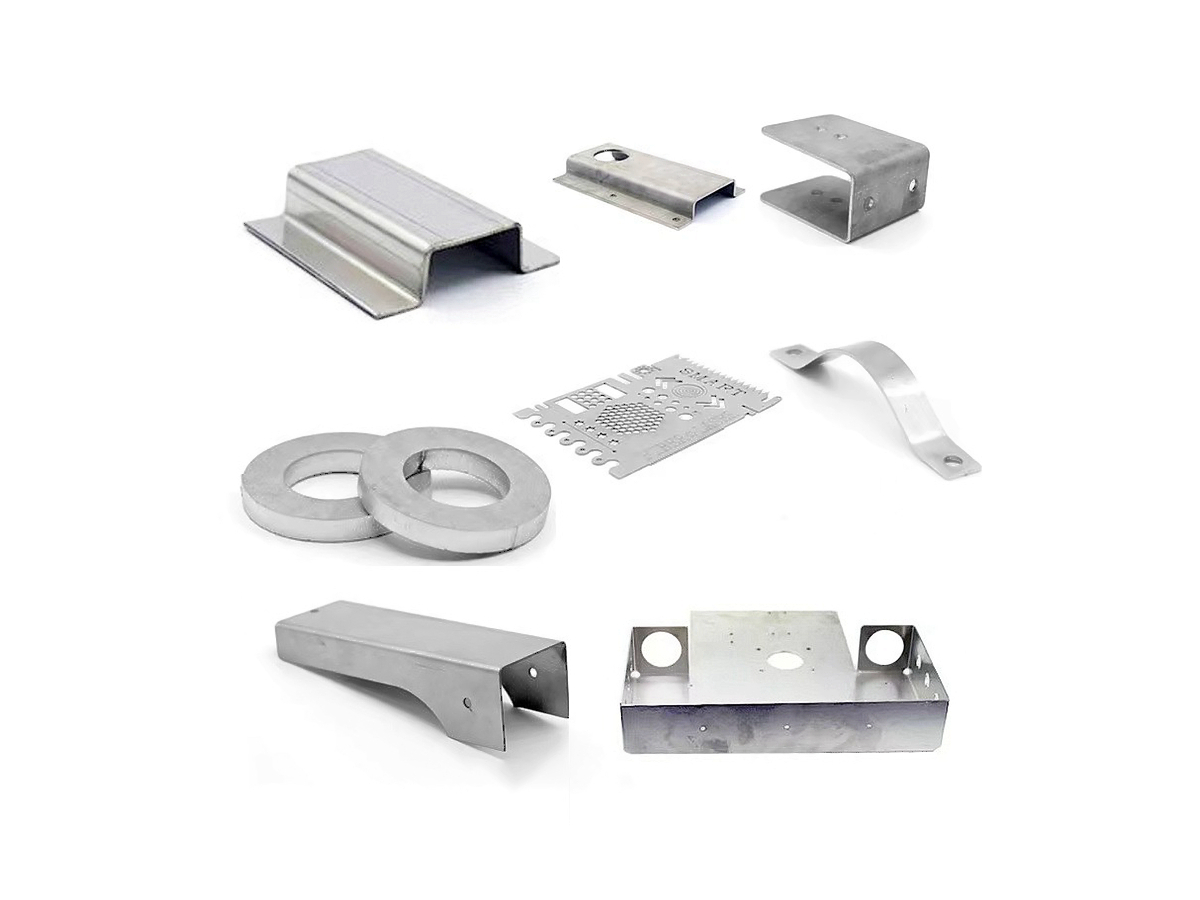
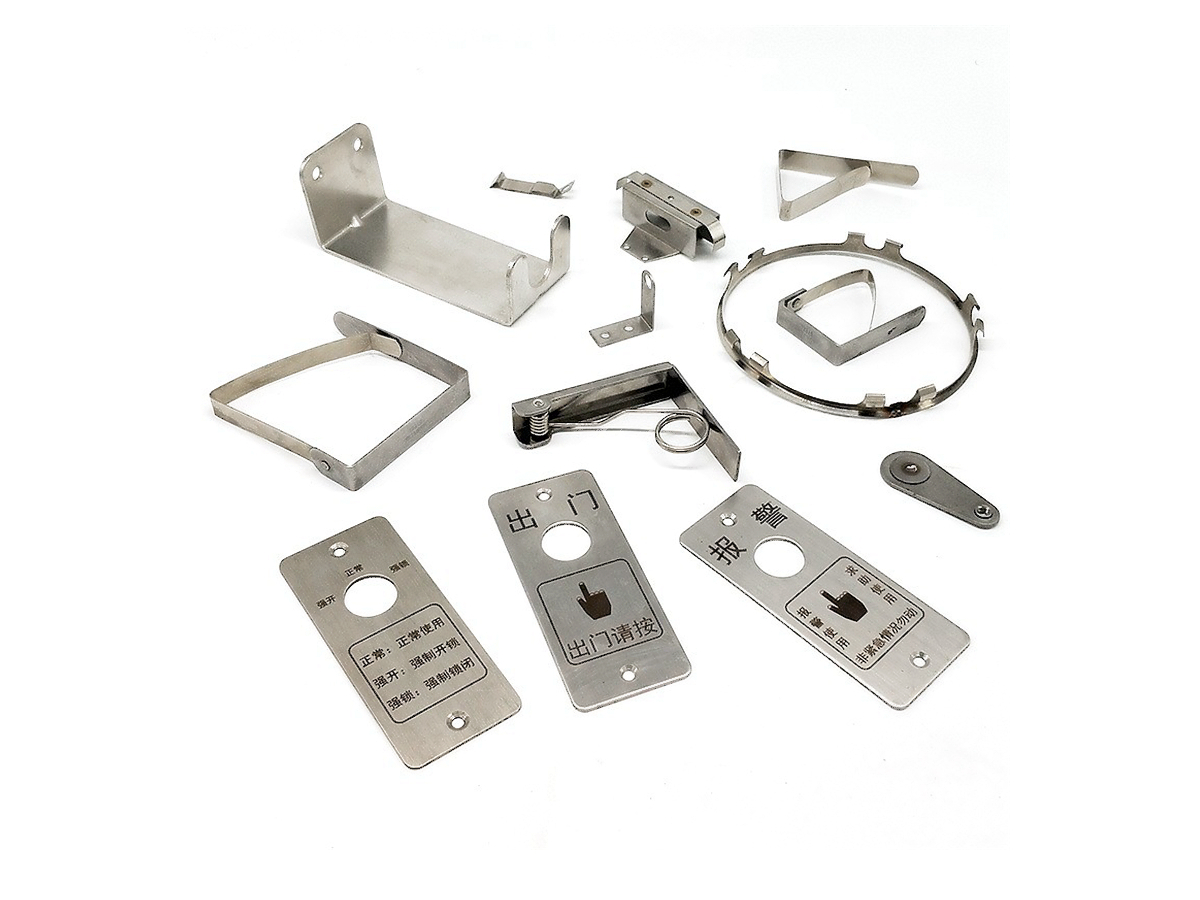
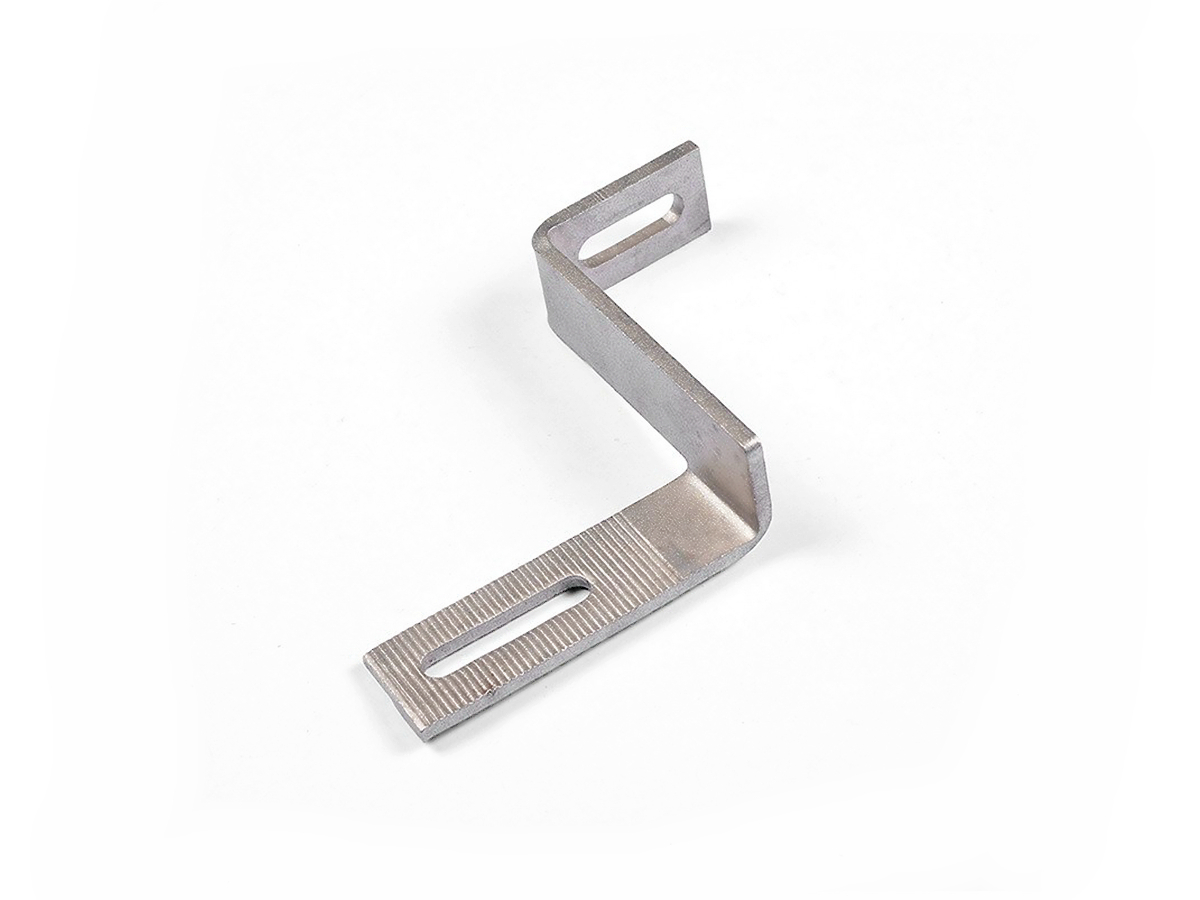
Proper operator training improves metal bending accuracy by helping operators interpret drawings, understand material springback, choose tooling, set bend sequences, protect cosmetic faces, inspect first articles, and recognize defects before a full batch is formed. For buyers requesting metal bending on brackets, enclosures, panels, covers, frames, and formed assemblies, the practical RFQ question is whether the bending workflow includes trained setup, inspection, and correction steps for the required material and geometry.
How does operator training impact metal bending accuracy?
Operator training impacts accuracy because CNC press brakes and tooling still require correct setup decisions. A trained operator can read the drawing, confirm bend direction, choose tooling, check material condition, manage springback, and inspect the first formed part before repeating the operation.
Training is especially important for parts with multiple bends, tight flange relationships, visible surfaces, holes near bend lines, or materials that spring back strongly. In these cases, machine capability alone does not define the final part quality.
Training area | Accuracy impact | Part feature protected | RFQ detail to provide |
|---|---|---|---|
Drawing interpretation | Prevents wrong bend direction and incorrect datums | Bend sequence, flange orientation, hole-to-bend distance | Clear drawing revision, formed view, critical dimensions |
Material behavior | Improves springback prediction and cracking prevention | Bend angle, radius, outside bend surface | Material grade, temper, thickness, grain direction |
Tooling setup | Matches punch, die, and radius to the geometry | Inside radius, tool marks, flange length | Inside radius, cosmetic face, tool mark limits |
First-article inspection | Catches errors before the full batch is formed | Angles, flanges, fit-up features, visible surfaces | Inspection points, report requirement, acceptance criteria |
Defect recognition | Reduces repeated cracking, wrinkling, scratches, and distortion | Bend surface, holes, slots, formed assembly fit | Defect limits, finish expectations, downstream operations |
How does training improve drawing and bend sequence interpretation?
Training improves drawing interpretation by helping operators identify bend direction, inside radius, datum references, formed dimensions, and left-hand or right-hand versions. Multi-bend parts can fail if a bend is made in the wrong order or from the wrong face.
Buyers should provide formed drawings and CAD data rather than only flat layouts. If the part has critical flanges or assembly datums, those features should be marked clearly so the operator can set up the bending sequence around them.
Why does material knowledge matter for operator training?
Material knowledge matters because low-carbon steel, stainless steel, aluminum, copper, brass, and coated sheet do not bend the same way. Operators need to understand springback, cracking risk, grain direction, material thickness, and surface sensitivity before forming the part.
The RFQ should list material grade, temper or condition, thickness, and coating. When this information is available, trained operators can select better tooling, anticipate springback, and identify when a design needs a larger bend radius or different sequence.
How does tooling training reduce bending defects?
Tooling training reduces defects by matching punch, die opening, radius, and tooling condition to the material and part geometry. Poor tooling choice can create cracking, wrinkling, angle error, surface marks, or flange distortion.
Buyers should state visible faces, inside bend radii, tool mark limits, and surface finish requirements. If the part is a stainless cover, aluminum enclosure, or coated panel, the operator may need protective handling or suitable tooling to protect the finish.
How do first-article checks improve accuracy?
First-article checks improve accuracy by verifying the first formed part before the same setup is repeated. The operator can check bend angle, flange length, hole alignment, surface condition, and fit-up features, then adjust the program or setup if needed.
This reduces waste because errors are found early. Buyers should identify critical inspection points and acceptance criteria before production. If a dimensional report is required, that requirement should be included in the RFQ.
How does training reduce surface damage and handling errors?
Training reduces surface damage by teaching operators how to handle visible faces, coated materials, stainless steel panels, aluminum covers, and formed parts after bending. Scratches, dents, tool marks, and poor stacking can create rework even when bend angles are correct.
Buyers should define cosmetic faces, finish requirements, packing needs, and downstream operations. A complete sheet metal fabrication route should include handling controls from cutting through bending, finishing, inspection, and packaging.
How does training connect bending with quality control?
Training connects bending with quality control by making operators part of the inspection loop. Operators who understand the drawing can recognize when springback, hole distortion, tool marks, or bend sequence issues will affect assembly. This helps prevent repeated defects.
Quality control should match the part function. A hidden bracket may need different inspection than a visible enclosure cover. Buyers should identify the dimensions and surfaces that control final acceptance.
What RFQ details help trained operators produce accurate bends?
A strong RFQ should include material grade, thickness, temper, CAD files, drawing revision, formed views, bend angles, inside bend radii, flange lengths, hole-to-bend distances, cosmetic faces, surface finish, tool mark limits, downstream operations, and inspection requirements. These details give trained operators the context needed for accurate setup and defect prevention.
The best buyer decision is to define the finished formed part, not only the flat blank. Operator training is most effective when the manufacturing data clearly identifies the material behavior, bend geometry, visible surfaces, and quality checks.
Related FAQs
Why is regular equipment calibration crucial for precision metal bending?
What level of accuracy can CNC press brakes typically achieve?
What tolerances can be achieved through precision metal bending?
What are the common defects in custom metal bending and their solutions?
What is CNC metal bending and how does it improve efficiency?
How can manufacturers minimize waste in metal bending operations?