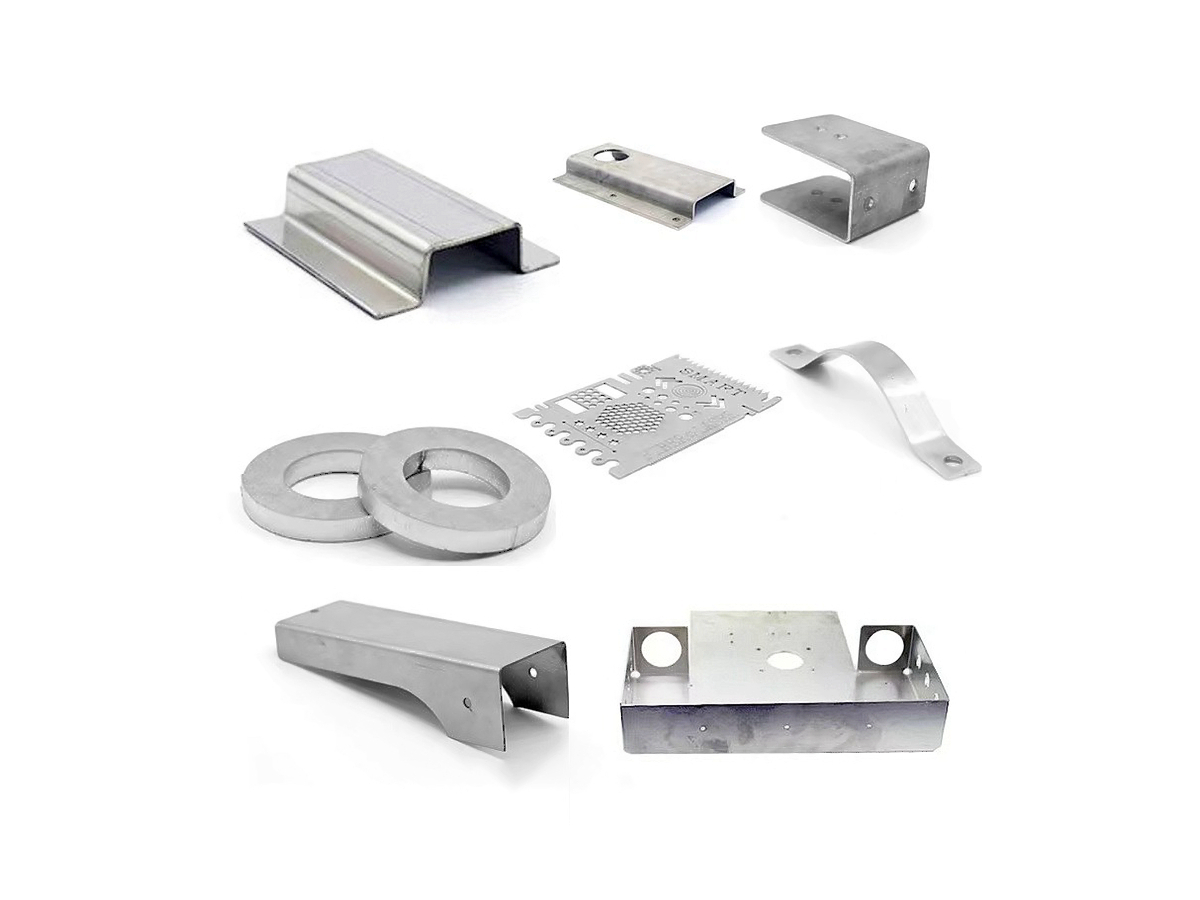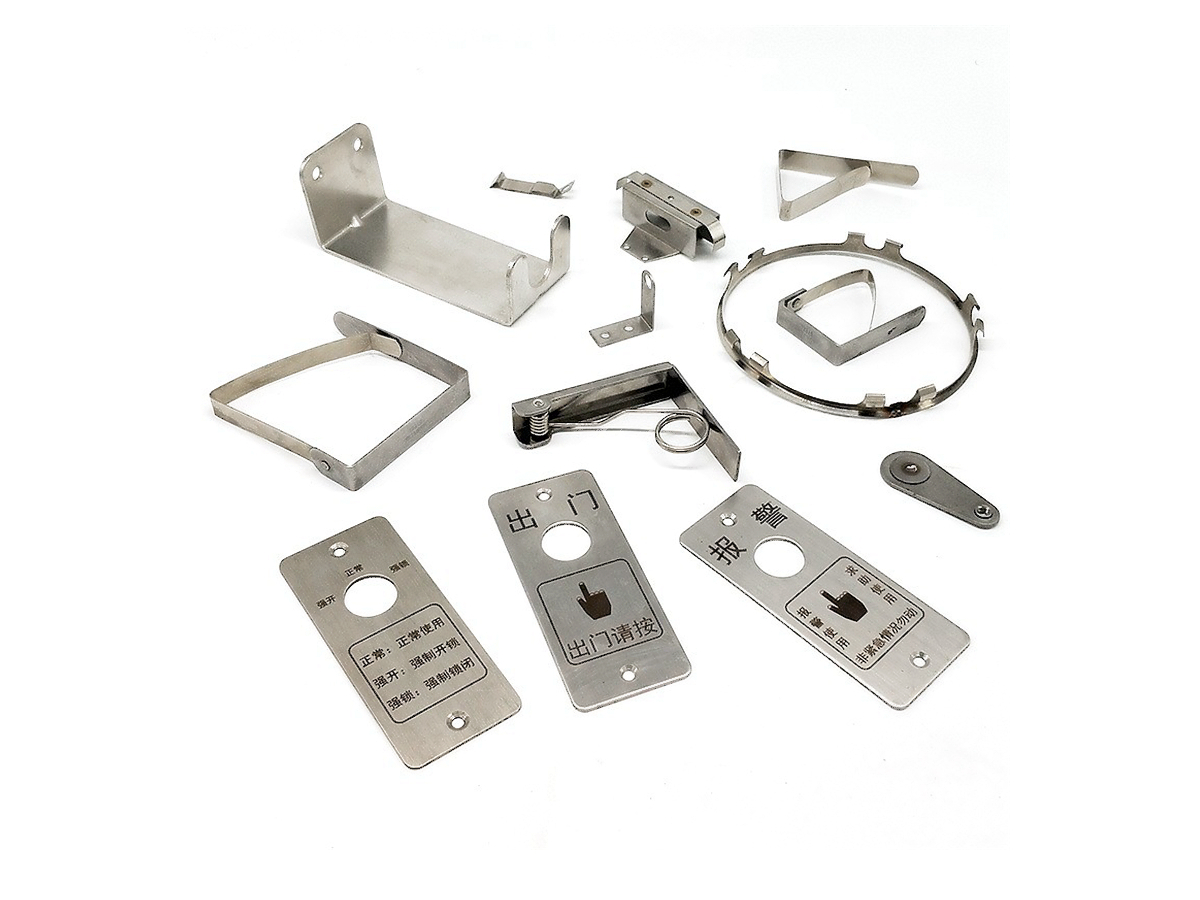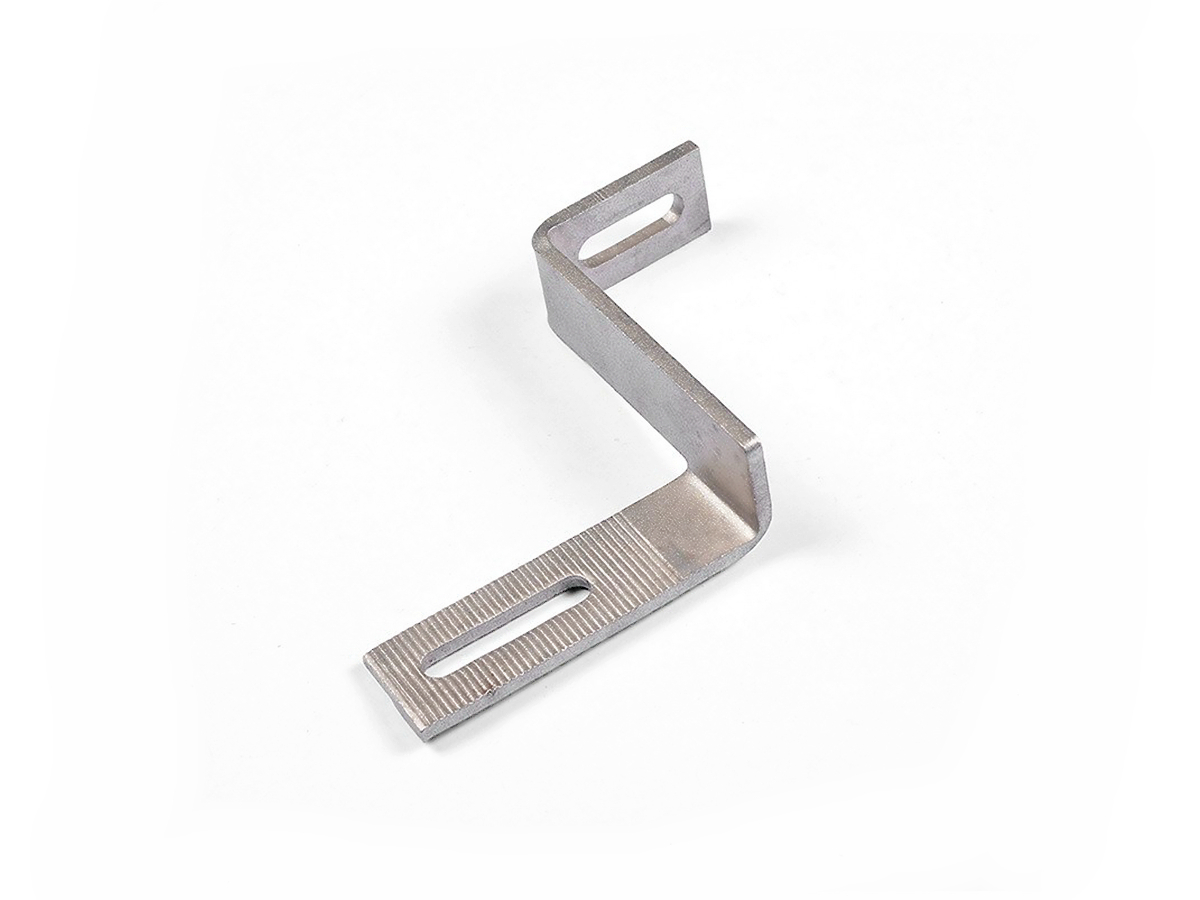
What is CNC metal bending and how does it improve efficiency?
CNC metal bending is a controlled sheet metal forming process that uses programmed press brake motion, backgauge positioning, tooling data, and bend sequences to form brackets, panels, enclosures, covers, frames, clips, and formed assemblies. For buyers requesting metal bending, the practical RFQ question is whether CNC bending can improve efficiency by reducing setup variation, wrong bend direction, springback errors, scrap, and rework across the required material and geometry.
What is CNC metal bending?
CNC metal bending uses a computer-controlled press brake to position a metal blank and form programmed bends with selected tooling. The process controls bend sequence, backgauge movement, ram movement, and tool setup so formed parts can be repeated more consistently than with manual setup alone.
CNC bending is commonly used for low-carbon steel, stainless steel, aluminum, copper, brass, and coated sheet parts when the material and bend design are suitable. The process is often part of a larger sheet metal route that includes cutting, deburring, bending, welding, coating, and inspection.
CNC bending element | Efficiency improvement | Part feature affected | RFQ detail to provide |
|---|---|---|---|
Programmed bend sequence | Reduces wrong bend order and setup variation | Multi-bend enclosures, frames, brackets | Formed views, bend direction, critical datums |
CNC backgauge control | Improves repeat positioning of the blank | Flange length, hole-to-bend distance, formed width | Flange dimensions, hole positions, toleranced features |
Tooling data | Matches punch, die, and bend radius to material | Inside radius, tool marks, cracking risk | Material grade, thickness, inside bend radius, visible face |
Springback compensation | Reduces repeated angle correction work | Bend angle, assembly fit, flange alignment | Material condition, angle tolerance, inspection method |
Stored programs | Supports repeat batches and revision control | Repeat production parts, part families, kits | Part number, drawing revision, quantity, kit grouping |
How does CNC bending improve setup efficiency?
CNC bending improves setup efficiency by storing bend programs, backgauge positions, tool data, and bend sequences. This reduces repeated manual setup decisions, especially for part families with similar material, thickness, and bend geometry.
Buyers should provide CAD files, formed drawings, bend angles, inside radii, and critical dimensions. Clear manufacturing data helps the supplier create a stable program and reduces time spent resolving unclear bend direction or feature priority.
How does CNC control reduce scrap and rework?
CNC control reduces scrap and rework by improving repeatability between parts and by making bend sequence, positioning, and angle control more predictable. It helps prevent wrong flange lengths, wrong bend direction, and repeated angle errors across a batch.
However, CNC control does not remove the need for material review. Springback, cracking, surface marks, and hole distortion still depend on grade, thickness, grain direction, tooling, and bend radius. Buyers should provide material details and acceptance criteria.
How does CNC bending connect with cutting and fabrication?
CNC bending connects with cutting and fabrication because the formed part starts as a flat blank. If the blank from laser cutting, plasma cutting, or stamping has inaccurate profiles, burrs, or hole positions, the CNC bending result can still miss the final requirement.
A complete sheet metal fabrication route should coordinate blank cutting, deburring, bending, welding, finishing, and inspection. The buyer should define which stage controls the final dimension.
How does CNC bending help repeat production?
CNC bending helps repeat production by storing programs and setup information for future batches. Repeat orders can use the same part number, drawing revision, material, tooling notes, and inspection plan when the design remains stable.
Buyers should manage revision control carefully. If the flat pattern, bend radius, material, or hole location changes, the bending program may need review. Stable drawings and clear change control reduce scrap when parts move from prototype to repeat production.
When does CNC bending still need skilled operators?
CNC bending still needs skilled operators because tooling choice, material behavior, springback, cosmetic handling, and first-article inspection require judgment. The program controls motion, but the operator confirms setup, tool condition, material orientation, and defect prevention.
Buyers should define visible faces, tool mark limits, inspection points, and downstream operations. This information helps the operator protect the features that matter during setup and production.
What limitations should buyers check before choosing CNC bending?
Buyers should check tooling access, flange collision, minimum bend radius, hole-to-bend distance, material cracking risk, surface finish requirements, and whether final datums need machining. CNC bending may not solve geometry that cannot physically clear the tooling or material that cannot tolerate the required bend.
If a part has very complex geometry, the supplier may recommend design changes, segmented forming, welding, stamping, or another route. The goal is to choose the route that produces the accepted part with controlled risk.
What RFQ details help CNC metal bending improve efficiency?
A strong RFQ should include material grade, thickness, temper, CAD files, drawing revision, formed views, bend angles, inside radii, flange lengths, hole-to-bend distances, cosmetic faces, tool mark limits, quantity, part families, finishing, and inspection requirements. These details help the supplier program CNC bending around the actual part requirement.
The best buyer decision is to quote the complete formed-part workflow. CNC metal bending improves efficiency most clearly when design data, material behavior, tooling, forming, finishing, and inspection are aligned before production.
Related FAQs
What level of accuracy can CNC press brakes typically achieve?
Why is regular equipment calibration crucial for precision metal bending?
How does proper operator training impact the accuracy of metal bending operations?
What tolerances can be achieved through precision metal bending?
How can manufacturers minimize waste in metal bending operations?
What are the common defects in custom metal bending and their solutions?
What are the common sheet metal fabrication services and considerations?