How does flexible metal bending reduce production costs?
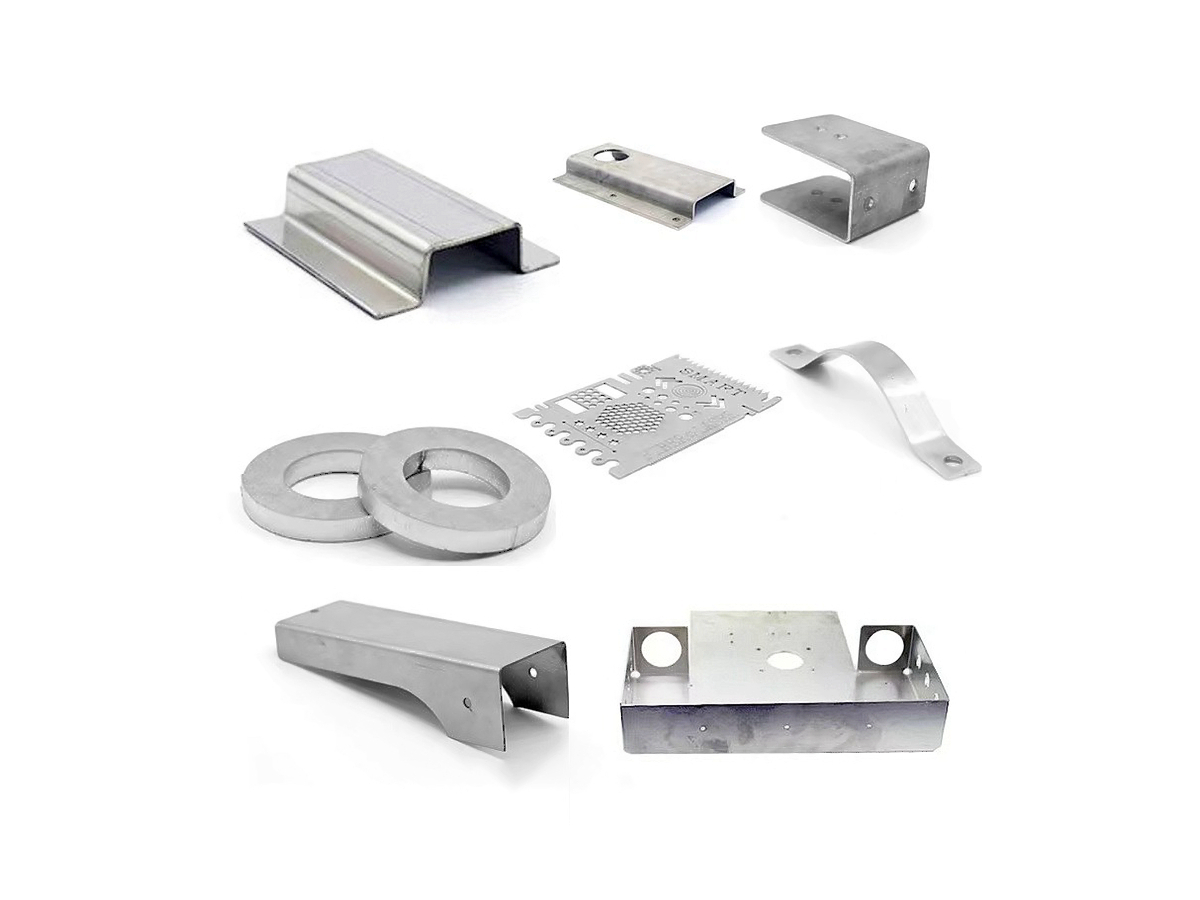
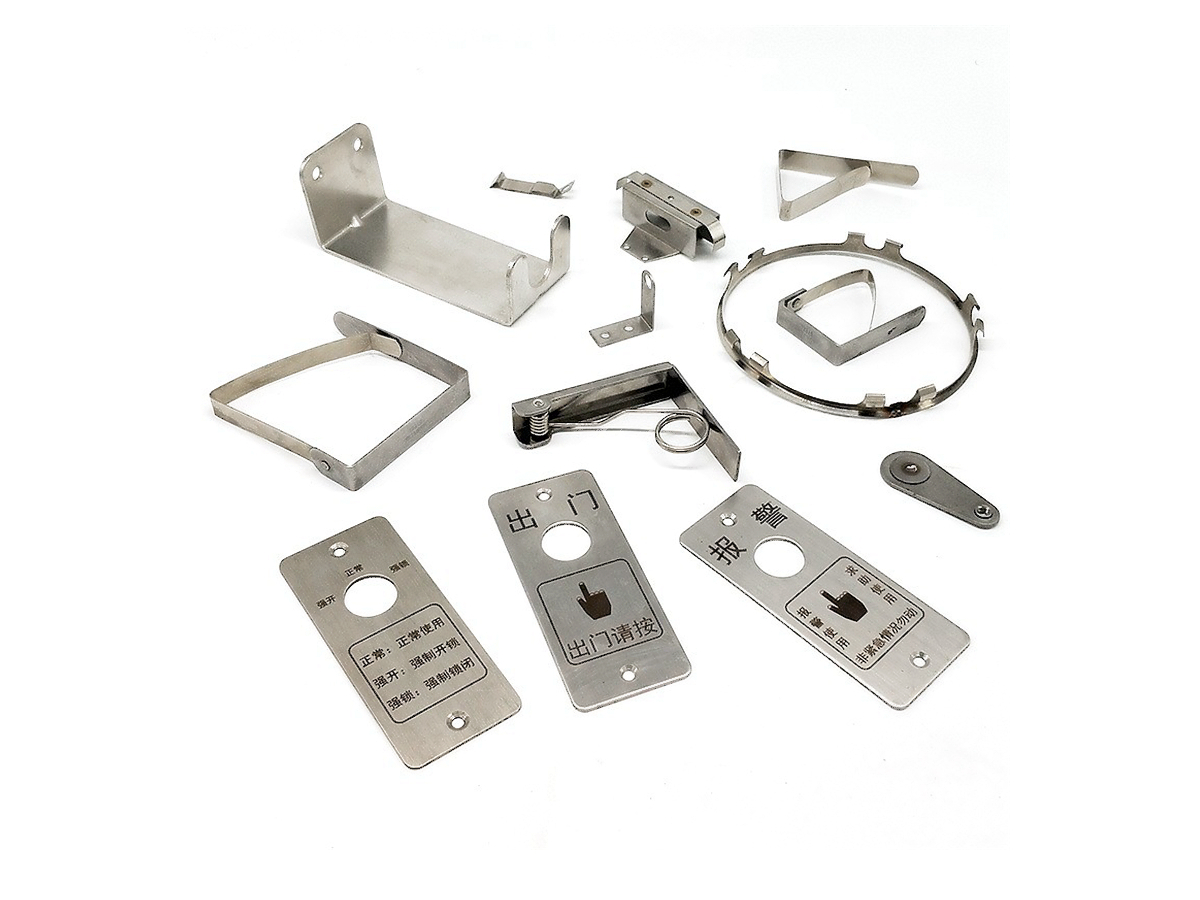
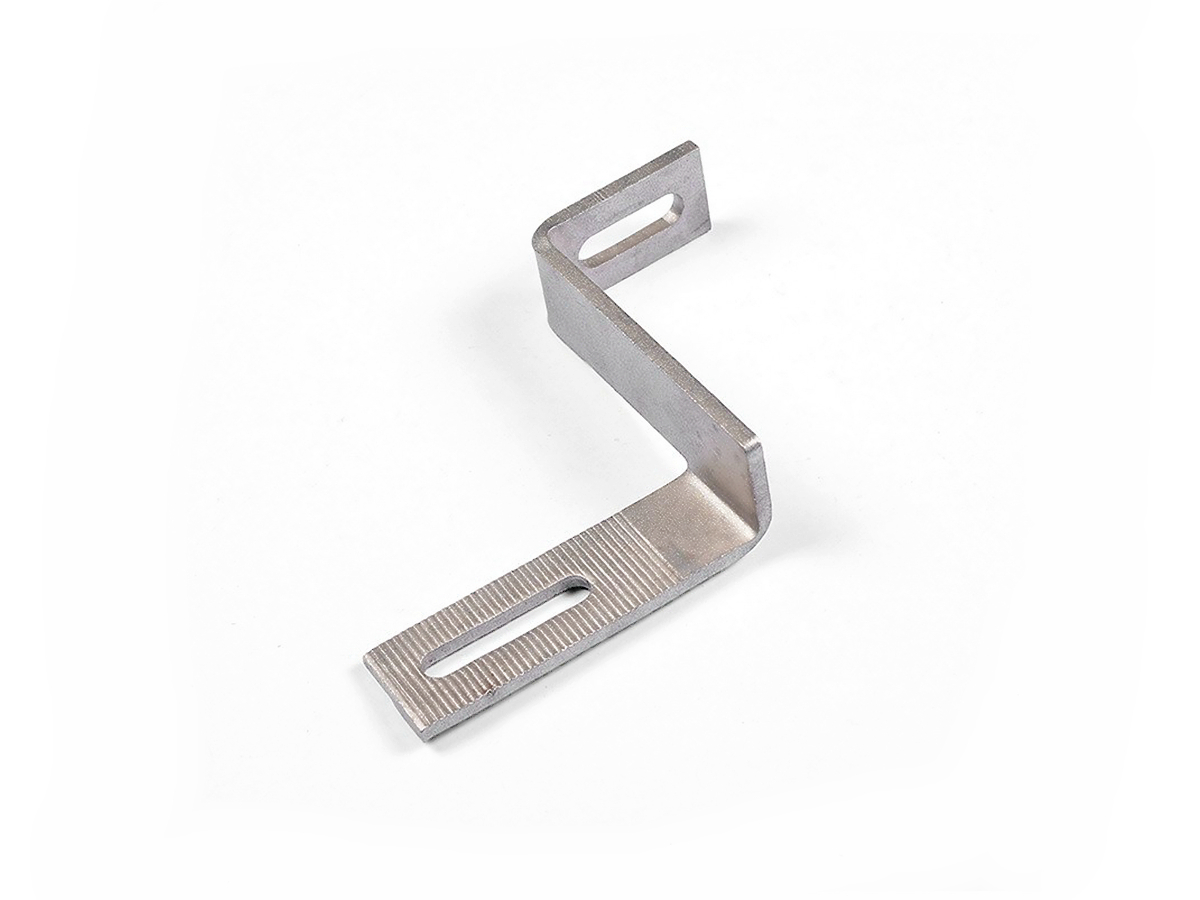
Flexible metal bending can reduce production costs when it shortens setup, avoids unnecessary hard tooling, reduces scrap, supports design changes, and connects cutting, forming, finishing, and inspection in one controlled route. For buyers quoting brackets, panels, enclosures, covers, frames, clips, and formed assemblies, the practical RFQ question is whether the metal bending route lowers total accepted-part cost compared with machining, stamping, welding-only fabrication, or a less flexible forming method.
How does flexible metal bending reduce production costs?
Flexible metal bending reduces cost when it allows a supplier to form custom sheet metal parts with controlled setup, fewer unnecessary operations, and better adaptation to part families. CNC press brake programs, interchangeable tooling, and controlled bend sequences can support prototypes, low-volume batches, and repeat production without building dedicated dies for every part.
The cost benefit depends on the part. If high-volume tooling is justified, stamping may be reviewed. If final datums must be machined, bending may only be one step. Buyers should compare the complete route rather than assuming one process is always lower cost.
Cost driver | How flexible bending can help | Where cost can increase | RFQ detail to provide |
|---|---|---|---|
Setup and tooling | Uses programmable bending and standard tooling for many custom parts | Complex tooling access or multiple setups may add time | Bend sequence, inside radii, part geometry, quantity |
Material waste | Reduces scrap when flat patterns and bend allowance are correct | Wrong flat pattern creates rejected formed parts | Material grade, thickness, formed dimensions, bend allowance |
Design changes | Supports revision changes more easily than dedicated hard tooling | Late revisions still create scrap if files are uncontrolled | Released drawings, CAD files, revision level |
Secondary operations | Can reduce welding or machining when bends create the required shape | Unplanned deburring, coating, or machining adds cost | Finish, weld edges, hole requirements, inspection method |
Batch flow | Groups related formed parts through a shared workflow | Poor kit grouping causes sorting and handling waste | Part families, kit structure, delivery groups |
How does flexible bending reduce tooling cost risk?
Flexible bending can reduce tooling cost risk because many parts can be formed with programmable press brake setups and standard tooling. This helps custom brackets, panels, covers, enclosures, and formed frames where dedicated stamping tooling may not be justified.
Buyers should still provide bend radii, flange lengths, material thickness, and quantity. If the part has closed shapes, tight returns, or difficult tool access, special tooling or sequence review may be required. Tooling cost should be evaluated from the actual formed geometry.
How do flat patterns and bend allowance affect cost?
Flat patterns and bend allowance affect cost because wrong blanks create formed-part scrap. A part can be cut accurately and still fail after bending if the flat pattern does not account for material thickness, bend radius, and springback.
A complete sheet metal fabrication route should connect blank cutting with bending. If blanks are made by laser cutting, stamping, or another method, the flat pattern should support the final formed dimensions rather than only the flat outline.
How does design flexibility lower revision cost?
Design flexibility can lower revision cost because bend programs and flat patterns can often be updated faster than hard tooling. This helps prototype and pre-production projects where brackets, enclosure panels, or mounting features may change after fit testing.
Revision control is still required. Buyers should send released drawings and clearly separate prototype versions from production versions. Uncontrolled changes can create waste even when the bending process is flexible.
How can bending reduce secondary operation cost?
Bending can reduce secondary operation cost when a formed shape replaces extra welded pieces, machined blocks, or assembled brackets. A single bent sheet metal part may provide stiffness, mounting surfaces, or enclosure geometry with fewer individual components.
This benefit depends on design. Buyers should identify load direction, mounting holes, weld edges, and assembly requirements. If final precision features are needed, drilling, tapping, machining, or inspection may still be required after bending.
When is flexible metal bending not the lowest-cost route?
Flexible metal bending may not be the lowest-cost route when part volume justifies dedicated stamping tooling, when geometry cannot be reached by available tooling, when material is too brittle for the required radius, or when extensive machining is needed after forming.
Buyers should compare flexible bending with sheet metal stamping, machining, welding, or a combined route when volume, geometry, or tolerance requirements suggest another process may be better.
How do finishing and inspection affect the cost result?
Finishing and inspection affect cost because bent parts may need deburring, coating, welding, surface protection, dimensional checks, or packing controls. A formed part that looks economical at the bending stage can become expensive if finish expectations are unclear.
Buyers should state visible faces, tool mark limits, coating requirements, weld locations, and inspection reports before quotation. Clear acceptance criteria help the supplier avoid both over-processing and rework.
What RFQ details help estimate flexible bending cost?
A strong RFQ should include material grade, thickness, temper, CAD files, drawing revision, bend angles, inside radii, flange lengths, hole-to-bend distances, quantity, part families, cosmetic faces, finishing, secondary operations, and inspection method. These details help the supplier estimate total accepted-part cost.
The best buyer decision is to quote the full formed-part route. Flexible metal bending reduces cost most clearly when material, cutting, bending, finishing, inspection, and assembly needs are planned together.
Related FAQs
What is CNC metal bending and how does it improve efficiency?
How can manufacturers minimize waste in metal bending operations?
How does versatile material handling impact manufacturing efficiency?
What tolerances can be achieved through precision metal bending?
What factors influence the choice of metal bending technique?
How cost-effective is sheet metal stamping compared to other fabrication methods?
What are the common sheet metal fabrication services and considerations?