The Critical Role of Metal Bending in Custom Part Fabrication
Metal Bending Custom Part Fabrication Decision: This article explains how buyers can evaluate metal bending for custom fabricated parts such as brackets, channels, enclosures, panels, frames, clips, covers, trays, and sheet metal supports. The practical RFQ problem is deciding whether material grade, sheet thickness, bend radius, springback, bend sequence, hole locations, surface finish, and inspection requirements can support the final part geometry.
How Does Metal Bending Fit Custom Part Fabrication?
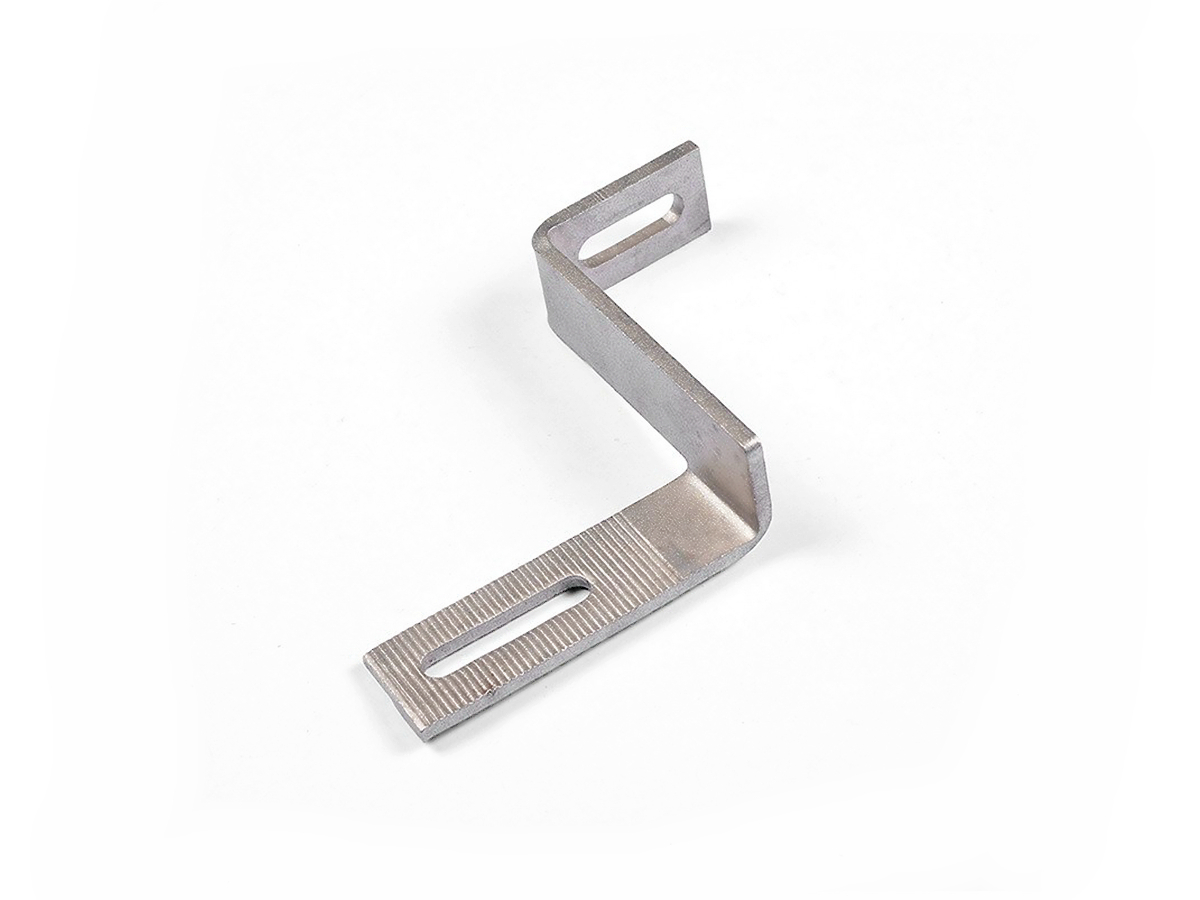
Metal bending turns flat sheet or plate into functional three-dimensional parts by forming flanges, channels, angles, offsets, and enclosure shapes. In sheet metal fabrication, bending usually follows cutting and precedes welding, hardware installation, surface finishing, assembly, or final inspection.
The bending step is critical because it changes the part from a flat blank into the geometry that must fit the final assembly. Bend radius, bend angle, bend allowance, grain direction, tooling choice, and springback can all affect final dimensions.
Buyers should provide the final formed part drawing, not only the flat pattern. A flat laser-cut blank may be correct, but the finished bracket can still fail if bend relief, hole-to-bend distance, flange length, or bend sequence is not manufacturable.
Which Bending Techniques Should Buyers Compare?
The bending technique should match the part geometry, material, thickness, quantity, and accuracy requirement. Press brake bending is common for custom sheet metal parts, while other forming methods may fit specific geometries.
Bending Technique | Best Fit | Buyer Decision Point |
|---|---|---|
Press brake bending | Custom brackets, channels, panels, covers, enclosures, and low-to-medium production batches | Confirm bend angles, inside radius, flange length, tooling access, and inspection dimensions. |
Air bending | Flexible angle forming with common tooling and adjustable bend control | Confirm springback compensation and acceptable angle variation. |
Bottoming or coining | Parts needing tighter angle control where tooling and material allow | Confirm material thickness, tooling load, surface marking, and bend radius. |
Roll bending | Curved panels, cylinders, arcs, and large radius forms | Confirm radius, arc length, flat ends, and material springback. |
Wipe bending or special forming | Selected flanges, tabs, and formed features that require dedicated tooling | Confirm tooling feasibility, part orientation, and quantity. |
Technique selection should happen before quotation when the part has tight flanges, multiple bends, closed shapes, or cosmetic surfaces. Tooling access can be more important than the nominal bend angle.
Which Materials Affect Bend Radius And Springback?
Material grade and thickness strongly affect bend radius, springback, cracking risk, and surface marks. Stainless steel, carbon steel, aluminum, copper, and brass can all be bent, but each material responds differently to forming.
Sheet Metal Material | Bending Behavior To Review | RFQ Confirmation Needed |
|---|---|---|
Carbon steel | Commonly used for brackets, frames, guards, and structural sheet metal parts | Confirm grade, thickness, coating, grain direction, bend radius, and finishing. |
Stainless steel | Often needs springback control and surface protection during forming | Confirm grade, finish, protective film, inside radius, and cosmetic surface requirement. |
Aluminum | Can crack if radius, temper, grain direction, and bend line are not suitable | Confirm alloy, temper, bend direction, radius, and surface mark limits. |
Copper or brass | Used for conductive parts, decorative parts, busbar forms, and formed connectors | Confirm alloy, temper, conductivity requirement, surface finish, and forming sequence. |
Pre-coated or polished sheet | Surface damage can be more critical than angle variation | Confirm visible surfaces, film direction, tool marks, and packaging requirements. |
If the material is not fixed, the RFQ should define strength needs, corrosion exposure, appearance, conductivity, welding, coating, and assembly function. The bending review can then select a feasible material and radius.
Which Part Features Create Bending Risk?
Part features near bend lines create many bending problems. Holes, slots, notches, louvers, tabs, countersinks, embosses, and hardware locations can distort if they are too close to the bend or if the bend sequence blocks tool access.
Part Feature | Bending Risk | Buyer Action Before Review |
|---|---|---|
Hole near bend line | Hole elongation, distortion, or poor fastener fit | Identify critical holes and provide final assembly requirement. |
Short flange | Tooling may not hold the flange or may mark the part | Confirm minimum flange function and whether redesign is possible. |
Multiple adjacent bends | Tool collision, wrong bend sequence, or accumulated angle variation | Provide 3D model and mark critical dimensions after forming. |
Cosmetic outside surface | Tooling marks, scratches, or coating damage | Mark visible surfaces, grain direction, and protective film needs. |
Closed channel or enclosure | Later bends may be blocked by previous flanges | Review bend order, relief cuts, and whether welding or assembly is needed. |
Design-for-bending review should happen before cutting. A small change to hole position, flange length, relief shape, or bend order can prevent distortion or rework later.
How Does Bending Work With Laser Cutting, Stamping, And Welding?
Metal bending is usually one step in a broader fabrication route. Laser cutting or punching creates the flat blank. Sheet metal stamping may be better for stable high-volume parts with dedicated tooling. Welding, fasteners, inserts, or assembly may complete the fabricated part.
Fabrication Step | Connection To Bending | Buyer Requirement To Define |
|---|---|---|
Laser cutting or punching | Creates holes, slots, outlines, and reliefs before bending | Confirm bend allowance, hole-to-bend distance, and flat pattern responsibility. |
Bending | Forms flanges, angles, channels, and part geometry | Confirm bend sequence, radius, angle, flange length, and formed dimensions. |
Welding or hardware insertion | Connects bent parts or adds threaded features after forming | Confirm weld access, distortion risk, nut location, and inspection standard. |
Surface finishing | Protects or improves the formed part after cutting and bending | Confirm coating thickness, masked areas, visible surfaces, and packaging. |
A bending RFQ should show the full route when possible. If the part will be welded, coated, or assembled, the final inspection dimensions should reflect the completed part, not only the bent blank.
Which Bending Defects Should Buyers Control?
Common bending defects include springback, cracking, wrinkling, angle error, flange length variation, surface marking, hole distortion, twist, bow, and bend-line shift. The significance of each defect depends on the function of the part.
Bending Defect | Manufacturing Impact | Inspection Or Control Evidence |
|---|---|---|
Springback | Can change final bend angle and assembly fit | Angle inspection, sample approval, material review, and tooling compensation. |
Cracking at bend | Can affect strength, cosmetic surfaces, and corrosion resistance | Material grade review, bend radius review, grain direction review, and visual inspection. |
Surface marking | Can affect visible panels, polished surfaces, and coated parts | Protective film, tooling protection, approved sample, and cosmetic standard. |
Hole distortion | Can affect fastener fit, pins, connectors, and assembly datum features | Hole-to-bend review, go/no-go gauge, and formed-part dimensional report. |
Twist or bow | Can affect long channels, frames, and enclosure fit | Flatness check, fixture check, and forming sequence review. |
Buyers should define the acceptance criteria for angle, flange length, visible surface marks, and hole distortion. Without this, the fabricator may not know which bending risk matters most.
Which Inspection Evidence Matters For Bent Metal Parts?
Inspection should be based on the formed part, not only the flat blank. Common evidence includes dimensional reports, first article inspection, angle checks, CMM reports, height gauges, go/no-go gauges, fixture checks, hole gauges, flatness checks, visual inspection standards, coating thickness reports, and assembly trials.
Critical dimensions should be measured from functional datums. A bracket may need hole-to-hole distance after bending. An enclosure may need flange position, squareness, and panel fit. A cover may need cosmetic surface inspection and coating coverage after forming.
If the part is used in automotive, aerospace, medical, energy, or other controlled applications, the buyer should state the required documentation and validation path. Manufacturing inspection can support review, while final approval remains tied to the buyer's acceptance criteria.
What Should A Metal Bending RFQ Include?
A useful metal bending RFQ should include the CAD model, 2D drawing, flat pattern if available, material grade, thickness, bend radius, bend angle, critical dimensions, surface finish, downstream operations, and inspection records. The buyer should also identify which dimensions control fit after bending.
RFQ Information | Why It Matters For Metal Bending | Buyer Confirmation Needed |
|---|---|---|
3D model and 2D drawing | Defines formed geometry, bend sequence, datums, and final inspection dimensions | Confirm revision, formed dimensions, and critical fit features. |
Material grade and thickness | Controls bend radius, springback, cracking risk, and tooling selection | State grade, temper, finish, thickness, and material certificate need. |
Bend radius and angle | Affects feasibility, tooling, flange length, and final part size | Confirm inside radius, angle tolerance requirement, and functional surface. |
Cutting and hole features | Connects blank design to bend distortion and assembly fit | Mark holes, slots, tabs, countersinks, and features near bend lines. |
Finishing and appearance | Controls surface marks, coating, grain direction, and packaging | Define visible surfaces, protective film, coating, and cosmetic standard. |
Inspection evidence | Links the fabricated part to measurable acceptance criteria | State whether FAI, dimensional report, CMM, fixture check, or assembly trial is required. |
Metal bending is critical in custom part fabrication because it converts a cut blank into a functional shape. The strongest bending projects connect material, flat pattern, bend sequence, tooling access, downstream operations, and inspection before production begins.
Related FAQs