Precision and Efficiency: The Role of Laser Cutting in Fabrication
Laser Cutting Fabrication Decision: This article explains how buyers can evaluate laser cutting for sheet metal fabrication parts such as brackets, panels, enclosures, shims, covers, mounting plates, prototypes, and flat blanks for bending or welding. The practical RFQ problem is deciding whether material type, sheet thickness, cut geometry, kerf width, heat distortion, edge quality, nesting, and inspection requirements can support the fabricated part.
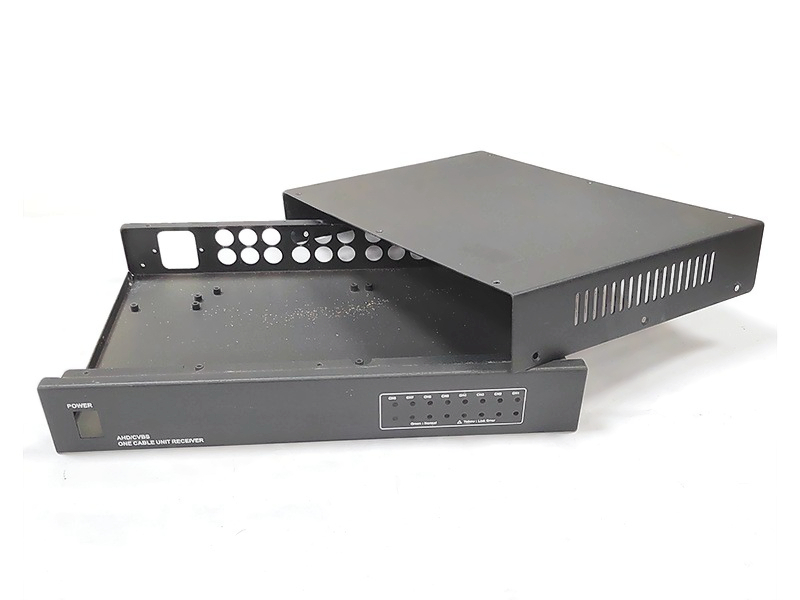
How Does Laser Cutting Fit Sheet Metal Fabrication?
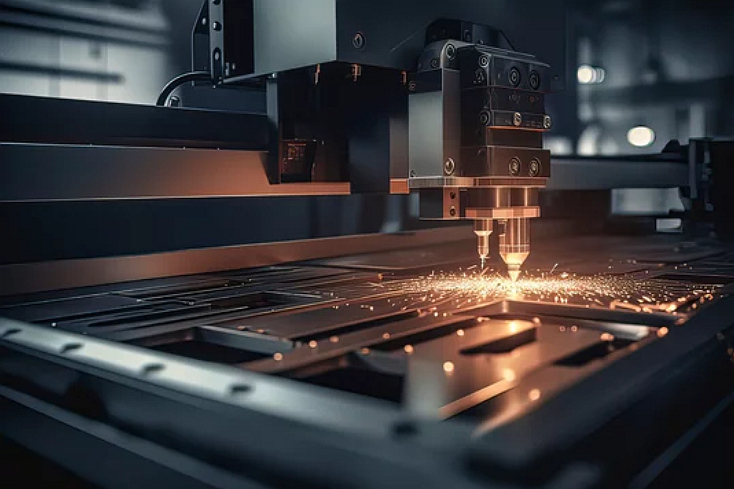
Laser cutting is often the first shape-making step in sheet metal fabrication. A focused laser beam cuts flat sheet or plate into profiles, slots, holes, tabs, vents, and blanks that may later be bent, welded, tapped, deburred, finished, or assembled.
The process supports precision and efficiency when the part design fits the material, sheet thickness, cut path, and thermal behavior. Laser cutting can reduce tooling needs for custom parts, prototypes, and production batches, but the process still needs review for heat input, edge condition, burr, narrow slots, small holes, and distortion.
The buyer should define which dimensions are critical after cutting and which dimensions matter after downstream bending, welding, or coating. A flat blank that is accurate after cutting may still fail assembly if bend allowance, grain direction, and post-cut burr control are not considered.
Which Materials And Part Types Are Commonly Laser Cut?
Laser cutting can process many sheet and plate materials, but each material family behaves differently. Reflectivity, thermal conductivity, oxidation, coating, thickness, and assist gas selection affect edge quality and cutting stability.
Material Or Part Type | Fabrication Use | RFQ Confirmation Needed |
|---|---|---|
Stainless steel sheet | Panels, brackets, enclosures, food equipment parts, medical device hardware, and corrosion-exposed covers | Confirm grade, thickness, finish, burr limit, and whether protective film should remain. |
Carbon steel sheet | Mounting plates, brackets, guards, structural tabs, and industrial equipment components | Confirm thickness, coating, edge oxide allowance, welding plan, and final finish. |
Aluminum sheet | Lightweight panels, covers, heat shields, electronic housings, and transportation components | Confirm alloy, temper, reflectivity risk, surface protection, and distortion tolerance. |
Copper or brass sheet | Conductive parts, busbar blanks, terminals, decorative features, and electrical components | Confirm alloy, thickness, conductivity requirement, oxidation control, and cutting feasibility. |
Flat blanks for bending | Laser-cut profiles that move to press brake bending | Confirm bend allowance, hole-to-bend distance, grain direction, and datum plan. |
Panels and enclosures | Cutouts, vents, connector openings, mounting slots, and cosmetic edges | Confirm visible edges, hole quality, deburring, coating, and assembly inspection. |
Material and thickness should be stated in the RFQ. If the buyer provides only a CAD file without material details, the cut strategy, edge acceptance, and cost review remain incomplete.
How Do Fiber And CO2 Laser Cutting Differ?
Fiber laser cutting and CO2 laser cutting both use focused energy to cut material, but they differ in wavelength, energy delivery, material fit, maintenance behavior, and typical industrial use. Modern sheet metal projects often use fiber laser cutting for many metal materials, while CO2 laser cutting may still be relevant for selected materials and legacy process setups.
Laser Cutting Type | Common Manufacturing Fit | Buyer Decision Point |
|---|---|---|
Fiber laser cutting | Metal sheet cutting, stainless steel, carbon steel, aluminum, copper, brass, and detailed profiles | Confirm material reflectivity, thickness, edge requirement, and assist gas plan. |
CO2 laser cutting | Selected sheet cutting applications and some non-metal cutting contexts depending on equipment setup | Confirm material compatibility, edge requirement, and whether the process route is suitable. |
Laser marking or engraving | Part numbers, logos, traceability marks, and shallow identification features | Confirm marking depth, location, readability, and whether marking affects functional surfaces. |
The equipment name does not replace a manufacturing review. A buyer should provide material, thickness, cut detail, edge requirement, and downstream operations so the cutting route can be selected correctly.
Which Fabrication Decisions Affect Precision And Efficiency?
Precision and efficiency in laser cutting depend on how the part is designed and nested. Kerf width, pierce location, tab strategy, hole size, slot width, heat input, sheet flatness, nesting layout, and material grain direction can affect quality and production time.
Fabrication Decision | Effect On Laser-Cut Parts | Buyer Requirement To Define |
|---|---|---|
Kerf and cut offset | Controls finished size and fit for slots, tabs, and mating features | Define critical dimensions and mating part information. |
Pierce points and lead-ins | Affect marks near holes, small features, and visible edges | Mark visible surfaces and no-mark zones. |
Nesting layout | Affects material use, grain direction, part orientation, and heat concentration | Confirm grain direction, cosmetic orientation, and quantity. |
Heat input | Can affect distortion, edge hardness, oxide, and coating performance | Define flatness requirement and whether post-cut straightening is allowed. |
Downstream bending or welding | Changes final dimensional requirements after cutting | Provide full fabrication drawing, not only the flat profile. |
The most efficient cut path is not always the best final fabrication route. A part that requires bending, welding, or assembly should be reviewed as a complete fabricated component.
Which Laser Cutting Defects Should Buyers Control?
Laser cutting defects are usually related to material condition, process settings, feature geometry, and heat behavior. Common issues include dross, burrs, taper, rough edges, heat-affected zones, discoloration, warping, incomplete cuts, overburn, and small-feature distortion.
Laser Cutting Risk | Manufacturing Impact | Inspection Or Control Evidence |
|---|---|---|
Dross or burrs | Can affect assembly, coating, sealing, and handling safety | Visual inspection, deburring requirement, edge standard, and sample approval. |
Warping or distortion | Can affect flat panels, long slots, thin webs, and later bending operations | Flatness check, fixture check, cut sequencing review, and stress-relief consideration. |
Heat-affected edge | Can affect coating, welding, hardness, or fatigue-sensitive edges | Material review, edge preparation, finishing requirement, or buyer test plan. |
Hole or slot taper | Can affect fastener fit, tabs, locating pins, and connector openings | Dimensional report, go/no-go gauge, or secondary drilling where required. |
Surface scratches or film damage | Can affect visible panels, enclosures, and coated parts | Protective film requirement, packaging plan, and cosmetic inspection standard. |
Buyers should specify whether burr-free edges, cosmetic edges, oxide-free edges, or deburred edges are required. These terms have different manufacturing implications.
When Should Buyers Compare Laser Cutting With Plasma Cutting, Stamping, Or Bending?
Laser cutting should be compared with plasma cutting, sheet metal stamping, and metal bending when the part is still in route-selection stage. These are not interchangeable operations; they solve different fabrication problems.
Manufacturing Route | Best Fit | When Laser Cutting May Be Better |
|---|---|---|
Laser cutting | Detailed flat profiles, custom sheet metal parts, prototypes, and flexible production | When profiles change often or hard tooling is not justified. |
Plasma cutting | Thicker metal plate, rougher profiles, and heavy fabrication parts | When finer cut detail, smaller kerf, or less edge finishing is required. |
Sheet metal stamping | High-volume parts with stable geometry and tooling investment | When volume is lower, geometry changes are expected, or tooling should be avoided. |
Metal bending | Forming flanges, channels, brackets, and enclosure shapes after blank cutting | Laser cutting often prepares the flat blank before bending rather than replacing bending. |
The buyer should identify the full fabrication route. A laser-cut blank for a bent bracket requires cut dimensions, bend lines, bend allowance, hole-to-bend distance, and final inspection criteria.
Which Inspection And Secondary Operations Matter?
Laser-cut parts may need secondary operations after cutting. Common steps include deburring, edge rounding, tapping, countersinking, drilling, bending, welding, grinding, brushing, polishing, painting, powder coating, plating, passivation, assembly, and packaging.
Inspection evidence may include dimensional reports, first article inspection, CMM reports, optical inspection, flatness checks, go/no-go gauges, thread gauges, surface roughness checks, coating thickness reports, visual standards, and assembly trials.
The inspection plan should match the part function. A bracket may need hole position and bend angle checks. An enclosure panel may need cosmetic inspection and cutout fit. A shim may need thickness and flatness checks. A welded assembly may need fit-up and weld inspection after laser cutting.
What Should A Laser Cutting RFQ Include?
A useful laser cutting RFQ should include the CAD file, 2D drawing, material grade, sheet thickness, quantity, critical dimensions, edge requirements, downstream operations, finishing requirements, and inspection records. If the laser-cut part will be bent, welded, or assembled, the RFQ should include the final part drawing as well as the flat pattern.
RFQ Information | Why It Matters For Laser Cutting | Buyer Confirmation Needed |
|---|---|---|
DXF, STEP, or drawing file | Defines cut profile, slots, holes, text, tabs, and datum features | Confirm file revision and which dimensions control inspection. |
Material grade and thickness | Controls cut speed, edge quality, assist gas, distortion risk, and cost | State grade, thickness, surface finish, and material certificate need. |
Edge and burr requirement | Affects cutting parameters, deburring, edge rounding, and safety | Define acceptable burr, dross, oxide, taper, and corner conditions. |
Downstream fabrication | Connects flat cutting to bending, welding, tapping, finishing, or assembly | Provide final assembly drawing and post-cut operation list. |
Inspection and packaging | Protects critical dimensions and visible surfaces after cutting | State FAI, dimensional report, cosmetic standard, and packaging requirement. |
Laser cutting plays an important role in fabrication when cut geometry, material behavior, downstream operations, and inspection are reviewed together. A clear RFQ helps the laser-cut blank become a reliable fabricated part instead of only a flat profile.
Related FAQs
What Are the Precautions When Selecting Laser Cutting Services?
What Types of Materials Can Be Processed Using Laser Cutting?
What Are the Main Differences Between CO2 and Fiber Laser Cutting?
Why Is Laser Cutting Preferred Over Mechanical Cutting in Precision Manufacturing?
What Measures Can Reduce Distortion in Laser Cutting Processes?