What are the main differences between CO2 and fiber laser cutting?
The main differences between CO2 and fiber laser cutting are the laser source, material absorption, typical material fit, edge behavior, operating economics, and RFQ risk. This FAQ helps buyers choose a laser cutting route for sheet metal parts, acrylic covers, brackets, enclosures, panels, busbars, gaskets, and precision profiles before defining material, thickness, edge quality, inspection, and secondary operations.
What are the main differences between CO2 and fiber laser cutting?
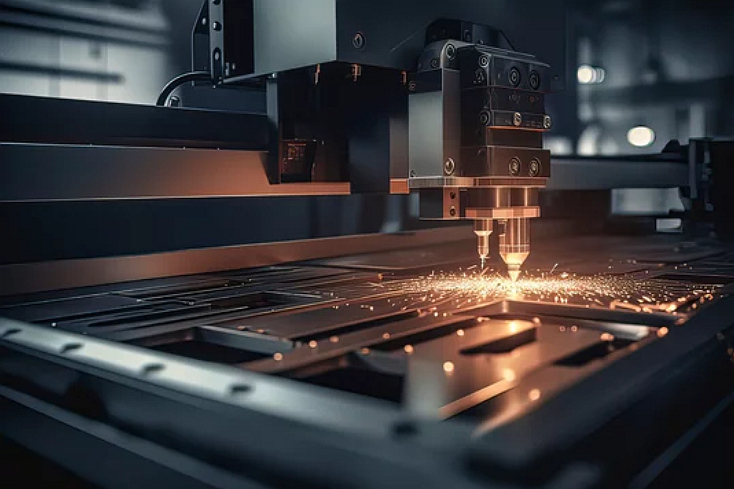
Laser cutting can use different laser sources, and the best choice depends on how the material absorbs the beam and how the finished part will be used. Fiber laser cutting is commonly evaluated for metals such as stainless steel, carbon steel, aluminum, copper, and brass. CO2 laser cutting is often considered for selected non-metal materials such as acrylic, wood, rubber, paperboard, textiles, and some plastics.
The buyer decision should start with the material and final part requirement. A stainless steel bracket, copper busbar, aluminum lighting panel, acrylic display cover, and gasket blank may need different laser type, assist gas, edge quality, fume control, and inspection method.
Comparison factor | CO2 laser cutting | Fiber laser cutting |
|---|---|---|
Typical material fit | Selected non-metals such as acrylic, wood, rubber, textiles, paperboard, and some plastics | Metals such as stainless steel, carbon steel, aluminum, copper, and brass |
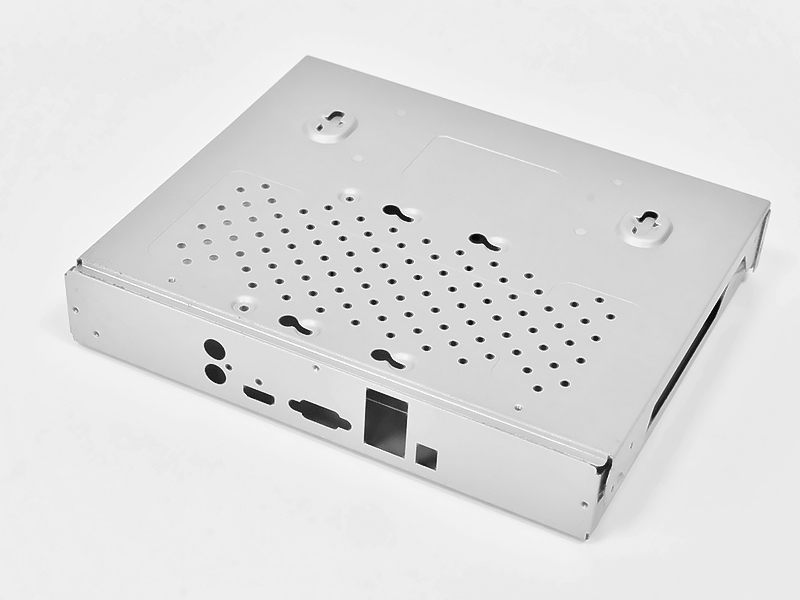
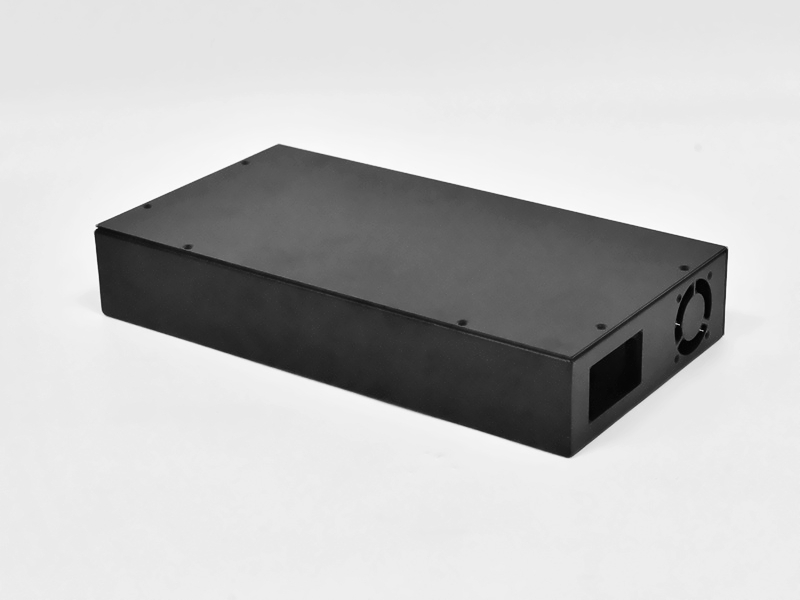
Common part examples | Display covers, templates, gaskets, labels, decorative panels, and non-metal profiles | Sheet metal brackets, panels, enclosures, busbars, heat shields, and precision blanks |
Primary RFQ concern | Material safety, fumes, charring, melting, edge clarity, and non-metal compatibility | Reflectivity, burr control, heat distortion, assist gas, and metal edge quality |
Secondary operations | Cleaning, edge polishing, engraving, adhesive preparation, or protective film handling | Deburring, bending, welding, tapping, coating, anodizing, or CNC machining |
How do CO2 and fiber laser sources affect material choice?
Laser source affects how efficiently the material absorbs energy. Fiber laser cutting is usually associated with metal cutting because many industrial metals absorb fiber laser energy effectively when the process is set up correctly. CO2 laser cutting is often associated with non-metal cutting because many organic or polymer materials absorb CO2 laser energy better than fiber laser energy.
For RFQ planning, the buyer should provide the exact material name, grade, thickness, coating, surface film, and intended use. Material compatibility is especially important for plastics, laminated sheets, coated metals, and reflective metals because these materials can create edge, fume, reflection, or safety concerns.
When should buyers choose fiber laser cutting for metal parts?
Buyers commonly choose fiber laser cutting for metal sheet and plate parts used in sheet metal fabrication. Typical metal applications include stainless steel medical-device panels, carbon steel brackets, aluminum lighting parts, copper busbars, brass contacts, automotive covers, and telecommunication hardware.
The RFQ should define edge quality, burr limits, oxide edge preference, flatness, bend requirements, weld preparation, and any post-cut finishing. For automotive, lighting, telecommunication, or medical-device parts, the buyer should also define inspection and documentation needs.
When should buyers choose CO2 laser cutting for non-metal parts?
Buyers may choose CO2 laser cutting when selected non-metal materials need profile cutting, engraving, or clean edge definition. Acrylic covers, templates, gaskets, signs, labels, foam pads, textiles, and certain rubber parts may be reviewed for CO2 laser cutting if the material is compatible and the edge quality is acceptable.
The RFQ should include material datasheets when non-metal safety or fume behavior is uncertain. The buyer should not assume every plastic or composite is suitable for laser processing. Some materials can melt, char, discolor, crack, delaminate, or release hazardous fumes.
How do edge quality, distortion, and secondary operations differ?
Edge quality depends on material, thickness, laser source, assist gas, speed, focus, and thermal behavior. Fiber laser cutting of metals may require deburring, oxide removal, bend planning, coating, or welding preparation. CO2 laser cutting of non-metals may require edge cleaning, polishing, adhesive preparation, or protective film control.
Thermal distortion is a concern for both methods when the part has long thin features, dense cut patterns, narrow webs, or heat-sensitive materials. Buyers should mark flatness requirements, cosmetic edges, mating surfaces, bend lines, and tight hole patterns before quotation.
What RFQ information helps compare CO2 and fiber laser cutting?
A useful RFQ should include the 2D drawing, material grade, sheet thickness, surface condition, quantity, edge quality, tolerance notes, cosmetic faces, burr limits, fume or cleanliness requirements, bend or weld requirements, finishing route, and inspection method. If the material can be substituted, the RFQ should state acceptable alternatives.
With those details, the supplier can compare CO2 and fiber laser cutting by material compatibility, edge quality, thermal risk, productivity, secondary operations, and final inspection. The correct choice is the process that meets the final part requirement, not simply the newer or faster laser source.
Related FAQs