Speed and Precision: Boosting Production with Fast Custom Laser Cutting Services
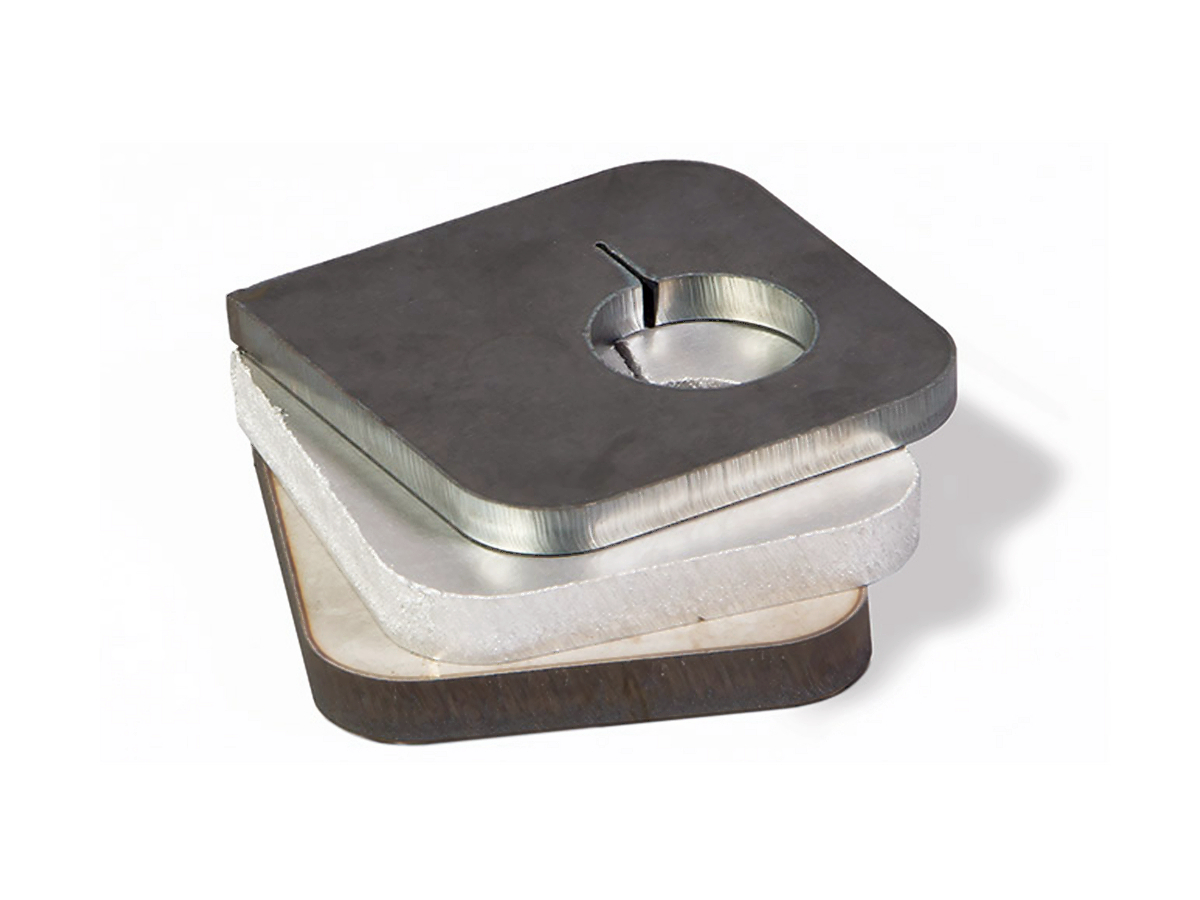
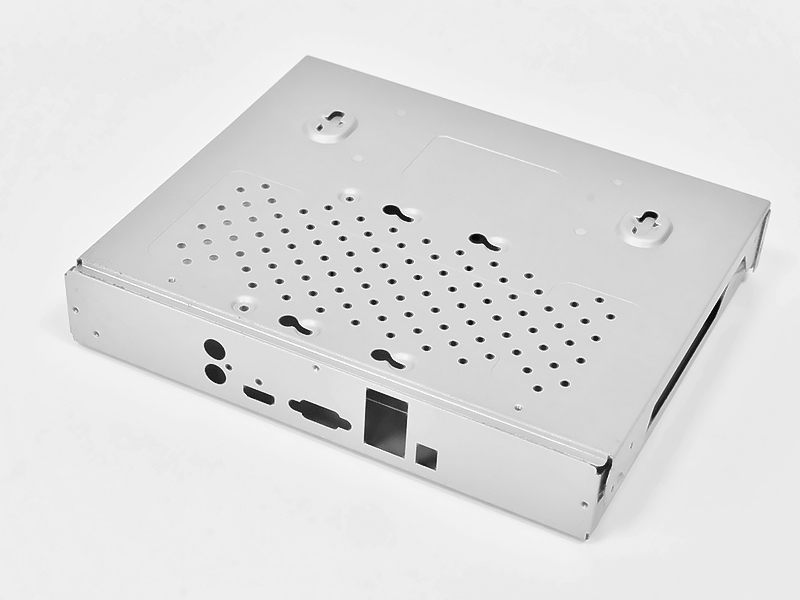
Fast Laser Cutting Production RFQ Decision: This article explains how buyers can evaluate fast custom laser cutting for sheet metal brackets, covers, panels, mounting plates, vents, shims, chassis blanks, and industrial flat profiles. The practical RFQ problem is increasing production speed while still controlling material choice, sheet thickness, nesting yield, edge quality, distortion risk, tolerance priorities, downstream forming, and inspection requirements.
Fast laser cutting is not only a machine speed question. Production throughput depends on CAD readiness, material availability, nesting strategy, laser type, assist gas, cut path, pierce count, part handling, deburring, inspection, and packaging. Buyers should define the finished-part route before judging whether a quote is truly fast and precise.
How Should Buyers Balance Laser Cutting Speed And Precision?
Buyers should balance speed and precision by separating critical features from general profiles. Mounting holes, locating slots, bend reliefs, gasket openings, connector cutouts, and mating edges may need tighter control. Non-critical outer edges may not require the same inspection burden. This feature priority lets the supplier optimize cutting without over-processing the part.
The engineering reason is that high throughput can be slowed by unnecessary tolerance requirements, excessive small features, repeated pierces, difficult nesting, or unclear inspection. Precision should be applied where the part needs it. A drawing that marks every feature as critical can make production slower and more expensive without improving assembly fit.
The RFQ implication is simple: buyers should identify critical-to-function dimensions, cosmetic zones, edge quality requirements, and downstream operations. The supplier can then decide where cutting speed can be optimized and where precision must be protected.
Which Inputs Control Fast Custom Laser Cutting Throughput?
Throughput is controlled by material grade, sheet thickness, part size, feature density, pierce count, nesting layout, assist gas, cutting path, and unloading method. A simple bracket in standard sheet stock may move quickly. A dense panel with many small holes, narrow slots, and cosmetic edges may need more process control and inspection.
Buyers should provide clean CAD files, a 2D drawing, material grade, thickness, quantity, and revision status. If CAD files contain duplicate lines, open contours, unclear units, or missing bend information, the supplier may need extra engineering time before cutting. Fast production begins with clean manufacturing data.
Material availability also matters. If the buyer requires a specific grade, finish side, protective film, or surface condition, that requirement should be visible in the RFQ. A quote cannot accurately reflect speed if the material requirement is incomplete.
Laser Cutting Throughput Entity | Buyer Question | RFQ Detail To Define | Production Implication |
|---|---|---|---|
CAD file quality | Is the file ready for cutting? | Closed profiles, correct units, revision control, drawing match | Clean files reduce programming delay and quoting assumptions |
Material and thickness | What sheet stock controls the process? | Grade, thickness, finish side, protective film, quantity | Material affects cut speed, edge quality, and distortion risk |
Nesting strategy | Can parts be arranged efficiently on the sheet? | Part size, grain direction if relevant, cosmetic side, scrap constraints | Nesting affects material yield and production planning |
Feature density | How many holes, slots, and internal profiles are required? | Small features, pierce count, critical profiles | Dense features can slow cutting and increase heat buildup |
Inspection scope | Which features require confirmation? | Critical dimensions, sampling plan, report format | Inspection can become the bottleneck if scope is unclear |
How Do Material And Thickness Affect Speed And Edge Quality?
Material and thickness affect both cutting speed and precision. Stainless steel, carbon steel, aluminum, copper alloy, brass, and coated sheet materials respond differently to laser energy. Thicker sheet generally requires more process control and can create different edge conditions than thinner sheet. Reflective or coated materials may require additional review.
Buyers should define edge expectations before quoting. If a part needs a clean edge for welding, coating, assembly, or appearance, the RFQ should say so. If secondary deburring is acceptable, that should also be stated. The fastest cut may not be the best finished-part route if it creates extra cleanup or inspection.
Material choice should also account for downstream forming or welding. A laser cut blank that will be bent, welded, painted, or assembled should be reviewed with those operations in mind.
How Can Nesting And Cut Path Improve Production Output?
Nesting and cut path can improve production output by reducing material waste, pierce count, handling time, and thermal distortion. Good nesting considers sheet size, part orientation, grain direction if relevant, cosmetic surface, micro-joints, and part separation after cutting.
Cut path planning matters for heat control. Long thin parts, narrow webs, dense perforations, and small features can build heat. The supplier may adjust path order, lead-in positions, tab locations, or part orientation to reduce distortion. Buyers should allow the supplier to make these manufacturing decisions unless the drawing requires a specific orientation.
The RFQ should identify any features that cannot receive tabs, lead-in marks, or edge witness marks. This prevents a fast production strategy from creating unacceptable marks on functional or visible surfaces.
Which Secondary Operations Can Slow A Fast Laser Cutting Order?
Secondary operations can decide the real delivery speed. Deburring, tapping, countersinking, bending, welding, inserting hardware, cleaning, coating, painting, polishing, inspection, and packaging can all become bottlenecks after the cutting stage. A fast laser program is only useful if the finished-part route is also planned.
For sheet metal fabrication, the buyer should list bend lines, weld edges, finish requirements, inserted hardware, and assembly checks. A hole pattern that is accurate in a flat blank may still need post-bend inspection. A cosmetic surface may need protected handling before coating.
If a part has features that are better machined than laser cut, CNC machining prototyping may be part of the process comparison. If a thick plate needs less detailed edge quality, plasma cutting may be reviewed as an alternative.
Finished-Part Stage | Speed Risk | Buyer Input Needed | RFQ Impact |
|---|---|---|---|
Deburring | Edge quality may require extra cleanup | Burr allowance, cosmetic edges, functional edges | Deburring time should be included in delivery planning |
Bending | Cut features may shift after forming | Bend sequence, bend relief, post-bend dimensions | Inspection stage should be defined before quotation |
Coating or painting | Surface condition and cleaning affect finish approval | Finish type, masked areas, cosmetic zones | Cut edge and handling requirements may change |
Inspection | Reports or full checks can slow shipment | Critical dimensions, sampling, report format | Quality scope should match production schedule |
How Should Buyers Inspect Fast Laser Cut Production?
Inspection for fast laser cut production should focus on the dimensions and surfaces that affect function. Hole positions, slot widths, overall profile, flatness, edge quality, cosmetic marks, and post-bend dimensions may be important depending on the part. The buyer should state which features need reports and which features can be checked by sampling or gauges.
A fast production order can slow down if inspection is undefined. Full inspection of every profile may not be necessary, but missing inspection on assembly-critical features can create downstream failures. The RFQ should connect inspection level to part risk.
Buyers should also define first article requirements when a part is new or the process is changing. First article inspection can confirm the cut program, material, and downstream process before larger production begins.
What Should A Fast Laser Cutting RFQ Include?
A fast laser cutting RFQ should include CAD files, 2D drawings, material grade, thickness, quantity, revision status, production schedule, critical dimensions, edge quality, burr allowance, cosmetic zones, downstream operations, inspection method, packaging, and report requirements. If the buyer needs the supplier to optimize for speed, the RFQ should state which tolerances and surface requirements are critical.
Buyers should avoid hiding downstream work from the cutting quote. Cutting, deburring, bending, finishing, inspection, and packaging together determine the real delivery timeline. A quote that includes only the cutting stage may not reflect the finished-part need.
Fast custom laser cutting works best when production speed and precision are planned together. The strongest buyer decision comes from a complete RFQ that connects material, geometry, nesting, edge quality, secondary operations, and inspection.
Related FAQs