What Materials And Thickness Can Be Laser Cut?
What materials and thicknesses can be laser cut?
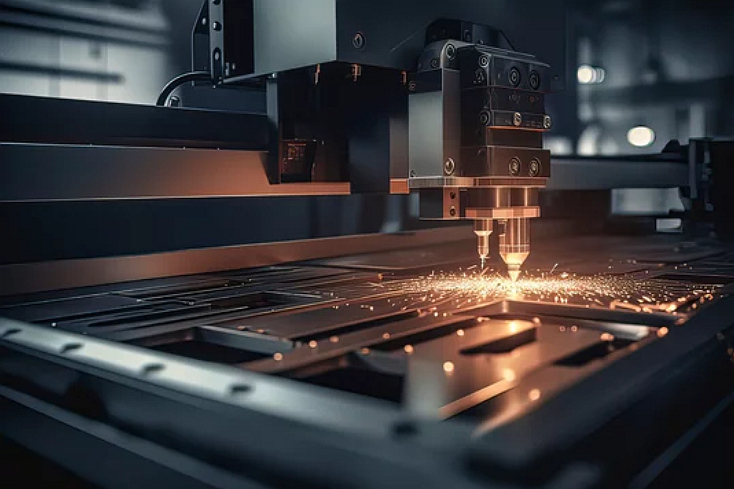
Laser cutting can be reviewed for carbon steel, stainless steel, aluminum, copper alloys, brass, titanium, and selected plastics, but capability depends on the exact material and cut requirement. Laser cutting material and thickness limits depend on material grade, sheet or plate thickness, laser type, assist gas, edge quality, tolerance, heat input, and finishing requirements.
The practical RFQ problem is not asking for a universal maximum thickness. The practical RFQ problem is confirming whether the material can be cut with the required edge condition, hole quality, dimensional tolerance, burr limit, heat-affected zone, surface appearance, and downstream bending or finishing needs.
Which metals are commonly reviewed for laser cutting?
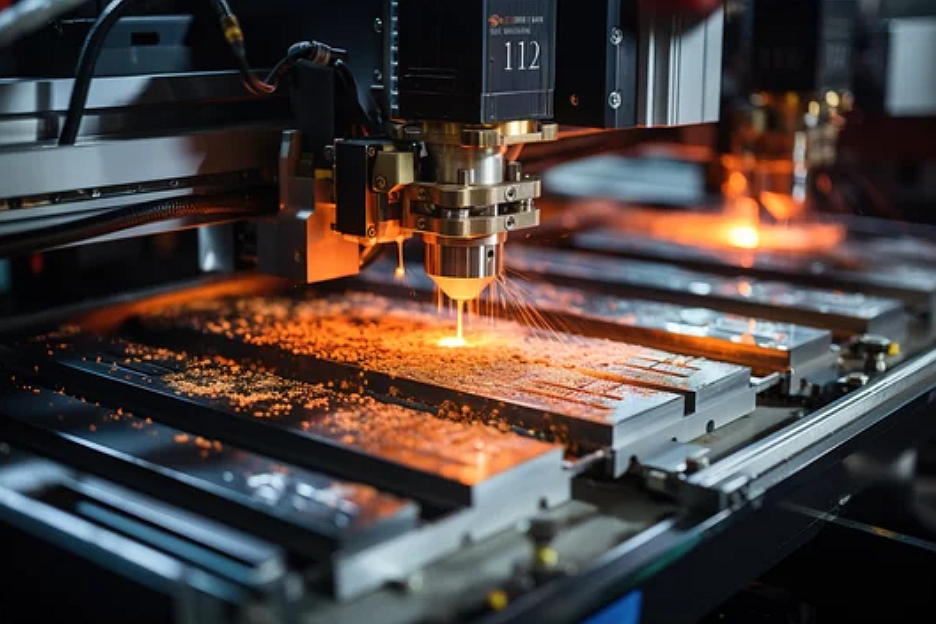
Common metal candidates include carbon steel, stainless steel, aluminum, galvanized steel, copper, brass, and titanium. Each material behaves differently because reflectivity, thermal conductivity, melting behavior, oxide formation, and surface coating affect cut quality.
Carbon steel can often be cut efficiently when the thickness, edge requirement, and assist gas match the process. Stainless steel often needs attention to edge oxidation, discoloration, and surface protection. Aluminum, copper, and brass need careful review because reflectivity and thermal behavior can affect cutting stability.
Which plastics can be laser cut and which need caution?
Selected plastics such as acrylic and some engineering plastics may be reviewed for laser cutting when the edge finish, heat input, fumes, and material safety are acceptable. The buyer should provide the exact plastic grade, thickness, color, filler content, protective film status, and edge appearance requirement.
Some plastics should not be cut without safety review. PVC, unknown plastics, flame-retardant materials, fiber-filled plastics, and materials that release corrosive or harmful fumes need supplier confirmation before processing. If laser cutting is not suitable, CNC machining, routing, stamping, or another process may be considered.
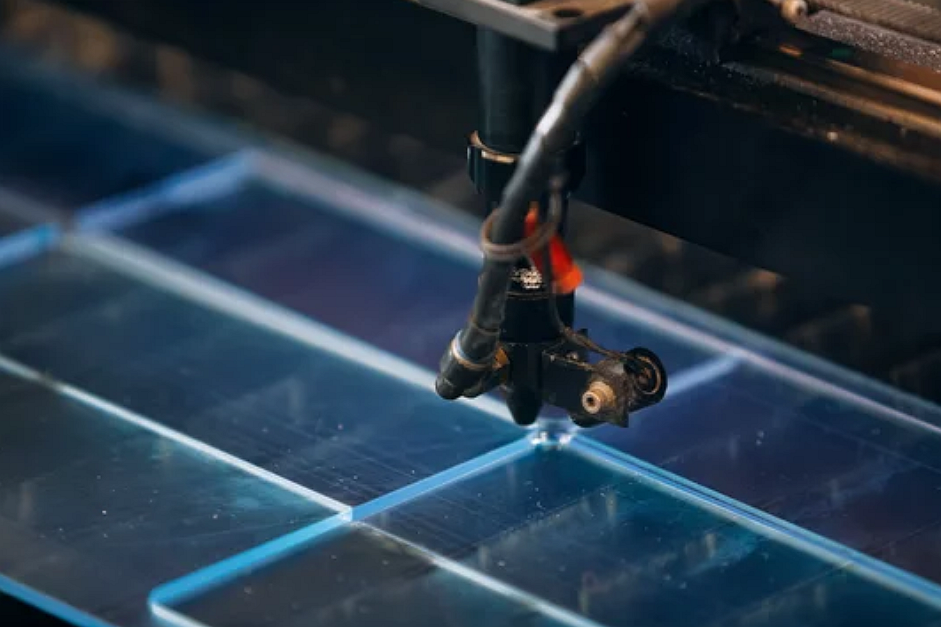
How does thickness affect laser cutting quality?
As material thickness increases, cutting speed, heat input, kerf width, edge roughness, taper, dross, and heat-affected zone can change. The same material may be easy to cut at one thickness and unsuitable at another thickness if the edge quality or tolerance requirement is strict.
Small holes, narrow slots, sharp inside corners, long thin tabs, and dense cut patterns become more difficult as thickness increases. The RFQ should define whether the part needs a cosmetic edge, functional edge, bend-ready edge, weld-ready edge, or rough blank for later machining.
How do assist gas and surface condition affect laser cutting?
Assist gas helps remove molten material and control the cut edge. Oxygen, nitrogen, air, or inert gases may be considered depending on material and edge requirement. The selected gas can affect oxidation, edge color, dross, and downstream finishing.
Surface condition also matters. Rust, oil, scale, paint, coating, protective film, scratches, and reflective surfaces can affect cut stability and appearance. Buyers should identify coated material, polished material, brushed surfaces, film direction, grain direction, and cosmetic faces before quotation.
What downstream processes change the laser cutting requirement?
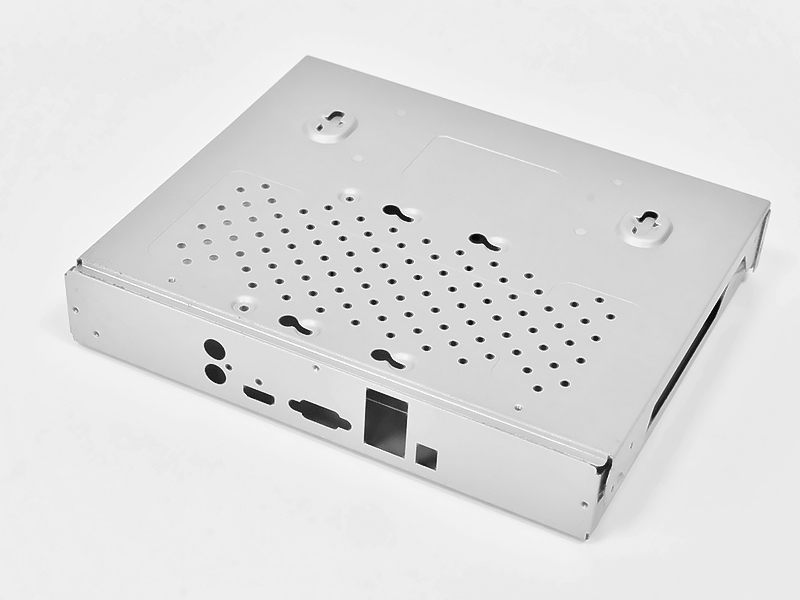
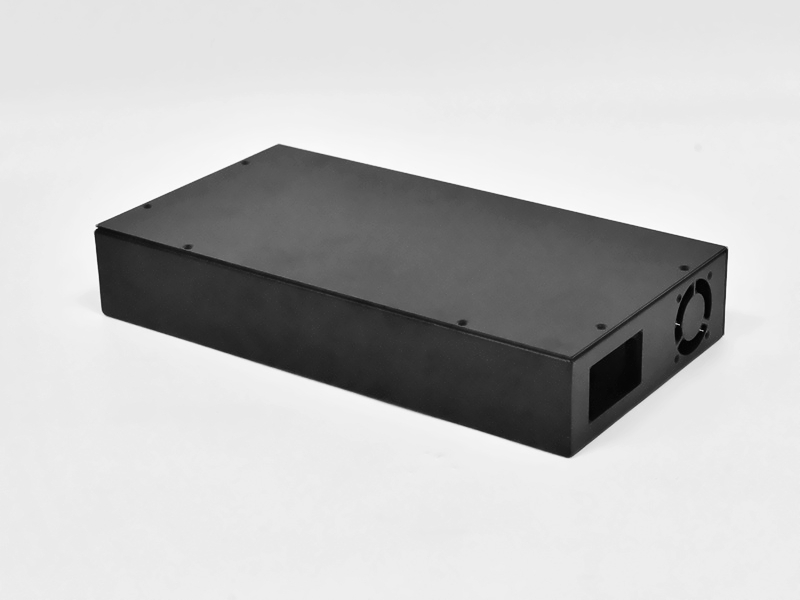
Laser cut blanks often move into metal bending, forming, welding, deburring, tapping, countersinking, powder coating, plating, painting, or assembly. These downstream processes can change the required edge condition and feature location.
For example, a hole near a bend may deform during forming. A tab may need deburring before coating. A cut edge may need cleaning before welding. A powder coated part may need masking around grounding points or threaded holes. The laser cutting RFQ should include the complete fabrication route when possible.
What inspection evidence supports laser cut material and thickness review?
Inspection evidence may include dimensional report, first article inspection, flatness check, burr inspection, edge visual standard, material certificate, surface roughness check, coating thickness report after finishing, and assembly fit check. The exact evidence depends on how the cut part will be used.
Buyers should mark critical holes, slots, tabs, outside profile dimensions, bend-related features, cosmetic edges, no-burr edges, and mating surfaces. A drawing that separates critical dimensions from general profile dimensions can help control cost and inspection scope.
Material Group | Laser Cutting Review Point | Manufacturing Risk to Check | RFQ Information Needed |
Carbon steel | Assist gas, edge oxidation, burr limit, and downstream welding or coating | Dross, heat-affected edge, warpage, and edge cleanup | Grade, thickness, edge requirement, finish, bend or weld sequence, and inspection method |
Stainless steel | Surface protection, discoloration, edge oxidation, and cosmetic surfaces | Heat tint, scratches, film damage, burrs, and passivation or finishing needs | Grade, finish, protective film, cosmetic faces, burr limits, and final surface treatment |
Aluminum | Reflectivity, thermal behavior, edge quality, and bend-ready features | Cut instability, burrs, taper, heat distortion, and surface marks | Alloy grade, temper, thickness, surface condition, bend requirements, and tolerance |
Copper and brass | Reflectivity, heat conduction, edge finish, and small feature quality | Cut instability, edge roughness, discoloration, and feature distortion | Material grade, thickness, surface finish, hole sizes, and acceptable edge condition |
Selected plastics | Material safety, fumes, heat input, edge appearance, and melting behavior | Burning, melting, discoloration, harmful fumes, and warped edges | Plastic grade, thickness, color, filler content, edge requirement, and safety confirmation |
What should buyers provide for a laser cutting material RFQ?
A useful RFQ should include the 2D drawing, CAD file, 3D model if available, material grade, thickness, surface condition, quantity, critical dimensions, hole sizes, slot widths, edge quality, burr limits, cosmetic faces, bend or weld sequence, finish type, and inspection method.
If thickness or material is uncertain, the buyer should ask for process review before releasing production. Laser cutting should be selected from material behavior and final part requirements, not from a generic material list alone.
Related FAQs