How does laser cutting achieve such high precision?
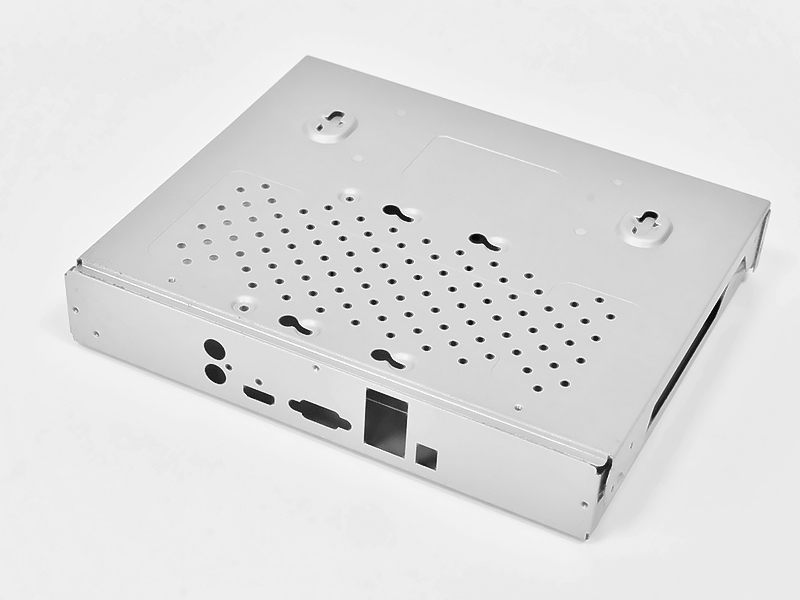
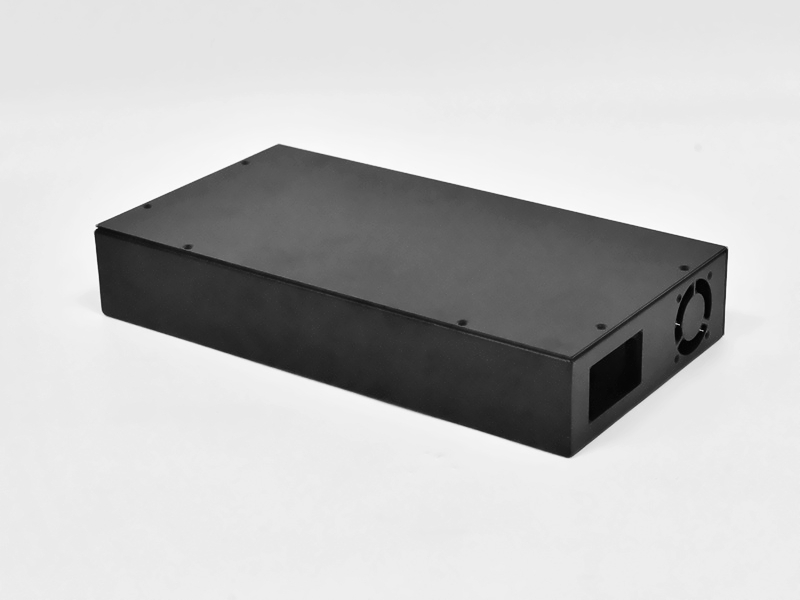
Laser cutting achieves high precision by combining a focused laser beam, controlled kerf width, CNC motion control, assist gas selection, material-specific cutting parameters, and inspection feedback. This FAQ explains how laser cutting accuracy is controlled for sheet metal panels, brackets, enclosures, covers, gaskets, and precision profiles, and what RFQ information buyers should provide when tight edges, holes, slots, or datums matter.
How does laser cutting achieve such high precision?
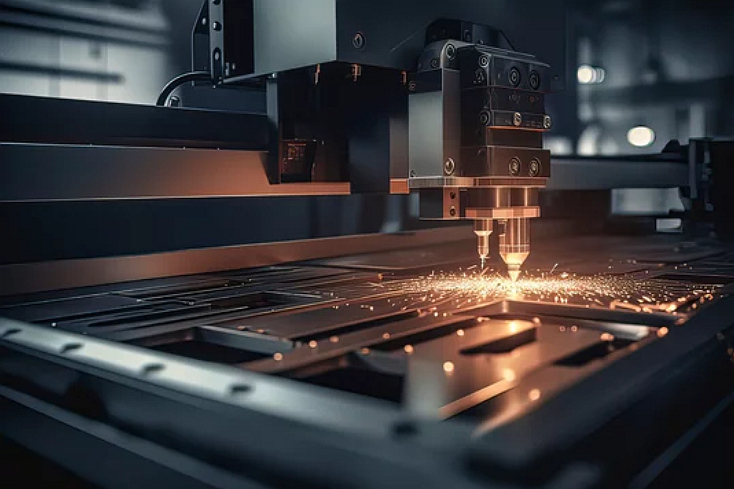
Laser cutting achieves precision by removing material along a programmed path with a narrow, focused energy source rather than a mechanical cutting tool. Precision depends on beam focus, machine calibration, motion stability, kerf compensation, assist gas, material thickness, sheet flatness, and thermal distortion control.
The buyer should define which dimensions actually require precision. A profile outline, small hole, slot, bend tab, cosmetic edge, sealing surface, and assembly datum may each need different tolerances or inspection methods. Laser cutting is often excellent for accurate flat profiles, but some features may still need deburring, reaming, tapping, bending, or CNC machining after cutting.
Precision control factor | Manufacturing effect in laser cutting | RFQ detail buyers should provide |
|---|---|---|
Beam focus and nozzle height | Controls cut width, edge taper, and cut stability | Material grade, sheet thickness, edge quality, and cosmetic surface requirements |
Kerf compensation | Offsets programmed geometry so the finished part matches the intended profile | Critical profiles, hole diameters, slots, and datum references |
CNC motion control | Maintains path accuracy through corners, arcs, holes, and nested parts | Part drawing, nested quantity, small-feature requirements, and inspection method |
Assist gas and cutting parameters | Affect burr, oxide edge, discoloration, heat input, and edge cleanliness | Material type, coating needs, weld preparation, and acceptable burr level |
Thermal distortion control | Reduces warping in long, thin, or heat-sensitive profiles | Flatness requirement, narrow webs, bend lines, and post-cut forming operations |
How do beam focus, kerf, and assist gas affect laser cutting precision?
Beam focus affects how concentrated the cutting energy is at the material surface or through the material thickness. Kerf is the material removed by the cut, and the cutting program must compensate for kerf so holes, slots, tabs, and outer profiles finish at the intended size. Assist gas helps remove molten material and influences burr, oxidation, and edge appearance.
For RFQs, buyers should state whether the part needs a clean cosmetic edge, oxide-free edge, weld-ready edge, tight hole fit, or simple profile cutting. Those requirements change cutting parameters and may also determine whether additional deburring or machining is needed.
How do CNC motion and programming maintain feature accuracy?
CNC motion control guides the laser head along the programmed toolpath. Stable acceleration, corner control, pierce strategy, lead-in and lead-out placement, and nesting layout all affect the final part. Small holes, narrow slots, sharp corners, and dense patterns are more sensitive to programming choices than simple outlines.
Buyers should provide a clean 2D drawing and identify datum edges, hole patterns, slot locations, and bend references. If the laser-cut part will later be used in sheet metal fabrication, the supplier should review bend lines, grain direction, tabs, and flat-pattern allowances before cutting production parts.
How do material thickness and heat distortion affect laser cutting accuracy?
Material thickness, thermal conductivity, reflectivity, coating, and sheet flatness all affect laser cutting accuracy. Stainless steel, carbon steel, aluminum, copper, brass, plastic, and composite materials respond differently to heat and assist gas. Long thin parts and dense cut patterns may also distort because heat is concentrated into a small area.
The RFQ should identify material grade, thickness, surface condition, coating, flatness requirement, and edge quality. For consumer electronics, telecommunication, medical-device, automotive, or aerospace equipment parts, inspection and documentation requirements should be included with the drawing.
When does a precision laser-cut part need secondary operations?
A precision laser-cut part may need secondary operations when the cut edge, hole size, surface finish, thread, bend, weld joint, or assembly datum cannot be satisfied by cutting alone. Common secondary operations include deburring, tapping, countersinking, bending, welding, coating, polishing, reaming, or CNC machining.
Buyers should distinguish between a laser-cut profile tolerance and a functional assembly tolerance. If a hole will carry a precision pin, bearing, screw, or sealing feature, the RFQ should state whether laser cutting is acceptable or whether post-cut machining is required.
What RFQ information helps suppliers control laser cutting precision?
A precision laser cutting RFQ should include the material grade, sheet thickness, 2D drawing, 3D model if needed, quantity, critical dimensions, tolerance notes, cosmetic surfaces, burr limits, edge quality, bend or weld requirements, finishing route, and inspection method. Buyers should mark features that need tighter control instead of applying unrealistic tight tolerances to every edge.
With the right RFQ information, the supplier can choose the laser type, cutting parameters, nesting strategy, assist gas, tab locations, deburring plan, and inspection process. That makes precision a measurable manufacturing requirement rather than a general claim.
Related FAQs