What is the most common technique used in metal bending?
Air bending is the most common technique used in metal bending because CNC press brakes can form many sheet metal angles with flexible tooling, lower forming force, and practical setup efficiency. This FAQ explains how air bending works for brackets, covers, panels, enclosures, frames, and sheet metal fabrication parts, and what RFQ details buyers should provide for bend angle, radius, material, springback, and inspection.
What is the most common technique used in metal bending?
Air bending is commonly used in metal bending because the punch presses the sheet into a V-die without fully forcing the material against the bottom of the die. The bend angle is controlled mainly by punch depth, tooling, material thickness, and springback compensation.
The buyer decision should focus on part function rather than technique name. A simple bracket, cosmetic cover, enclosure panel, heat shield, and structural sheet metal part may each need different bend radius, tolerance, surface protection, grain direction, and inspection requirements.
Metal bending factor | Why air bending is commonly used | RFQ detail buyers should provide |
|---|---|---|
Bend angle flexibility | One tooling setup can often support multiple bend angles through stroke control | Required bend angles, angular tolerances, and inspection method |
Tooling efficiency | Air bending can reduce the need for dedicated tools on many sheet metal parts | Part quantity, design maturity, and expected revisions |
Material variation | Springback can be compensated when material behavior is understood | Material grade, thickness, temper, grain direction, and coating |
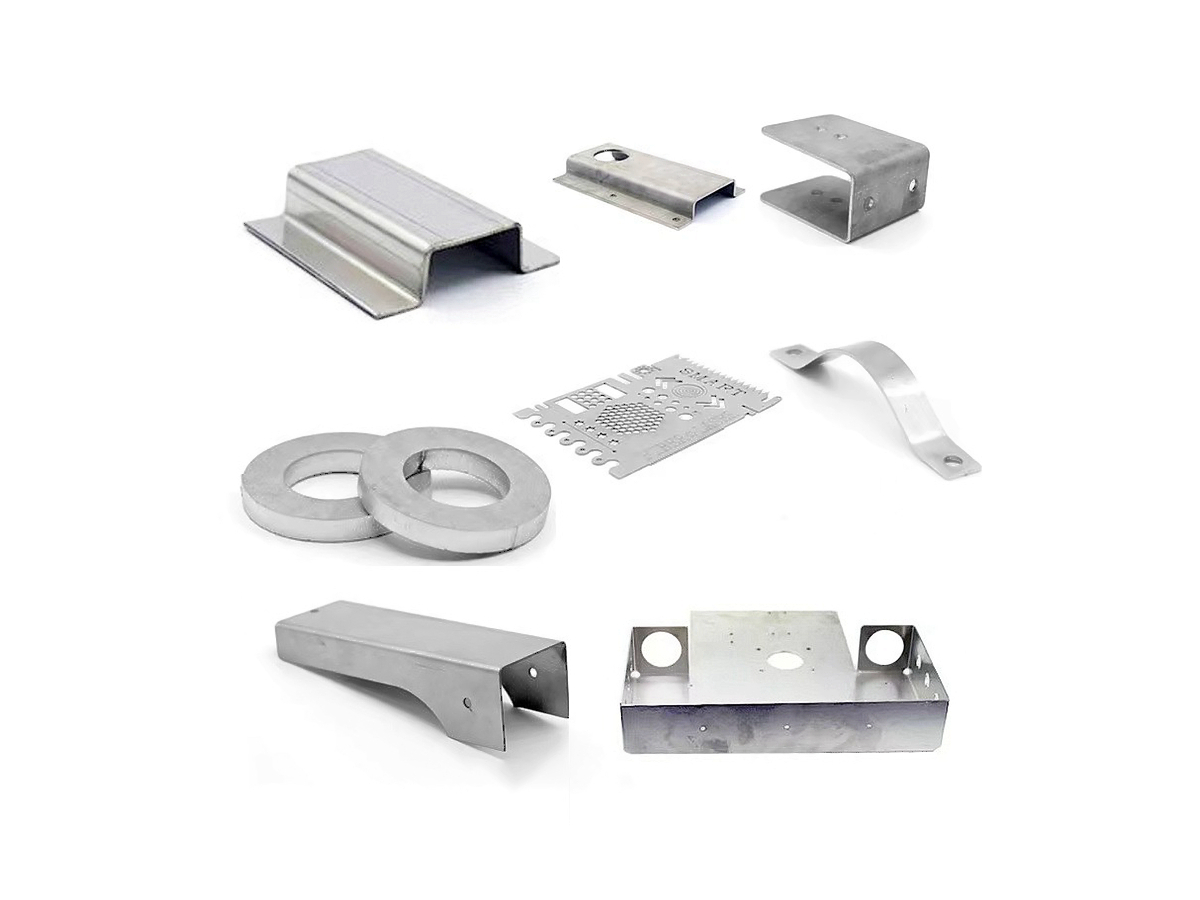
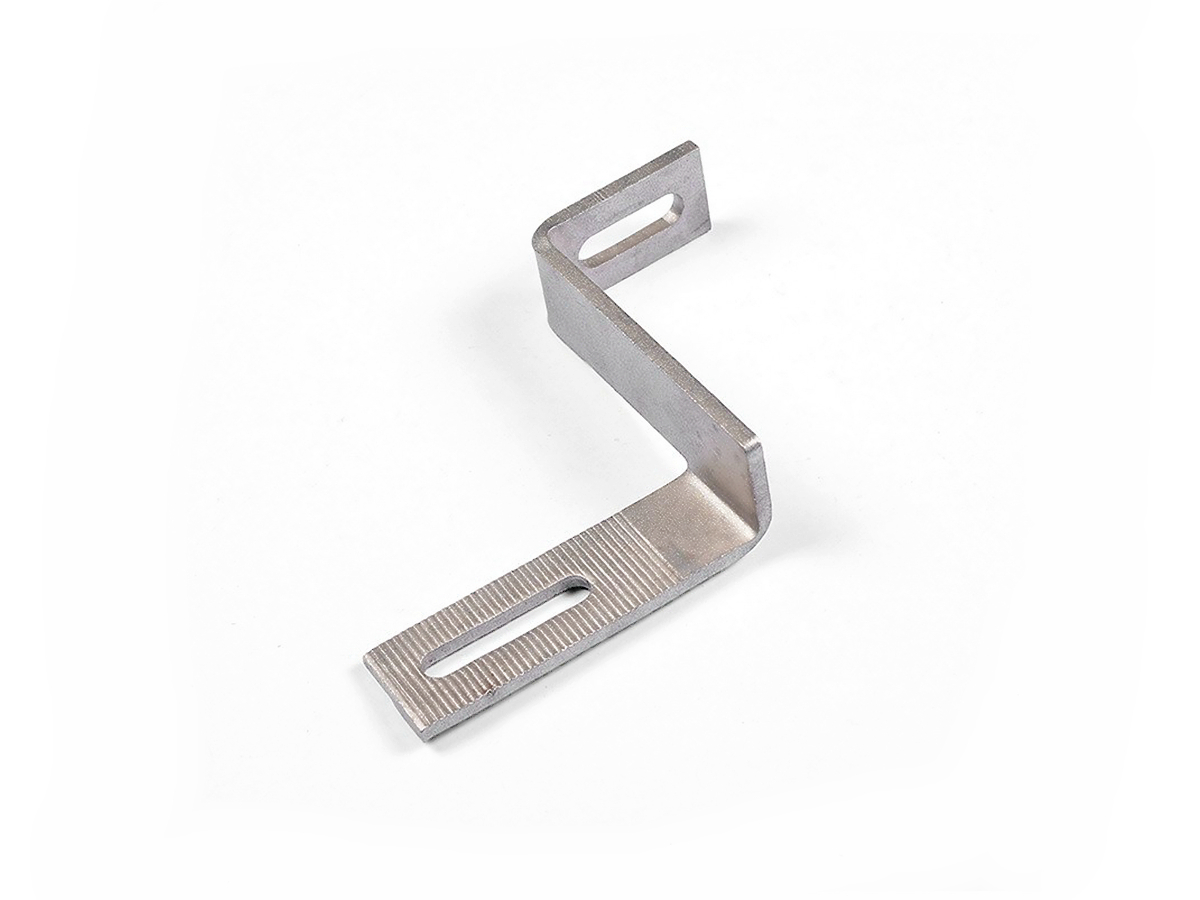
Part geometry | Works well for many brackets, covers, panels, and enclosure parts | Flange length, hole-to-bend distance, inside radius, and bend sequence |
Production control | CNC press brakes can repeat programmed bend sequences with controlled setup | Critical dimensions, datum references, and first article requirements |
How does air bending work on a CNC press brake?
In air bending, a punch pushes the sheet metal into a V-die and stops before the material fully bottoms out. The final angle is affected by punch depth, die opening, punch radius, material thickness, and elastic springback after the press brake releases the sheet.
Because the material does not fully conform to the die, air bending depends on setup control and material knowledge. Buyers should provide drawings with bend direction, inside bend radius, flange length, hole positions, and critical formed dimensions instead of only sending a flat profile.
Why do buyers use air bending for custom sheet metal parts?
Buyers use air bending because it is flexible for prototypes, low-volume work, and production parts with several bend angles. It is commonly used with sheet metal fabrication routes that begin with laser cutting or plasma cutting and continue into bending, welding, finishing, and assembly.
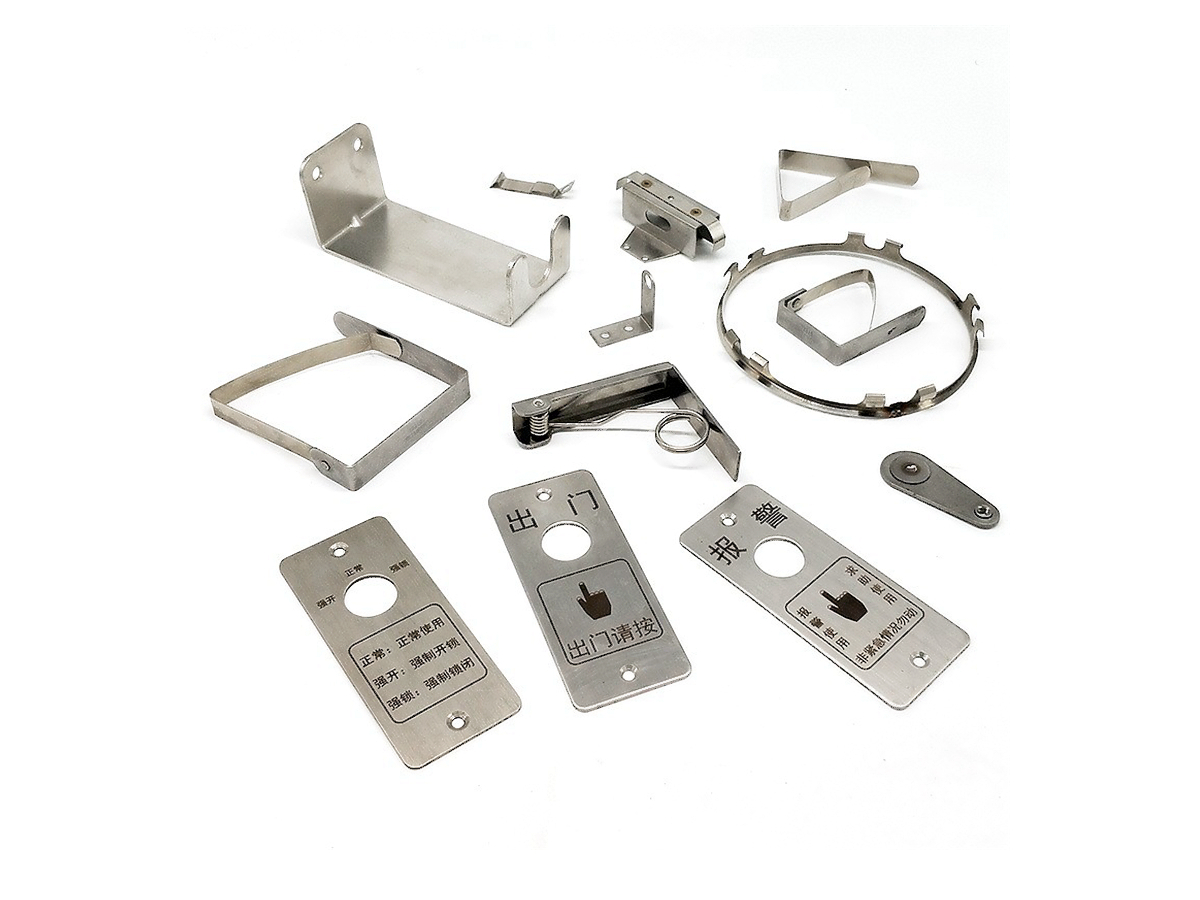
Air bending can support automotive brackets, telecommunication panels, lighting housings, energy equipment covers, and consumer electronics sheet metal parts when the material and geometry are suitable.
When should bottoming or coining be compared with air bending?
Bottoming or coining should be compared when the part needs tighter angular control, reduced springback variation, or a more defined bend radius than air bending can provide for the material and geometry. These methods may require higher force, more specific tooling, and a different cost structure.
The RFQ should state whether bend angle variation, springback, flange fit, and formed dimension repeatability are critical. If the part is thick, hard, coated, or used in a tight assembly, the supplier may need to compare bending methods before confirming tooling.
What design features affect air bending quality?
Air bending quality is affected by inside radius, material thickness, bend allowance, bend deduction, flange length, hole-to-bend distance, relief cuts, grain direction, and bend sequence. Holes or slots too close to a bend may distort, and short flanges may be difficult to hold or form accurately.
Buyers should mark cosmetic surfaces, coated faces, bend lines, datum edges, and assembly-critical flanges. If the part has laser-cut or plasma-cut blanks, edge burrs and heat-affected areas should be controlled before bending.
What RFQ information helps control metal bending results?
A strong metal bending RFQ includes material grade, thickness, temper, coating, flat pattern, formed drawing, bend radius, bend angle, tolerances, grain direction, surface finish, quantity, bend sequence if known, and inspection method. Buyers should also identify whether the part will be welded, inserted, fastened, painted, powder coated, or assembled after bending.
With that information, the supplier can select air bending, bottoming, coining, or another forming method and account for springback, tooling, handling, and inspection. The most common method is useful only when it fits the part geometry and final assembly requirement.
Related FAQs