Flexibility in Fabrication: Versatile Material Handling in Custom Metal Bending
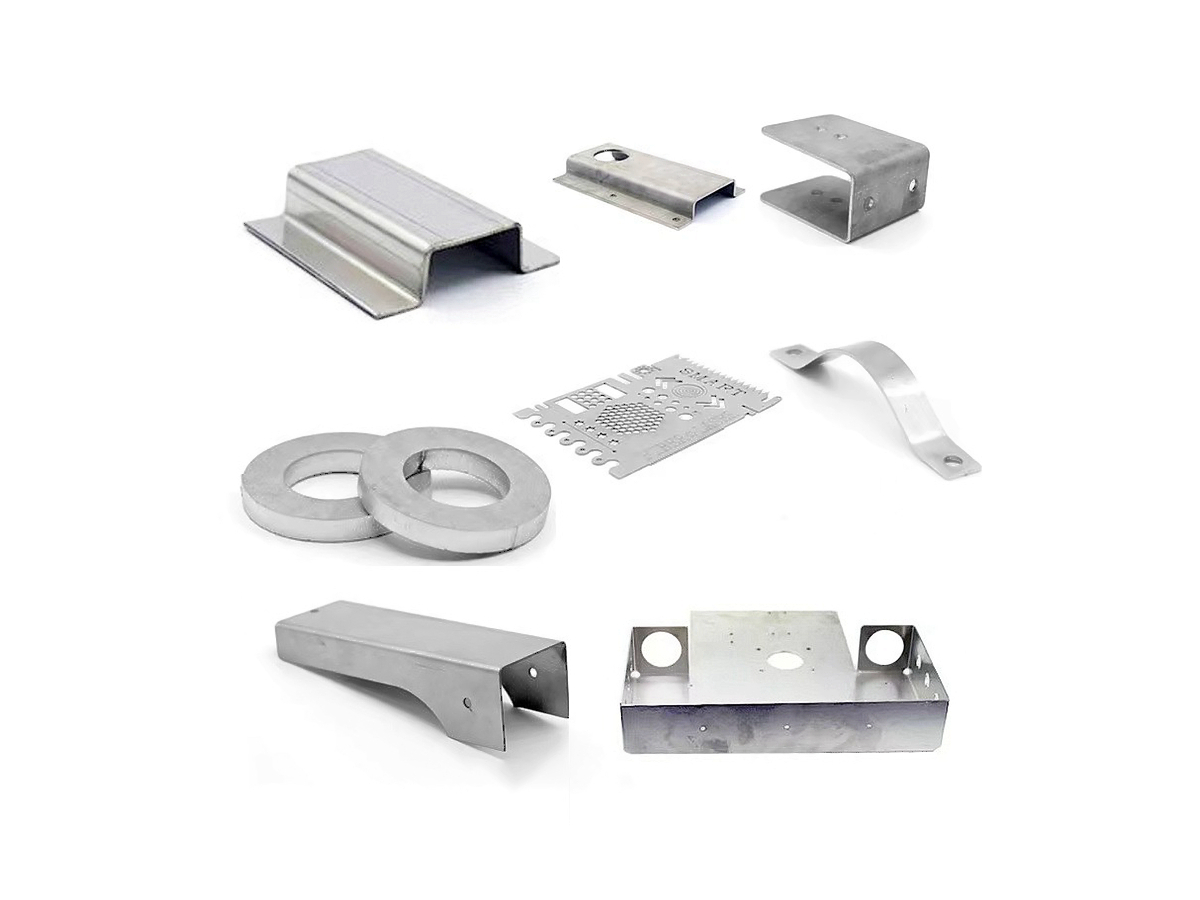
Custom Metal Bending Material Handling RFQ Decision: This article explains how buyers can specify custom metal bending for aluminum, stainless steel, carbon steel, galvanized steel, and other sheet metal parts used in brackets, enclosures, covers, clips, chassis parts, panels, frames, and formed supports. The practical RFQ problem is matching material grade, sheet thickness, bend radius, springback behavior, surface condition, batch grouping, secondary operations, and inspection criteria before quotation.
Versatile material handling in metal bending does not mean every material bends the same way. Aluminum may need a larger radius or careful grain direction review. Stainless steel may require more springback compensation. Carbon steel may be predictable for many brackets, but thickness variation and surface finish still affect the formed result. Buyers get better quotes when the RFQ explains both the material choice and the part function.
Which Materials Can Buyers Use In Custom Metal Bending?
Buyers can use many sheet metal materials in custom metal bending, but the suitability depends on grade, thickness, temper, bend radius, finish, and final application. Common materials include carbon steel, stainless steel, aluminum, galvanized steel, brass, and some copper alloys. The buyer should identify the material grade rather than only naming the metal family.
Material grade matters because bending is a forming process. A formed enclosure made from 5052 aluminum may behave differently from a formed bracket made from 6061 aluminum. A 304 stainless steel cover may need different springback compensation than a mild steel support. A galvanized steel part may need coating protection around the bend. These differences affect tooling, bend allowance, angle control, and inspection.
When the material is not fixed, the buyer should state which properties are required: corrosion resistance, low weight, strength, conductivity, appearance, coating compatibility, or cost control. That information allows the supplier to review possible material alternatives without weakening the finished part requirement.
How Do Aluminum, Stainless Steel, And Carbon Steel Bend Differently?
Aluminum, stainless steel, and carbon steel bend differently because each material has different ductility, yield strength, springback, surface sensitivity, and cracking risk. Aluminum is often selected for lightweight panels and covers, but alloy and temper strongly influence bendability. Stainless steel is often selected for corrosion-resistant parts, but springback and cosmetic marking require attention. Carbon steel is often selected for structural brackets and frames because it is practical for many formed parts.
Buyers should connect the material to the part type. Aluminum panels may need flatness and surface protection. Stainless steel covers may need visible-side marking and bend-line appearance control. Carbon steel brackets may need hole-to-bend distance review and weld edge planning. A material-flexible RFQ should describe these functional needs clearly.
Sheet Metal Material Entity | Common Bent Part Types | RFQ Risk To Clarify |
|---|---|---|
Aluminum sheet | Lightweight panels, covers, guards, chassis parts | Alloy, temper, bend radius, grain direction, and surface handling |
304 or 316 stainless steel sheet | Corrosion-resistant covers, brackets, equipment panels | Springback, visible side, tooling marks, and cleaning requirements |
Carbon steel sheet | Support brackets, frames, clips, mounting tabs | Thickness, bend sequence, hole location, and coating route |
Galvanized steel sheet | Outdoor covers, guards, and formed protective panels | Coating behavior, bend-line marks, and post-bend surface requirements |
How Should Buyers Match Material To Bend Radius And Springback?
Buyers should match material to bend radius and springback before approving the RFQ. Bend radius affects cracking risk, flange shape, and final angle. Springback affects how much the material returns after the press brake releases pressure. Both issues depend on material grade, thickness, grain direction, and bend method.
For aluminum, the RFQ should clarify alloy, temper, and whether the bend direction can be adjusted relative to grain. For stainless steel, the RFQ should identify critical angles and whether angle compensation is needed for assembly. For carbon steel, the RFQ should still define bend radius and critical flange dimensions because different sheet batches and thicknesses can influence final geometry.
Springback is not only a supplier setup issue. The buyer's drawing should identify which angles control function and which bends are non-critical. If every angle is treated as critical, the quote may include unnecessary inspection and adjustment. If no critical angle is defined, a part may pass general shape review but fail assembly.
How Does Material Handling Affect Multi-Part Fabrication Efficiency?
Material handling affects fabrication efficiency when one order includes several materials, thicknesses, and part numbers. Grouping parts by material and thickness can reduce setup changes, material staging, and handling mistakes. The buyer can support this by providing quantities by part number, material lists, revision control, and part identification requirements.
Mixed-material fabrication packages often include flat blanks from laser cutting or punching before bending. If the flat pattern and formed drawing are not coordinated, the bending stage can expose hole shift, short flanges, missing bend relief, or impossible bend sequences. Material handling is therefore connected to document handling and revision handling.
Material Handling Decision | Manufacturing Effect | Buyer Information Needed |
|---|---|---|
Group by material and thickness | Reduces setup changes and staging errors | Part number, material grade, thickness, and quantity |
Separate cosmetic materials | Reduces visible scratches and handling marks | Visible face, protective film requirement, and packaging notes |
Track flat pattern revision | Prevents wrong blank geometry before bending | Released CAD file, formed drawing, and revision number |
Plan secondary operations | Prevents bottlenecks after the bend stage | Welding, fasteners, powder coating, machining, and assembly requirements |
Which Secondary Operations Change The Bending Material Decision?
Secondary operations can change the best material choice for custom metal bending. Welding, riveting, tapping, machining, brushing, anodizing, galvanizing, and powder coating all interact with material selection and bend quality. A material that bends easily may not be the best choice if the final part requires corrosion resistance, cosmetic finish, or welded strength.
For example, a carbon steel bracket may be practical for bending and welding, but it may need coating for corrosion resistance. A stainless steel cover may provide corrosion resistance but may need careful surface handling to prevent visible marks. An aluminum panel may reduce weight but may need review of alloy, bend radius, and finishing route. If the buyer expects powder coating, the RFQ should state masking, visible surface, and hanging-hole requirements.
The best material decision is therefore not only a price question. It is a combined decision about bending, assembly, environment, finish, inspection, and life in service. Buyers should share the finished part application so the supplier can review material handling and bending feasibility together.
How Should Buyers Inspect Bent Parts Across Different Materials?
Inspection should reflect how each material behaves in bending. Typical checks include bend angle, flange length, hole position after bending, bend radius, flatness, surface marks, cracks, coating damage, and visible-face condition. The buyer should identify which features are critical for assembly and which surfaces are cosmetic.
Aluminum parts may need inspection for cracking near bend lines and surface handling marks. Stainless steel parts may need inspection for angle consistency, springback, visible side marks, and surface cleanliness. Carbon steel parts may need inspection for hole position, flange dimensions, and weld fit-up. Galvanized parts may need inspection for coating condition near the bend.
Inspection criteria should not be copied from one material to another without review. A realistic inspection plan prevents good parts from being rejected for non-critical variation and prevents risky parts from moving into assembly without enough control.
What Should A Material-Flexible Metal Bending RFQ Include?
A material-flexible metal bending RFQ should include material grade, approved alternatives, sheet thickness, formed drawing, flat pattern if available, bend radius, critical bend angles, bend direction, visible side, surface finish, quantity by part number, secondary operations, and inspection method. If material substitution is allowed, the RFQ should state what properties must remain fixed.
The RFQ should also state whether the supplier may adjust the flat pattern for tooling, bend allowance, and K-factor. If the buyer controls the flat pattern, that instruction should be clear. If the finished formed part controls acceptance, the supplier may need to modify the blank based on actual tooling and material behavior.
Versatile material handling in custom metal bending works best when the buyer connects material selection to bend performance, secondary operations, and inspection. A clear RFQ helps the supplier choose practical tooling, reduce setup errors, and deliver formed parts that fit the intended application.
Related FAQs