What metals benefit most from precision metal bending?
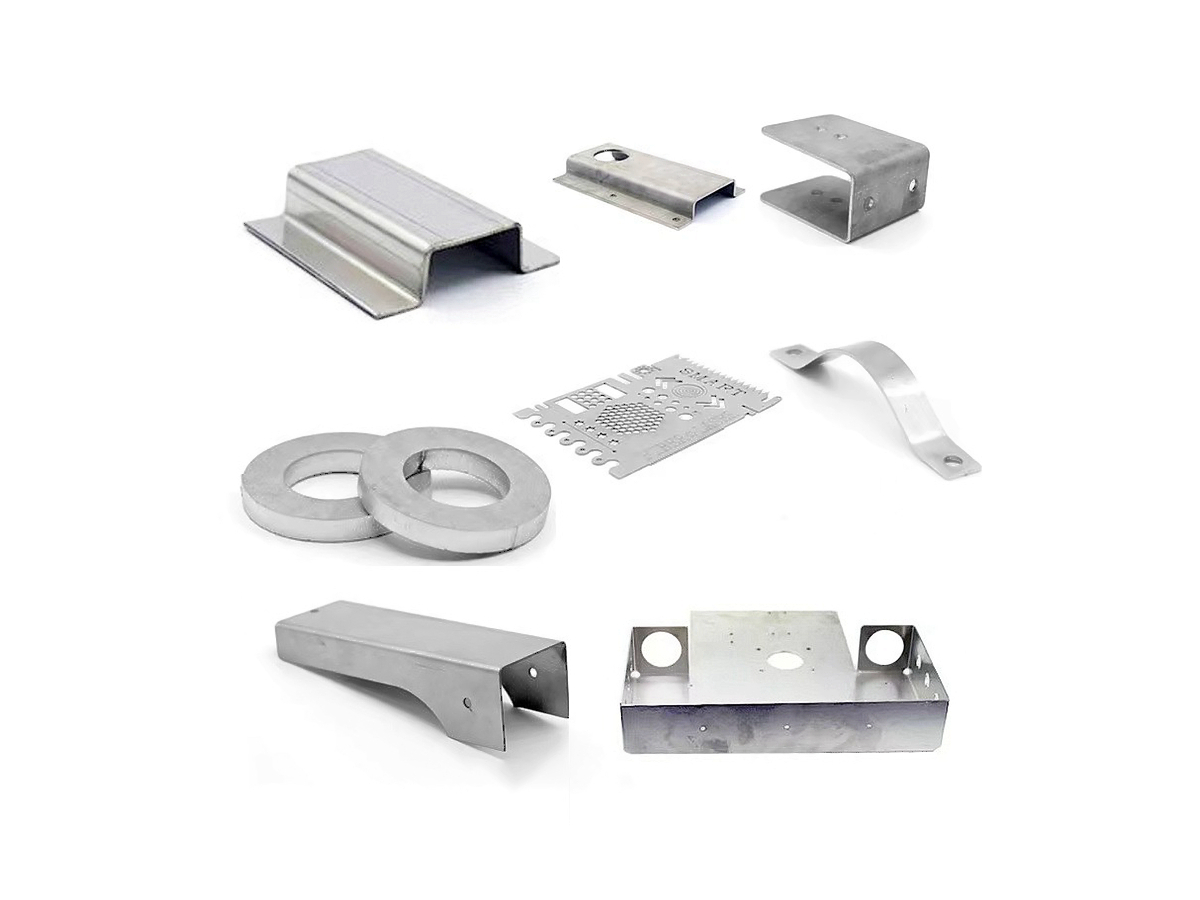
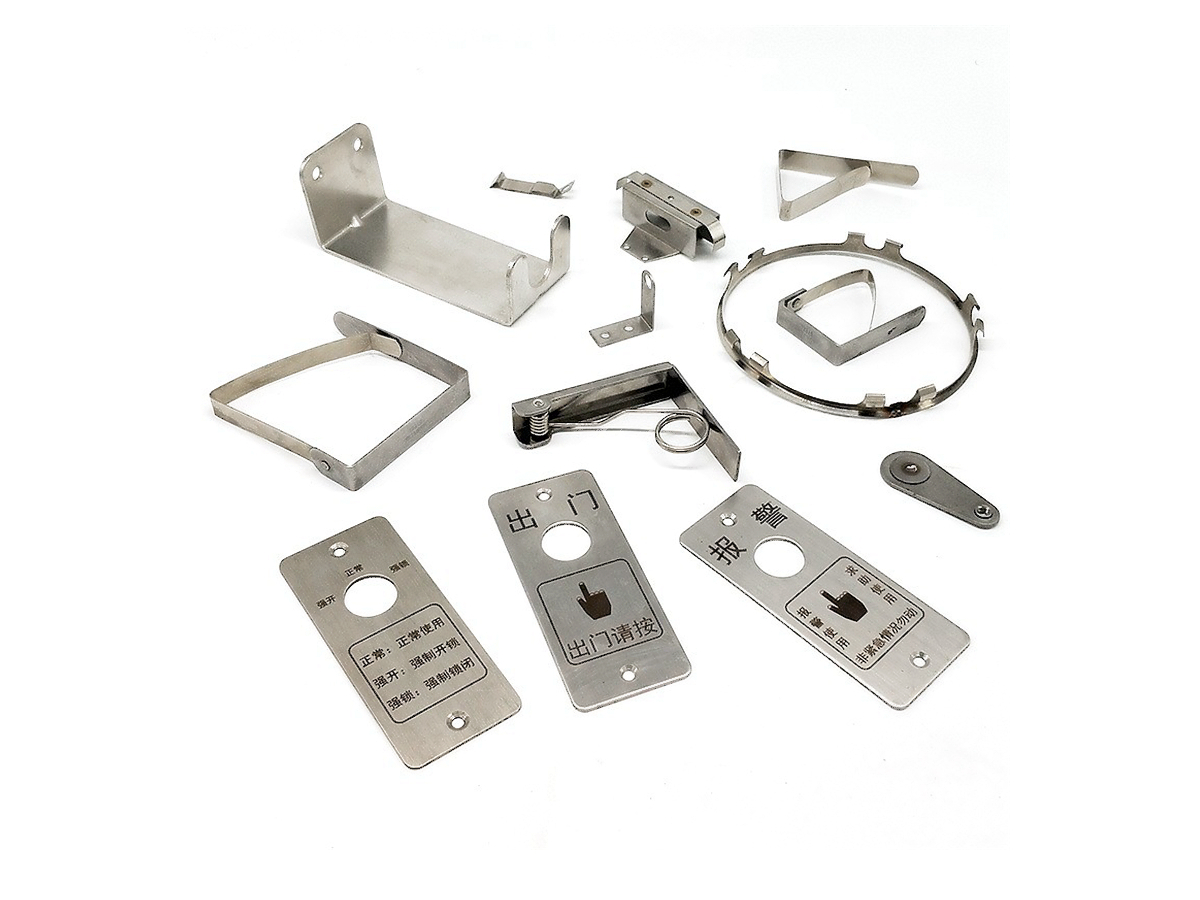
The metals that benefit most from precision metal bending are ductile sheet and plate materials such as low-carbon steel, stainless steel, aluminum alloys, copper, brass, and selected formable coated steels. For buyers quoting brackets, enclosures, covers, panels, clips, frames, and sheet metal assemblies, the practical RFQ question is whether the metal bending route can form the selected material without cracking, excessive springback, surface damage, or dimensional mismatch after cutting and finishing.
Which metals benefit most from precision metal bending?
Metals with predictable ductility, stable thickness, and known forming behavior benefit most from precision metal bending. Low-carbon steel is common for structural brackets and frames. Stainless steel is useful when corrosion resistance matters. Aluminum alloys are useful for lightweight covers and panels. Copper and brass are useful for conductive or decorative components when surface protection is planned.
The buyer decision should connect the material to the part function. A bendable metal is not automatically suitable for every geometry. Bend radius, grain direction, material temper, surface coating, hole location, and secondary operations all influence whether the formed part will meet the drawing.
Metal group | Bending behavior | Common bent part types | RFQ issue to confirm |
|---|---|---|---|
Low-carbon steel and mild steel | Generally predictable and widely used for forming | Brackets, frames, panels, guards, mounting plates | Thickness, bend radius, coating, weld areas, flatness |
Stainless steel | Strong and corrosion resistant, but springback can be higher | Equipment covers, medical equipment supports, guards, enclosures | Grade, grain direction, surface finish, springback allowance |
Aluminum alloys | Lightweight and formable when alloy and temper are selected correctly | Covers, housings, lighting parts, panels, lightweight brackets | Alloy, temper, bend radius, cracking risk, cosmetic face |
Copper and brass | Ductile but sensitive to surface marks and work hardening | Busbar bends, electrical brackets, decorative plates | Conductivity, surface protection, bend direction, annealing need |
Coated or pre-finished metals | Can be bent if coating strain and visible surfaces are controlled | Appliance panels, covers, enclosure parts | Coating type, outside face, bend radius, finish acceptance |
Why are low-carbon steel and mild steel common bending materials?
Low-carbon steel and mild steel are common because they offer predictable forming behavior for many brackets, frames, guards, panels, and welded assemblies. These materials are often compatible with cutting, bending, welding, powder coating, and machining in a complete sheet metal fabrication route.
The RFQ should still define thickness, bend radius, bend angle, hole positions, weld areas, and coating requirements. Holes placed too close to a bend, sharp inside radii, or unclear bend direction can create distortion or fit problems even with a formable steel.
Why is stainless steel useful but more demanding to bend?
Stainless steel is useful for bent parts that need corrosion resistance, strength, or a clean surface. It is more demanding because springback, work hardening, tool marks, and surface scratching can be more difficult to control than with some low-carbon steels.
Buyers should specify stainless steel grade, material thickness, surface finish, visible faces, bend direction, and inspection requirements. If a stainless steel cover or guard has cosmetic surfaces, protective handling and post-bend finishing should be discussed before quotation.
When do aluminum alloys benefit from precision bending?
Aluminum alloys benefit from precision bending when the alloy, temper, bend radius, and grain direction are matched to the design. Aluminum is useful for lightweight panels, covers, housings, brackets, and lighting components, but some tempers are more crack-sensitive than others.
The buyer should provide alloy and temper, not only the word aluminum. If the formed part needs anodizing, painting, or powder coating, the RFQ should state the visible face and finish requirement. The bend route should protect both dimensional fit and appearance.
Can copper and brass benefit from precision metal bending?
Copper and brass can benefit from precision bending when the part needs conductivity, spring contact behavior, corrosion behavior, or decorative appearance. These metals can be ductile, but they can also work harden and show tool marks if handling and tooling are not planned.
For busbar bends, electrical brackets, terminals, shields, and decorative plates, buyers should define conductivity needs, bend direction, surface protection, burr limits, and any post-bend cleaning. If the material needs annealing or special handling, that requirement should be discussed before quotation.
Which metals need extra review before bending?
High-strength steels, hardened materials, brittle tempers, thick plates, cast metals, coated sheets, and perforated sheets need extra review before bending. These materials may crack, spring back, damage coatings, or distort around holes and slots if the bend design is not matched to the material.
Buyers should avoid assuming that a material suitable for cutting or casting is automatically suitable for bending. The bend radius, material condition, rolling direction, coating, and part geometry should be checked before the route is confirmed.
How do cutting, holes, and finishing affect bending material choice?
Cutting, holes, and finishing affect bending because the blank condition influences the formed part. Laser-cut or plasma-cut edges, burrs, hole locations, notch geometry, surface coatings, and grain direction can all affect cracking, distortion, and fit after bending.
Buyers should provide the full process route when possible. If the part is cut by laser cutting, bent, welded, and powder coated, the material decision should consider every stage. A bend-friendly material still needs correct hole distance, deburring, and finish planning.
What RFQ details help select metals for precision bending?
A strong RFQ should include material grade, temper or condition, thickness, bend angle, inside bend radius, grain direction if relevant, hole locations, cut method, surface finish, visible faces, coating requirements, toleranced dimensions, and inspection method. These details help the supplier confirm whether the selected metal can be bent without avoidable cracking, springback, or surface damage.
The best buyer decision is to treat bending as a material-specific forming process. Precision metal bending works best when the material, blank geometry, bend design, tooling plan, finishing route, and inspection criteria are reviewed together.
Related FAQs