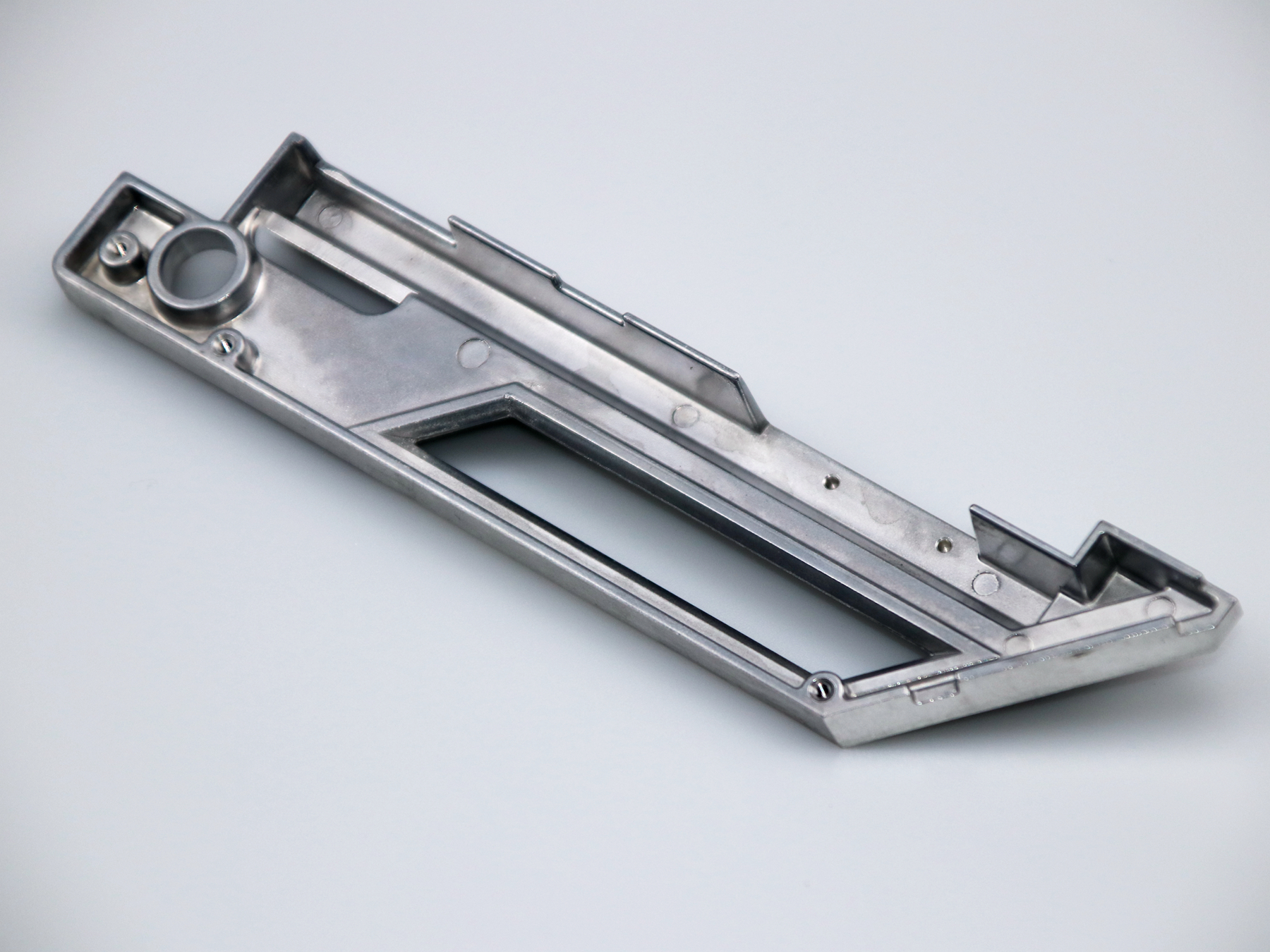
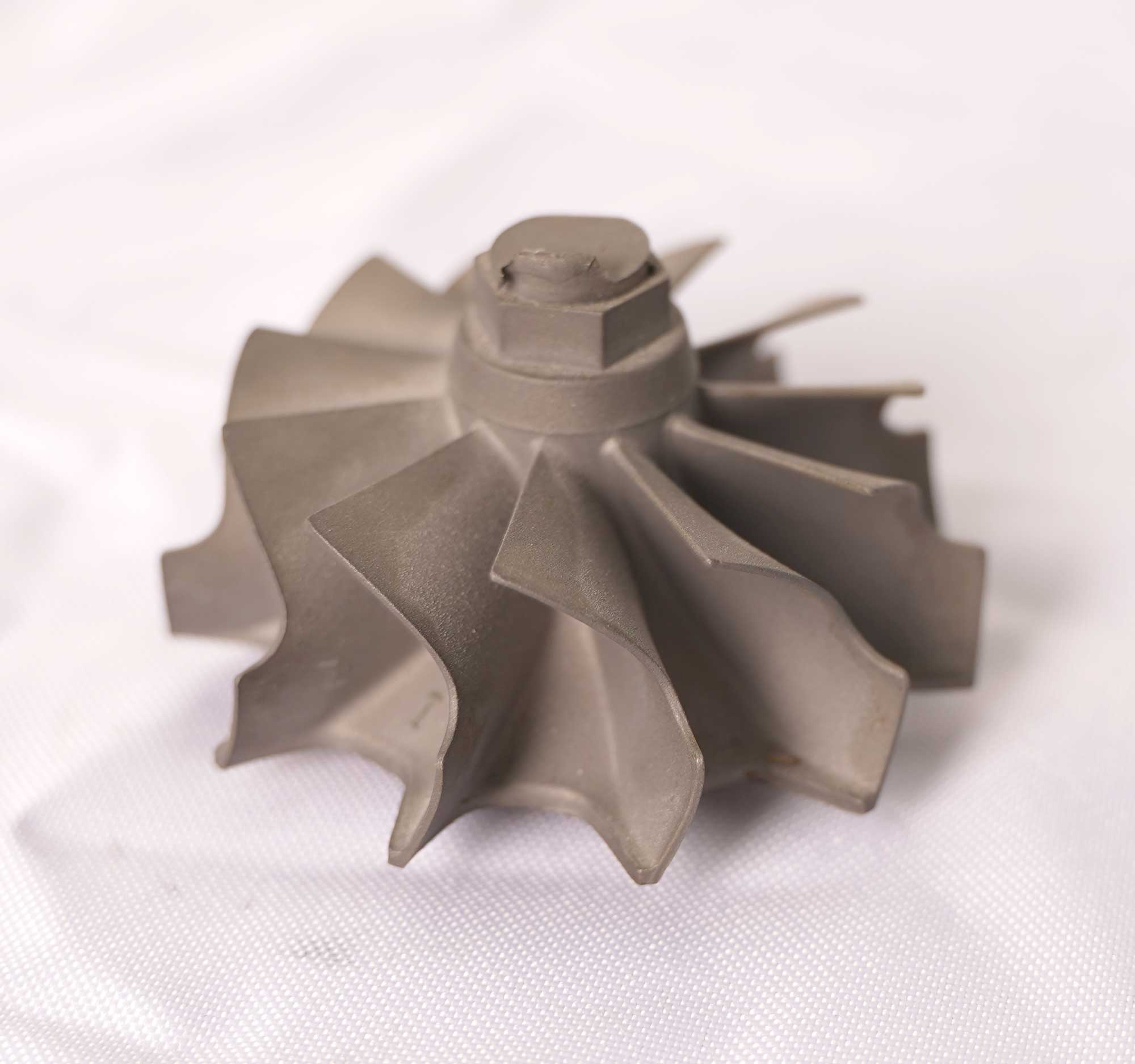
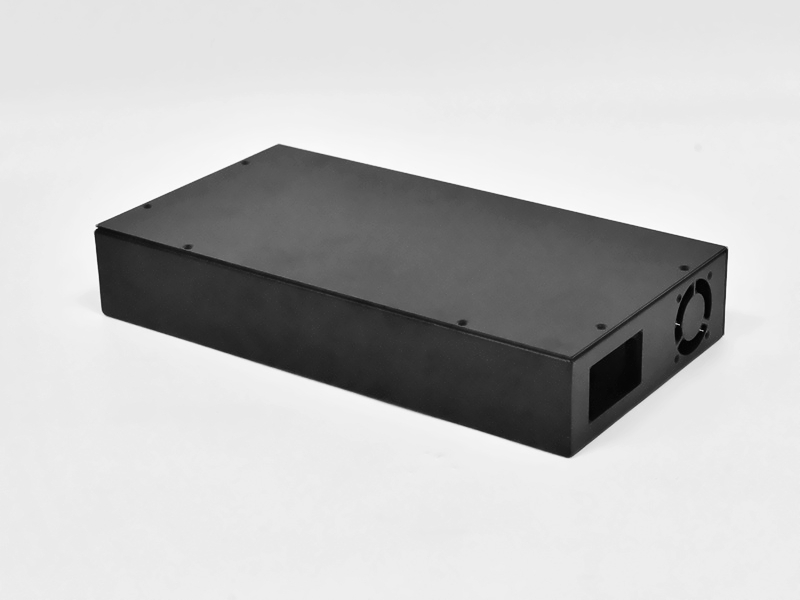
Eco-Smart Custom Parts: Advancing Sustainability in Gravity Casting Manufacturing
Eco-Smart Gravity Casting RFQ Decision: This article explains how buyers can evaluate custom gravity casting for aluminum housings, zinc alloy covers, copper alloy fittings, pump parts, valve bodies, brackets, and other custom metal parts when environmental goals must be balanced with cost, quality, material selection, machining, and inspection. The practical RFQ problem is defining what can actually be reviewed: reusable mold strategy, alloy choice, casting yield, scrap handling, secondary operations, packaging, and documentation.
Eco-smart manufacturing should not rely on broad claims. In gravity casting, environmental review becomes useful when the buyer connects sustainability requirements to production stages. Mold life, metal utilization, defect prevention, machining stock, finishing route, inspection plan, and rework control all affect the real manufacturing footprint and final quotation.
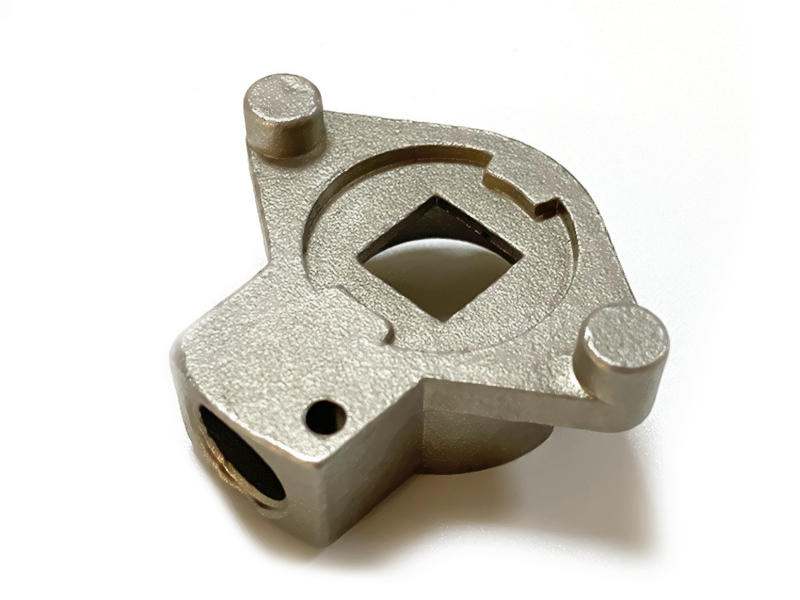
What Should Eco-Smart Mean In A Gravity Casting RFQ?
Eco-smart should mean that the RFQ identifies measurable manufacturing factors, not that the process is automatically low impact. For gravity casting, the buyer should ask how the supplier controls alloy selection, mold reuse, melting practice, gating yield, defect prevention, machining allowance, finishing, packaging, and documentation.
The engineering reason is that the same process can perform differently depending on the part. A simple aluminum cover with stable wall sections may support efficient permanent mold production. A complex pressure housing with difficult feeding, heavy machining, and strict leak testing may create more rework and scrap if the design is not reviewed early. Environmental review should follow the actual part geometry and acceptance criteria.
The RFQ implication is direct: buyers should state whether the environmental priority is material utilization, reduced rework, lower finishing burden, reusable tooling, recyclable alloy choice, or documented supplier practice. Each priority leads to different questions for the casting supplier.
Which Gravity Casting Factors Influence Material Waste?
Material waste in gravity casting is shaped by gating and riser design, casting yield, defect rate, machining allowance, and scrap handling. A well-planned casting route seeks to deliver the required metal part with controlled feed metal, realistic stock for machining, and fewer rejected castings. A poorly matched route can create waste through excess feed metal, excess machining, or repeated trial adjustments.
Buyers can reduce RFQ uncertainty by providing part weight, target annual quantity, wall thickness, critical dimensions, machined surfaces, and inspection requirements. The supplier can then review whether the gating system, riser locations, and machining stock are appropriate for the part. The buyer should ask how scrap from gates, risers, and rejected parts is handled only where that documentation is relevant to the purchasing requirement.
Defect prevention is also an environmental issue. Porosity, cold shut, shrinkage, inclusions, and surface defects can create rework or scrap. Clear acceptance criteria help the supplier focus process control on critical zones rather than over-processing non-critical surfaces.
Eco-Smart Casting Entity | Buyer Question | RFQ Detail To Provide | Manufacturing Implication |
|---|---|---|---|
Reusable permanent mold | Can the tooling support repeat batches? | Annual volume, design stability, expected reorder pattern | Mold reuse can support efficient repeat production when the design is stable |
Gating and riser system | How much metal supports the final casting? | Part weight, wall thickness, shrinkage-sensitive zones | Yield planning affects material usage and remelt load |
Machining allowance | How much material must be removed after casting? | Datum scheme, machined faces, stock allowance | Excess stock can increase CNC time and metal chips |
Defect prevention | Which defects create scrap or rework? | Porosity limits, visual standard, leak or pressure test need | Process control should focus on critical acceptance zones |
Finishing route | Which operations are required after casting? | Blasting, coating, polishing, anodizing review, packaging | Finishing choices change cost, handling, and documentation needs |
How Do Reusable Molds And Material Selection Affect Environmental Review?
Reusable molds are one reason buyers consider gravity casting for eco-smart custom parts. A permanent mold can support repeat batches without remaking a sand mold for every casting. That benefit is most relevant when the part design is stable, expected demand is known, and the mold can be maintained for repeat production.
Material selection also matters. Cast aluminum gravity casting may be reviewed for lightweight housings, covers, brackets, and thermal parts. Zinc alloy gravity casting may suit smaller covers or hardware where castability and finishing behavior are important. Copper alloy gravity casting may be considered for fittings, wear behavior, electrical needs, or thermal requirements.
The buyer should not treat a recyclable material name as a complete environmental review. The RFQ should still define grade, standard, finish, machining, corrosion exposure, and inspection. A material that is theoretically recyclable can still lead to waste if the casting geometry creates repeated defects or if the finish route is poorly specified.
Which Secondary Operations Change The Environmental And Cost Picture?
Secondary operations can strengthen or weaken the eco-smart case for gravity casting. CNC machining, drilling, tapping, heat treatment, shot blasting, polishing, painting, powder coating, anodizing review for suitable aluminum castings, assembly, and packaging all add process steps. Some steps are necessary for function; others may be optional if the buyer separates critical surfaces from non-critical surfaces.
The buyer should define which features actually need post-casting work. A sealing face may require machining and leak testing. A visible housing may require coating and cosmetic inspection. A hidden bracket surface may only need basic cleanup. Clear surface priorities prevent unnecessary finishing and help the supplier quote a route that fits both cost and environmental intent.
Packaging should also be included when the buyer has requirements for part protection, corrosion prevention, or reduced packaging waste. Packaging details affect shipping damage, rework, and customer receiving inspection, so packaging belongs in the RFQ when environmental goals are part of the purchase decision.
How Should Buyers Request Documentation Without Overclaiming?
Buyers should request documentation that matches the part risk and purchasing requirement. Useful documents may include material certificates, process flow, inspection reports, heat treatment records, finishing specifications, packaging requirements, or supplier statements about scrap handling when those documents are relevant. The documentation should support the manufacturing facts of the order.
Overclaiming creates risk. Statements about universal emissions reduction, zero waste, or automatic compliance should not replace process evidence. Gravity casting may support environmental objectives for suitable parts, but the result depends on material grade, part design, mold route, casting yield, secondary operations, supplier practice, and buyer acceptance criteria.
For regulated or customer-specific environmental programs, the buyer remains responsible for defining required standards, declarations, and validation criteria. The supplier can provide manufacturing information, but the buyer should confirm whether the supplied evidence meets the final product requirement.
Environmental RFQ Need | Manufacturing Evidence | Buyer Should Specify | Risk If Missing |
|---|---|---|---|
Material traceability | Material certificate or supplier material record | Alloy grade, standard, certificate requirement | Material approval may be delayed after production |
Lower rework risk | Inspection plan and defect acceptance criteria | Critical zones, visual criteria, leak test if needed | Rejected parts can increase scrap and cost |
Controlled finishing | Finish specification and surface preparation route | Coating type, cosmetic zones, masking, packaging | Extra finishing steps may appear late in the project |
Reusable tooling case | Mold plan and expected repeat production scope | Design maturity, annual demand, tool maintenance assumption | Mold investment may not match the program volume |
When Is Gravity Casting Not The Best Eco-Smart Route?
Gravity casting is not always the best route for environmental or cost goals. Sand casting may be more practical for very large castings, lower tooling pressure, or complex core requirements. Aluminum die casting may be more appropriate for high-volume thin-wall aluminum parts when die investment is justified. CNC machining may remain suitable for very low quantities, simple geometries, or unstable designs.
The buyer should compare routes using part-specific inputs: material grade, volume, wall thickness, tolerance requirement, machined surfaces, finish, defect limits, and documentation needs. A process that looks eco-smart in a general description may not be the best choice for a part that requires heavy machining, multiple finish trials, or difficult inspection.
A cautious route comparison prevents green language from hiding manufacturing risk. The buyer should choose gravity casting when the reusable mold, casting yield, secondary operations, and inspection plan fit the actual part requirement.
What Should An Eco-Smart Gravity Casting RFQ Include?
An eco-smart gravity casting RFQ should include the 2D drawing, 3D model if available, material grade, target quantity, expected repeat demand, part function, wall thickness, machined features, finish requirements, inspection requirements, packaging needs, and any environmental documentation requested by the buyer. The RFQ should also identify whether the buyer is comparing gravity casting with sand casting, die casting, or CNC machining.
The buyer should separate required and optional requirements. Required items may include material grade, critical dimensions, sealing tests, or customer-specific documentation. Optional items may include a specific finish, packaging preference, or additional report format. This separation helps the supplier quote the essential route and show which choices affect cost or environmental review.
Gravity casting can support eco-smart custom parts when the manufacturing plan is clear. The strongest buyer decision connects environmental goals to process evidence: reusable tooling, appropriate material selection, defect prevention, controlled machining, suitable finishing, and documented inspection.
Related FAQs
How does gravity casting contribute to environmental sustainability?
What are the primary sustainability benefits of eco-smart custom gravity cast parts?
Which industries benefit most from sustainable gravity casting practices?
What challenges do manufacturers face when adopting sustainable gravity casting?
How are technological advancements shaping the future of eco-smart gravity casting?
What future innovations are expected to further improve gravity casting processes?