Eco-Smart Manufacturing: The Environmental and Economic Advantages of Aluminum Die Casting
Aluminum Die Casting Environmental Cost RFQ Decision explains how high-pressure aluminum die casting can support material efficiency and cost control for housings, brackets, enclosures, heat sinks, motor parts, and structural aluminum components. The buyer decision is whether die-cast aluminum should replace machined, fabricated, assembled, sand-cast, or gravity-cast alternatives. The practical RFQ problem is that environmental and economic value depends on alloy choice, part consolidation, casting yield, scrap handling, secondary operations, finish requirements, defect control, and production volume.
How Can Aluminum Die Casting Support Material Efficiency?
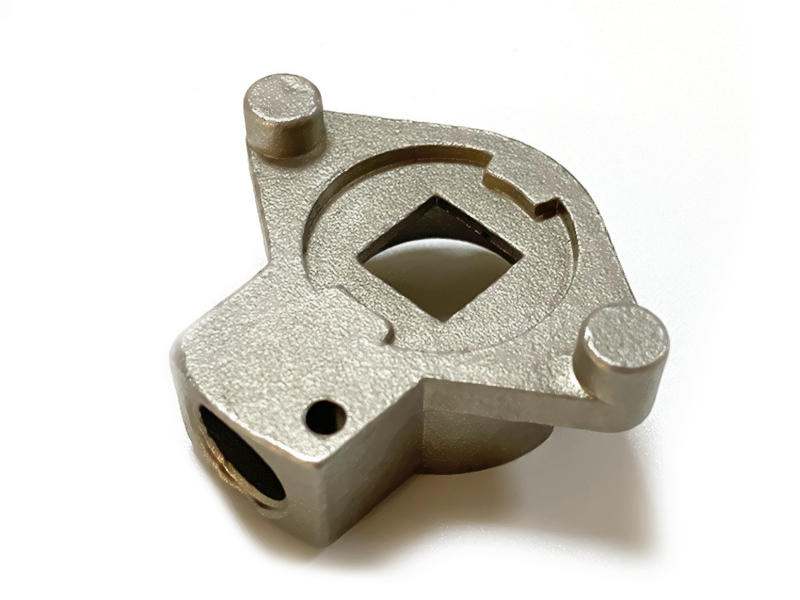
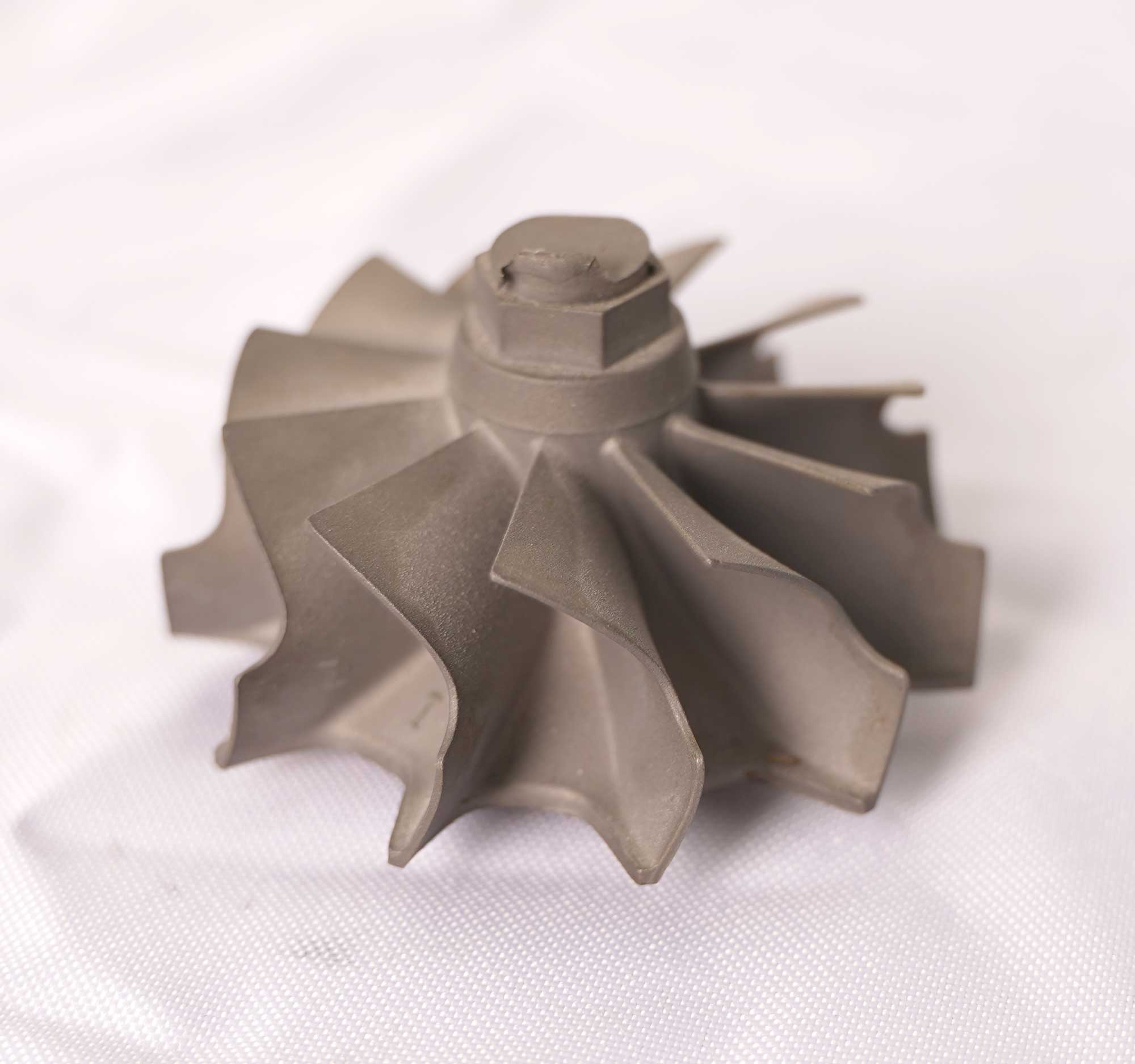
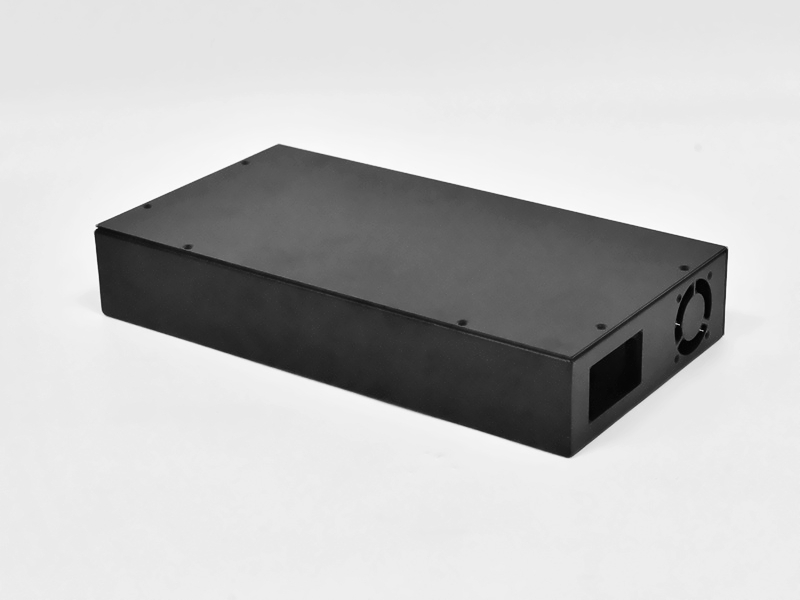
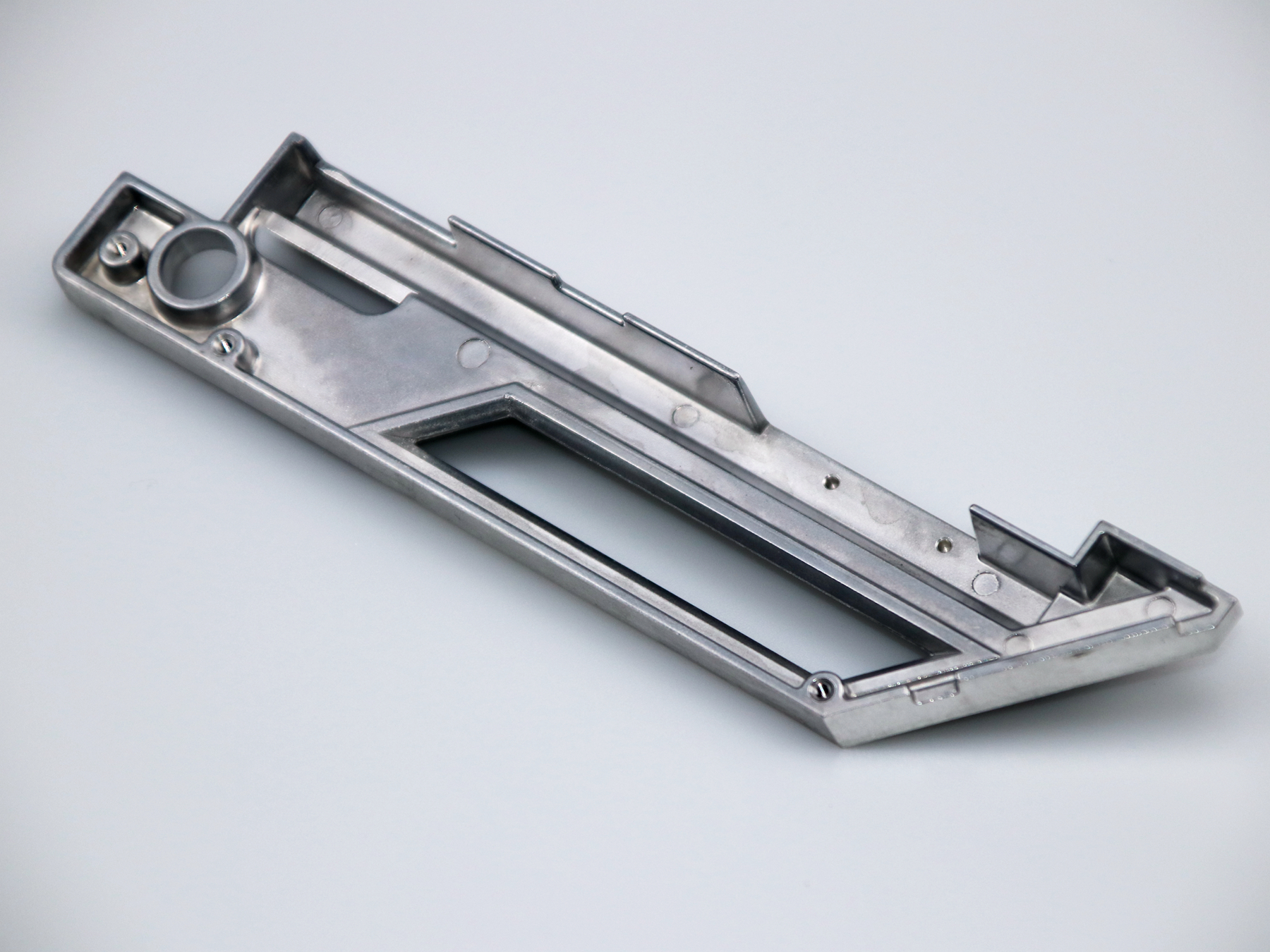
Aluminum die casting can support material efficiency by producing near-net-shape parts with integrated walls, ribs, bosses, heat fins, and mounting features. When the design fits the process, less material may need to be removed compared with machining a similar shape from solid stock.
The material benefit depends on the actual part route. Gate systems, runners, overflow, trimming, machining allowance, scrap handling, and rejected castings all affect material efficiency. Buyers should ask about the finished-part route, not only the casting operation.
Aluminum is also recyclable as a material category, but the practical recycling plan depends on alloy control, scrap segregation, customer requirements, and local recycling channels. If recycled content or material traceability matters, the RFQ should state that requirement clearly.
Which Cost and Environmental Factors Should Buyers Compare?
Buyers should compare tooling, material yield, part consolidation, machining reduction, secondary operations, scrap risk, and inspection effort. A process may look economical at the casting step but become expensive if finishing, machining, or defect control is underestimated.
Aluminum Die Casting Factor | Environmental or Cost Impact | RFQ Information Needed |
|---|---|---|
Near-net-shape casting | Can reduce machining and raw material removal when design is suitable | 3D model, 2D drawing, machined surfaces, and critical dimensions |
Part consolidation | Can reduce separate parts, fastening, welding, or assembly steps | Current assembly route, part count, and functional requirements |
Alloy and scrap control | Affects recycling, material traceability, and casting process stability | Alloy requirement, traceability requirement, and material specification |
Surface finish and secondary operations | Can add material, energy, masking, rework, and inspection steps | Finish requirement, visible surfaces, corrosion requirement, and packaging needs |
When Is Aluminum Die Casting Economical for Production?
Aluminum die casting is most economical when repeat volume can justify die tooling and when the part geometry benefits from integrated features. The steel die is a major investment, so the buyer should connect the expected production volume to the tooling plan.
Compared with sand casting or gravity casting, high-pressure die casting can be practical for repeat production of complex aluminum parts. Sand casting or gravity casting may still be better for lower-volume, larger, or less tooling-intensive parts. The correct route depends on part geometry, volume, alloy, tolerance, finish, and application risk.
Buyers should share annual demand, launch quantity, expected product life, forecast uncertainty, and any prototype-to-production plan. These details help Neway compare die casting with other manufacturing routes.
How Do Aluminum Alloys Affect Environmental and Cost Decisions?
Aluminum alloy selection affects castability, mechanical behavior, surface finish, machining, corrosion response, and material control. The alloy also affects how scrap is segregated and reused within applicable material controls.
A380 and ADC12 are common die casting alloys for many housings and brackets. A356 may be reviewed when the application or casting route calls for a different property balance. Buyers should provide the required alloy if the drawing specifies one; otherwise, the RFQ should describe the operating environment and finish requirement.
Alloy decisions should be tied to the finished part. A heat sink, sealed housing, cosmetic cover, and structural bracket may require different casting, machining, and finishing choices.
What Defect Controls Protect Cost and Material Efficiency?
Defect control protects cost and material efficiency by reducing scrap, rework, remelting, machining waste, and inspection loops. Common aluminum die casting defects include porosity, cold shut, shrinkage, flash, soldering, cracks, and dimensional variation.
Defect risk depends on part design, gate and runner layout, venting, wall thickness, alloy behavior, die temperature, shot control, trimming, and machining. Buyers should define where defects matter most. Porosity on a hidden rib may not carry the same risk as porosity on a machined sealing surface or pressure-tested cavity.
Defect-Control Item | Cost or Material Risk | Buyer RFQ Input |
|---|---|---|
Porosity requirement | Can affect sealing, machining, strength, or rejection rate | Leak test, pressure test, machined surfaces, and acceptance criteria |
Wall thickness transition | Can affect shrinkage, fill, and local scrap risk | 3D model, rib design, boss design, and critical sections |
Trimming and deburring | Can add labor, edge variation, or cosmetic rework | Acceptable trim marks, edge condition, and visible surfaces |
Machining allowance | Can add cycle time and material removal after casting | Machined faces, threaded holes, datum surfaces, and tolerances |
How Do Finishing Choices Affect Environmental and Economic Review?
Finishing choices affect both environmental and economic review because coatings, surface preparation, masking, washing, curing, machining, and packaging add process steps. The finish should be selected for the part's environment and function, not only for appearance.
Powder coating, painting, shot blasting, tumbling, machining, sealing, and anodizing cast aluminum review each have different requirements. Die-cast aluminum does not always behave like wrought aluminum during surface treatment, so alloy and casting surface quality must be reviewed with the finish.
The RFQ should identify visible surfaces, corrosion exposure, cleaning exposure, coating thickness limits, no-coating areas, and packaging requirements. Clear finish requirements prevent hidden cost and rework later.
What RFQ Data Supports a Responsible Process Comparison?
A responsible process comparison needs enough data to review the finished part from raw material through casting, secondary operations, inspection, and shipment. The RFQ should not rely on broad environmental or cost claims.
RFQ Data for Aluminum Die Casting Review | Why It Matters | Manufacturing Review |
|---|---|---|
3D model and 2D drawing | Shows part geometry, wall thickness, ribs, bosses, and datums | Tooling, casting, machining, and inspection plan |
Alloy, finish, and traceability requirements | Controls material selection, scrap handling, and surface process review | Alloy and secondary operation feasibility |
Production volume and forecast | Determines whether die tooling fits the project economics | Prototype, pilot, or mass production route review |
Inspection and validation criteria | Prevents hidden rework and rejects from unclear acceptance standards | Quality plan and functional test review |
What Neway Precision Reviews for Environmental and Economic Decisions?
Neway Precision reviews aluminum die casting environmental and economic decisions by connecting part geometry, alloy choice, tooling investment, material yield, defect control, secondary operations, and inspection requirements. The review focuses on whether the proposed process route fits the buyer's functional, cost, and documentation needs.
Applications in e-mobility, automotive, telecommunication, energy, and consumer products may have different requirements for weight, heat dissipation, corrosion resistance, finish, and traceability. The RFQ should state those requirements directly so Neway can review the full manufacturing route.
Environmental and economic value should be evaluated with part-specific data. Alloy, design, yield, machining, finishing, inspection, and production volume decide whether aluminum die casting is the right route for the buyer's project.
Related FAQs
What makes aluminum die casting environmentally sustainable?
How does aluminum die casting contribute to manufacturing cost efficiency?
Which industries benefit from adopting aluminum die casting?
Are there specific aluminum alloys preferred for eco-smart die casting?
What makes aluminum die casting suitable for mass production?
What design factors affect the cost of aluminum die casting parts?
What are common defects in aluminum die casting and how can they be prevented?
What materials are commonly used in aluminum die casting services?