What makes aluminum die-casting environmentally sustainable?
Aluminum die casting can support more sustainable manufacturing when the buyer uses the process for recyclable aluminum alloys, near-net-shape part geometry, lightweight components, controlled scrap handling, durable surface finishes, and stable mass production. This FAQ focuses on aluminum die-cast housings, brackets, covers, heat sinks, and structural components where buyers must decide whether aluminum die casting is the right process for a lower-waste production route. The practical RFQ problem is that sustainability cannot be judged from the process name alone; the RFQ should define alloy, part weight target, recycled-content preference if required, finish choice, volume, and any reporting requirement.
Why does aluminum recyclability matter in die casting?
Aluminum recyclability matters because aluminum scrap can be remelted and returned to manufacturing streams when the scrap is properly separated and controlled. In aluminum die casting, runners, overflows, rejected castings, and machining chips are material streams that can be managed rather than treated only as waste.
The engineering requirement is material traceability. Different alloy families should not be mixed casually because chemistry affects castability, mechanical behavior, finishing response, and inspection results. Common aluminum die-casting alloys such as A380 aluminum, ADC12 aluminum, and A356 aluminum may serve different product requirements. For RFQ work, buyers should specify the required alloy standard, whether recycled-content documentation is required, and whether the application has restrictions on alloy substitutions.
How does near-net-shape casting reduce material waste?
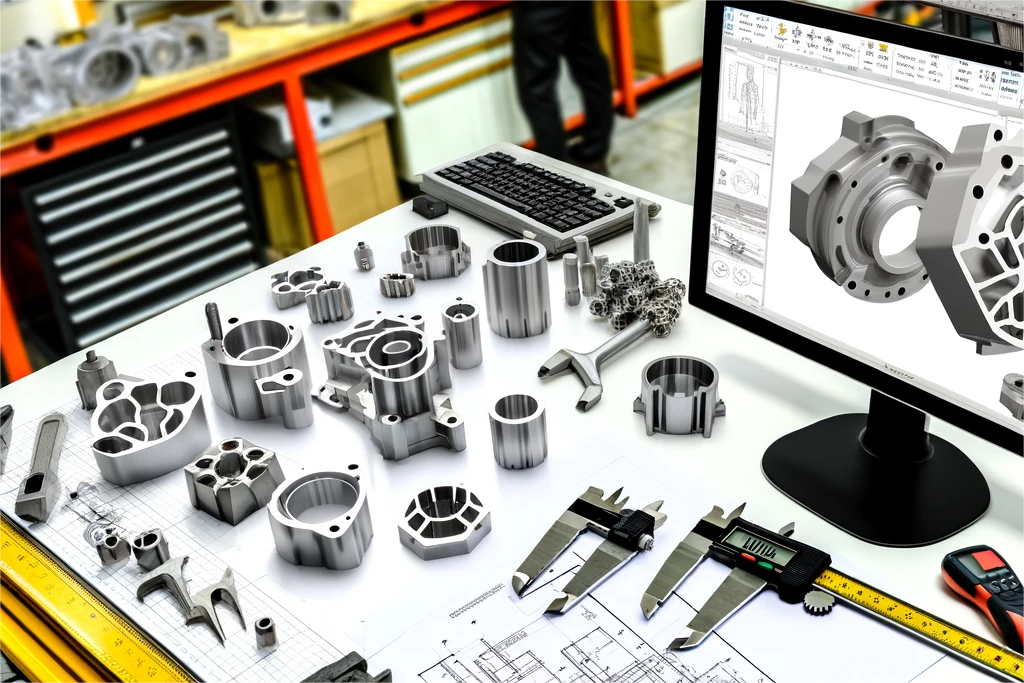
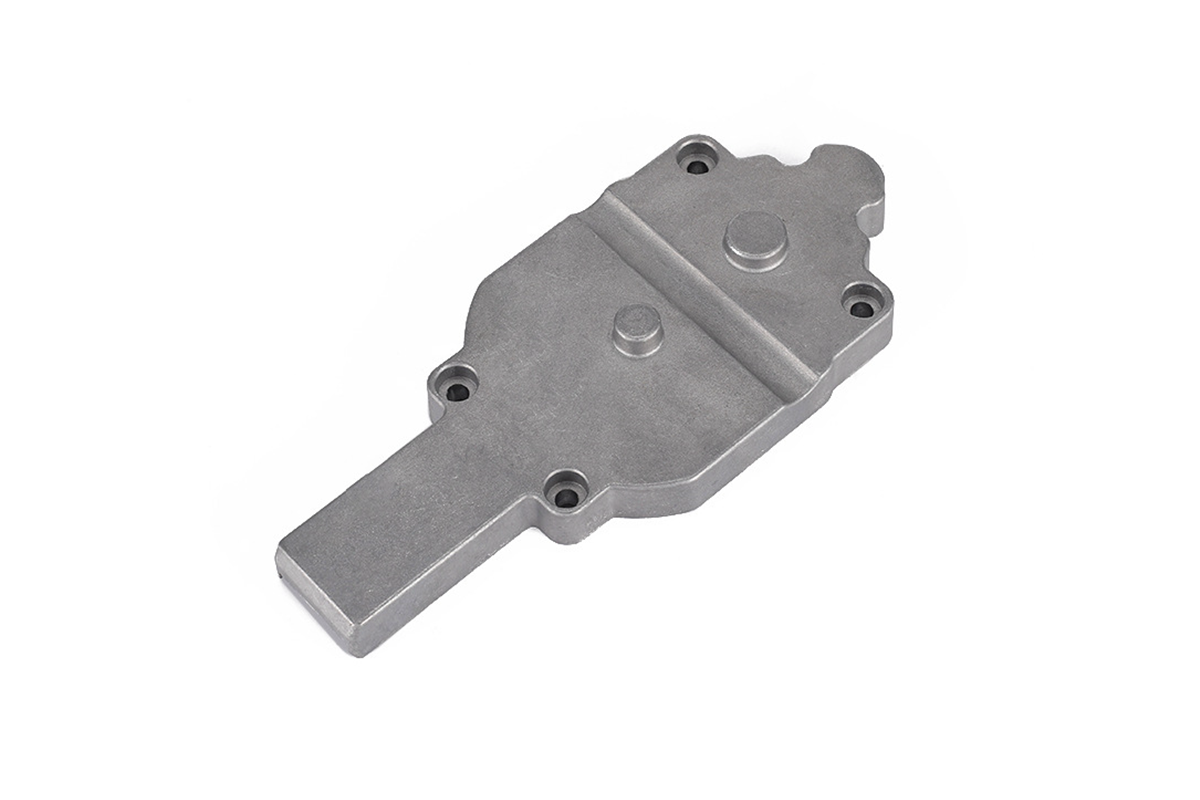
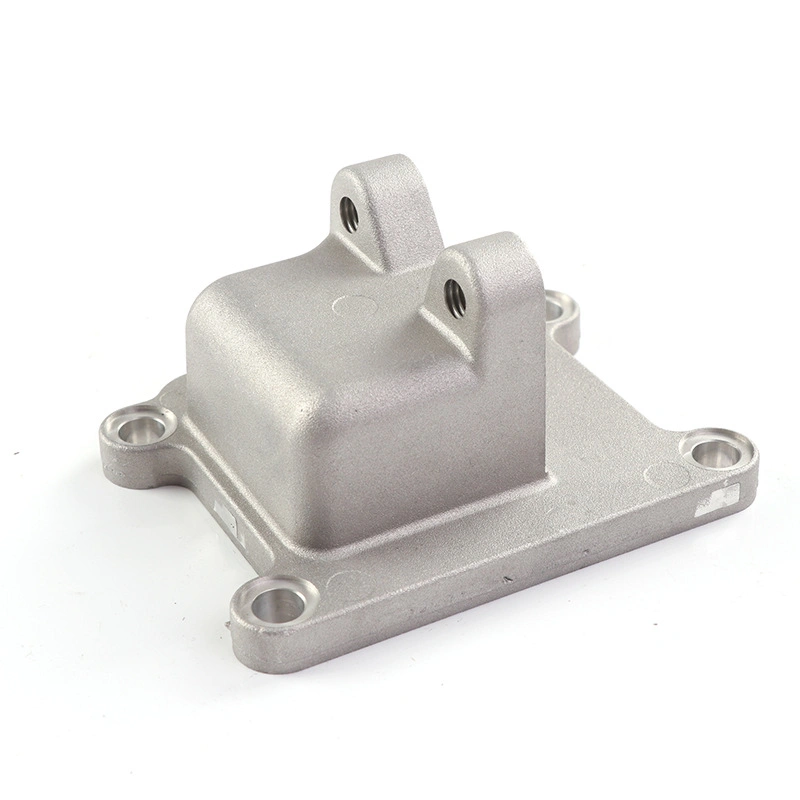
Near-net-shape casting can reduce material waste by forming complex geometry close to the final part shape. For suitable aluminum die-cast parts, ribs, bosses, thin walls, mounting features, heat-dissipation fins, and enclosure shapes can be created in the die instead of being machined entirely from a solid block.
The sustainability value comes from using less subtractive machining where the design allows it. Aluminum die casting still needs trimming, deburring, drilling, tapping, CNC machining, or surface finishing on many parts, but the process can reduce the amount of machining stock required for complex geometry. Buyers should send 3D models, 2D drawings, datum surfaces, critical tolerances, and cosmetic zones so Neway can identify which features can be cast and which features should remain machined for accuracy or assembly function.
How does lightweight design support buyer sustainability goals?
Lightweight design supports sustainability goals when reduced part weight improves product efficiency, handling, assembly, or material use without weakening the component. Aluminum die casting is often considered for housings, brackets, and heat-management components because aluminum combines relatively low density with useful thermal conductivity and manufacturable geometry.
The buyer decision should still be functional. A lighter component is not automatically better if it creates poor stiffness, heat distortion, weak threads, or short product life. Wall thickness, ribs, bosses, inserts, fastener loads, and heat paths must be designed for the use case. In an RFQ, buyers should provide load conditions, assembly loads, thermal requirements, and target weight only when those requirements are real design constraints. This keeps the sustainability discussion tied to engineering performance rather than generic lightweight claims.
Which process controls improve resource efficiency?
Stable process control improves resource efficiency by reducing scrap, rework, excessive finishing, and repeated sampling. In aluminum die casting, stable melt temperature, die temperature, shot speed, venting, release-agent application, trimming, and dimensional inspection all affect whether parts move through production cleanly.
Process instability can create porosity, cold shuts, flash, parting-line mismatch, flow marks, or dimensional drift. Those defects may require extra polishing, additional coating work, or part rejection. Buyers can support efficient production by defining realistic tolerances, visible-surface zones, burr limits, coating requirements, and functional inspection points. The RFQ should separate critical dimensions from non-critical features so the manufacturing plan does not add unnecessary processing to every surface.
Which surface finishes can support longer part life?
Surface finishes can support sustainability when the finish helps the aluminum die-cast product last longer in the intended environment. The best finish depends on corrosion exposure, handling wear, cosmetic expectations, electrical requirements, and assembly interfaces.
Surface or finishing decision | Sustainability-related benefit | RFQ information buyers should provide |
|---|---|---|
Can improve surface protection while keeping a metallic aluminum surface character | Alloy, color expectation, sealing requirement, visible zones, and corrosion expectation | |
Can provide a barrier layer and broad color options for exposed components | Color, gloss, thickness range, masking drawing, adhesion test, and use environment | |
Painting | Can support appearance and chemical protection when the paint system matches the use environment | Paint specification, primer requirement, exposure conditions, and packaging requirement |
Deburring and edge control | Can reduce assembly damage, handling risk, and premature coating failure at sharp edges | Burr limits, protected edges, threaded holes, mating faces, and inspection method |
Targeted CNC machining | Can preserve precision only where needed instead of over-machining the whole casting | Datum scheme, critical tolerances, sealing faces, and functional fit requirements |
What sustainability claims should buyers verify?
Buyers should verify claims that affect purchasing, regulatory, or customer reporting decisions. Recyclability, recycled content, material origin, coating chemistry, process energy use, waste handling, and packaging reduction may require documentation beyond a normal dimensional quote.
Neway can review the manufacturing route, but buyers should identify which sustainability data the buyer's own project requires. Some buyers need a material certificate, some need packaging constraints, and some need a finish that avoids a restricted substance. If a customer or regulation requires documented evidence, the RFQ should state that requirement early so the quotation can include the correct material, finish, inspection, and documentation scope.
What should a sustainable aluminum die-casting RFQ include?
For a sustainable aluminum die-casting RFQ, buyers should provide alloy, recycled-content preference if required, part weight target, finish choice, annual volume, and any reporting requirement. Buyers should also include drawings, 3D models, target production volume, functional loads, thermal requirements, visible-surface zones, critical tolerances, and expected service environment.
This information helps Neway compare process efficiency, material use, finishing route, and inspection scope without adding unsupported claims. The strongest sustainability case usually comes from matching the process to the actual part: using aluminum die casting for complex geometry that benefits from cast features, controlled mass production, durable finishing, and clear acceptance standards.
Related FAQs
How does aluminum die casting contribute to manufacturing cost efficiency?
Which industries benefit the most from adopting aluminum die casting?
Are there specific aluminum alloys preferred for eco-smart die casting?
What are the future innovations expected in aluminum die casting technology?
What materials are commonly used in aluminum die casting services?
What information is needed for an aluminum die casting service quote?
What surface finishes are available for aluminum die casting services?