Material Mastery: Custom Plasma Cutting for Diverse Industrial Applications
Custom Plasma Cutting Material Selection RFQ Decision: This article explains how buyers can match custom plasma cutting to carbon steel, stainless steel, aluminum, and other electrically conductive metal parts used in machinery, construction, energy equipment, agricultural machinery, transportation, and industrial fabrication. The practical RFQ problem is choosing the right material, thickness, edge requirement, application route, and inspection scope before requesting plasma cut brackets, guards, plates, frames, covers, and welded blanks.
Plasma cutting is versatile, but material versatility does not remove the need for engineering choices. The same plasma table may cut several metal types, yet each material can change edge quality, dross risk, heat input, flatness, and downstream finishing. Buyers get a better quotation when the RFQ identifies the actual material grade, application environment, functional edges, and secondary operations instead of only asking for a generic cut metal part.
Which Metals Are Suitable For Custom Plasma Cutting?
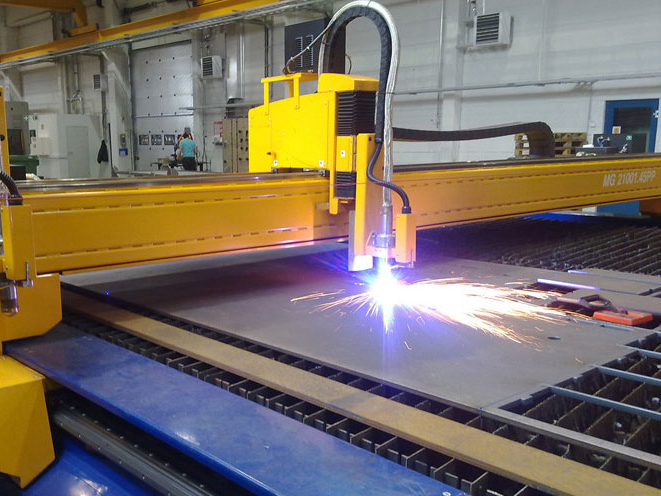
Custom plasma cutting is suitable for electrically conductive metals when the part geometry, material thickness, and edge requirement match the process capability. Carbon steel, stainless steel, aluminum, and some other conductive alloys are common candidates. The buyer should confirm the material grade and surface condition because plasma cutting performance depends on conductivity, heat behavior, coating condition, and plate flatness.
Carbon steel is commonly used for structural plates, base plates, brackets, gussets, guards, and machine frames. Stainless steel is selected when corrosion resistance or cleaner appearance matters for covers, panels, food equipment components, or outdoor enclosures. Aluminum is selected when weight reduction matters for panels, guards, and transport-related components. Each material can be practical, but each material also creates different RFQ questions.
For a material-focused RFQ, the buyer should state whether equivalent materials can be reviewed. If carbon steel grade substitution is acceptable, the supplier may suggest a more available plate. If stainless steel surface appearance is critical, the RFQ should identify visible faces and cleaning requirements. If aluminum flatness is important after cutting, the RFQ should identify the datum areas and downstream forming steps.
How Do Carbon Steel, Stainless Steel, And Aluminum Behave In Plasma Cutting?
Carbon steel, stainless steel, and aluminum behave differently during plasma cutting because each material reacts differently to heat, oxidation, and edge formation. Carbon steel often supports efficient profile cutting for heavy industrial components. Stainless steel may need closer control of heat tint, discoloration, and post-cut cleaning. Aluminum may need attention to thermal movement, edge consistency, and handling damage.
Buyers should not assume one edge standard applies to all materials. A carbon steel plate that will be welded may only need dross control and weld preparation. A stainless steel cover may require cosmetic handling and removal of heat tint. An aluminum guard may require careful support and review of flatness after cutting. These expectations affect quote accuracy and production planning.
Plasma Cut Material Entity | Common Part Types | RFQ Risk To Define |
|---|---|---|
Carbon steel plate | Base plates, brackets, gussets, welded frame blanks | Dross acceptance, weld edge preparation, and hole inspection |
Stainless steel sheet or plate | Covers, guards, panels, corrosion-resistant brackets | Visible side, heat tint, edge discoloration, and cleaning route |
Aluminum plate | Lightweight panels, machine guards, transport blanks | Flatness, thermal movement, and surface protection during handling |
Mixed conductive metal packages | Multi-part fabrication kits and spare part sets | Material separation, revision control, and part identification |
Material behavior also affects secondary processing. A plasma cut blank for metal bending may need bend direction review and hole-to-bend spacing review. A welded blank may need edge preparation. A visible panel may require grinding, brushing, powder coating, or other surface operations. The material decision should therefore be made together with the fabrication route.
Which Industrial Applications Benefit From Plasma Cut Materials?
Industrial applications benefit from plasma cutting when the part uses conductive metal, practical edge quality, and flexible plate profiling. Typical applications include machinery bases, construction connection plates, agricultural equipment guards, transportation brackets, energy equipment supports, warehouse handling components, industrial enclosures, and repair parts. Plasma cutting can support both new production and replacement work when the buyer needs flexible custom geometry.
The application environment should guide the material. Outdoor brackets may need corrosion-resistant steel, protective coating, or stainless steel. Heavy load plates may need a specified carbon steel grade and inspection of critical holes. Equipment guards may need edge deburring and safe handling surfaces. Electrical or thermal equipment may need attention to conductivity, grounding features, or mounting hole accuracy.
In a broader sheet metal fabrication route, plasma cutting may be the first stage before bending, welding, machining, coating, assembly, or packaging. Buyers should share the finished part use so the supplier can review whether the plasma cut blank supports the later manufacturing stages.
Industrial Application Entity | Typical Plasma Cut Part | Buyer Decision Before Quote |
|---|---|---|
Machinery and automation | Base plates, guards, mounting plates, frame tabs | Define datum holes, assembly fit, and surface safety edges |
Construction and structural hardware | Connection plates, gussets, brackets, support plates | Provide material grade, load-related features, and weld preparation needs |
Agricultural and heavy equipment | Wear plates, guards, repair blanks, equipment covers | Clarify abrasion exposure, replacement fit, and part marking |
Transportation and energy equipment | Aluminum panels, stainless covers, steel support parts | State weight, corrosion, heat, and assembly requirements |
How Should Buyers Match Material Thickness To Edge Quality?
Material thickness should be matched to edge quality expectations before the plasma cutting quote is approved. Thicker plates may be a strong fit for plasma cutting, but thickness can influence bevel, heat-affected zone, dross, and cut-face texture. Thin materials may be possible, but buyers should compare plasma cutting with laser cutting when fine detail, small slots, or cosmetic edges are central to the part.
The buyer should identify which features need precise control. A thick base plate may use plasma cutting for the outside profile and secondary machining for critical holes. A guard plate may accept plasma cut holes if the assembly tolerance allows it. A stainless cover may need additional finishing if the edge is visible. These decisions should be made before quoting, not after the first batch is cut.
Edge quality should also be tied to function. Weld edges, bolted edges, visible edges, and safety edges do not require the same acceptance criteria. If every edge is treated as critical, the quote may include unnecessary cleanup. If no edge is marked critical, the finished part may require late rework. A drawing with edge categories helps the supplier choose the right plasma cutting plan.
How Do Secondary Operations Change Material Selection?
Secondary operations can change whether a material is a good plasma cutting choice. Bending, welding, tapping, machining, deburring, powder coating, galvanizing, and assembly all interact with the cut edge and material condition. A part that looks simple as a flat profile may become more demanding once downstream operations are included.
For bending, the buyer should review bend radius, hole location, grain direction, and whether plasma cut edges will face outward after forming. For welding, the buyer should define bevel needs, fit-up edges, and allowable cleanup. For coating or painting, the buyer should state which surfaces are visible and whether cut edges need extra preparation. For threaded holes or precision locating features, secondary machining may be needed after cutting.
When the supplier knows the full route, custom plasma cutting can be planned as one stage in a controlled manufacturing sequence. When the supplier only sees a flat DXF file, material and edge decisions may be made without enough context. That gap can create avoidable quoting changes, part rework, and schedule disruption.
What Inspection Requirements Matter For Diverse Plasma Cut Materials?
Inspection requirements should reflect the material, application, and feature function. Typical inspection points include material grade confirmation, thickness, profile dimensions, hole location, slot width, edge condition, dross level, bevel, flatness, surface marks, and part identification. Buyers should identify the dimensions that control assembly or performance rather than applying the same strict expectation to every cut edge.
For carbon steel structural plates, inspection may focus on hole pattern, weld edge fit, and plate thickness. For stainless covers, inspection may focus on visible surfaces, edge discoloration, and cleaning. For aluminum panels, inspection may focus on flatness and handling marks. The inspection plan should also identify whether material certificates or traceability are required by the buyer's own project requirements.
Plasma cutting quality is easier to control when the supplier knows the acceptance standard before production. If a drawing only says "plasma cut part" without edge, flatness, and inspection notes, the supplier must guess which features matter. A clear inspection scope helps keep material selection, process settings, cleanup, and final acceptance aligned.
What Should A Material-Focused Plasma Cutting RFQ Include?
A material-focused plasma cutting RFQ should include CAD files, PDF drawings, material grade, plate thickness, quantity by part number, part application, surface condition, visible faces, functional holes, downstream operations, edge cleanup requirements, and inspection criteria. If several materials are acceptable, the buyer should list approved alternatives and the conditions for using them.
The RFQ should also separate fixed requirements from reviewable preferences. Material grade, safety-critical holes, corrosion exposure, and load-related features may be fixed. Nesting direction, non-critical edge cleanup, part marking, and packaging method may be reviewable. This distinction lets the supplier suggest a practical cutting route without weakening the part requirement.
Material mastery in plasma cutting is therefore not a claim that one process fits every metal part. It is a disciplined selection process that connects conductive metal type, part geometry, application environment, secondary operations, and inspection criteria. Buyers who provide those details receive more useful quotations and reduce the risk of late manufacturing changes.
Related FAQs