What materials can be cut using plasma cutting technology?
Plasma cutting can cut electrically conductive metal sheet and plate, so the main RFQ decision is whether the selected material can support a stable plasma arc while meeting edge quality, heat affected zone, hole quality, and secondary finishing requirements. Buyers usually need to confirm whether carbon steel, stainless steel, aluminum, copper, brass, or another conductive alloy can be cut by plasma cutting before quoting brackets, frames, panels, machine guards, equipment plates, and welded fabrication blanks.
Which material families are suitable for plasma cutting?
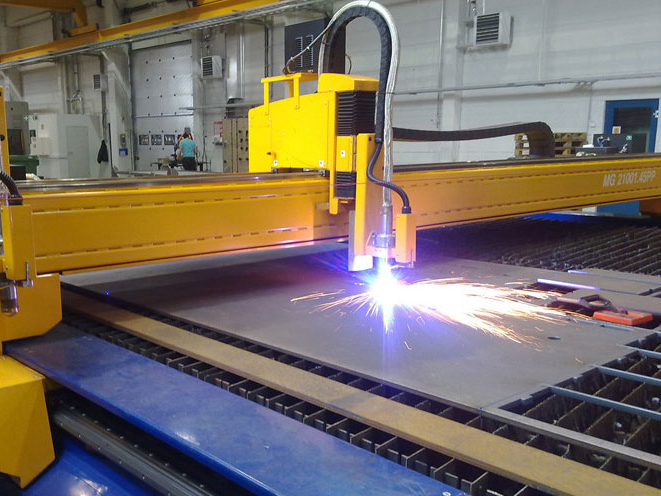
Plasma cutting is suitable for conductive metals because the process uses an electrical arc and ionized gas to melt and eject material from the cut path. Carbon steel, mild steel, stainless steel, aluminum, copper, brass, and some nickel or titanium alloys can be considered when the equipment setup, gas selection, plate thickness, and required edge condition are matched to the material.
The buyer decision is not only whether the metal can be cut. The RFQ should also define the part type, material grade, thickness range, drawing revision, edge finish requirement, hole size requirement, flatness requirement, and any downstream sheet metal fabrication steps such as bending, welding, deburring, or coating.
Conductive material family | Typical plasma cutting fit | Common buyer part types | RFQ point to confirm |
|---|---|---|---|
Carbon steel and mild steel | Commonly used for structural and general fabrication parts | Base plates, brackets, frames, guards, gussets | Confirm thickness, dross allowance, weld edge preparation, and flatness needs |
Stainless steel | Usable when edge oxidation, heat tint, and finishing are controlled | Panels, guards, food equipment parts, medical equipment housings | Confirm grade, corrosion requirement, cosmetic surface requirement, and passivation or polishing needs |
Aluminum alloy | Usable when the setup controls heat input and molten edge behavior | Lightweight brackets, covers, panels, equipment plates | Confirm alloy, thickness, burr expectation, and post-cut forming risk |
Copper and brass | Possible, but high thermal conductivity requires careful parameter review | Electrical plates, busbar blanks, decorative or functional plates | Confirm conductivity requirement, heat discoloration allowance, and edge finishing needs |
Nickel, titanium, and specialty alloys | Possible for selected jobs after process review | Industrial plates, heat-resistant blanks, custom alloy components | Confirm alloy sensitivity, contamination controls, and final inspection requirements |
How do carbon steel and mild steel behave in plasma cutting?
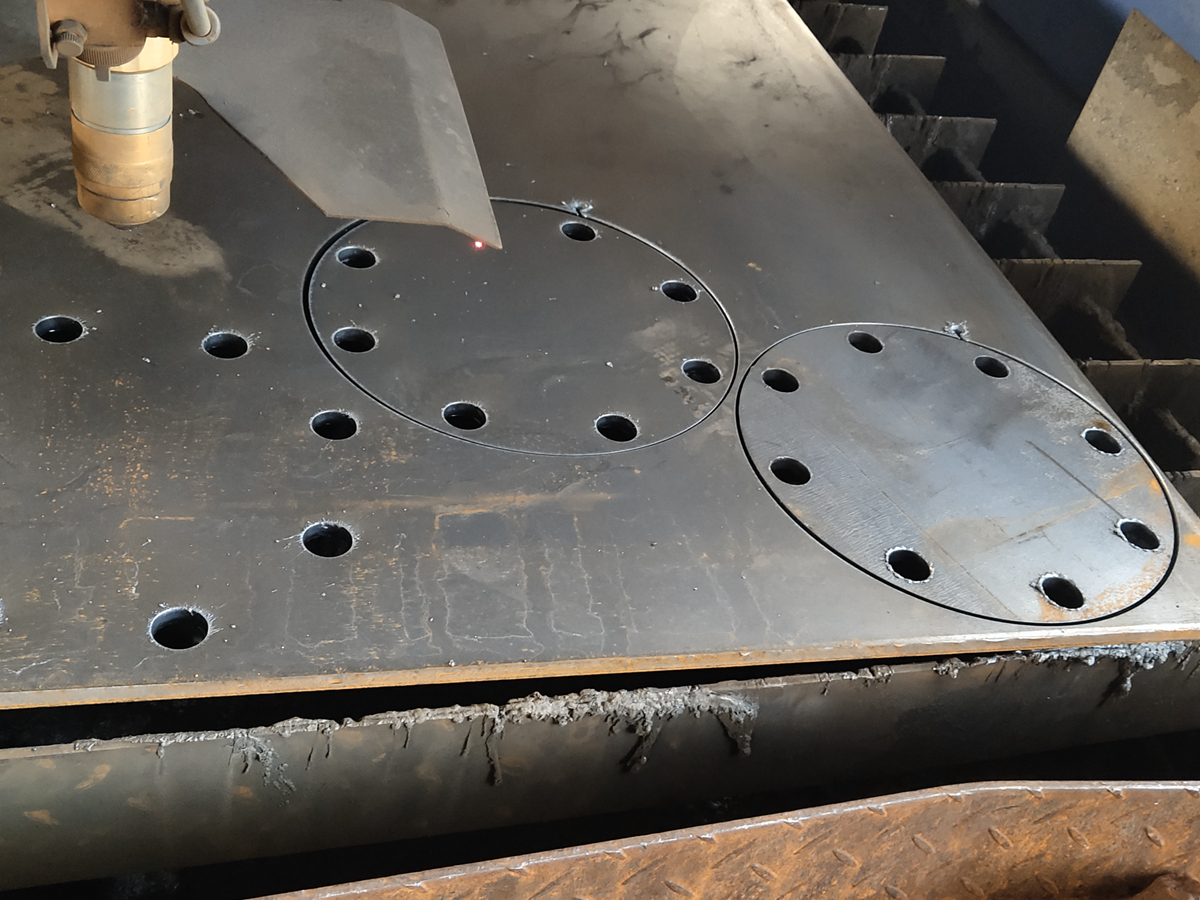
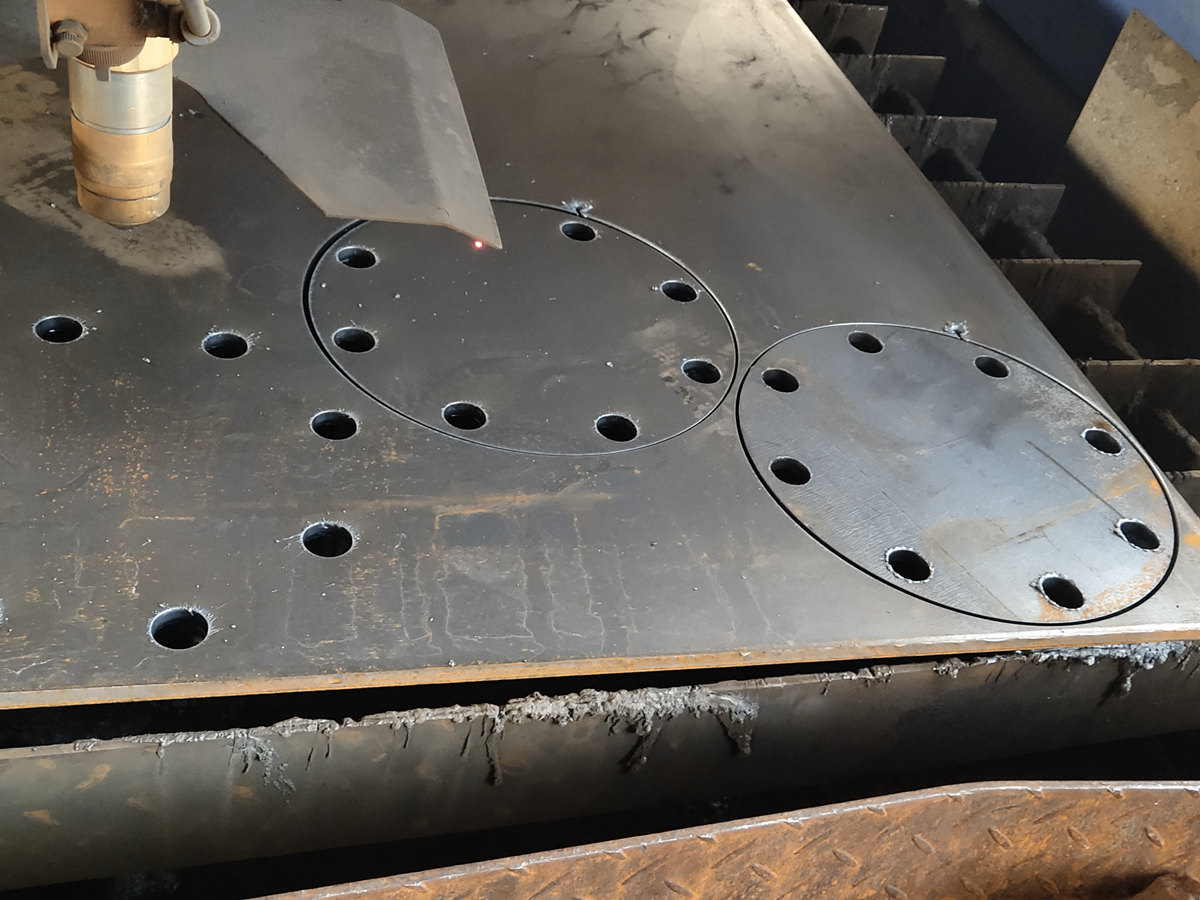
Carbon steel and mild steel are among the most common plasma cutting materials because these metals are conductive and widely used in fabricated components. Plasma cutting is often selected for steel brackets, machine bases, structural plates, weldments, support frames, and equipment guards where the buyer needs a practical balance between cut profile, throughput, and post-cut finishing effort.
The main RFQ risk for carbon steel is the edge condition after cutting. Dross, taper, heat affected zones, and hole quality can affect weld preparation, bolt fit, or assembly alignment. If the steel part will be welded, powder coated, plated, or machined after cutting, the buyer should state the downstream process so the supplier can plan edge cleanup and inspection.
Can stainless steel and aluminum be plasma cut?
Stainless steel and aluminum can be plasma cut, but the RFQ should treat these materials differently from carbon steel. Stainless steel buyers usually care about corrosion resistance, heat tint, oxide cleanup, and visible surface quality. Aluminum buyers usually care about burr control, thermal distortion, edge melting behavior, and whether the blank will be formed, welded, or machined after cutting.
For stainless steel enclosures, panels, guards, and equipment plates, buyers should identify the stainless steel grade and any required finishing method. For aluminum covers, lightweight brackets, and fabricated frames, buyers should identify the alloy and whether later metal bending or welding will occur, because cut-edge quality can influence forming and assembly results.
What about copper, brass, and other conductive alloys?
Copper and brass can be cut by plasma technology when the cutting system is configured for high-conductivity metals. These materials move heat away from the arc quickly, so edge quality, kerf stability, discoloration, and dross behavior should be reviewed before the supplier confirms the route.
Specialty conductive alloys such as nickel-based alloys and titanium alloys may also be possible, but the supplier should check the material grade, part function, surface sensitivity, and inspection standard before accepting the job. For these alloys, buyers should avoid assuming that a process parameter used for steel will transfer directly to a heat-resistant or reactive alloy.
Which materials are poor fits for plasma cutting?
Non-conductive materials are poor fits for plasma cutting because the plasma arc requires an electrical path through the workpiece. Plastics, rubber, wood, ceramics, glass, and composite materials should usually be routed to a different cutting method. Coated or laminated metals also require review because the coating may burn, release fumes, contaminate the edge, or affect downstream adhesion.
Buyers comparing routes should define whether the part needs plasma cutting, laser cutting, machining, stamping, or another fabrication process. A direct process comparison is useful when the drawing includes small holes, fine slots, thin webs, cosmetic edges, or material coatings that may be sensitive to heat.
How do thickness, edge quality, and heat affected zone affect material choice?
Material choice and thickness affect plasma cutting more than the material name alone. Thicker plate generally requires more heat input and may create more visible edge taper or cleanup work. Thin sheet may be more sensitive to distortion. Highly conductive metals can require parameter adjustment because heat spreads away from the cut zone quickly.
The RFQ implication is straightforward: include the drawing, material grade, thickness, quantity, required edge condition, required hole quality, flatness needs, and downstream operations. If the part will receive sandblasting, deburring, electropolishing, or powder coating, those finishing steps should be included before quotation so the supplier can judge the complete manufacturing route.
What RFQ information helps confirm a plasma cutting material?
A useful plasma cutting RFQ should identify the material grade, sheet or plate thickness, part drawing, quantity, toleranced features, hole sizes, bend lines, weld edges, cosmetic faces, and inspection method. This information helps the supplier decide whether plasma cutting can meet the part requirement by itself or whether laser cutting, CNC machining, grinding, deburring, or another secondary operation is needed.
For engineered metal parts, buyers should also state whether the cut blank is a final part or an intermediate blank for a larger fabrication. A final cover plate may need tighter visual inspection, while a weldment blank may need stronger focus on bevels, fit-up edges, and distortion control. Clear RFQ data reduces rework because the plasma cutting route can be selected around the actual material behavior and the required production stage.
Related FAQs
What types of metals can plasma cutting effectively process?
What types of metals can be cut efficiently with plasma cutting?
What metals are most efficiently processed with plasma cutting?
Why is plasma cutting particularly suited for fabricating thicker metals?
How can manufacturers minimize dross formation during plasma cutting?