Cutting at the Speed of Light: Enhancing Efficiency with Custom Plasma Cutting
Custom Plasma Cutting Efficiency RFQ Decision: This article explains how buyers can evaluate custom plasma cutting for steel plates, brackets, frames, base plates, guards, machine panels, structural blanks, and heavy fabricated parts. The practical RFQ problem is deciding when plasma cutting can improve production efficiency while still controlling material grade, plate thickness, edge quality, dross risk, heat input, nesting yield, downstream fabrication, and inspection requirements.
Plasma cutting is often selected when the buyer needs fast profile cutting for electrically conductive metals, especially thicker carbon steel, stainless steel, and aluminum plates. The process uses a high-energy plasma arc to melt and remove material along a programmed path. For RFQ work, the important question is not whether plasma cutting is fast in general. The important question is whether plasma cutting is the right efficiency choice for the specific part geometry, material thickness, cut quality requirement, and production route.
How Does Custom Plasma Cutting Improve Production Efficiency?
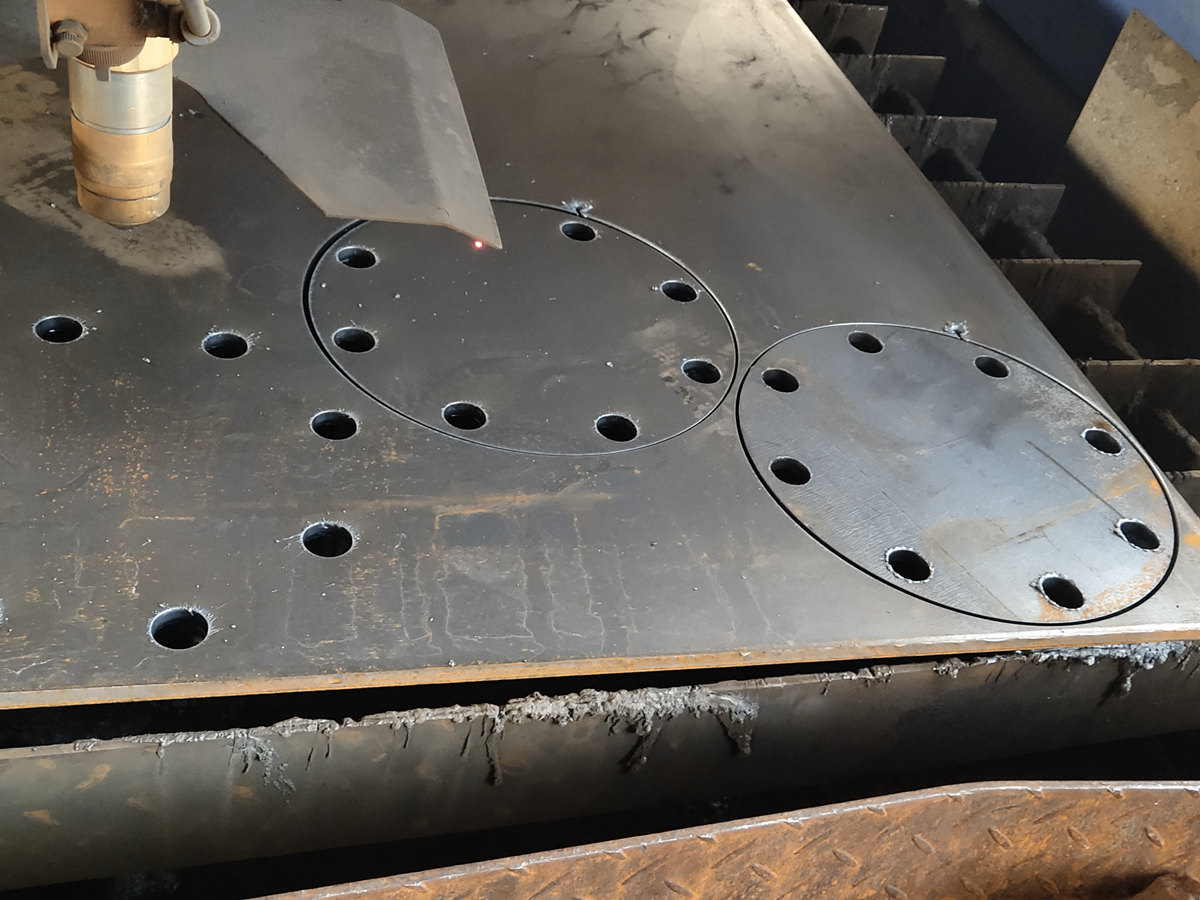
Custom plasma cutting improves production efficiency when the part is a conductive metal profile that can be cut quickly without dedicated hard tooling. Buyers use plasma cutting to shorten the path from drawing release to cut blanks, especially when the project involves thick plates, large outlines, multiple revisions, or mixed part numbers. The efficiency benefit comes from programming flexibility, high cutting energy, and the ability to process many industrial plate parts in a coordinated batch.
For custom parts, speed must be balanced with downstream fit and inspection. A plate may leave the plasma table quickly, but the order is not efficient if excessive dross removal, edge grinding, or correction work is needed before welding or assembly. The RFQ should therefore connect cutting speed with edge expectations, hole function, weld preparation, and secondary operations.
Plasma cutting also supports efficient production because it can handle a wide range of industrial profiles without custom blanking dies. A buyer can request base plates, brackets, gussets, frames, machine guards, and support plates from the same drawing package. When the supplier can group those parts by material and thickness, setup time and sheet handling can be reduced compared with disconnected one-part orders.
Which Part Types Fit Plasma Cutting Speed Advantages?
Plasma cutting is most useful for metal parts where fast profile cutting, plate capacity, and practical edge quality matter more than extremely fine feature detail. Common part types include machinery base plates, construction brackets, heavy equipment guards, welded frame components, agricultural machine plates, industrial covers, and large mounting plates. The process can also support prototype and repair parts when the buyer needs fast revision response.
The part type should drive the process decision. A thick carbon steel base plate may be a strong fit for plasma cutting because the profile is large and the edge will be welded or machined later. A thin stainless cosmetic panel may be better reviewed against laser cutting if small features and visual edge quality are critical. A formed bracket may need the plasma cut blank to support later metal bending, so bend lines, hole distances, and grain direction should be checked before cutting.
Buyers should identify whether the plasma cut part is a final flat part, a welded component, or a blank for later fabrication. This distinction changes the acceptable edge condition. A welded frame plate may tolerate more edge variation than a visible machine cover, but the welded frame plate may need bevel preparation, weld gap control, and fixture locating holes. These requirements belong in the RFQ because they affect true production efficiency.
Which Materials And Thickness Factors Influence Plasma Cutting Efficiency?
Material and thickness strongly influence plasma cutting efficiency. Carbon steel, stainless steel, and aluminum can all be plasma cut, but each material responds differently to heat input, edge oxidation, dross formation, and thermal movement. The buyer should specify the material grade, plate thickness, surface condition, and any required material documentation before quotation.
Carbon steel is often a practical choice for fast plasma cut industrial parts because the process can cut many plate profiles efficiently. Stainless steel may require more attention to edge discoloration, heat tint, and post-cut cleaning if the part has corrosion or appearance requirements. Aluminum may require a review of thermal movement and edge condition because aluminum conducts heat differently from steel. Coated or painted stock should be reviewed carefully, because coating condition near the cut edge may affect downstream finishing.
Material Entity For Plasma Cutting | Efficiency Benefit | RFQ Risk To Clarify |
|---|---|---|
Carbon steel plate | Fast profile cutting for base plates, brackets, and frames | Dross level, weld edge preparation, and critical hole locations |
Stainless steel plate | Flexible cutting for corrosion-resistant guards and covers | Heat tint, cosmetic side, and post-cut cleaning expectations |
Aluminum plate | Efficient cutting for lightweight industrial panels and blanks | Thermal movement, edge finish, and downstream forming sequence |
Mixed plate packages | Batch planning across several custom part numbers | Material separation, revision control, and packaging identification |
If the buyer only writes "metal plate" in the RFQ, the supplier cannot accurately evaluate speed, consumable selection, cut quality, or inspection risk. Clear material data allows the supplier to plan the plasma process, nesting, gas selection, fixture support, and secondary cleaning route more accurately.
How Do Nesting, Pierce Count, And Cut Path Affect Plasma Output?
Nesting, pierce count, and cut path have a direct effect on plasma cutting output. Nesting controls material utilization and handling efficiency. Pierce count affects cycle time, consumable wear, and heat concentration. Cut path strategy affects edge quality, part movement, and the amount of cleanup after cutting.
Large outside profiles with few internal holes may cut quickly, but parts with many slots, bolt patterns, or internal windows may need more pierces and more careful sequencing. The buyer should distinguish functional holes from clearance holes and cosmetic cutouts. Functional holes may need tighter inspection or secondary machining, while non-critical holes may allow a more efficient plasma cutting strategy.
Part spacing also matters. Tight nesting can improve material use, but it can also concentrate heat and make part removal harder. Wider spacing can protect part quality in some cases, but it may use more material. The supplier needs to know whether the buyer prioritizes raw material utilization, edge finish, flatness, or delivery speed. In many sheet metal fabrication projects, the best answer depends on the whole route, not only the cutting table.
Plasma Cutting Production Variable | Effect On Efficiency | Buyer Decision Before RFQ |
|---|---|---|
Nesting layout | Controls plate utilization and handling time | Confirm whether part rotation and common material grouping are allowed |
Pierce count | Influences cycle time, consumable use, and heat concentration | Mark critical holes and holes that can be finished later if needed |
Lead-in and lead-out placement | Protects functional edges and reduces visible start marks | Identify cosmetic edges and assembly mating surfaces |
Cut sequence | Reduces movement, distortion, and cleanup time | Flag long slots, narrow ribs, and flatness-critical areas |
How Should Buyers Control Edge Quality, Dross, And Heat-Affected Zones?
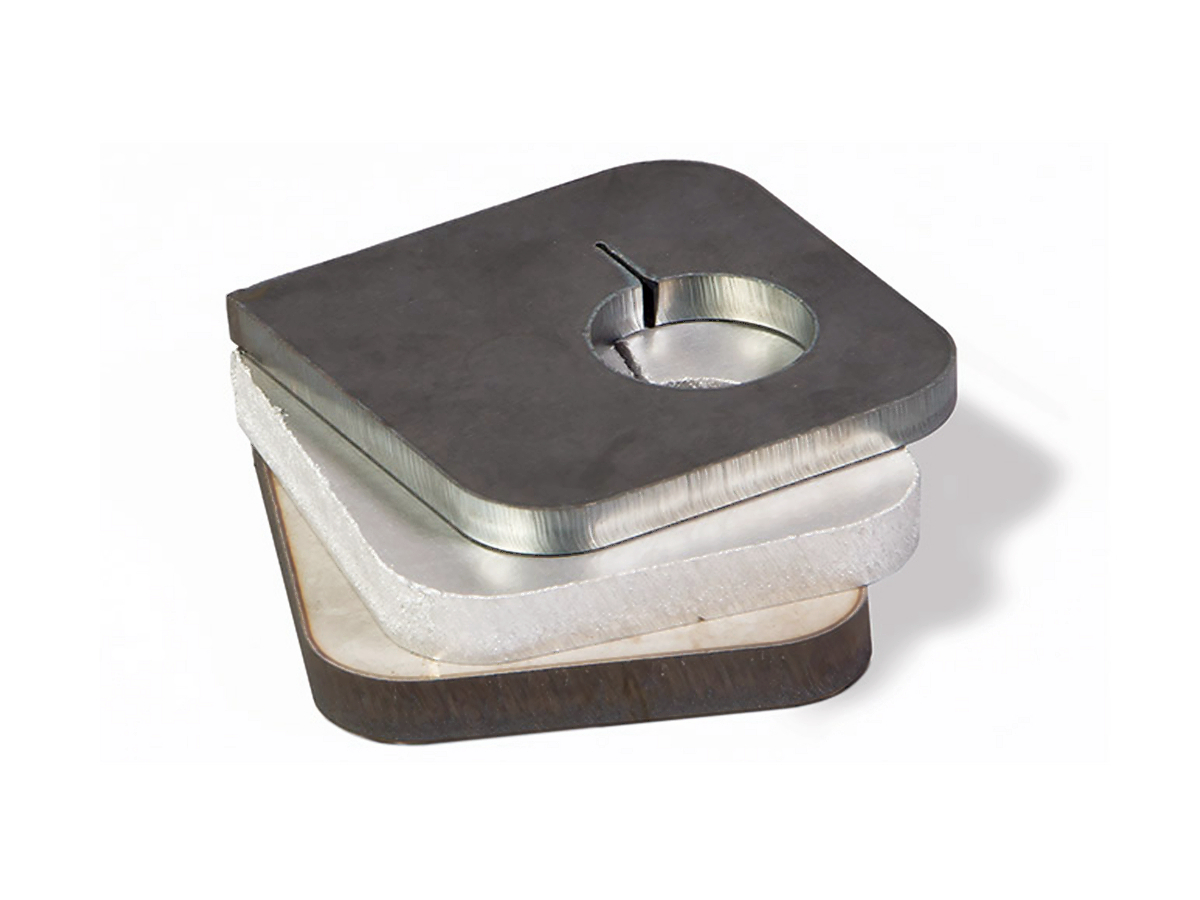
Buyers should control edge quality by defining the acceptance criteria before production. Plasma cut edges may show dross, bevel, heat tint, and a heat-affected zone depending on material, thickness, settings, and consumable condition. These conditions are manageable in many industrial applications, but the buyer should not leave the acceptance standard unstated.
For welded parts, the most important edge requirement may be fit-up and weld preparation. For bolted base plates, hole position and flatness may matter more than cosmetic edge appearance. For visible covers, the buyer may need grinding, deburring, or finishing after cutting. The RFQ should state whether edge cleanup is included, whether sharp edges must be broken, and whether any cut edges are final visible surfaces.
Dross risk can be reduced by proper parameter selection, clean material, suitable support, and reasonable cut sequencing. Heat-affected zone concerns can be controlled by process planning and by choosing the right secondary operation when the part function requires it. Buyers should ask the supplier to review dross, bevel, and heat input for the actual drawing rather than assuming one generic plasma cutting result applies to every plate.
When Is Plasma Cutting More Efficient Than Laser Cutting Or Oxy-Fuel Cutting?
Plasma cutting may be more efficient than laser cutting when the order involves thicker conductive metal plates, larger profiles, and functional industrial edges. Laser cutting may be more suitable for thin sheet, fine features, and higher cosmetic edge expectations. Oxy-fuel cutting may be used for some thick carbon steel applications, but plasma cutting can offer a useful balance of speed, flexibility, and profile quality for many custom plate parts.
The buyer should compare processes using part requirements, not only equipment names. A large carbon steel guard with generous edge requirements may fit plasma cutting well. A thin stainless control panel with small slots may fit laser cutting better. A heavy welded structure may use plasma cut blanks combined with machining, bending, welding, and coating. The process route should match the finished part, not just the cutting step.
Efficiency also depends on revision risk. Plasma cutting can help when drawings are still changing because cut profiles can be updated from CAD data without dedicated tooling. If a part becomes stable and production volume rises, the buyer can later compare plasma cutting with stamping, laser cutting, or machining based on cost, inspection needs, and fixture investment.
What Should A Plasma Cutting RFQ Include?
A strong plasma cutting RFQ should include CAD files, PDF drawings, material grade, plate thickness, quantity by part number, revision number, critical dimensions, edge condition requirements, flatness needs, hole function, downstream welding or forming steps, and inspection requirements. This information lets the supplier quote the real production route instead of only the visible cut profile.
The RFQ should also identify any fixed buyer requirements and any flexible manufacturing choices. If a material grade cannot change, state it clearly. If equivalent material can be reviewed, say so. If hole locations are critical for assembly, mark the datum scheme. If some edges will be welded, the supplier can plan edge preparation differently than for visible surfaces.
Custom plasma cutting delivers the best efficiency when the buyer and supplier treat speed, edge quality, material utilization, and inspection as connected decisions. A clear RFQ helps the supplier choose a practical cutting plan, reduce avoidable cleanup, and deliver parts that are easier to weld, bend, assemble, or inspect.
Related FAQs