How fast is plasma cutting compared to traditional cutting methods?
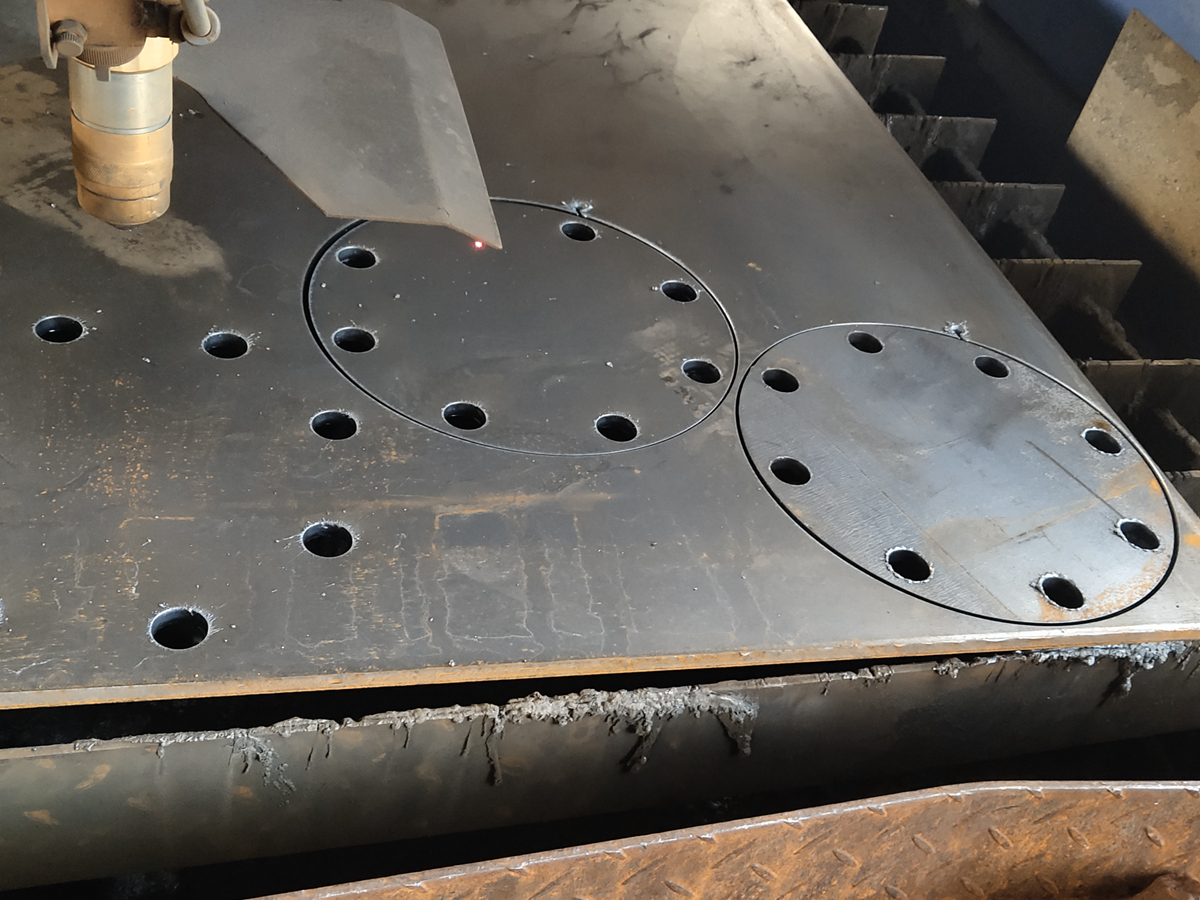
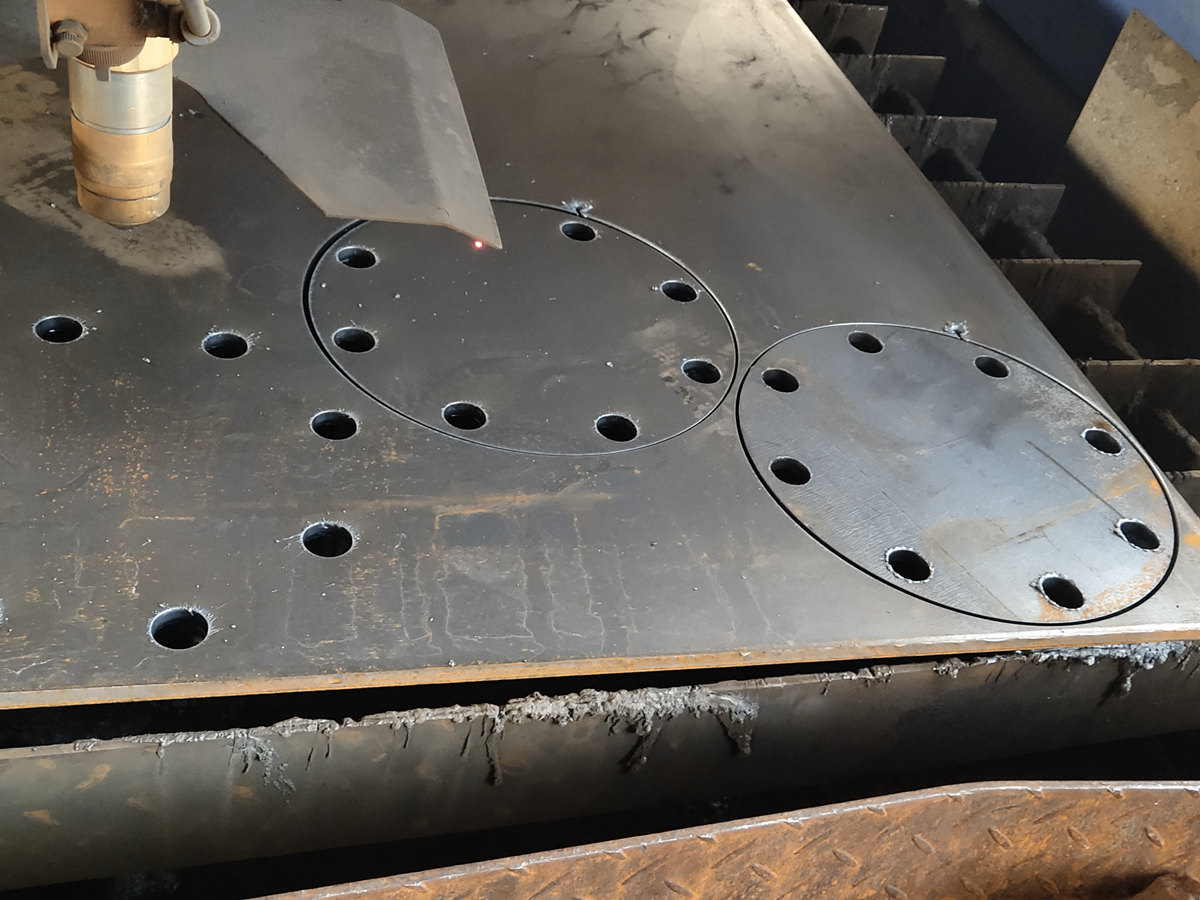
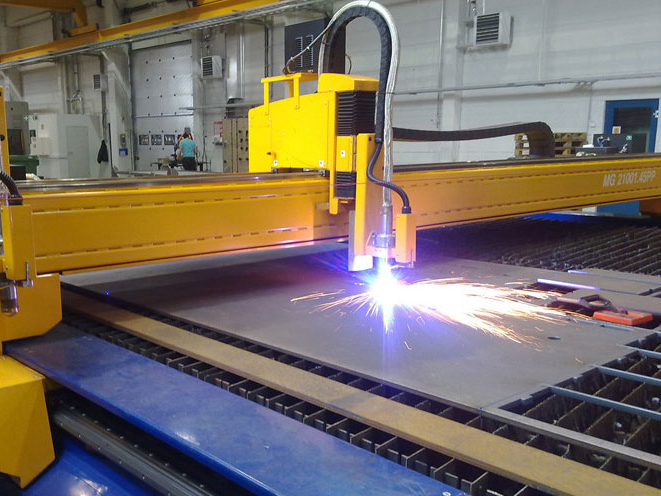
Plasma cutting is often faster than traditional cutting methods when conductive metal sheet or plate must be cut into brackets, frames, guards, equipment panels, base plates, and weldment blanks. The practical RFQ question is whether plasma cutting can reduce total manufacturing time compared with oxy-fuel cutting, mechanical sawing, shearing, punching, or other routes while still meeting edge quality, hole quality, finishing, and inspection requirements.
How should buyers compare speed with traditional cutting methods?
Buyers should compare total route speed, not only the motion speed of the cutting tool or torch. Plasma cutting may cut many conductive metal profiles quickly, but programming, nesting, material handling, dross removal, bending, welding, coating, and inspection all affect the real production result.
A traditional method may still be suitable for simple straight cuts, very thick carbon steel, or high-volume stamped parts. Plasma cutting becomes more attractive when the part needs custom profiles, mixed geometry, repeated plate blanks, or flexible drawing changes without dedicated hard tooling.
Cutting route | Speed comparison point | Common part fit | Buyer check before selecting the route |
|---|---|---|---|
Plasma cutting | Often fast for conductive sheet and plate profiles | Brackets, guards, base plates, frames, weldment blanks | Check dross, bevel, hole quality, and heat affected zone |
Oxy-fuel cutting | Useful for heavy carbon steel but less flexible for nonferrous metals | Thick steel blanks, structural plates, rough profiles | Check preheat, thermal distortion, edge cleanup, and material limits |
Mechanical sawing or shearing | Efficient for straight stock preparation and simple profiles | Bars, strips, rectangles, rough blanks | Check whether the drawing needs contours, holes, or internal cutouts |
Punching or stamping | Can be efficient after tooling is justified | Repeated sheet metal parts, hole arrays, formed parts | Check tooling cost, revision risk, material thickness, and volume |
Laser cutting | Can be faster in the total route for fine features and thin sheet | Detailed panels, small holes, fine slots, cosmetic covers | Check feature size, edge appearance, thickness, and material behavior |
When is plasma cutting faster than oxy-fuel cutting?
Plasma cutting is commonly faster than oxy-fuel cutting for many conductive metal fabrication jobs because it uses a plasma arc rather than relying on the oxygen cutting reaction. This allows plasma cutting to handle carbon steel, stainless steel, aluminum, copper, brass, and selected alloys, while oxy-fuel cutting is mainly associated with ferrous materials.
The buyer should compare more than cut speed. Oxy-fuel may still be reviewed for heavy carbon steel or rough blanks. Plasma cutting may be more practical when the project includes stainless steel guards, aluminum covers, mixed-material kits, or custom profiles that would require multiple traditional routes.
How does plasma cutting compare with sawing and shearing?
Sawing and shearing can be efficient for straight cuts, bars, strips, and rectangular blanks. Plasma cutting is usually more flexible when the drawing includes contours, internal cutouts, mounting holes, slots, tabs, or irregular plate shapes.
The RFQ should identify whether the buyer needs only stock preparation or a near-net fabricated blank. If the part is a simple rectangle, traditional cutting may be enough. If the part has multiple profiles, holes, or welded fit-up edges, plasma cutting can reduce manual layout and secondary profiling.
When can laser cutting or stamping be faster overall?
Laser cutting can be faster overall when the part uses thin sheet, fine slots, small holes, or cosmetic edges that would require extra cleanup after plasma cutting. Stamping or punching can be faster in repeat production when tooling is already justified and design revisions are stable.
Buyers should compare routes by production stage. Plasma cutting can be strong for flexible custom profiles and plate work. Laser cutting can help detailed sheet metal parts. Stamping can help repeated volumes after tooling. The right choice depends on material thickness, feature size, batch quantity, edge acceptance, and drawing stability.
How do material thickness and feature size change speed?
Material thickness and feature size change the speed comparison because every cutting route responds differently to heat, force, kerf width, and tooling. Thick plate may favor a thermal cutting method. Thin sheet with fine details may favor laser cutting or stamping. Simple straight blanks may favor shearing or sawing.
For plasma cutting, buyers should identify thickness, hole diameters, slot widths, tight corners, and edge requirements. If a hole is too small for the selected plasma route, the supplier may recommend drilling, machining, or laser cutting for that feature while still using plasma cutting for the main profile.
How do secondary operations affect the speed advantage?
Secondary operations can change the real speed advantage. Plasma cutting may complete the profile quickly, but the part may still need deburring, sandblasting, powder coating, bending, welding, machining, or inspection. Heavy cleanup can reduce the advantage of a fast cutting step.
A useful RFQ should state whether the blank ships as-cut or becomes part of a larger sheet metal fabrication route. If bending or welding follows cutting, the buyer should mark bend lines, weld edges, and assembly datums before quotation.
What RFQ details help compare plasma cutting speed?
To compare plasma cutting with traditional methods, buyers should provide material grade, thickness, CAD files, drawing revision, quantity, feature sizes, hole patterns, edge finish, flatness needs, bend lines, weld edges, coating requirements, and inspection method. These details show whether the fastest machine step also creates the fastest accepted part.
The best buyer decision is to compare complete routes. Plasma cutting, oxy-fuel cutting, sawing, shearing, punching, stamping, laser cutting, and machining each have a place. The right choice is the route that meets the part function with the least avoidable rework and the clearest acceptance criteria.
Related FAQs