How fast is plasma cutting compared to other methods?
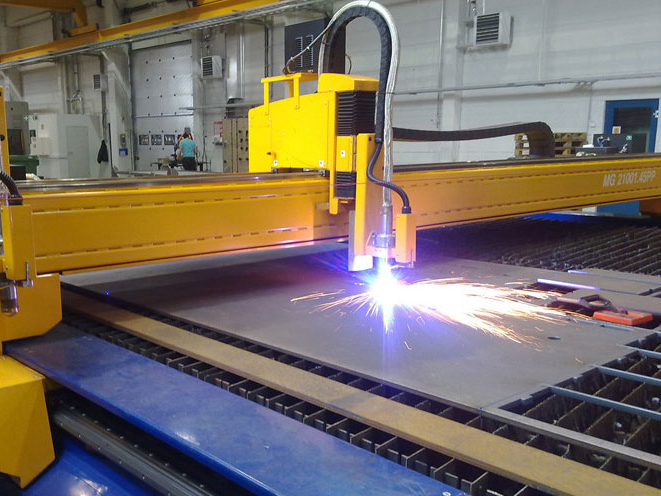
Plasma cutting is often faster than oxy-fuel cutting, mechanical sawing, and many manual cutting routes for conductive metal sheet and plate, but the correct RFQ decision depends on material grade, thickness, edge quality, hole geometry, nesting efficiency, and required finishing. Buyers comparing plasma cutting, laser cutting, oxy-fuel cutting, or mechanical cutting should ask whether the process can produce the bracket, frame plate, machine guard, equipment panel, or weldment blank at the required speed without creating extra cleanup, distortion, or inspection risk.
How should buyers compare plasma cutting speed?
The useful comparison is total production speed, not only torch travel speed. Plasma cutting can move quickly through many conductive metals, but the final delivery result also depends on programming, material loading, pierce strategy, nesting, dross control, deburring, bending, welding, coating, and inspection.
For RFQ review, buyers should compare the complete manufacturing route. A cut path that looks fast at the machine may still require more edge cleanup. A process with slower cutting motion may reduce downstream rework for fine features. The right comparison should include the part drawing, material, thickness, toleranced features, cosmetic surfaces, and whether the blank goes directly to shipment or into a wider sheet metal fabrication workflow.
Cutting method | Speed comparison factor | Common part fit | RFQ risk to check |
|---|---|---|---|
Plasma cutting | Often efficient on conductive metal plate and general profiles | Brackets, frames, base plates, guards, weldment blanks | Check edge taper, dross, heat affected zone, and hole quality |
Laser cutting | Can be more suitable for fine detail, thin sheet, and small features | Thin panels, detailed covers, slots, small holes, cosmetic parts | Check material reflectivity, thickness, edge requirement, and budget target |
Oxy-fuel cutting | Often used for heavy carbon steel where oxygen cutting chemistry applies | Thick carbon steel plates, rough blanks, structural shapes | Check heat input, preheat needs, cut accuracy, and cleanup allowance |
Mechanical sawing or shearing | Can be efficient for straight cuts or simple stock preparation | Bars, simple strips, rectangles, rough blanks | Check profile complexity, burrs, kerf limits, and secondary machining |
Waterjet cutting | May help when heat affected zones are not acceptable | Heat-sensitive materials, mixed materials, specialty blanks | Check edge texture, piercing time, abrasive cleanup, and material handling |
When is plasma cutting faster than oxy-fuel cutting?
Plasma cutting is commonly faster than oxy-fuel cutting on many conductive metals because plasma cutting does not depend on the same oxidation reaction used by oxy-fuel cutting. Plasma cutting can process carbon steel, stainless steel, aluminum, and other conductive alloys, while oxy-fuel cutting is mainly associated with ferrous materials that support the oxygen cutting reaction.
The buyer implication is practical: if the RFQ includes stainless steel panels, aluminum brackets, mixed-material kits, or general fabrication blanks, plasma cutting may reduce route changes compared with oxy-fuel cutting. If the job involves heavy carbon steel and rougher profiles, the supplier may still compare both routes. The comparison should focus on material behavior, thickness range, edge cleanup, and whether the cut blank will be welded or machined after cutting.
When can laser cutting be faster than plasma cutting?
Laser cutting can be faster in the total production route when the part has fine slots, small holes, thin sheet geometry, tight visual edges, or minimal finishing allowance. Plasma cutting may cut many general profiles quickly, but laser cutting can reduce secondary cleanup on detailed sheet metal parts if the drawing requires smaller features and cleaner edges.
Buyers should not choose plasma cutting or laser cutting from speed alone. The RFQ should identify material thickness, hole diameter, slot width, cosmetic surface requirements, flatness needs, and the inspection method. That decision should be framed around actual part features rather than a generic process ranking.
How does material thickness affect plasma cutting speed?
Material thickness strongly affects plasma cutting speed because thicker plate requires more energy at the cut zone and can increase pierce time, kerf width, edge taper, and cleanup work. Thin sheet can move through the cut path quickly, but thin sheet may also be more sensitive to heat distortion and handling damage.
The RFQ should state the material grade and thickness for every part number. Carbon steel plates, stainless steel guards, aluminum covers, copper blanks, and brass parts do not respond the same way to heat input. When a buyer sends a drawing package with mixed materials, the supplier should review each material group separately instead of quoting one generic plasma cutting speed for the full project.
How does edge cleanup change the real speed advantage?
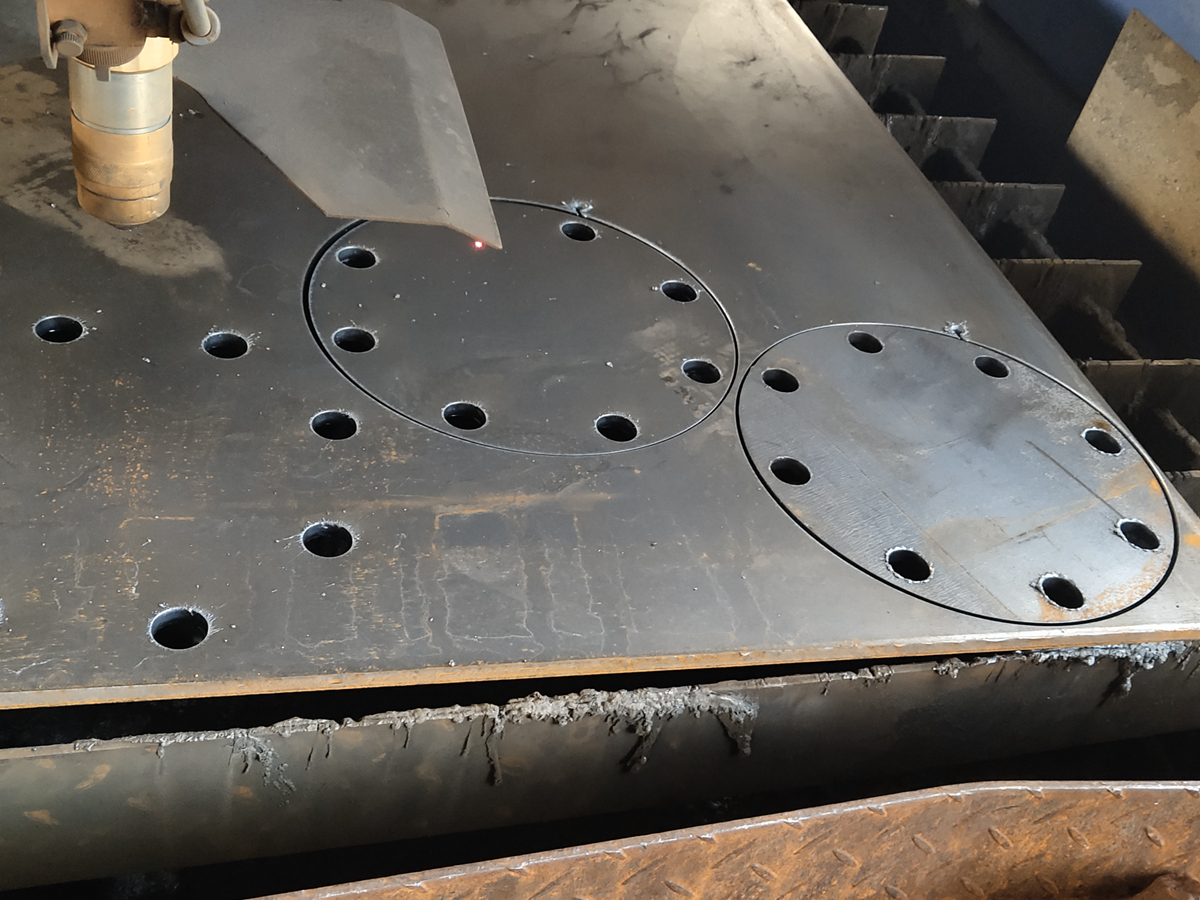
Edge cleanup can erase part of the cutting speed advantage if the RFQ requires low dross, smooth edges, cosmetic faces, weld-ready bevels, or accurate holes. Plasma cutting may finish the profile quickly, but a bracket or equipment panel can still need grinding, deburring, sandblasting, or coating before shipment.
Buyers should state whether the plasma-cut edge is acceptable as-cut or whether the part needs deburring, sandblasting, powder coating, or another secondary finish. Dross control should be discussed before quotation because edge cleanup affects the real production speed of the complete part.
How do nesting, programming, and batch size affect speed?
Nesting and programming can affect total speed as much as the cutting process itself. A well-nested sheet or plate can reduce wasted movement, reduce material waste, and improve repeatability across repeated batches. Poor nesting may leave more scrap, increase handling, or create heat concentration that affects part flatness.
For prototype or low-volume work, setup time and programming review may be a larger share of the total lead time. For repeat production, nesting strategy, material staging, and process stability become more important. Buyers can help by supplying clean DXF, STEP, or drawing files, confirming revision control, and identifying which dimensions require inspection after cutting.
What RFQ details help compare plasma cutting with other methods?
A strong RFQ should include material grade, sheet or plate thickness, part drawings, CAD files, quantity, toleranced features, hole sizes, edge finish expectations, downstream bending or welding steps, and required inspection records. These details help the supplier decide whether plasma cutting is the faster practical route or whether laser cutting, oxy-fuel cutting, machining, or another process will reduce total manufacturing risk.
Buyers should also separate cutting speed from delivery readiness. If a plasma-cut plate must be bent through metal bending, welded, coated, and inspected, the process comparison should include each production stage. That route-based comparison gives a more accurate quotation than asking only which cutting machine moves fastest.
Related FAQs