Plasma Cutting: Streamlining Industrial Production with Advanced Techniques
Plasma Cutting Industrial Production Decision: This article explains how buyers can evaluate plasma cutting for industrial fabrication parts such as thick plates, brackets, frames, base plates, guards, structural blanks, equipment panels, and weld-preparation components. The practical RFQ problem is deciding whether material type, plate thickness, cut profile, kerf, heat input, dross control, bevel requirement, and inspection plan can support the production route.
How Does Plasma Cutting Streamline Industrial Fabrication?
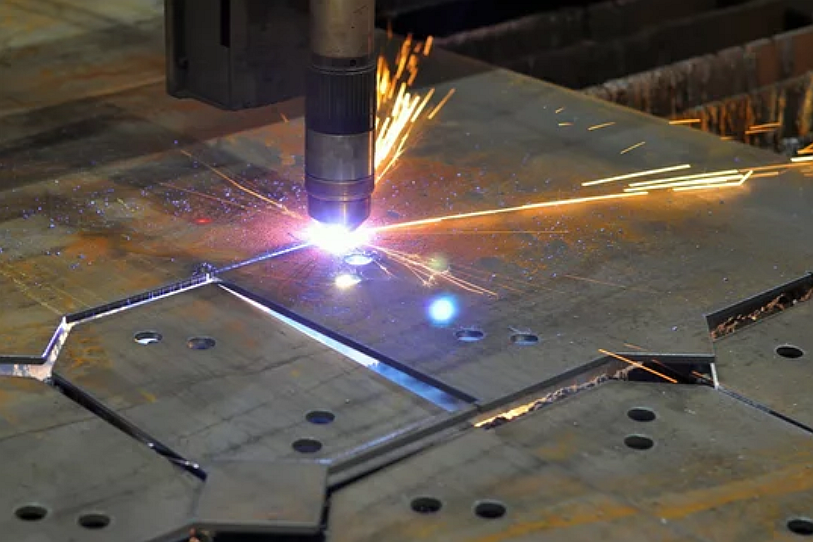
Plasma cutting streamlines industrial fabrication when conductive metal plates need fast profile cutting before welding, bending, machining, or assembly. The process uses an electrically conductive plasma arc to melt and eject metal along a programmed path, creating flat blanks, slots, holes, bevels, and contours for downstream fabrication.
The process is especially useful in sheet metal fabrication and plate fabrication when the material is thicker than the practical range for some other profile-cutting routes or when edge finish requirements allow post-cut cleaning. Plasma cutting can reduce manual layout and rough cutting time, but it still needs review for dross, taper, heat-affected zone, and dimensional accuracy.
Buyers should define whether plasma cutting is the final edge-making process or only a preparation step before machining, grinding, welding, or bending. That choice affects edge tolerance, bevel angle, cleanup allowance, and inspection requirements.
Which Metals And Part Types Fit Plasma Cutting?
Plasma cutting works on electrically conductive metals. It is often chosen for carbon steel, stainless steel, aluminum, and other conductive plate materials used in heavy fabrication, equipment, construction, agricultural machinery, energy, and industrial maintenance parts.
Material Or Part Type | Industrial Production Use | RFQ Confirmation Needed |
|---|---|---|
Carbon steel plate | Base plates, brackets, guards, frames, gussets, and weldment blanks | Confirm grade, plate thickness, bevel requirement, dross limit, and welding plan. |
Stainless steel plate | Corrosion-resistant guards, panels, equipment parts, and structural plates | Confirm grade, edge discoloration allowance, passivation or finishing, and burr requirement. |
Aluminum plate | Lightweight frames, panels, covers, equipment parts, and transportation components | Confirm alloy, thickness, heat distortion risk, edge cleanup, and downstream welding needs. |
Structural blanks | Profiles that move into welding, machining, or assembly | Confirm final datum surfaces, machining stock, hole quality, and fixture requirements. |
Beveled parts | Weld-preparation edges, chamfers, and plate joints | Confirm bevel angle, root face, weld standard, and inspection method. |
Material thickness and edge requirement should be stated early. A plasma-cut profile for welding may accept a different edge condition than a visible enclosure panel or a machined assembly datum.
Which Plasma Cutting Techniques Should Buyers Understand?
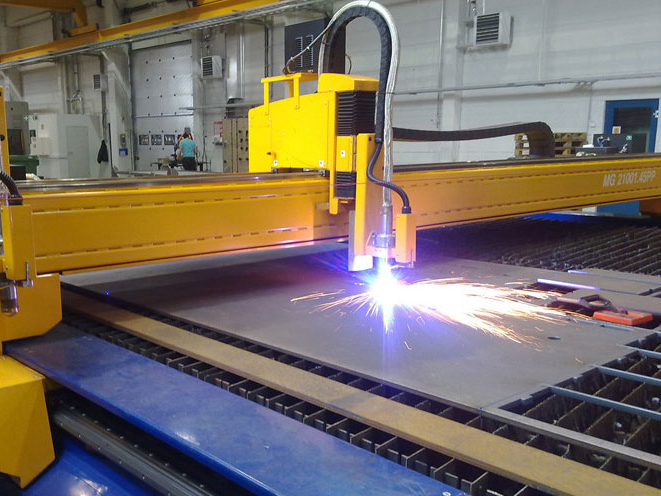
Plasma cutting can use different equipment and process setups, including manual plasma cutting, CNC plasma cutting, high-definition plasma cutting, water table plasma cutting, and bevel plasma cutting. The right technique depends on the required profile, thickness, edge quality, and production stage.
Plasma Cutting Technique | Best Fit | Buyer Decision Point |
|---|---|---|
CNC plasma cutting | Repeatable plate profiles, nested parts, holes, slots, and production blanks | Provide CAD geometry, material, thickness, quantity, and critical dimensions. |
Manual plasma cutting | Repair work, rough cutting, field modification, and noncritical shapes | Confirm whether hand-cut edge quality is acceptable for the application. |
High-definition plasma cutting | Parts needing improved edge quality and tighter process control than general plasma cutting | Define hole quality, edge taper, and post-cut cleanup expectations. |
Bevel plasma cutting | Weld preparation, chamfered edges, and plate joints | Define bevel angle, weld preparation standard, and inspection requirement. |
The buyer does not need to choose every process setting, but the buyer should define the result. Edge quality, hole fit, weld preparation, and cleanup allowance help determine the right plasma cutting setup.
How Do Thickness, Kerf, And Heat Input Affect Production?
Plate thickness, kerf width, pierce time, cut speed, heat input, and part spacing directly affect production efficiency. Thick material may favor plasma cutting, but thicker plate also increases heat input, bevel risk, and cleanup needs.
Production Factor | Effect On Plasma-Cut Parts | Buyer Requirement To Define |
|---|---|---|
Plate thickness | Controls cut speed, bevel, dross, pierce strategy, and route comparison | State nominal and actual material thickness. |
Kerf width | Affects final size, slot width, tab fit, and nesting spacing | Define critical dimensions and mating part requirements. |
Heat input | Can affect warping, heat-affected zones, and edge hardness | Define flatness, welding, machining, or heat-sensitive requirements. |
Nesting layout | Affects material use, heat concentration, grain direction, and part orientation | Confirm quantity, grain direction, and surface orientation if relevant. |
Pierce and lead-in locations | Can affect holes, small features, and visible edge zones | Mark no-mark areas and critical holes on the drawing. |
Production speed should not be separated from part quality. A faster cut may still require grinding, drilling, machining, or straightening if edge requirements are not defined correctly.
Which Plasma Cutting Defects Should Buyers Control?
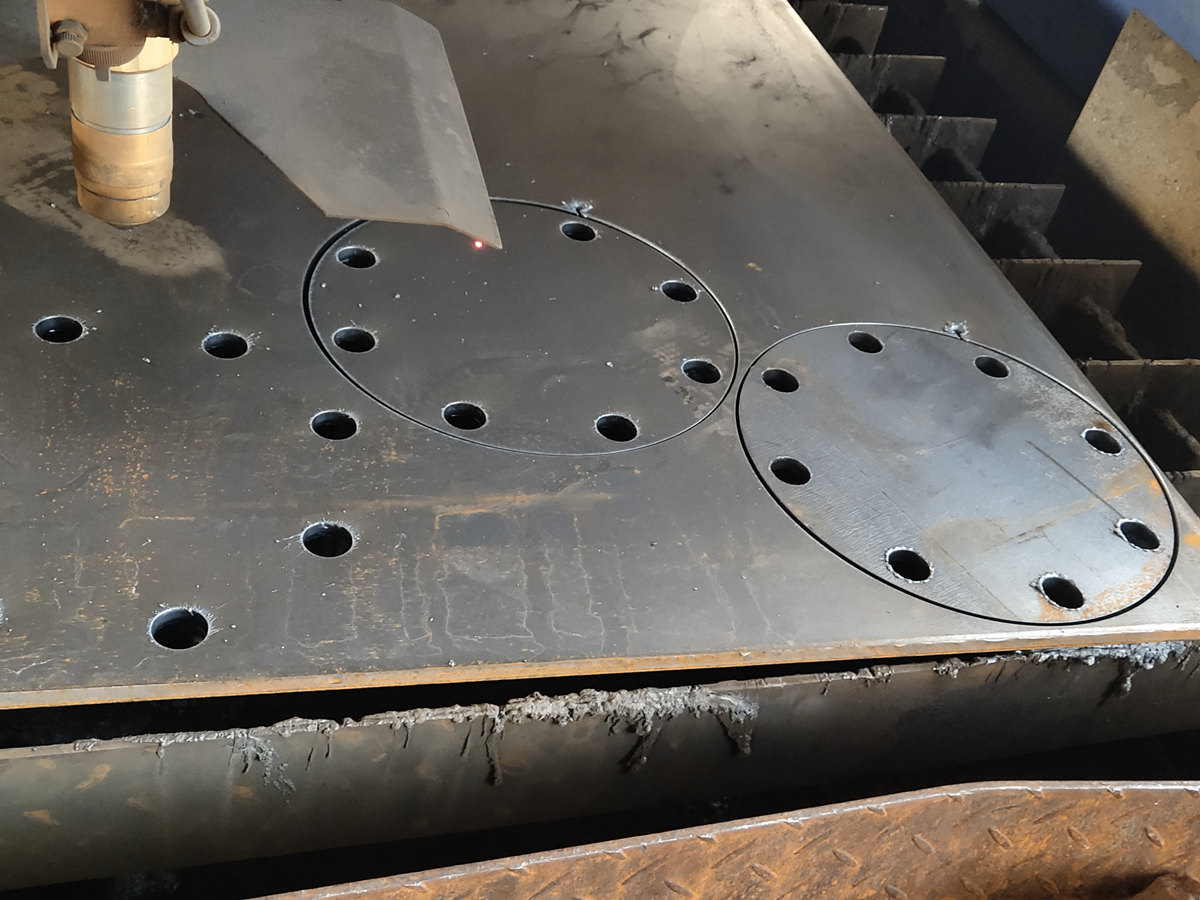
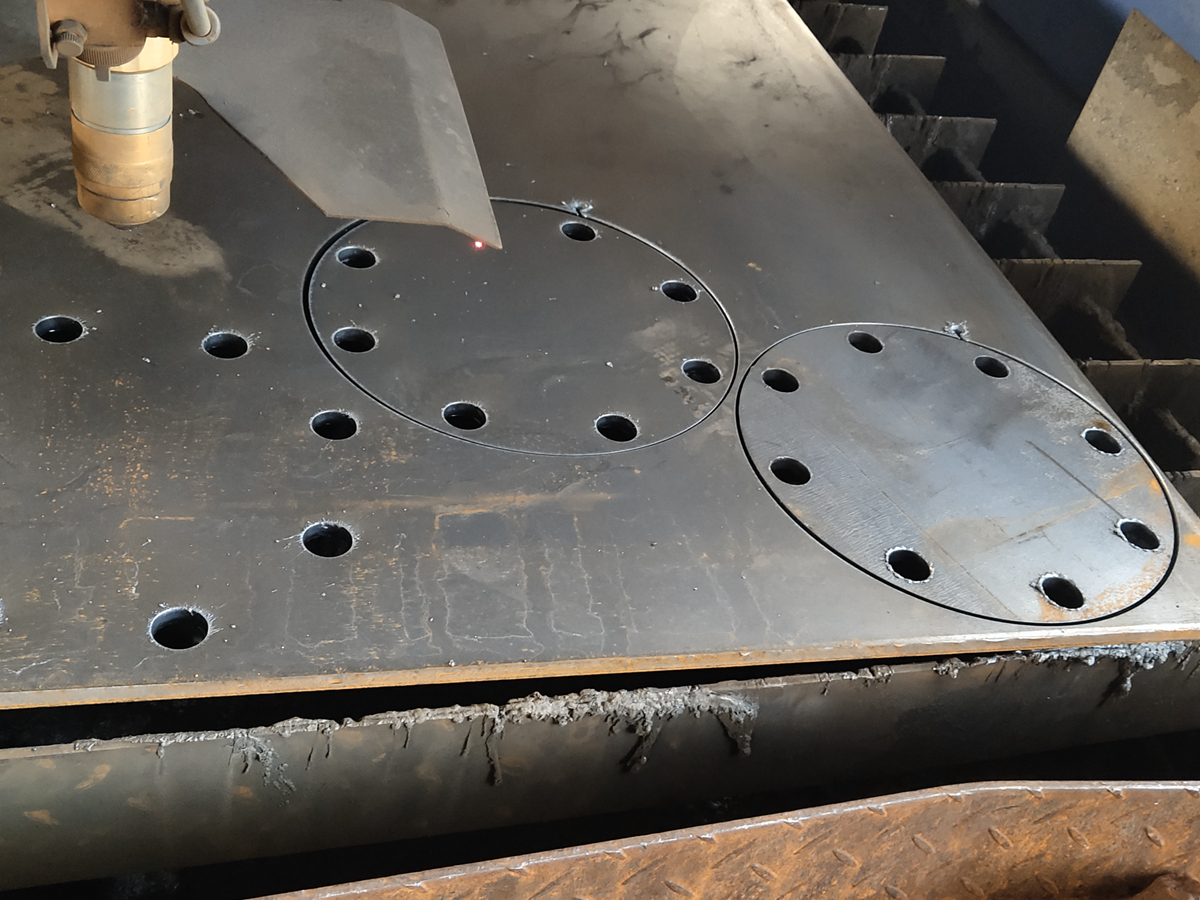
Common plasma cutting issues include dross, bevel, angularity, rough edge, heat discoloration, warping, incomplete cuts, hole taper, top-edge rounding, and excessive heat-affected zone. The importance of each issue depends on the next manufacturing step.
Plasma Cutting Risk | Manufacturing Impact | Inspection Or Control Evidence |
|---|---|---|
Dross formation | Can affect welding fit-up, coating, assembly, and handling safety | Visual inspection, grinding requirement, edge standard, and sample approval. |
Edge bevel or angularity | Can affect hole fit, mating surfaces, and weld preparation | Dimensional check, gauge inspection, or secondary machining if required. |
Warping | Can affect flat parts, long slots, thin webs, and welded assemblies | Flatness check, cut sequence review, fixture check, and straightening allowance. |
Heat-affected zone | Can affect machining, welding, coating, or fatigue-sensitive edges | Edge preparation, material review, or buyer-defined test where needed. |
Poor hole quality | Can affect bolt fit, pins, locating features, and assembly datum surfaces | Drilling, reaming, or machining after plasma cutting may be required. |
Buyers should define which edges are functional and which edges are rough-cut. A rough weld-preparation blank and a finished mounting plate should not use the same acceptance criteria.
When Should Buyers Compare Plasma Cutting With Laser Cutting Or Oxy-Fuel?
Plasma cutting should be compared with laser cutting, oxy-fuel cutting, waterjet cutting, machining, and saw cutting when the route is not fixed. Each process has different strengths for material thickness, edge quality, heat input, and production cost.
Cutting Route | Best Fit | When Plasma Cutting May Be Better |
|---|---|---|
Plasma cutting | Conductive metal plate, thicker fabrication parts, weld blanks, and industrial profiles | When speed and thickness capability matter more than fine laser-cut edge detail. |
Laser cutting | Detailed sheet profiles, small features, cleaner edges, and thinner sheet fabrication | When plate thickness or production economics favor plasma cutting. |
Oxy-fuel cutting | Carbon steel plate, heavy sections, and rough heavy-fabrication blanks | When material type, speed, or cut detail favors plasma over flame cutting. |
Machining | Final datum surfaces, precision holes, slots, and tight mating features | Plasma cutting can rough the blank before machining final features. |
Route selection should include downstream work. A plasma-cut blank may still need metal bending, welding, machining, grinding, coating, or final assembly.
Which Secondary Operations And Inspection Steps Matter?
Plasma-cut parts often need secondary operations. Common steps include dross removal, grinding, edge bevel cleanup, drilling, tapping, machining, bending, welding, straightening, shot blasting, painting, powder coating, and assembly.
Inspection evidence may include dimensional reports, first article inspection, template checks, CMM reports, flatness checks, bevel angle checks, hole gauges, visual inspection standards, weld fit-up checks, coating inspection, and assembly trials.
Inspection should match the finished part. A rough weld blank may need profile and bevel checks. A bracket may need hole position and flatness checks. A visible guard or cover may need edge cleanup and coating inspection.
What Should A Plasma Cutting RFQ Include?
A useful plasma cutting RFQ should include the CAD file, 2D drawing, material grade, plate thickness, quantity, edge requirement, hole requirement, bevel requirement, downstream fabrication steps, and inspection records. If the part will be welded or machined, the RFQ should identify which surfaces remain rough-cut and which surfaces need finishing.
RFQ Information | Why It Matters For Plasma Cutting | Buyer Confirmation Needed |
|---|---|---|
DXF, STEP, or drawing file | Defines cut profile, holes, slots, bevels, tabs, and datum features | Confirm revision, critical dimensions, and rough-cut versus final-cut areas. |
Material grade and thickness | Controls cut speed, plasma settings, dross risk, heat input, and route selection | State grade, thickness, surface condition, and material certificate need. |
Edge and dross requirement | Affects cleanup, grinding, welding fit-up, and coating preparation | Define acceptable dross, bevel, roughness, and grinding scope. |
Downstream fabrication | Connects plasma cutting to bending, welding, machining, coating, or assembly | Provide the full manufacturing sequence when available. |
Inspection and packaging | Controls dimensional evidence and prevents damage after cutting | State FAI, dimensional report, flatness check, bevel inspection, and packaging needs. |
Plasma cutting can streamline industrial production when the buyer treats the cut blank as part of a complete fabrication route. The strongest RFQs connect material, thickness, cut quality, downstream operations, and inspection requirements before production starts.
Related FAQs