Accelerating Production: The Advantages of Fast Plasma Cutting for Custom Parts
Fast Plasma Cutting Production RFQ Decision: This article explains how buyers can use fast plasma cutting to accelerate custom metal part production for base plates, brackets, guards, frames, covers, support plates, gussets, and heavy fabricated blanks. The practical RFQ problem is balancing production speed with material thickness, pierce count, edge quality, dross control, hole accuracy, nesting yield, downstream operations, and inspection requirements.
Fast plasma cutting is valuable when speed improves the whole manufacturing route, not only the cutting step. A plasma table may cut a profile quickly, but the buyer still needs the part to bend, weld, assemble, and pass inspection without avoidable cleanup. The best RFQ for fast plasma cutting identifies which features control assembly, which edges can accept normal plasma variation, and which secondary operations must be included in the quoted route.
How Does Fast Plasma Cutting Shorten Custom Part Production?
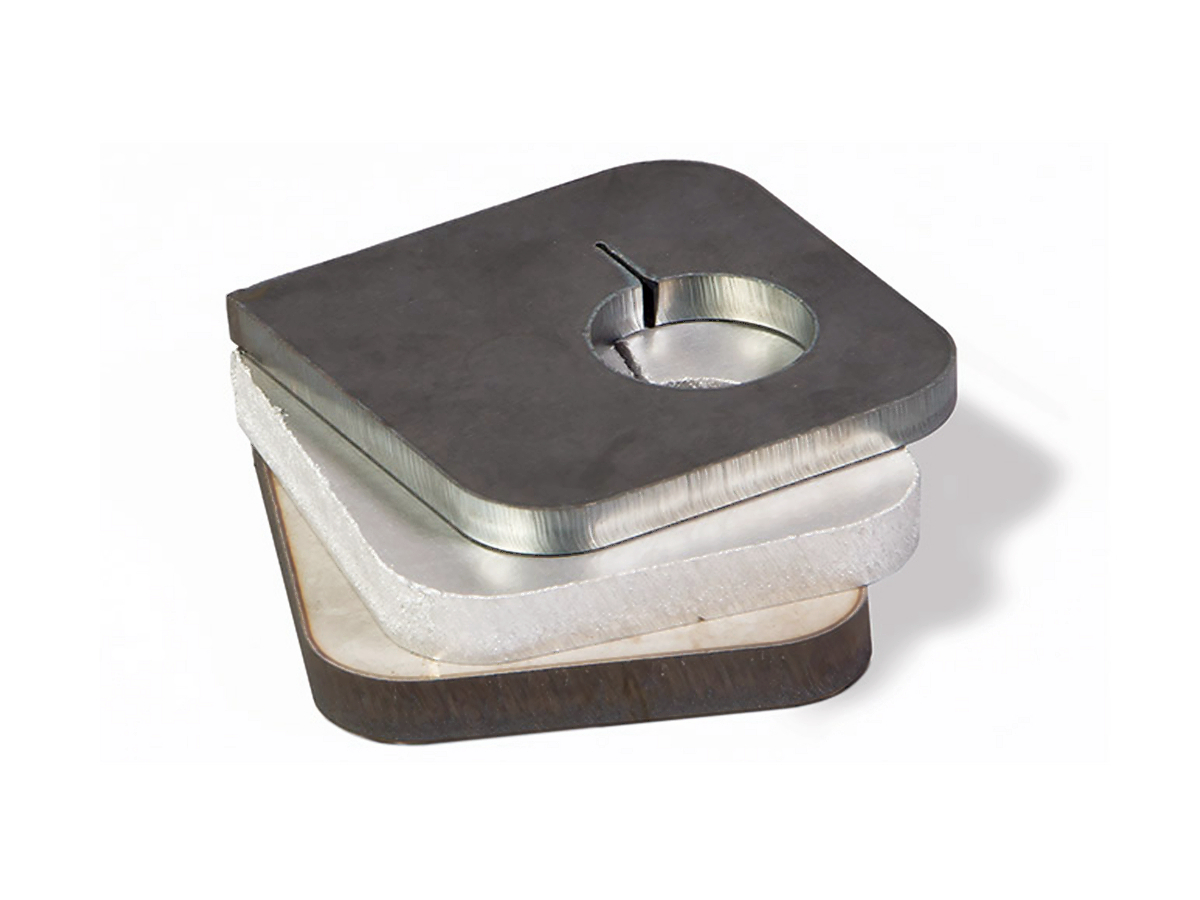
Fast plasma cutting shortens custom part production by converting CAD profiles into cut metal blanks without dedicated hard tooling. Buyers can release revised drawings, group multiple custom part numbers, and receive cut profiles for fabrication more quickly than routes that require a custom blanking die or extensive manual cutting. The process is especially useful for conductive metal plates where rapid profile cutting is more important than extremely fine feature detail.
The production advantage is strongest when the supplier can plan material handling, nesting, piercing, cut sequence, and secondary cleanup together. A single fast cut can still become inefficient if the part requires heavy grinding, hole correction, or rework after cutting. Buyers should therefore define the complete part route before quotation. The RFQ should say whether the cut blank goes to welding, machining, metal bending, coating, or final assembly.
Fast plasma cutting can also support urgent replacement parts and pilot production. When a maintenance team needs a repair bracket or an engineering team needs a revised plate, plasma cutting can help convert controlled CAD data into physical parts quickly. The buyer should still provide revision control and inspection notes because speed without drawing control can create mismatched parts.
Which Part Features Slow Or Accelerate Plasma Cutting?
Part features influence plasma cutting speed more than many buyers expect. Large outside profiles with few internal features usually cut faster than dense parts with many holes, slots, windows, and narrow ribs. Each pierce adds time, consumes process resources, and can increase local heat. Long uninterrupted contours may be efficient, but fragile bridges and thin ribs may require a different cut sequence to control movement.
Buyers should separate functional features from non-critical features. A clearance slot may not need the same accuracy as a datum hole. A decorative window may not need the same inspection level as a bolt pattern. When the RFQ identifies which holes locate mating components, the supplier can focus inspection and potential secondary operations on the right features.
Plasma Cut Part Feature | Effect On Production Speed | RFQ Detail That Prevents Rework |
|---|---|---|
Large outside profile | Can be efficient when material handling and nesting are planned | Define outside profile tolerance and critical mating edges |
Dense hole pattern | Increases pierce count and inspection workload | Mark functional holes, clearance holes, and holes for secondary finishing |
Long slots and internal windows | May concentrate heat and increase part movement | Identify flatness-critical zones and acceptable edge condition |
Thin ribs or narrow bridges | May require slower sequencing to protect geometry | Confirm minimum feature importance and final part function |
How Do Material And Thickness Choices Affect Production Speed?
Material and thickness choices affect plasma cutting production speed because carbon steel, stainless steel, and aluminum respond differently to heat input, edge formation, and dross. Thick carbon steel plates may be a strong fit for fast plasma cutting in industrial structures, while thinner cosmetic stainless parts may need comparison with laser cutting. Aluminum parts may require attention to thermal movement and support during cutting.
The buyer should provide the material grade and plate thickness instead of using broad terms such as steel plate or aluminum part. Plate condition, coating, surface rust, and flatness can affect actual production planning. If the buyer can accept equivalent material grades, the RFQ should state that flexibility. If the buyer's assembly or regulatory requirement fixes the grade, the RFQ should state that the material cannot be substituted.
Production speed is not always maximized by choosing the fastest table setting. A supplier may choose a slower parameter to reduce dross, control bevel, or protect flatness. That choice can still improve total efficiency when it reduces cleanup or inspection failures later. Buyers should ask for a quote based on finished part requirements, not only raw cutting speed.
How Can Nesting And Batch Planning Improve Plasma Cutting Throughput?
Nesting and batch planning improve plasma cutting throughput by grouping compatible parts, reducing plate changes, and making better use of raw material. When a buyer sends several custom part numbers in the same material and thickness, the supplier can plan a more efficient cutting batch. This is often more useful than sending one drawing at a time with no production context.
Nesting decisions should still respect part quality. Tight nesting can improve material utilization, but too little spacing may increase heat concentration, movement, or handling difficulty. Common-line cutting can be useful for some simple profiles, but it may not be appropriate for cosmetic edges, critical features, or parts that need clean separation. The RFQ should state whether part rotation is allowed, whether grain direction matters, and whether small tab marks are acceptable on non-critical edges.
Batch planning also supports downstream sheet metal fabrication. If plasma cut blanks later go to bending, welding, machining, coating, or assembly, grouping parts only by cutting speed may create a bottleneck in a later operation. A production-focused RFQ should describe the whole route so the supplier can plan the batch around both cutting and downstream flow.
Production Planning Entity | Throughput Benefit | Buyer Decision Before Quote |
|---|---|---|
Grouped part numbers | Reduces material setup and supports better nesting | Provide quantities by part number and shared material information |
Nesting orientation | Improves plate utilization when rotation is allowed | Confirm cosmetic direction, grain direction, and part marking needs |
Cut sequence | Controls heat concentration and part movement | Flag thin ribs, long slots, and flatness-critical features |
Downstream operation flow | Prevents cutting speed from creating later fabrication delays | State bending, welding, machining, coating, and assembly requirements |
How Should Buyers Balance Speed, Precision, And Edge Quality?
Buyers should balance speed, precision, and edge quality by defining feature priorities before the order is quoted. Plasma cutting can be fast and practical for many custom parts, but not every edge and hole needs the same requirement. A base plate may need accurate locating holes and practical weld edges. A machine guard may need safe deburred edges and acceptable flatness. A visible cover may need more post-cut finishing.
Edge quality should be described in engineering terms. The RFQ should mention dross expectations, bevel sensitivity, heat tint concerns, safety edge requirements, and whether edge cleanup is included. Hole accuracy should be linked to assembly function. If critical holes require tighter control than the plasma process can provide for the given material and thickness, the buyer may need secondary drilling, reaming, or machining.
Precision requirements should also match inspection capability. If the drawing applies strict expectations to every non-critical edge, the quote may include extra cleanup that does not improve function. If the drawing leaves critical features undefined, fast cutting may produce parts that are difficult to assemble. The buyer's job is to state the important features directly.
When Does Fast Plasma Cutting Fit Production Scaling?
Fast plasma cutting fits production scaling when the buyer needs flexible custom metal parts, changing revisions, mixed part numbers, or conductive plate profiles that do not justify dedicated tooling. The process can support prototype batches, pilot runs, replacement parts, and repeat production where the drawing package remains controlled.
For stable high-volume parts, buyers should still review whether plasma cutting remains the best route. A simple part with very high repeat demand may later justify stamping, laser cutting, machining, or a hybrid process depending on geometry, material thickness, tolerance expectations, and tooling economics. Fast plasma cutting is often a strong scaling step before a design is fully frozen.
The supplier can help evaluate scaling only if the RFQ includes forecast quantities, batch size expectations, revision status, and inspection priorities. A production forecast does not need to promise a fixed order, but it gives the supplier context for material planning, nesting strategy, and fixture decisions.
What Should A Fast Plasma Cutting RFQ Include?
A fast plasma cutting RFQ should include CAD files, PDF drawings, material grade, plate thickness, quantity by part number, revision number, critical features, edge condition requirements, dross expectations, downstream operations, packaging needs, and inspection criteria. The RFQ should identify which features control assembly and which features are cosmetic or non-critical.
The buyer should also state whether the supplier may suggest material alternatives, nesting options, or secondary finishing routes. If delivery speed is the main concern, the buyer should still define the acceptance criteria. If edge quality is the main concern, the supplier may adjust cutting parameters and cleanup steps even if raw cutting time increases. These trade-offs should be explicit before production.
Fast plasma cutting accelerates custom part production when speed is connected to real manufacturing requirements. Clear RFQ data helps the supplier reduce setup waste, avoid avoidable rework, and deliver metal parts that move smoothly from cutting into fabrication and assembly.
Related FAQs