Custom 3D Prototyping Services for Complex Industrial Parts
Custom 3D Prototyping RFQ Decision: This article explains how buyers can use 3D printing prototyping, metal 3D printing, plastic 3D printing, CNC machining prototyping, and rapid molding prototyping to validate complex industrial parts before tooling or production investment. The part types include internal-channel manifolds, lightweight brackets, plastic housings, metal thermal prototypes, fixture components, assembly check parts, and complex industrial covers. The practical RFQ problem is deciding whether a 3D printed prototype can answer the design question, which material route should be quoted, and which inspection or post-processing evidence must be defined before approval testing.
Custom 3D prototyping services are most useful when the prototype must answer a geometry, fit, design-iteration, or early functional question. Buyers should define the prototype purpose before asking for price because the manufacturing route, material grade, surface finish, build orientation, secondary machining, and inspection plan all depend on the question the prototype must answer.
When Should Buyers Choose 3D Printing Prototyping?
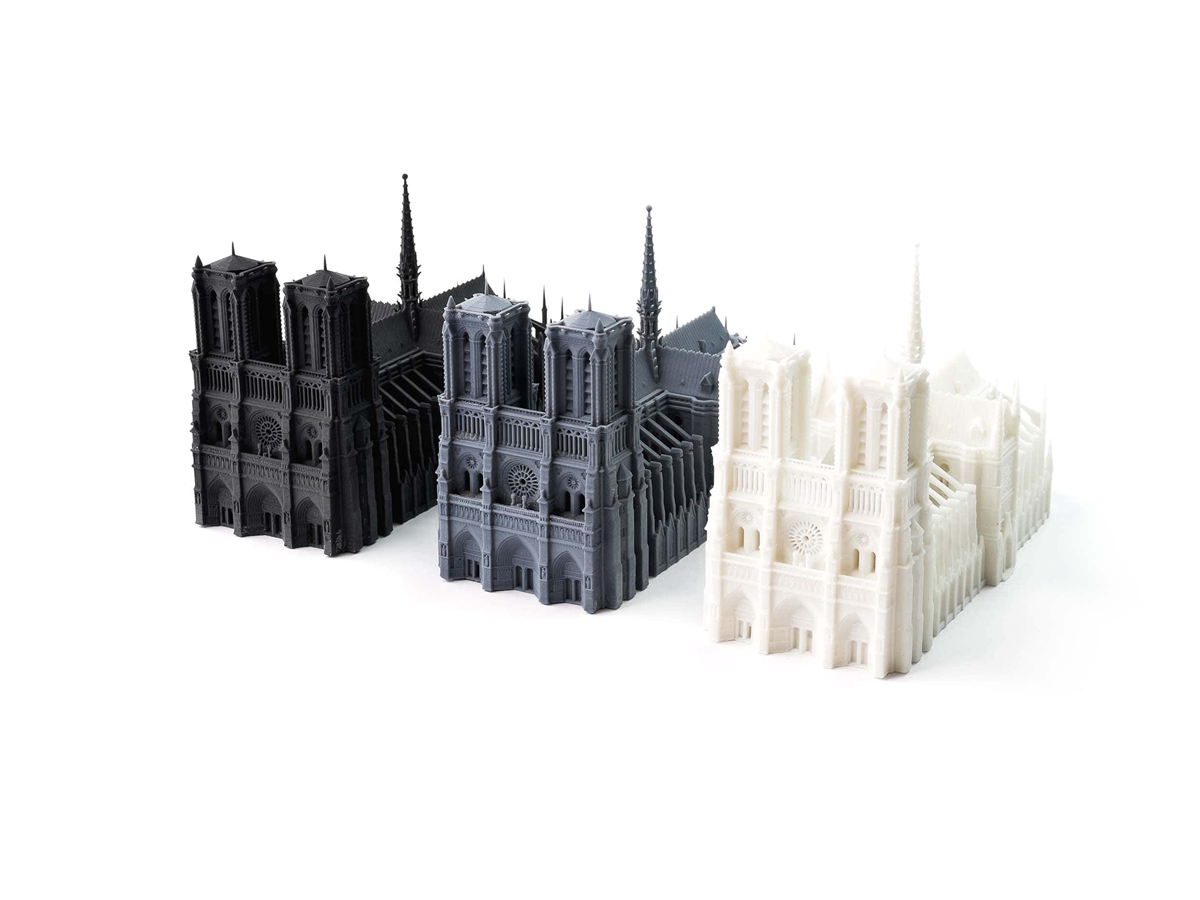
Buyers should choose 3D printing prototyping when the part geometry is changing, difficult to machine from stock, or useful to test before mold, die, or fixture investment. 3D printing prototyping can shorten the design loop for internal channels, thin walls, organic shapes, ergonomic covers, sensor housings, brackets, and assembly check components.
The engineering reason is that additive manufacturing builds a part from digital geometry instead of removing material from a block or creating hard tooling first. That route can be valuable when the buyer needs to compare design versions, check an assembly envelope, review service access, or test a complex feature that would be slow to produce by another prototype route.
The RFQ implication is direct: the buyer should state whether the prototype is for visual review, assembly fit, functional testing, thermal review, airflow testing, fluid path checking, or production-route comparison. A prototype for appearance may use a different material and finish than a prototype for load, heat, sealing, or wear evaluation.
Should The Prototype Use Plastic Or Metal 3D Printing?
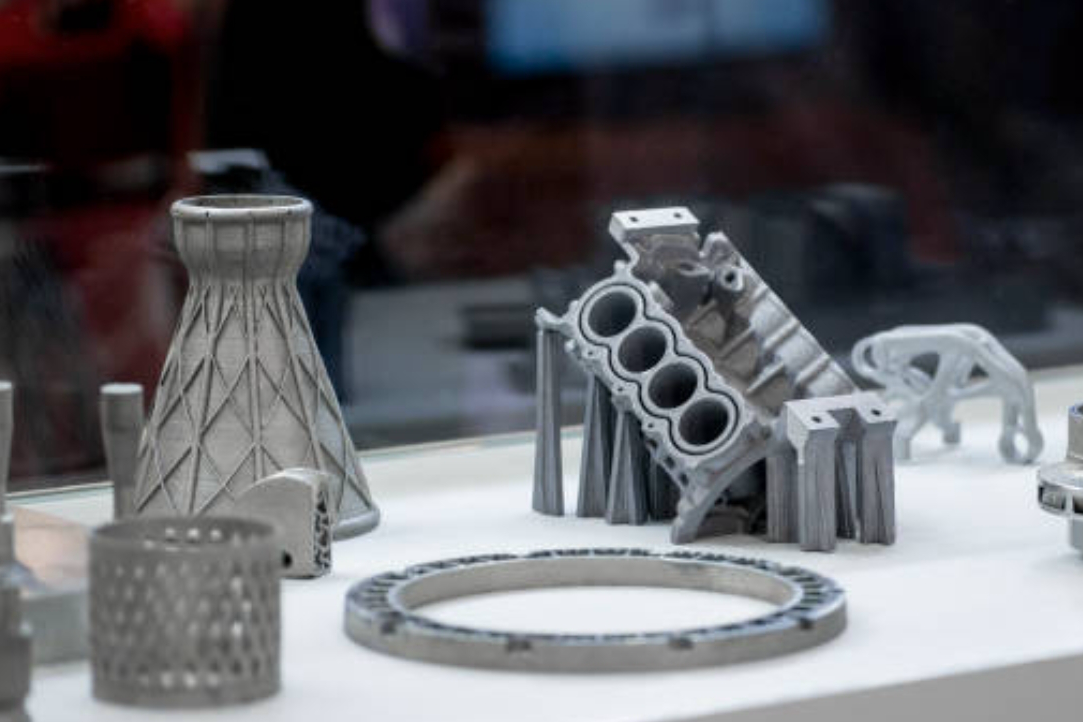
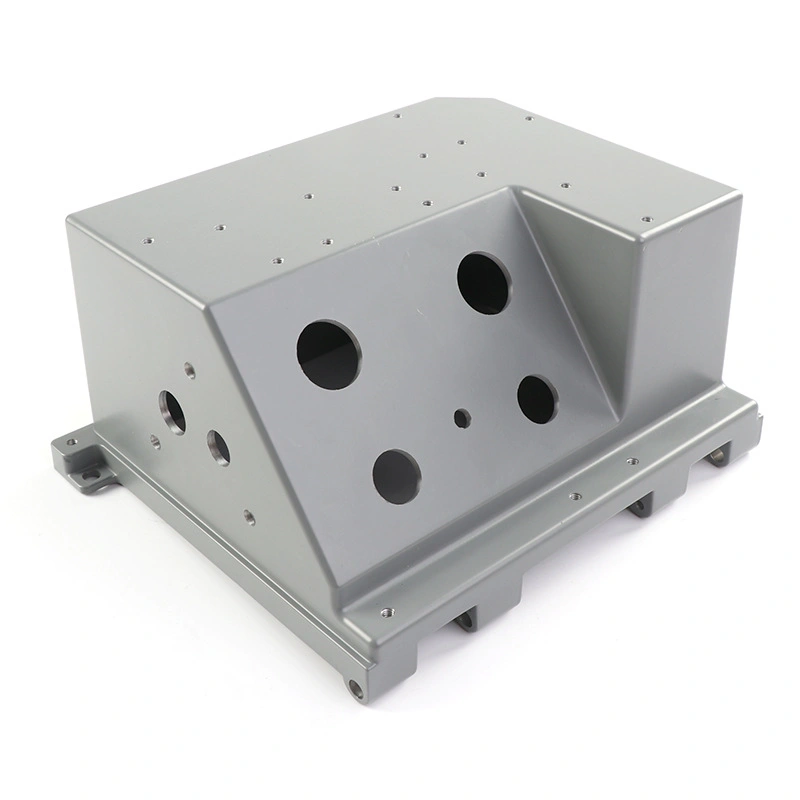
The prototype material should match the validation risk. Plastic 3D printing is often suitable for form, fit, assembly, ergonomic, enclosure, and fixture trials. Metal 3D printing is more relevant when the buyer needs to review heat paths, metal interfaces, threaded inserts, fluid features, structural geometry, or a metal production route at the prototype stage.
Material selection affects stiffness, weight, heat behavior, surface finish, dimensional control, post-processing, and inspection. A plastic housing prototype can answer cover fit and cable clearance questions, while an aluminum or stainless steel printed prototype may be needed when the design includes metal mating faces, higher service temperature, heat transfer, or metal fastener interfaces.
3D Prototyping Route | Typical Prototype Part Type | Buyer Question Answered | RFQ Detail To Define |
|---|---|---|---|
Plastic 3D printing | Housing, cover, fixture, ergonomic sample | Does the geometry fit the assembly and user interface? | Material family, surface finish, insert needs, and visual surface priority |
Metal 3D printing | Bracket, manifold, heat-transfer part, functional metal sample | Can the metal geometry, internal feature, or heat path be tested? | Metal grade, build orientation, support removal, machining allowance, and inspection method |
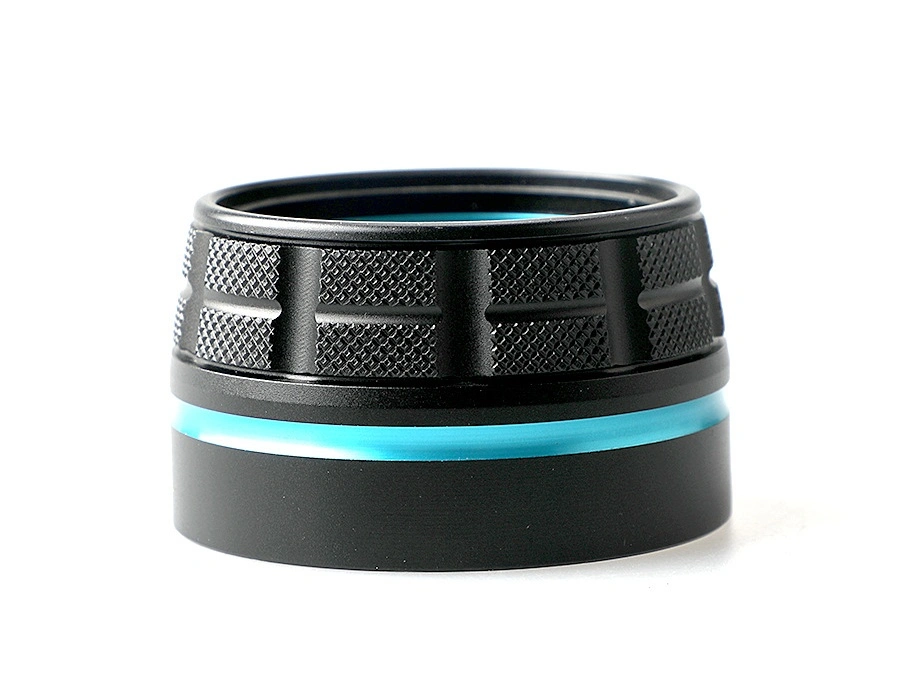
3D printing plus machining | Printed prototype with datum faces, holes, threads, or sealing areas | Can additive geometry be combined with controlled functional interfaces? | Machined datums, threaded holes, sealing surfaces, and CMM or dimensional inspection scope |
3D printed master pattern | Pattern for casting, molding, or forming review | Can the product shape be reviewed before the production process is fixed? | Pattern accuracy, shrinkage allowance, surface preparation, and downstream process plan |
Which Complex Features Make 3D Prototyping Useful?
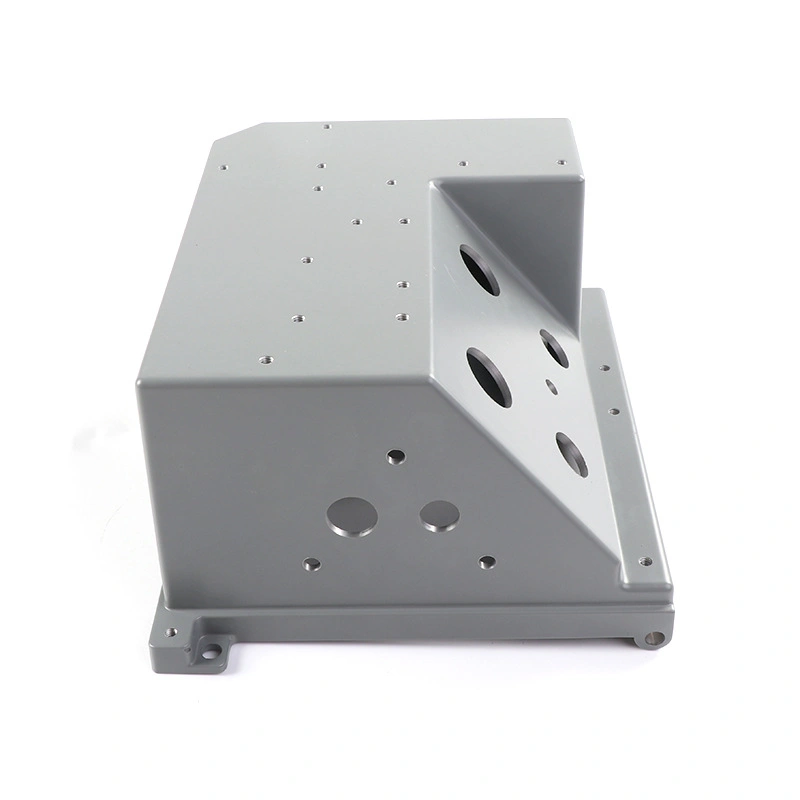
3D prototyping is useful when the part includes internal channels, undercuts, lattice-like zones, integrated brackets, thin covers, curved ducting, lightweight ribs, cable paths, cooling passages, or multiple design revisions. These features can make early prototype validation difficult if the buyer relies only on CNC machining, molding, or casting.
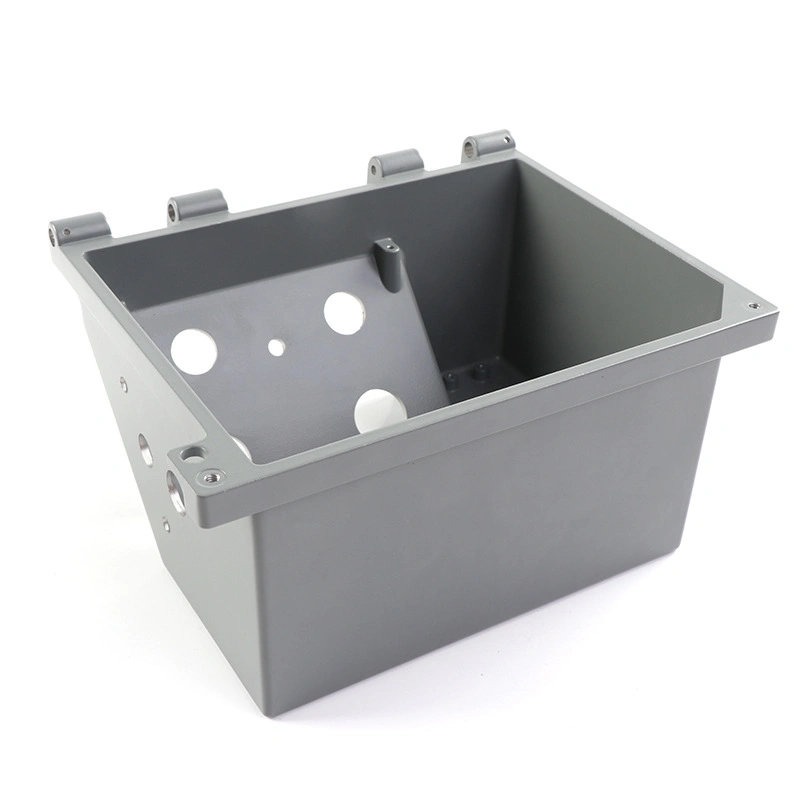
The engineering value comes from testing the complex feature before the buyer commits to tooling, machining fixtures, production casting geometry, or mold parting strategy. For example, an internal-channel prototype can help the buyer review flow path routing. A lightweight bracket prototype can help the buyer review mounting clearance and assembly sequence. A plastic enclosure prototype can help the buyer review snap features, connector openings, and operator access.
The RFQ should identify which features are critical and which features are only visual. If the internal channel must be checked, the buyer should define the channel access, cleaning expectation, pressure or flow validation owned by the buyer, and inspection method. If a bracket must carry load, the buyer should define the load case and final validation plan rather than assuming the printed sample represents production performance.
What Limitations Should Buyers Identify Before Testing?
Buyers should identify dimensional, surface, material, and process limitations before approving a 3D printed prototype. A 3D printed part may not represent molded plastic shrinkage, CNC-machined surface finish, die casting porosity behavior, forging grain flow, or final production tooling stability.
The manufacturing reason is that 3D printing creates layer-based geometry with process-specific surface texture, support requirements, orientation effects, and post-processing needs. Metal 3D printed prototypes may require support removal, heat treatment review, machining of datum surfaces, or surface finishing. Plastic 3D printed prototypes may require sanding, painting, insert installation, bonding, or sealing review depending on the application.
The RFQ implication is that the buyer should separate prototype acceptance from production approval. A prototype can validate shape, fit, access, and early function, but the buyer may still need CNC machining prototyping, injection molding prototyping, casting samples, or production-process samples before release.
What Post-Processing And Inspection Evidence Should Be Quoted?
Post-processing and inspection should be quoted according to the prototype purpose. If the buyer needs a display model, surface finishing and color may matter most. If the buyer needs an assembly test part, dimensional inspection, hole position, thread quality, mating faces, and insert locations may matter more. If the buyer needs a functional metal prototype, machined interfaces and material documentation may be part of the RFQ discussion.
Useful secondary operations can include support removal, sanding, bead blasting, polishing, painting, dyeing, sealing, heat treatment review, threaded insert installation, tapping, drilling, CNC machining of datum faces, and surface finish measurement. Useful inspection methods can include dimensional checks, CMM inspection for critical features, thread gauges, visual inspection, surface roughness checks, and assembly fit checks against buyer-supplied mating parts.
Prototype Requirement | Manufacturing Entity To Specify | Inspection Or Evidence To Request | Buyer Decision Supported |
|---|---|---|---|
Assembly fit | Datum faces, holes, connector openings, mating parts | Dimensional report and assembly check notes | Whether the part envelope and interfaces are ready for the next design step |
Functional metal test | Metal grade, heat path, threaded holes, machined surfaces | Material documentation, machined feature inspection, and critical dimension check | Whether the prototype can support early engineering validation |
Fluid or air path review | Internal channel, wall section, access port, sealing face | Channel inspection plan, visual review, and buyer-defined test interface | Whether the internal route is practical before production tooling review |
Visual or ergonomic review | Surface finish, color, texture, edge condition, handling surface | Visual inspection and finish sample approval | Whether the external design supports user and product review |
When Should Buyers Move From 3D Printing To CNC, Molding, Or Casting?
Buyers should move beyond 3D printing when the prototype question changes from early geometry validation to production-process validation. CNC machining may be better for tight datum control, machined metal interfaces, and accurate functional surfaces. Rapid molding may be better when molded plastic behavior, insert molding, or production-like surface texture must be reviewed. Casting prototypes may be better when draft, wall thickness, gates, machining allowance, and casting process risk must be evaluated.
The practical decision is to match the prototype route with the next buyer risk. If the risk is geometry uncertainty, 3D printing prototyping can be a strong first step. If the risk is final production tolerance, material behavior, surface finish, or tooling behavior, the RFQ should include a second prototype stage using the production-intent process or a closer manufacturing route.
What Should Buyers Include In A Custom 3D Prototyping RFQ?
A complete custom 3D prototyping RFQ should include CAD files, 2D drawings when available, prototype purpose, expected material, target process, quantity stage, surface finish, color or texture needs, critical dimensions, mating parts, threaded features, inserts, sealing surfaces, post-processing, inspection records, and the final production route if known.
Important buyer decisions should be stated directly. If the prototype is for fit only, say which assembly interfaces must be checked. If the prototype is for thermal or fluid review, define the channel, heat path, sealing face, and buyer-owned test method. If the prototype may move into CNC machining, injection molding, casting, or metal injection molding later, identify that production route so the supplier can flag prototype-to-production differences early.
Related FAQs