high-precision-cnc-machining-ensuring-accuracy-for-complex-parts
High-Precision CNC Machining RFQ Decision: This article explains how buyers should specify CNC machining prototyping for complex parts such as housings, brackets, heat sinks, shafts, valve bodies, fixtures, and precision machined prototypes. The practical RFQ problem is defining material grade, datums, critical features, machining route, tolerance intent, surface finish, inspection method, and secondary operations before a supplier quotes the part.
High-precision CNC machining is not only a machine selection issue. CNC milling, CNC turning, multi-axis machining, workholding, tool access, material stability, and inspection planning all affect whether a complex machined part can be produced repeatably. Buyers get clearer quotes when the drawing separates critical dimensions from general dimensions and explains which features control fit, sealing, motion, heat transfer, or assembly.
What Makes A CNC Machined Part Complex?
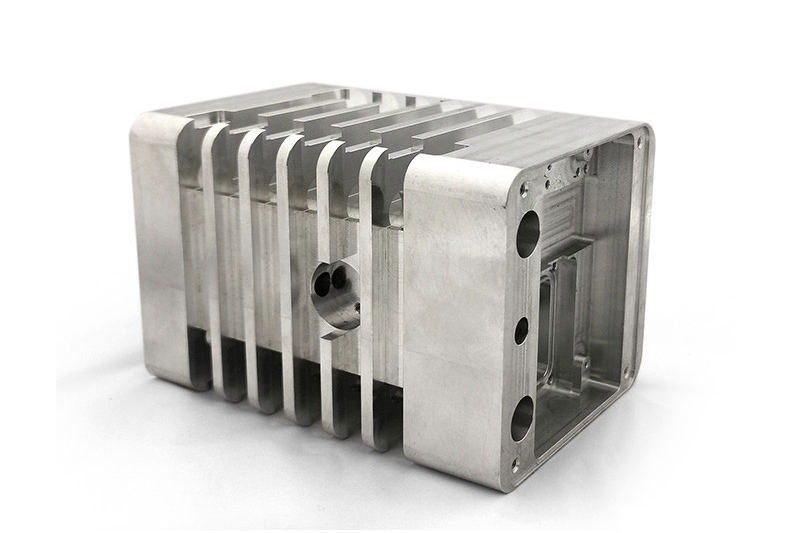
A CNC machined part becomes complex when geometry, material behavior, datum control, and inspection needs interact. Deep pockets, thin walls, undercuts, long bores, intersecting holes, tight feature relationships, cosmetic surfaces, and difficult tool access can all make a part harder to quote and manufacture.
Complexity should be explained through part features rather than broad labels. A simple-looking aluminum housing may be complex if the seal face, bearing bore, and threaded holes must stay aligned after multiple setups. A stainless steel bracket may become difficult if the design combines thin sections, small radii, and cosmetic surfaces. A shaft may need CNC turning, milling, grinding, or surface finishing depending on functional requirements.
Buyers can support quotation by sharing a 3D model, 2D drawing, revision status, material grade, quantity range, target application, and inspection expectations. When the design is still under review, the RFQ should identify flexible features so the supplier can suggest manufacturable adjustments without changing the part function.
How Should Buyers Define Datums And Critical Features?
Buyers should define datums and critical features before requesting CNC machining because the machining route and inspection plan depend on those references. Datums tell the supplier which surfaces, holes, or axes control the part. Critical features tell the supplier where extra process control is needed.
A drawing should identify mating faces, sealing faces, bearing seats, locating holes, thread features, flatness zones, perpendicularity relationships, and concentric features. The supplier then plans workholding, tool paths, and inspection around those entities. If the drawing does not define datums clearly, two suppliers may quote different assumptions for the same part.
Critical features also affect cost. A tolerance that matters to assembly should be stated directly. A tolerance applied broadly across every surface may increase machining and inspection effort without improving function. For a practical RFQ, buyers should separate functional tolerances, cosmetic requirements, and general manufacturing allowances.
Which CNC Machining Methods Fit Complex Parts?
The machining method should match part geometry, datum strategy, material, and production stage. CNC milling is often used for housings, plates, brackets, heat sinks, fixtures, and parts with pockets or planar features. CNC turning is often used for shafts, bushings, pins, sleeves, and round components. Multi-axis CNC machining can reduce setup changes for angled faces, compound surfaces, and features that are difficult to reach from three directions.
Buyers do not need to prescribe every machine unless the process is part of the requirement. The RFQ should explain the feature relationships that must be protected. The supplier can then choose CNC milling, CNC turning, mill-turn machining, secondary drilling, tapping, reaming, deburring, or surface finishing based on the actual geometry.
CNC Machining Method | Complex Part Feature | RFQ Information Needed |
|---|---|---|
CNC milling | Pockets, ribs, slots, heat sink fins, and flat datum faces | 3D model, critical faces, tool access limits, and surface finish callouts |
CNC turning | Outer diameters, bores, grooves, threads, and shaft features | Datum axis, runout relationship, thread standard, and finish requirement |
Multi-axis CNC machining | Angled holes, compound surfaces, and features across several orientations | Critical feature relationship, inspection datum scheme, and setup constraints |
Secondary machining | Threaded inserts, reamed holes, deburred edges, and local finish zones | Post-machining operations, acceptance criteria, and assembly interface details |
For broader process context, buyers can compare CNC route choices with the CNC machining process classification and typical CNC machining methods for custom parts.
How Does Material Grade Affect CNC Accuracy?
Material grade affects CNC accuracy because each alloy responds differently to cutting force, heat, residual stress, tool wear, and surface finishing. Aluminum alloys are often efficient to machine, but thin walls and cosmetic faces still need handling control. Stainless steel may require attention to work hardening, tool wear, burrs, and heat. Brass, copper alloys, and engineering plastics each create different cutting and inspection considerations.
The RFQ should state the exact material grade, temper or condition, equivalent standard if applicable, and any approved substitutions. If the buyer allows alternative materials, the RFQ should explain which properties matter most, such as corrosion resistance, thermal conductivity, strength, weight, conductivity, wear behavior, or appearance.
Material selection also affects secondary operations. An aluminum part may need anodizing or conversion coating. Stainless steel may need passivation. A copper alloy part may need plating. A plastic part may need stress review around thin features. These operations should be stated before quotation because finish allowance, masking, cleaning, and inspection may change the CNC machining plan.
How Should Tolerance And Inspection Requirements Be Quoted?
Tolerance and inspection requirements should be quoted by feature importance, not by applying maximum precision to the entire part. The buyer should identify critical dimensions, datum relationships, thread requirements, surface finish zones, flatness, parallelism, perpendicularity, concentricity, and any fit or sealing interfaces.
Inspection planning may include calipers, micrometers, gauges, height measurement, coordinate measuring machine checks, surface roughness checks, thread gauges, optical inspection, and first article inspection. The best method depends on the drawing and acceptance criteria. If records are required, the RFQ should state whether dimensional reports, material certificates, finish certificates, or first article reports are needed.
For high-precision machined prototypes, buyers should also define which dimensions must be verified before assembly testing. Prototype feedback can then be used to adjust datums, tolerance stacks, corner radii, wall thickness, and surface finish before moving toward repeated orders.
Which CNC Machining Risks Should Be Resolved Before RFQ?
Common CNC machining risks include limited tool access, unsupported thin walls, burr formation, chatter, thermal distortion, datum mismatch, fixture marks, surface finish mismatch, hole depth limits, thread depth issues, and inspection ambiguity. These risks should be reviewed before a quote is treated as production-ready.
A supplier may need to discuss fillet radii, relief grooves, minimum corner access, chamfer direction, setup sequence, stock allowance, material condition, and deburring method. These details do not change the buyer's functional requirement, but these details can make the machined part easier to manufacture and inspect.
CNC Machining Risk | Part Feature Involved | Buyer RFQ Action |
|---|---|---|
Tool access limitation | Deep pockets, small internal radii, and hidden faces | Share 3D model and mark features that can accept radius changes |
Datum mismatch | Mating faces, locating holes, and bore relationships | Define primary, secondary, and tertiary datums on the drawing |
Thin wall movement | Lightweight housings, ribs, and long unsupported sections | State functional wall zones and allow review of machining sequence |
Surface finish conflict | Cosmetic faces, seal surfaces, and post-finished areas | Identify finish zones, post-processing route, and inspection method |
When a risk is already visible in the design, buyers should include questions in the RFQ instead of waiting for first samples. This gives the supplier room to suggest manufacturable changes while the design is still easier to revise.
How Do Surface Finish And Secondary Operations Change The Quote?
Surface finish and secondary operations change the CNC quote because machining marks, edge breaks, cleaning, coating allowance, and inspection stage must be planned together. A machined part for anodizing may need consistent surface preparation. A stainless part for passivation may need cleaning and material control. A functional bore may need tighter inspection than a non-contact exterior face.
The RFQ should identify deburring, chamfering, tapping, heat treatment, anodizing, passivation, polishing, bead blasting, plating, powder coating, assembly, and packaging if those operations are part of the required scope. If the supplier only machines the part and another supplier finishes it, the RFQ should still define the condition required before transfer.
Finish requirements should not be hidden in notes that conflict with drawings. Buyers should mark cosmetic faces, functional sealing surfaces, contact surfaces, and areas where tool marks are acceptable. This reduces disagreement during inspection and helps the supplier quote the correct process route.
What Should A High-Precision CNC Machining RFQ Include?
A high-precision CNC machining RFQ should include the 3D model, 2D drawing, material grade, revision, quantity range, required machining process if specified, critical dimensions, datum scheme, tolerance intent, surface finish, secondary operations, inspection records, packaging needs, and any known assembly or functional risk. The RFQ should also state whether the order is for prototype validation, bridge production, or repeat production.
Buyers should call out flexible features separately from fixed features. A flexible internal radius, edge break, or non-critical pocket depth may help manufacturability. A fixed bearing seat, sealing face, locating hole, or threaded interface should be protected. This distinction gives the CNC supplier enough information to quote the part accurately without guessing which features matter.
High-precision CNC machining works best when design intent, machining method, material behavior, and inspection requirements are connected before purchase order release. A clear RFQ helps the buyer compare suppliers on the same technical basis and helps the supplier identify machining risks before material is cut.
Related FAQs
Which materials are best suited for CNC machining in critical applications?
How does CNC machining ensure part consistency and repeatability?
What are common CNC machining methods used for precision parts?
Why is CNC machining preferred over traditional machining methods for critical applications?
What design rules should buyers review for CNC machined prototypes and parts?
What types of surface finishes can be achieved with CNC milling?