How does CNC machining ensure part consistency and repeatability?
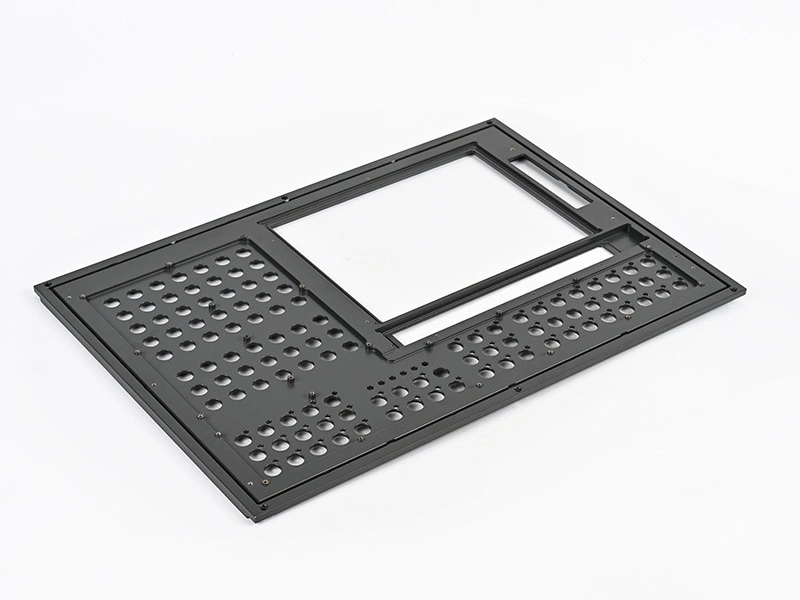
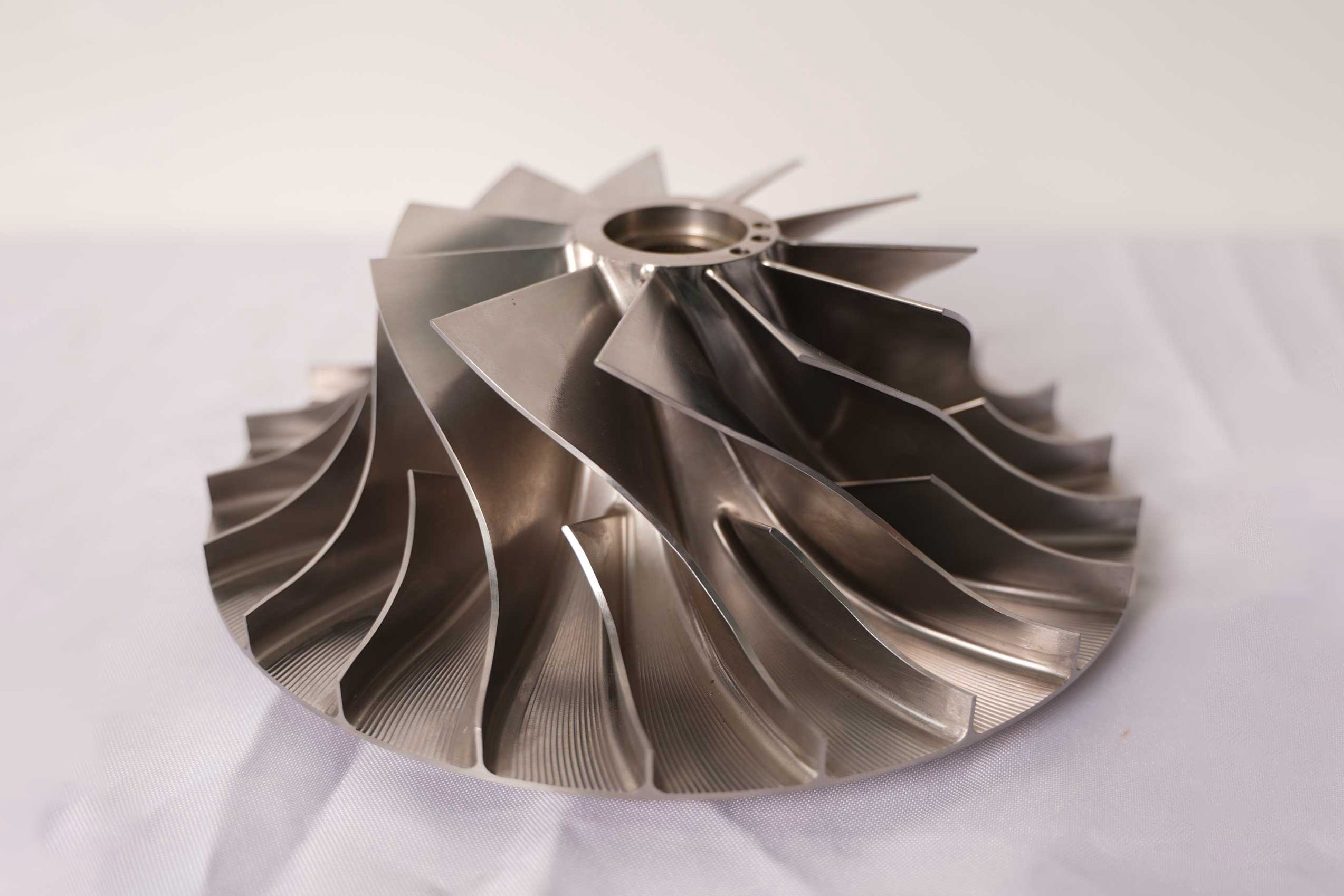
CNC machining improves part consistency and repeatability through controlled toolpaths, stable fixturing, qualified programs, tool management, material control, in-process inspection, first article approval, and documented process changes. This FAQ helps buyers evaluate repeatability for CNC milled parts, turned parts, housings, shafts, fixtures, brackets, and precision prototypes when an RFQ must control variation across prototypes, pilot runs, and repeat production.
How does CNC machining ensure part consistency and repeatability?
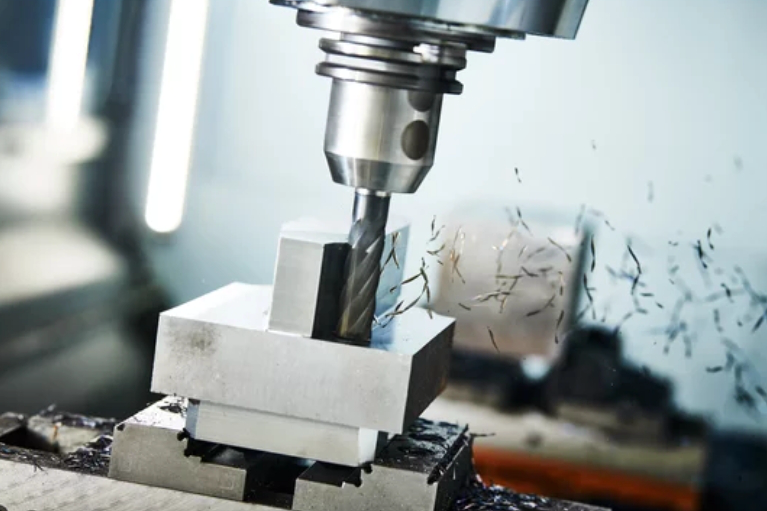
CNC machining supports consistency by using repeatable machine motion, validated toolpaths, controlled setups, and inspection feedback. The process does not rely only on an operator manually repeating each cut; it uses a defined program and process route that can be checked, adjusted, and documented.
Repeatability still depends on the drawing, material, fixture, cutting tools, machine condition, thermal behavior, and measurement method. Buyers should define critical dimensions and inspection expectations so the supplier knows which features require the strongest process control.
Repeatability control | CNC production stage | How it supports consistency | RFQ detail buyers should define |
|---|---|---|---|
Qualified CNC program | Programming and process planning | Controls toolpath, feeds, speeds, cutting sequence, and finishing passes | Critical features, tolerance class, and functional surfaces |
Stable fixturing | Setup and workholding | Controls datum repeatability, clamping force, and setup-to-setup variation | Datums, mating faces, flatness needs, and part orientation |
Tool management | Machining and maintenance | Controls tool wear, cutter replacement, offsets, burrs, and surface finish | Material grade, surface finish, edge quality, and quantity |
Material and blank control | Incoming material and preparation | Reduces variation from hardness, stress, thickness, casting quality, or stock size | Material standard, heat treatment, stock form, and certificate needs |
Inspection feedback | First article and production checks | Confirms dimensions before full production and monitors drift during repeat runs | Inspection method, sampling plan, CMM needs, and gauge requirements |
Change control | Revision and repeat orders | Prevents unintended changes to program, tooling, fixtures, material, or finish | Revision history, approved alternates, and repeat-order requirements |
Why are CNC programs and toolpaths important for repeatability?
CNC programs define the cutting path, cutting order, tool selection, feed rate, spindle speed, roughing strategy, finishing strategy, and tool changes. Once a program is proven on the required material and geometry, the same process can be repeated with controlled adjustments for tool wear and setup conditions.
Buyers should provide the latest drawing revision and 3D model before programming begins. If the part changes after a program is qualified, the change can affect cycle time, tool access, inspection, and repeatability.
How do fixtures and datums control CNC part consistency?
Fixtures and datums control how the workpiece is located and clamped during machining. A stable fixture reduces movement, vibration, orientation error, and setup variation. A clear datum scheme also helps inspection match the manufacturing plan.
Multi-face parts, thin-wall housings, and parts with tight hole patterns often need more careful workholding. Buyers should identify mating faces, assembly datums, sealing surfaces, and functional holes so the supplier can choose a setup strategy that supports repeatability.
How do tool wear, offsets, and machine condition affect repeatability?
Tool wear changes feature size, surface finish, burr formation, and cutting force. Tool offsets and scheduled tool replacement help keep dimensions stable across a production run. Machine condition, spindle runout, axis movement, coolant control, and thermal growth can also influence repeatability.
For repeat production, buyers should define critical dimensions, surface finish, and edge requirements. These details help the supplier decide which tools need monitoring and which features need in-process checks.
How do material batches and heat treatment change CNC consistency?
Material variation can affect consistency even when the CNC program is unchanged. Hardness, residual stress, cast structure, stock size, and heat treatment can change cutting behavior and dimensional stability. A thin-wall aluminum housing, stainless steel fitting, titanium bracket, or heat-treated steel component may move differently after material removal.
Buyers should specify material grade, temper, heat treatment, and certificate requirements when repeatability is important. If equivalent materials are allowed, the acceptable range should be written into the RFQ.
Which inspection steps support CNC repeatability?
Useful inspection steps include first article inspection, in-process dimensional checks, final inspection, surface roughness checks, thread gauges, bore gauges, CMM reports, and functional gauges. The correct method depends on the feature and the risk.
Inspection should focus on critical features rather than checking every dimension with the same intensity. A sealing face, bearing bore, true-position hole pattern, and cosmetic surface each need a different inspection approach.
What RFQ information helps control CNC repeatability?
A useful RFQ includes 2D drawings, 3D models, material grade, heat treatment, production quantity, revision status, critical dimensions, datums, surface finish, inspection plan, first article needs, packaging requirements, and repeat-order expectations. Buyers should state whether the supplier may recommend design or tolerance changes before production.
With those details, the supplier can build a repeatable process around program control, fixtures, tools, material, and inspection. Repeatability is strongest when the buyer and supplier agree on which dimensions and surfaces drive part function.
Related FAQs