Typical CNC Machining Methods for Custom Parts Manufacturing
CNC Machining Method Selection RFQ Decision for Custom Parts: CNC machining for custom parts includes CNC milling, multi-axis milling, CNC turning, multi-axis turning, EDM, wire EDM, CNC drilling, CNC grinding, and finishing operations. This article explains how buyers can choose a machining route for prototypes, low-volume parts, precision metal parts, plastic parts, shafts, housings, brackets, mold components, and complex features before requesting a quote.
The practical RFQ problem is process fit. A block-shaped housing may need milling, a shaft may need turning, an undercut may need multi-axis access, a sharp internal corner may need EDM, and a critical surface may need grinding or finishing. Buyers should provide material grade, 2D drawing, 3D model, quantity, critical dimensions, surface finish, heat treatment, coating, and inspection requirements so the machining route can be reviewed correctly.
How CNC Machining Method Selection Starts From Part Geometry
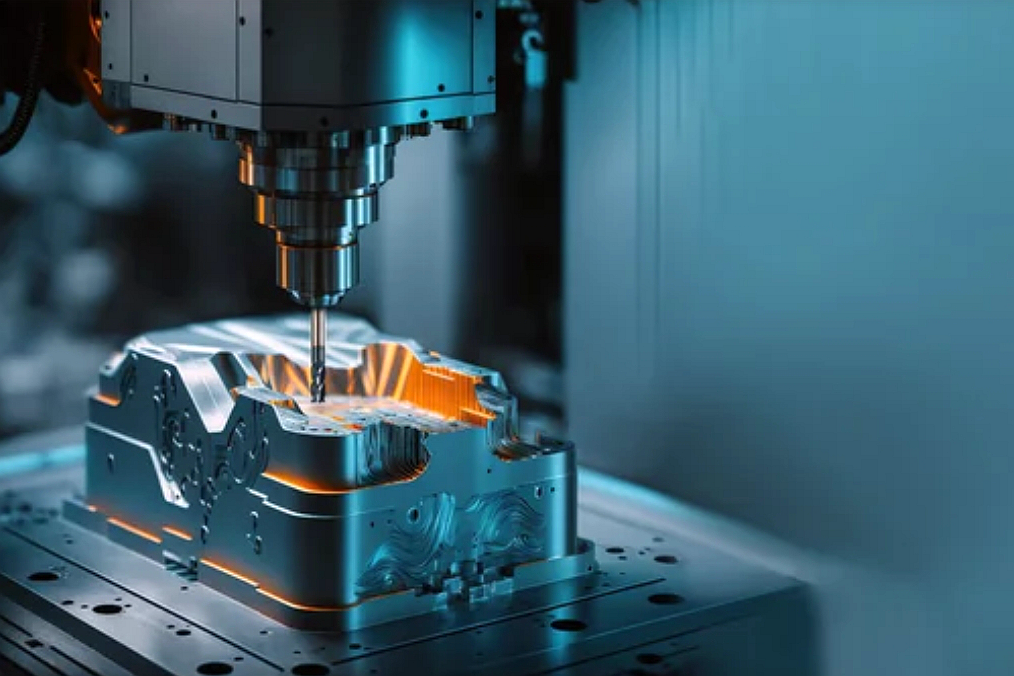
CNC machining removes material from a workpiece with controlled toolpaths. The best method depends on whether the part is prismatic, rotational, thin-walled, deep-pocketed, hard after heat treatment, or difficult to access with a standard tool. A simple plate may need milling and drilling. A bushing may need turning. A mold insert may need milling plus EDM. A shaft with cross holes may need turning plus secondary milling or multi-axis turning.
Buyers should start with the part function. Datum surfaces, bearing fits, threaded holes, sealing faces, cosmetic areas, and assembly interfaces should be identified before quotation. A supplier can then decide whether to machine from bar stock, plate, billet, casting, forging, extrusion, or a near-net-shape blank, subject to material availability and drawing review.
CNC Machining Method | Suitable Part Features | Manufacturing Risk to Review | RFQ Information Needed |
|---|---|---|---|
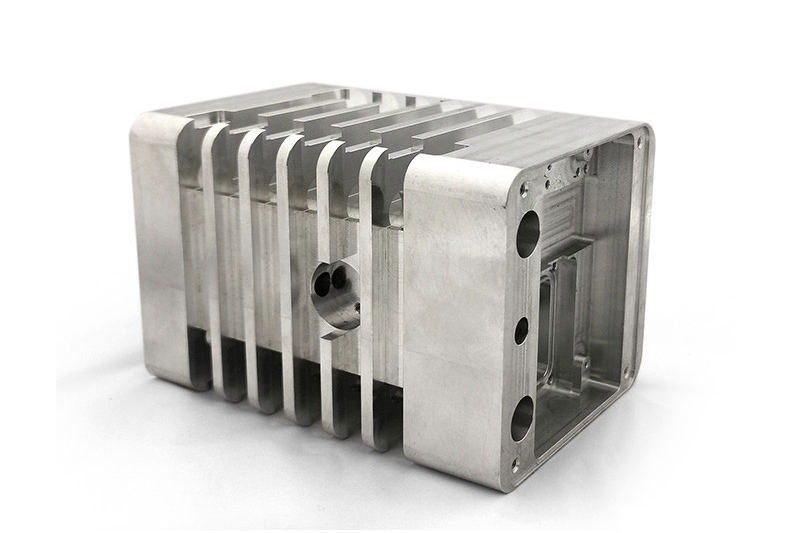
CNC milling | Flat datums, pockets, slots, holes, bosses, and block-shaped housings. | Tool access, internal radii, chatter, burrs, and workholding distortion. | 3D model, 2D drawing, material grade, surface finish, and critical dimensions. |
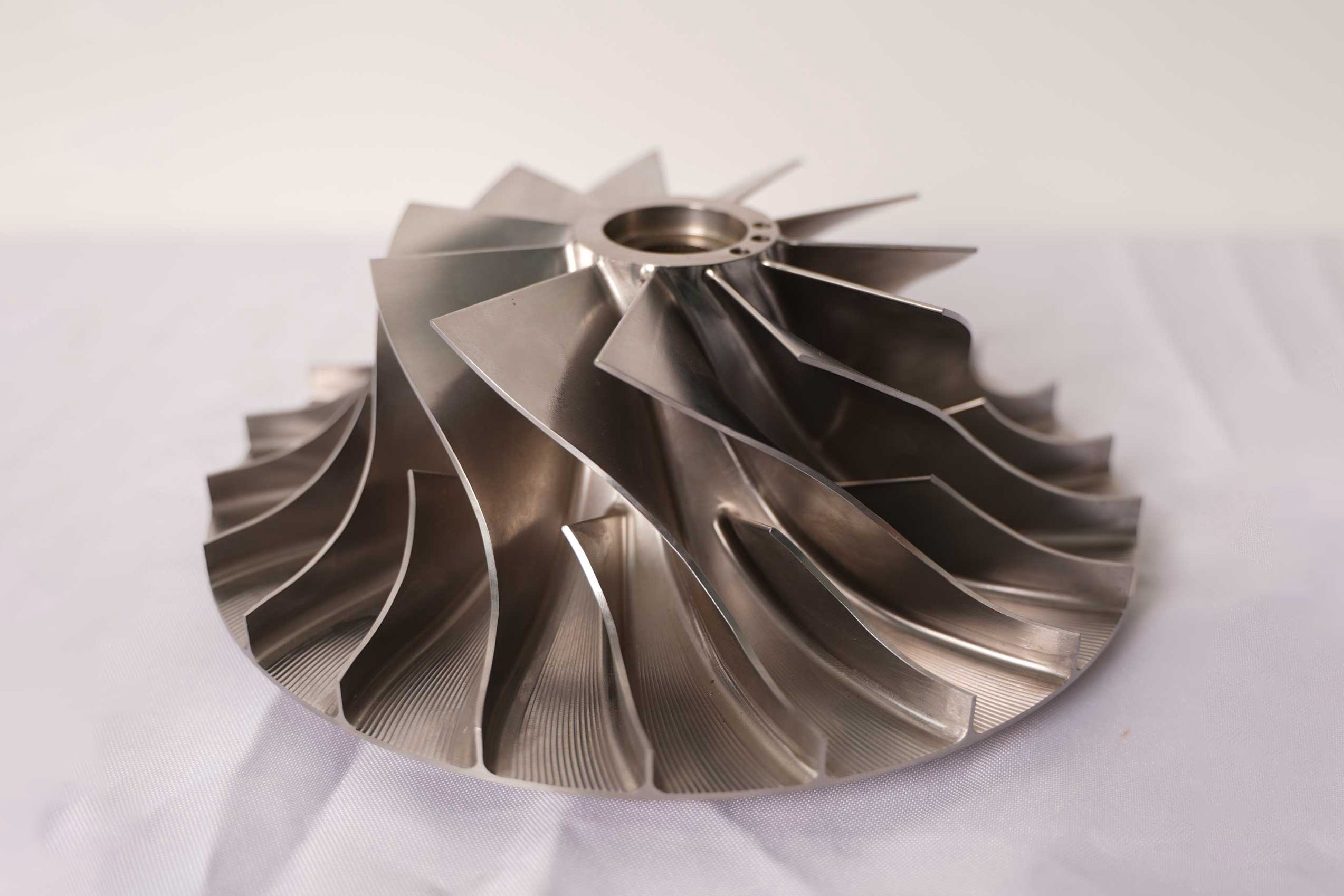
Multi-axis milling | Angled faces, undercuts, impeller-like geometry, compound surfaces, and fewer setups. | Fixture access, collision risk, datum transfer, and tool reach. | Critical datum plan, tolerance priority, surface side, and inspection method. |
CNC turning | Shafts, pins, bushings, collars, rings, sleeves, and rotational parts. | Concentricity, runout, slender-part deflection, groove access, and thread quality. | Diameter requirements, thread standard, groove detail, material, and quantity. |
EDM and wire EDM | Hard materials, sharp internal features, mold details, slots, and profiles difficult for cutters. | Recast layer, surface condition, electrode planning, and cut path access. | Feature purpose, material condition, surface requirement, and acceptance criteria. |
CNC Milling for Prismatic Parts, Pockets, Slots, and Flat Datum Surfaces
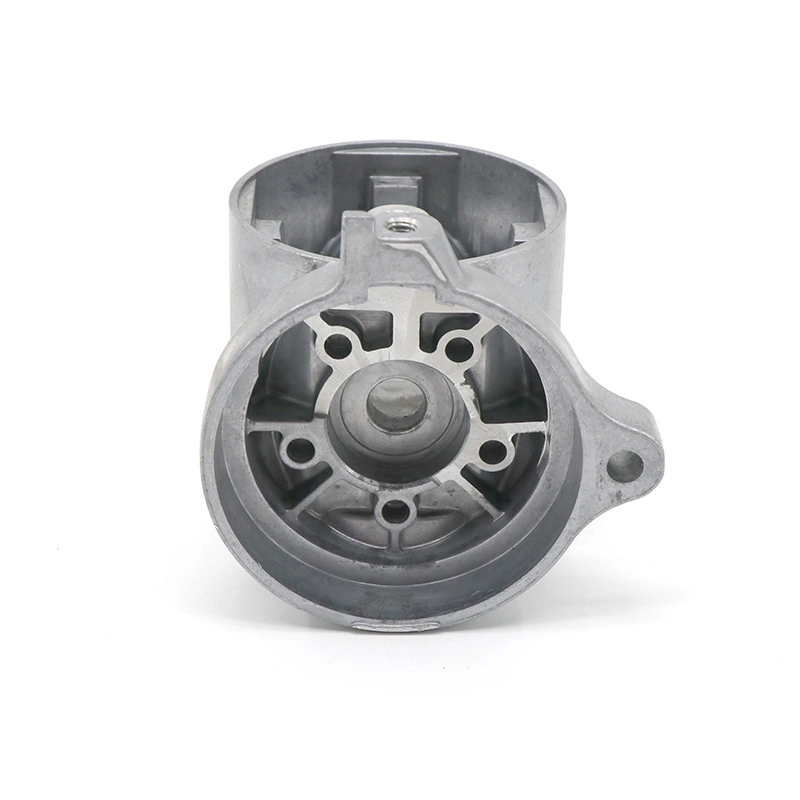
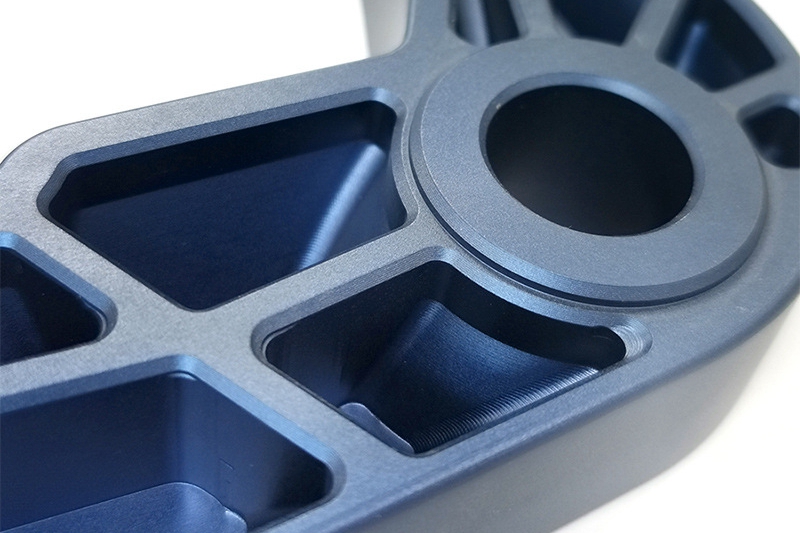
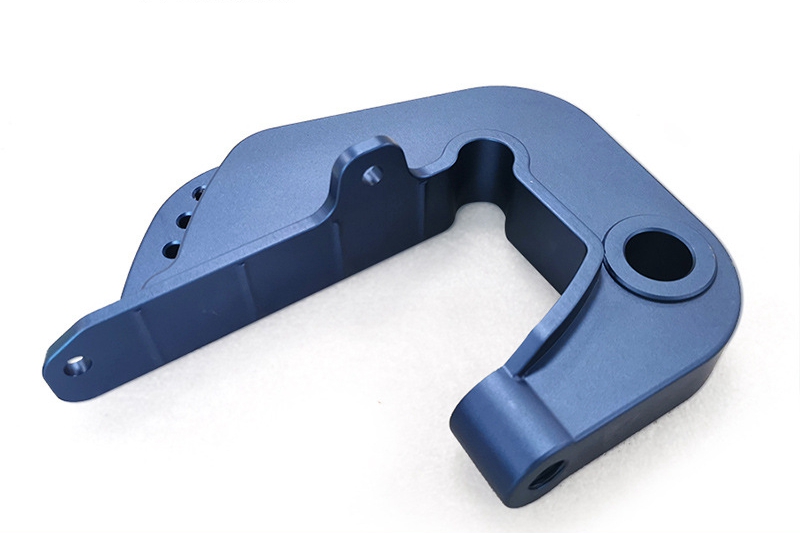
CNC milling is usually selected for parts with flat faces, pockets, slots, steps, drilled holes, tapped holes, ribs, bosses, and machined datum surfaces. A rotating cutting tool removes material while the workpiece is held in a fixture or vise. Milling can create prototype parts, functional housings, brackets, plates, fixtures, mold components, and machined features on cast or formed blanks.
The main RFQ issues are tool access, setup count, internal corner radius, wall thickness, pocket depth, burr control, and surface finish. Deep pockets may need longer tools and slower cutting conditions. Thin walls may deflect. Internal corners normally require a radius because round cutting tools cannot create a perfectly sharp internal corner. If the corner must be sharp for function, EDM or another secondary operation may be needed.
Multi-Axis CNC Milling for Undercuts, Angled Features, and Fewer Setups
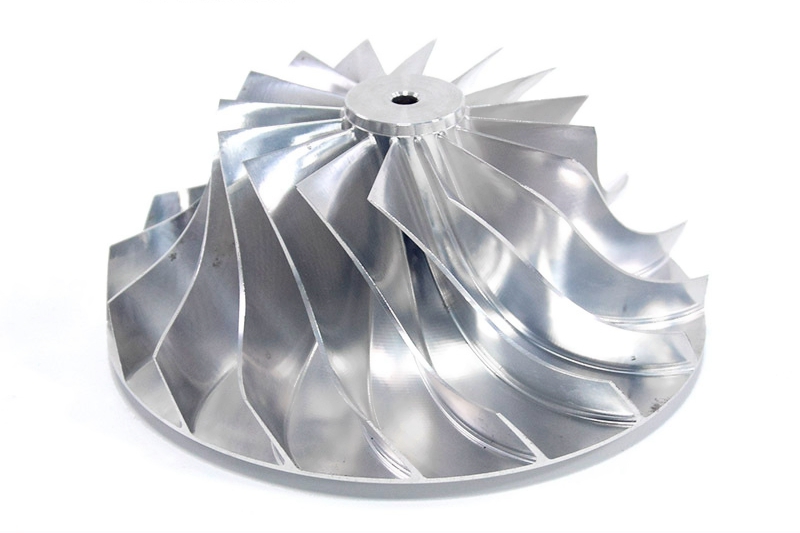
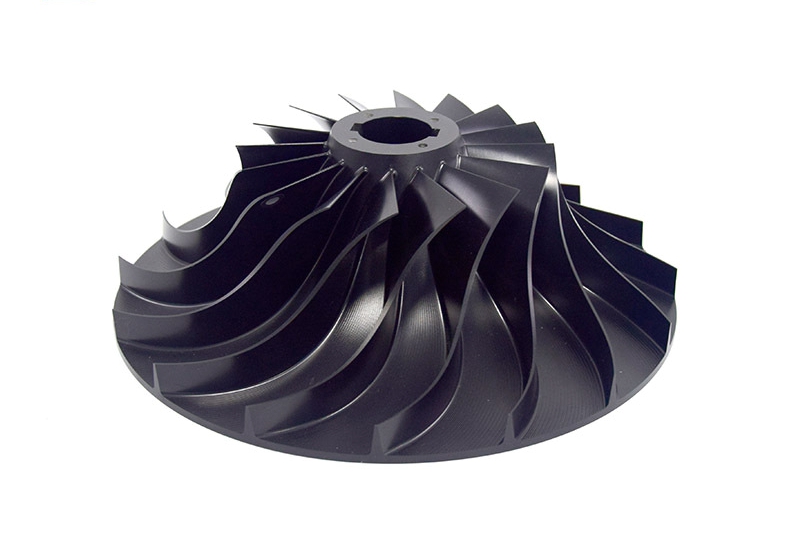
Multi-axis CNC milling adds rotary motion or additional tool orientation so the cutter can reach angled faces, compound surfaces, side features, and difficult-to-access geometry. The method can reduce setup changes when the part has features on several sides. It can also help maintain datum relationships when the part would otherwise need several manual re-fixtures.
Multi-axis milling still requires manufacturable geometry. Tool length, fixture clearance, collision risk, material rigidity, and inspection access must be reviewed. If a feature is critical, the drawing should identify how it relates to the main datums and what inspection evidence is required. Multi-axis milling is a route decision, not a promise that every complex feature can be machined without compromise.
CNC Turning for Shafts, Bushings, Rings, and Rotational Parts
CNC turning is used for rotational parts. The workpiece rotates while a cutting tool forms outside diameters, inside bores, grooves, shoulders, chamfers, tapers, threads, and parting surfaces. Typical turned parts include shafts, pins, bushings, collars, sleeves, spacers, rings, nozzles, connectors, and threaded fittings.
Turning RFQs should identify diameter relationships, runout requirements, thread standards, groove details, material condition, heat treatment, and surface finish. Slender shafts may deflect during machining. Thin rings may distort during clamping. Threaded features may need gauges. If the part includes milled flats or cross holes, turning may need to be combined with secondary milling or live-tool turning.
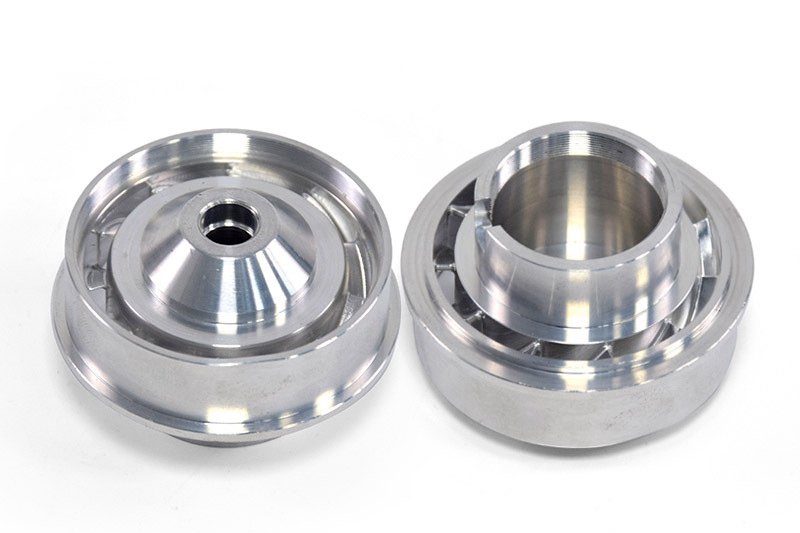
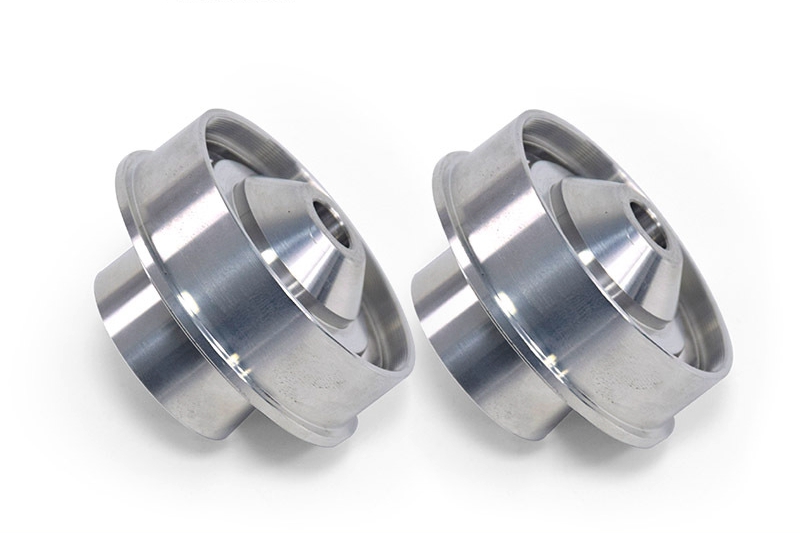
Multi-Axis CNC Turning for Slender Shafts and Cross-Hole Features
Multi-axis CNC turning, mill-turn machining, or live-tool turning can combine rotational cutting with secondary features such as flats, slots, cross holes, side holes, keyways, and angled features. The method is useful when the part should remain located from the same turning setup while additional features are added.
The main risks are workholding, tool access, part deflection, and sequence planning. A slender shaft may need support. A cross hole may create burrs inside a bore. A milled flat may affect balance or assembly orientation. Buyers should define which diameters, bores, threads, and secondary features control function so the process route can prioritize the correct datums.
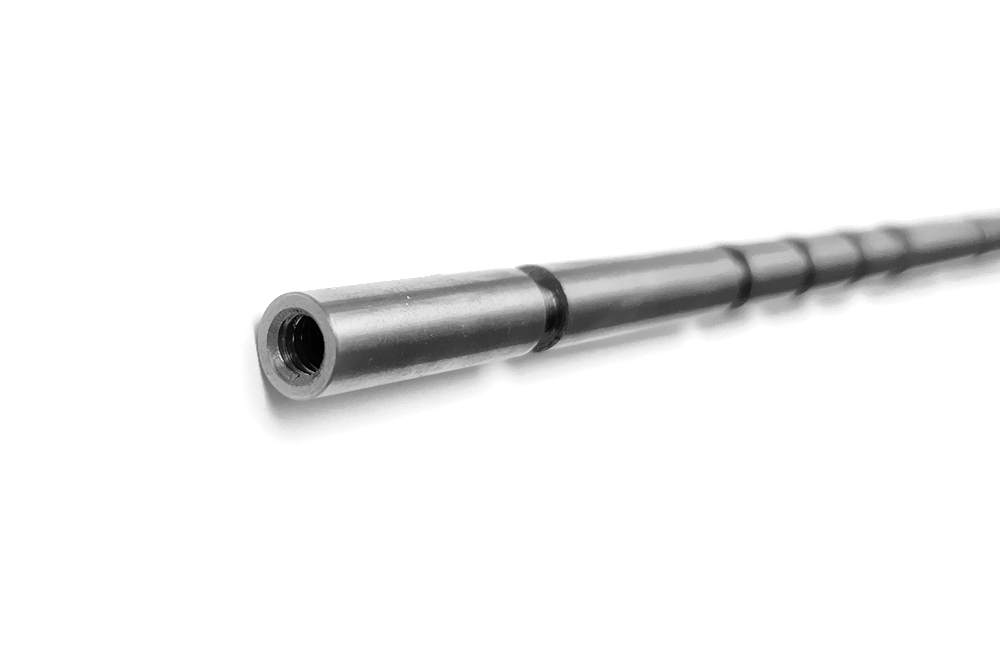
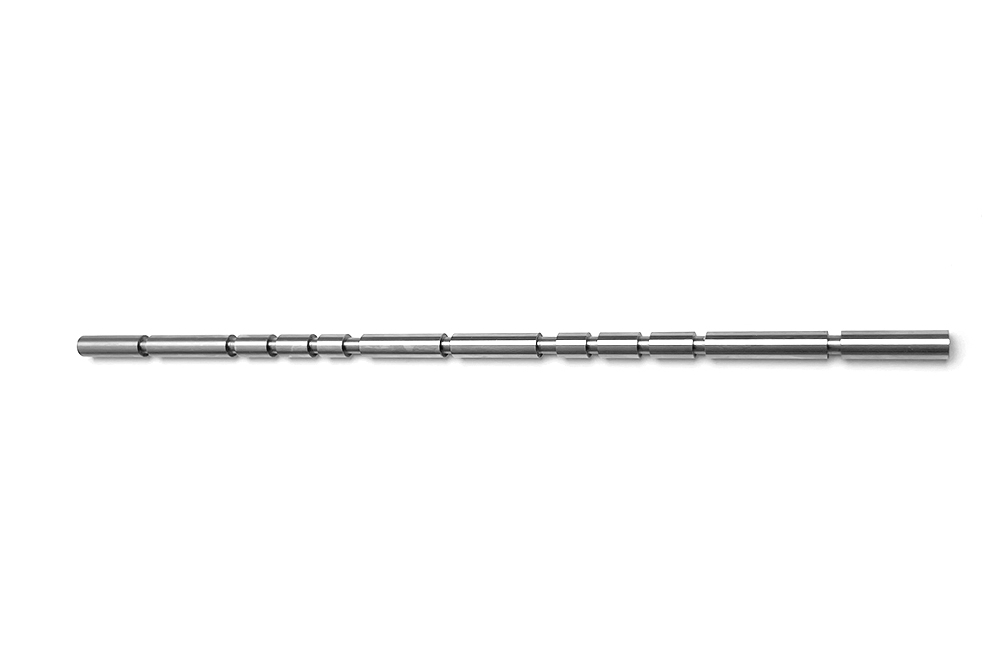
EDM and Wire EDM for Hard Materials, Sharp Internal Features, and Tooling Details
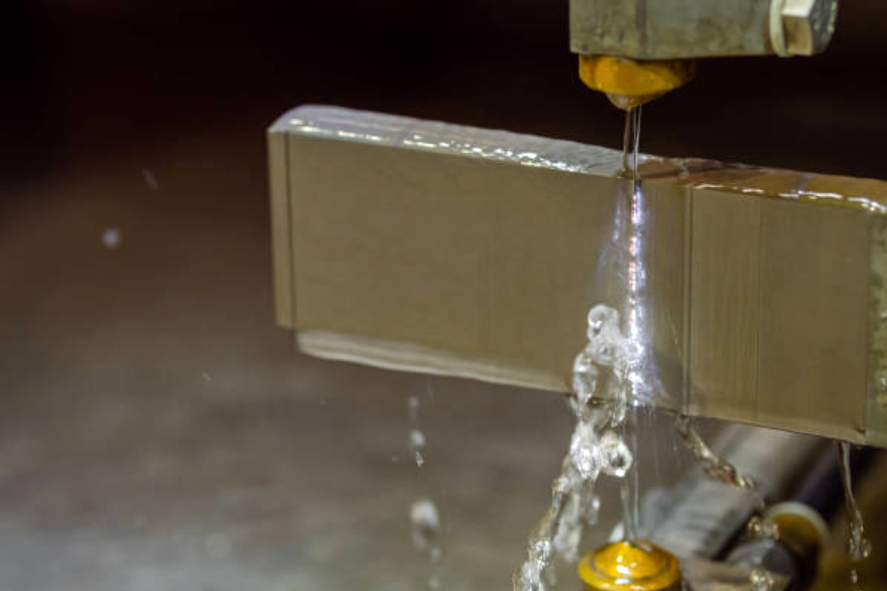
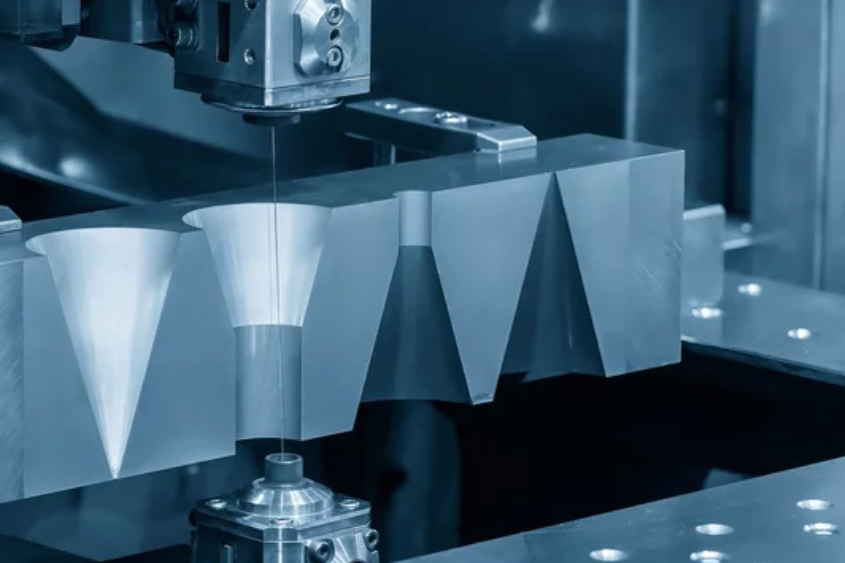
EDM removes material using electrical discharge rather than conventional cutting. EDM may be considered for hard materials, heat-treated tooling details, narrow slots, sharp internal features, ribs, cavities, or shapes that are difficult to reach with rotary cutters. Sinker EDM uses a shaped electrode to create cavities or details. Wire EDM uses a wire electrode to cut profiles through conductive material.
EDM RFQs should define the feature purpose, material condition, surface requirement, corner requirement, depth, and inspection method. EDM can create features that milling cannot easily reach, but surface condition, recast layer, electrode planning, and cut path access must be reviewed against the part function.
CNC Drilling, Grinding, and Finishing as Secondary Operations
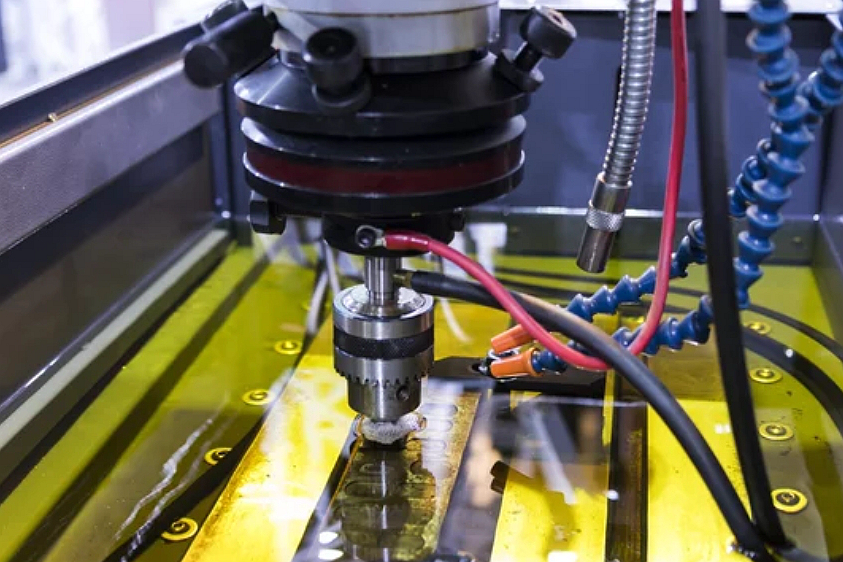
CNC drilling creates holes, counterbores, countersinks, and tapped features. Drilling can be part of milling, turning, or a separate operation depending on part size and access. Buyers should specify thread standards, hole depth, blind-hole requirements, deburring expectations, and whether hole position or perpendicularity is critical.
CNC grinding may be used when surface finish, flatness, roundness, or final sizing requires a finishing process after milling or turning. Grinding is not needed for every machined part, but it may be considered for selected bearing surfaces, hardened parts, or fit-critical features. Surface finishing such as anodizing, plating, passivation, polishing, blasting, or coating should be planned with machining allowance, masking, and inspection in mind.
RFQ Details and Inspection Evidence for CNC Machined Custom Parts
A CNC machining RFQ should include the 2D drawing, 3D model, material grade, stock condition, quantity, prototype or production stage, critical dimensions, datum scheme, thread requirements, surface finish, heat treatment, coating, cosmetic surfaces, packaging, and inspection records. The buyer should identify which features drive function so the supplier can choose milling, turning, EDM, drilling, grinding, or combined operations appropriately.
Inspection evidence may include first article inspection, dimensional reports, CMM reports for selected datums, thread gauges, plug gauges, pin gauges, surface roughness reports, hardness checks, coating thickness reports, material certificates if required by the buyer, and visual standards for burrs or tool marks. The correct evidence depends on the drawing and acceptance criteria.
What Neway Precision Reviews Before CNC Machining Production
For CNC machined custom parts, Neway Precision reviews geometry, material, machining access, setup count, secondary operations, finishing, and inspection scope. If the part is in development, CNC machining can support prototypes before molding, casting, stamping, or production machining decisions are finalized. If the part requires repeat orders, the process review focuses on stable workholding, datum control, toolpath planning, and documented acceptance criteria.
Related FAQs