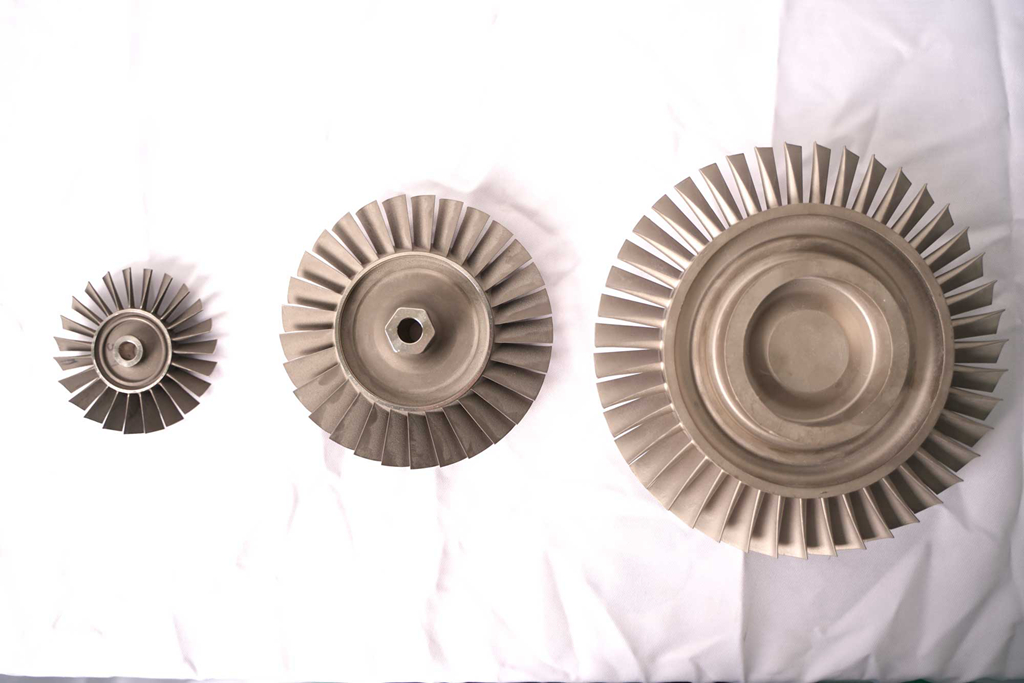
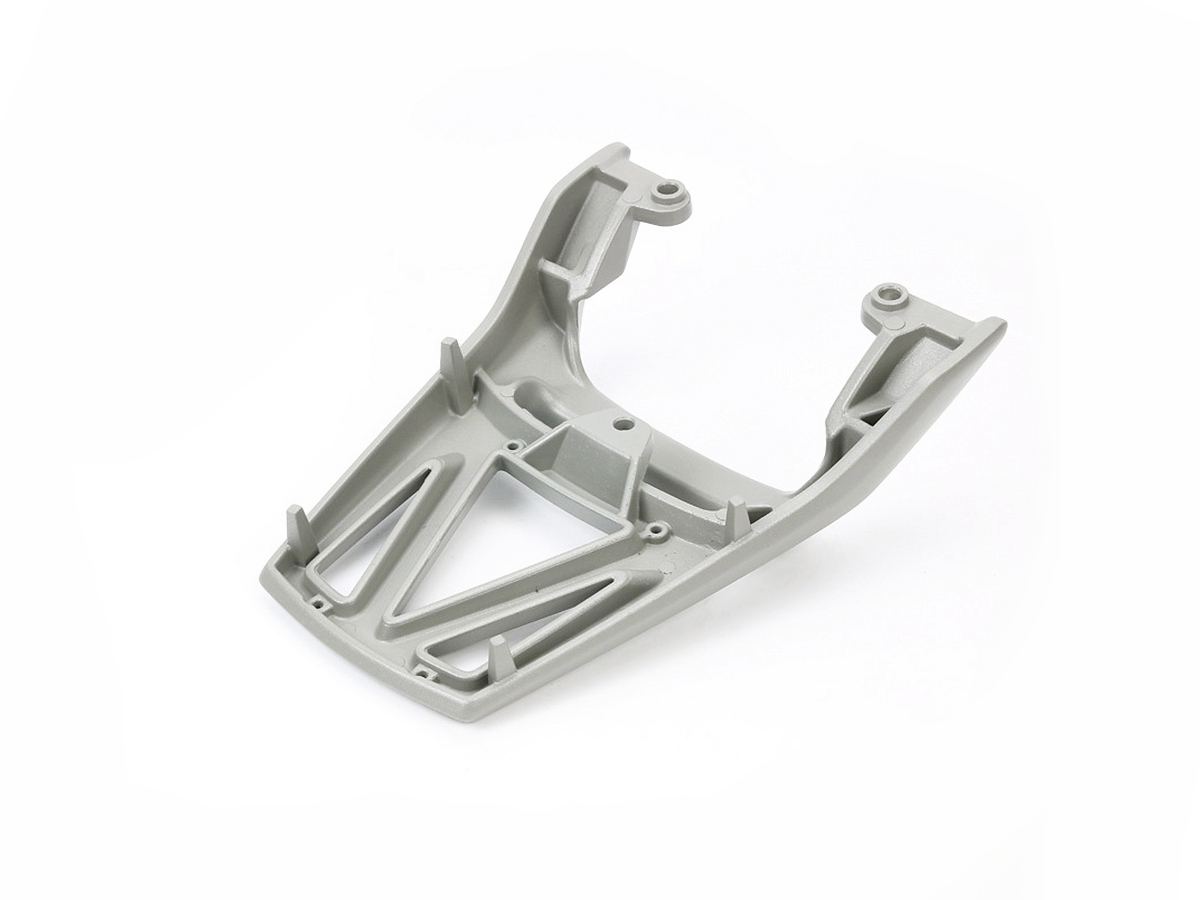
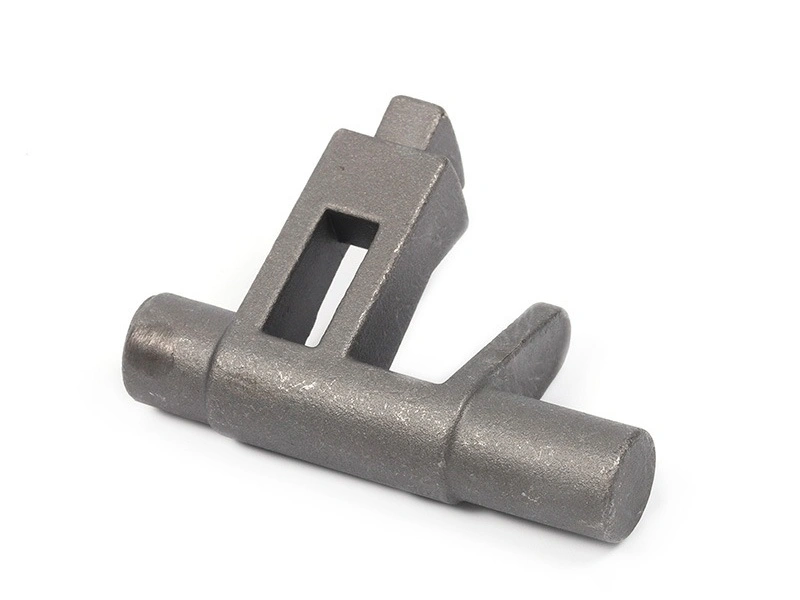
Precision Structural Component Manufacturing for Aerospace
Precision Aerospace Structural Component RFQ Decision: This article explains how buyers can specify precision aerospace structural components made with metal injection molding, powder pressing molding, plastic injection molding, overmolding, insert molding, and related secondary operations. The practical RFQ problem is defining the load path, material grade, insert type, interface surfaces, dimensional control, inspection evidence, and buyer validation requirements before choosing a manufacturing route.
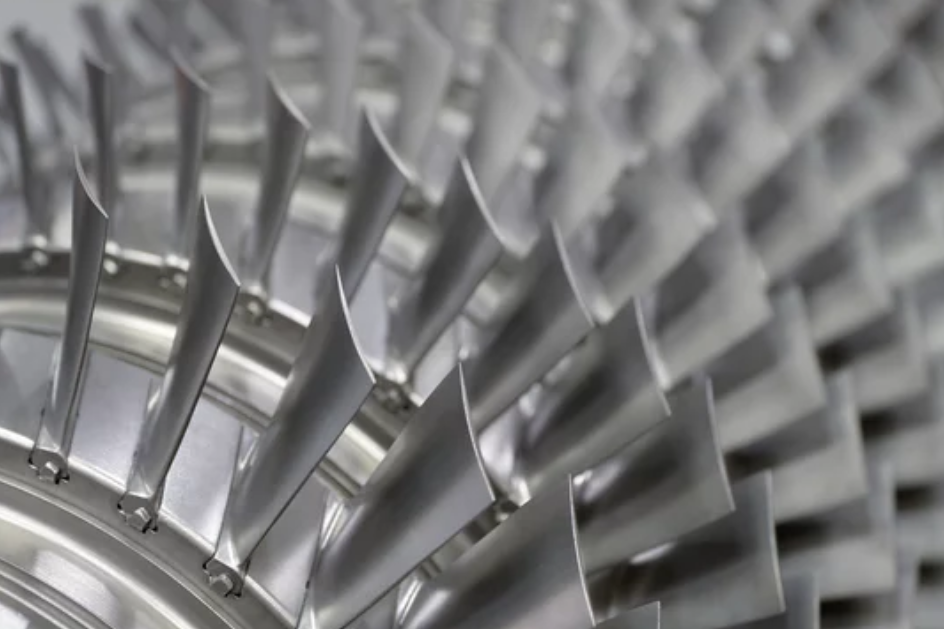
Which Aerospace Structural Components Need Process Review?
Buyers should request process review when a structural component carries load, locates another part, protects an assembly, transfers force, supports sealing, or controls an interface. The part may be a bracket, latch, insert, housing, guide, clip, bushing, gear-related part, sensor support, or small structural element.
The engineering reason is that structural behavior depends on material, geometry, load direction, process route, secondary operations, and inspection evidence. A small MIM component, molded housing, overmolded grip, or insert-molded assembly can fail for different reasons if the RFQ does not define the functional surfaces and load cases.
For quotation, the buyer should provide the drawing, CAD model, material requirement, service load, operating environment, critical dimensions, insert details, mating parts, and validation responsibility. This lets the supplier review manufacturability without taking over final aerospace qualification decisions.
How Should Buyers Define Materials And Inserts?
Material and insert decisions should be defined before selecting the manufacturing route. Aerospace-related structural components may use stainless steel, titanium alloy, low-alloy steel, magnetic alloy, engineering plastic, ceramic-filled plastic, elastomeric overmold material, threaded inserts, bushings, pins, or metal reinforcement.
Structural Material Entity | Common Part Requirement | RFQ Detail Buyers Should Provide |
|---|---|---|
MIM metal alloy | Small complex metal parts, latches, locks, brackets, and precision mechanisms | Alloy grade, heat treatment, critical surfaces, tolerance features, and inspection report. |
Powder pressed metal or ceramic | Bushings, wear parts, magnetic parts, and compact structural elements | Powder material, density target, sintering route, sizing operation, and functional surfaces. |
Engineering plastic | Lightweight housings, covers, guides, clips, and nonmetallic support parts | Resin grade, fiber content, flame rating if required, shrinkage risk, and assembly interface. |
Metal insert or reinforcement | Threaded bosses, bearing seats, load-transfer points, and assembly attachments | Insert material, surface treatment, pull-out requirement, overmold interface, and inspection method. |
The buyer should state whether material is fixed by specification or open to supplier recommendation. If material is open, the supplier can compare process feasibility and validation risk.
Which Manufacturing Routes Fit Precision Structural Components?
The route should be selected from part size, geometry, quantity, material, load path, and validation plan. The same structural function may be addressed by different routes depending on the buyer's program stage.
Manufacturing Route | Best-Fit Structural Requirement | Buyer Decision Point |
|---|---|---|
Metal injection molding | Small complex metal components with fine features and repeatable production needs | Confirm alloy, shrinkage control, secondary machining, heat treatment, and inspection plan. |
Pressed metal or ceramic parts where compaction direction and sintering behavior are feasible | Confirm powder material, pressing direction, density target, sizing, and functional surfaces. | |
Lightweight housings, guides, clips, covers, and support parts | Confirm resin, reinforcement, shrinkage, weld line risk, and assembly interface. | |
Parts requiring bonded materials, soft interfaces, threaded inserts, or reinforced load points | Confirm insert geometry, material compatibility, retention requirement, and inspection method. |
The RFQ should identify whether the route is selected for prototype validation, production release, weight reduction, assembly simplification, or cost comparison.
Which Design Features Affect Structural Risk?
Structural risk often comes from thin walls, sharp corners, small bosses, insert pull-out, weld lines, knit lines, sintering shrinkage, unbalanced ribs, unsupported spans, and tight datum relationships. Buyers should mark critical features on the drawing.
For MIM and powder pressed parts, sintering shrinkage and secondary machining can affect final dimensions. For plastic injection molded parts, fiber orientation, gate location, weld lines, and creep behavior can affect load paths. For insert molded or overmolded parts, interface bonding and insert retention can drive validation testing.
The buyer should define which features are structural and which are cosmetic. This prevents equal inspection effort on features that do not affect function.
What Inspection And Validation Evidence Should Buyers Request?
Inspection and validation should match the part's load case and manufacturing route. A small MIM latch, a plastic support housing, and an insert-molded bracket may need different evidence.
Evidence Entity | Relevant Method | Buyer Decision Supported |
|---|---|---|
Dimensional control | CMM dimensional inspection or fixture checks | Confirm critical datums, interfaces, hole positions, and assembly features. |
Material identity | Direct reading spectrometer analysis or material certificate review | Support metal alloy verification and traceability when required. |
Internal defects | Review hidden voids, cracks, insert position, or internal geometry when risk requires it. | |
Structural behavior | Support validation under buyer-defined loads, fixtures, and acceptance criteria. |
Testing should be defined before quotation because fixtures, sample quantity, and report format can change cost and schedule.
How Should Buyers Define Aerospace Qualification Boundaries?
Buyers should separate manufacturing review from aerospace qualification. The supplier can review MIM, powder pressing, plastic injection molding, overmolding, insert molding, inspection, and test support. The buyer's program should define final use approval, customer qualification, and regulated acceptance if those apply.
A complete RFQ should include drawings, CAD files, material grade, load case, operating environment, process preference, insert details, surface treatment, inspection reports, validation tests, and approval hold points.
This structure helps the supplier support aerospace component manufacturing while keeping design responsibility and final acceptance with the buyer.
Related FAQs