Investment Casting Services for Complex Metal Parts: Materials, Tolerances, and Applications
Investment Casting Services RFQ Decision: This article explains how buyers can evaluate investment casting services for complex metal parts made through wax pattern production, ceramic shell building, burnout, metal pouring, shell removal, heat treatment review, secondary machining, surface finishing, and inspection. The part types include cast stainless steel brackets, carbon steel levers, nickel-based alloy components, titanium alloy parts, copper alloy hardware, impellers, pump parts, valve bodies, and near-net-shape metal components. The practical RFQ problem is deciding whether investment casting fits the geometry, alloy, tolerance map, surface finish, machining allowance, and buyer validation requirements before tooling or pattern approval.
Investment casting is most useful when a complex metal part needs fine geometry, curved surfaces, thinner sections, or near-net-shape casting that reduces unnecessary machining. Buyers should still define critical dimensions, machined features, material grade, surface finish, and inspection evidence because investment casting does not remove the need for engineering review or buyer qualification.
Why Do Buyers Choose Investment Casting Services?
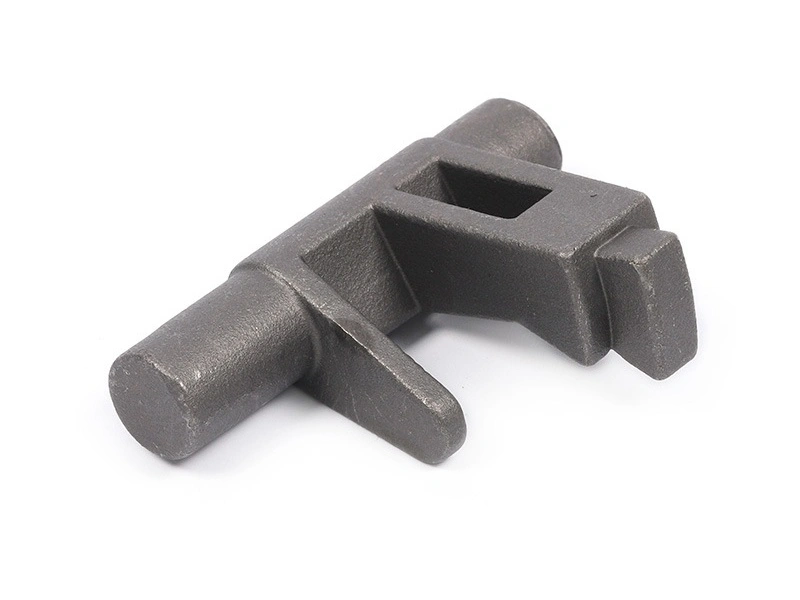
Buyers choose investment casting services when the part has complex geometry that is difficult to machine efficiently or unsuitable for sand casting detail. Investment casting can be relevant for thin walls, internal forms, undercuts, curved surfaces, small bosses, integrated brackets, and parts that need a better as-cast surface than rougher casting routes.
The engineering reason is that investment casting uses a wax pattern and ceramic shell to reproduce detailed shapes before molten metal is poured. This route can create near-net-shape metal parts, but the final outcome still depends on alloy behavior, shell process control, shrinkage, gating, heat treatment review, and post-casting finishing.
The RFQ implication is direct: buyers should state which geometry is valuable to cast and which features must be machined after casting. If every feature needs machined precision, CNC machining may deserve comparison. If complex shape is the main value, investment casting may reduce repeated machining burden.
Which Materials Are Common In Investment Casting?
Investment casting materials should be selected by function. Cast stainless steel may be reviewed for corrosion resistance and strength. Carbon steel casting may be reviewed for structural or mechanical components. Nickel-based alloy casting may be reviewed for heat or corrosion exposure. Titanium investment casting may be reviewed when titanium alloy behavior is required. Copper alloy casting may be reviewed for conductivity, wear, or corrosion-related needs.
The buyer should define alloy grade, operating environment, heat exposure, corrosion exposure, load condition, wear condition, surface finish, and buyer-owned validation method. If the part is used in aerospace, medical, energy, or other regulated products, the buyer should define qualification and documentation requirements before the casting route is approved.
Investment Casting Material | Common Part Type | Buyer Requirement To Define | Manufacturing Review Point |
|---|---|---|---|
Cast stainless steel | Bracket, valve body, pump part, corrosion-exposed hardware | Corrosion environment, strength requirement, finish, and passivation need | Shrinkage, heat treatment review, machining allowance, and inspection |
Carbon steel casting | Lever, support part, mechanical link, structural component | Load condition, weld or assembly need, heat treatment expectation | Surface condition, dimensional allowance, and machined feature plan |
Nickel-based alloy casting | Heat-exposed component, corrosion-resistant part, turbine-related hardware | Temperature exposure, corrosion environment, and validation method | Alloy control, shell process, heat treatment review, and inspection scope |
Titanium alloy casting | Lightweight structural part or corrosion-exposed metal component | Alloy grade, weight requirement, corrosion exposure, and approval criteria | Material handling, casting route feasibility, machining, and documentation |
How Should Buyers Define Tolerances And Surface Finish?
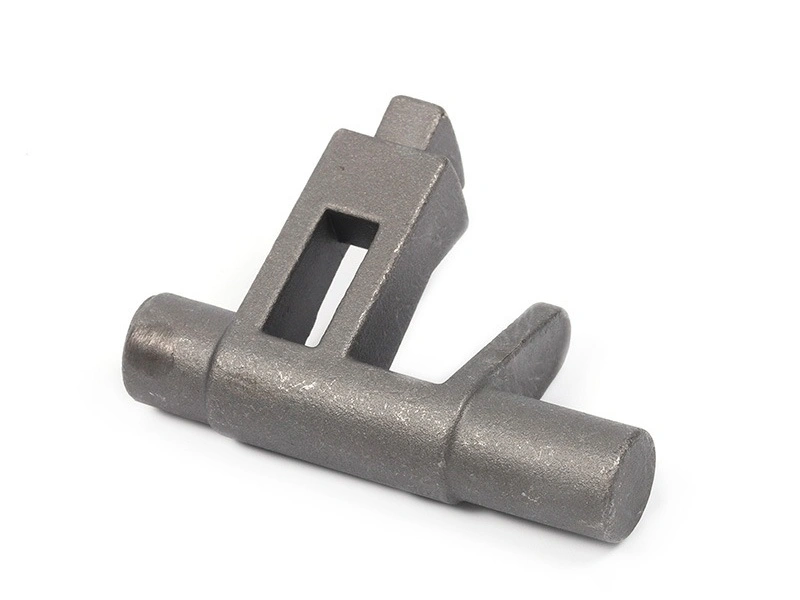
Investment casting tolerances should be assigned by feature importance. General cast profiles, curved surfaces, and non-critical areas may be handled by casting controls. Critical bores, datum faces, sealing areas, bearing seats, threaded holes, and assembly interfaces may need CNC machining, gauge inspection, or CMM inspection after casting.
Surface finish should also be defined by function. Some surfaces may remain as-cast after cleaning and blasting. Other surfaces may need grinding, polishing, machining, coating, passivation, or roughness checks. Buyers should identify visible surfaces, sealing surfaces, wear surfaces, and flow surfaces before the supplier quotes finishing operations.
Which Applications Fit Investment Casting?
Investment casting can be reviewed for industrial equipment parts, pump and valve components, impellers, brackets, levers, aerospace-related hardware, medical device hardware, energy components, sensor housings, and compact metal structures. The application label should not replace the engineering requirement.
For each application, the buyer should define the functional risk. A pump part may need flow surfaces and corrosion resistance. A bracket may need load-bearing datums. An impeller may need balance-related review. A regulated product component may need buyer-controlled qualification and traceability requirements. The supplier can support manufacturing evidence, but the buyer remains responsible for final product approval.
When Is Investment Casting Preferred Over Sand Casting Or CNC Machining?
Investment casting is preferred over sand casting when the buyer needs finer geometry, better as-cast detail, thinner sections, or surface quality that would be difficult to obtain with a sand mold. Sand casting may still be better for larger parts, simpler shapes, lower tooling expectations, or cast iron housings.
Investment casting is preferred over CNC machining when the shape is complex enough that machining from billet would remove too much material or require too many setups. CNC machining may still be better for prototypes, low quantities, or parts dominated by tight machined features. The RFQ should compare complete routes, including casting, machining, finishing, inspection, and approval risk.
Buyer Decision | Investment Casting Consideration | Alternative Route To Compare | RFQ Evidence To Request |
|---|---|---|---|
Complex geometry | Wax pattern and ceramic shell can reproduce detailed metal shapes | CNC machining, sand casting, additive prototype | Castability review, sample inspection, and machined feature plan |
Critical tolerance | Use casting for near-net shape and machining for selected features | CNC machining or die casting depending on material and volume | CMM report, gauge inspection, and datum plan |
Surface finish | As-cast surface may be cleaner than rougher casting routes | Sand casting with machining or finishing | Visual standard, roughness check, and finish sample approval |
Material performance | Alloy choice must fit casting behavior and end-use validation | Forging, machining, die casting, or fabrication | Material documentation and buyer-defined validation records |
What Should Buyers Include In An Investment Casting RFQ?
A complete investment casting RFQ should include CAD files, 2D drawings, alloy grade, annual demand or project stage, part function, critical dimensions, machining allowance, surface finish, heat treatment expectation, inspection requirements, mating parts, and buyer validation tests.
Important decisions should be stated directly. If a feature must be cast near-net, mark that feature. If a bore, thread, sealing face, or datum must be machined, mark the machined feature. If stainless steel, carbon steel, nickel-based alloy, titanium, or copper alloy is required, name the grade and the operating environment. If the buyer wants to compare investment casting with sand casting or CNC machining, provide the same tolerance and finish requirements for each route.
Related FAQs
What makes investment casting ideal for creating complex geometries?
What are the main challenges in achieving tight tolerances with investment casting?
What types of surface finishes can be achieved with investment casting?
Are there specific limitations or challenges associated with investment casting?