What makes investment casting ideal for creating complex geometries?
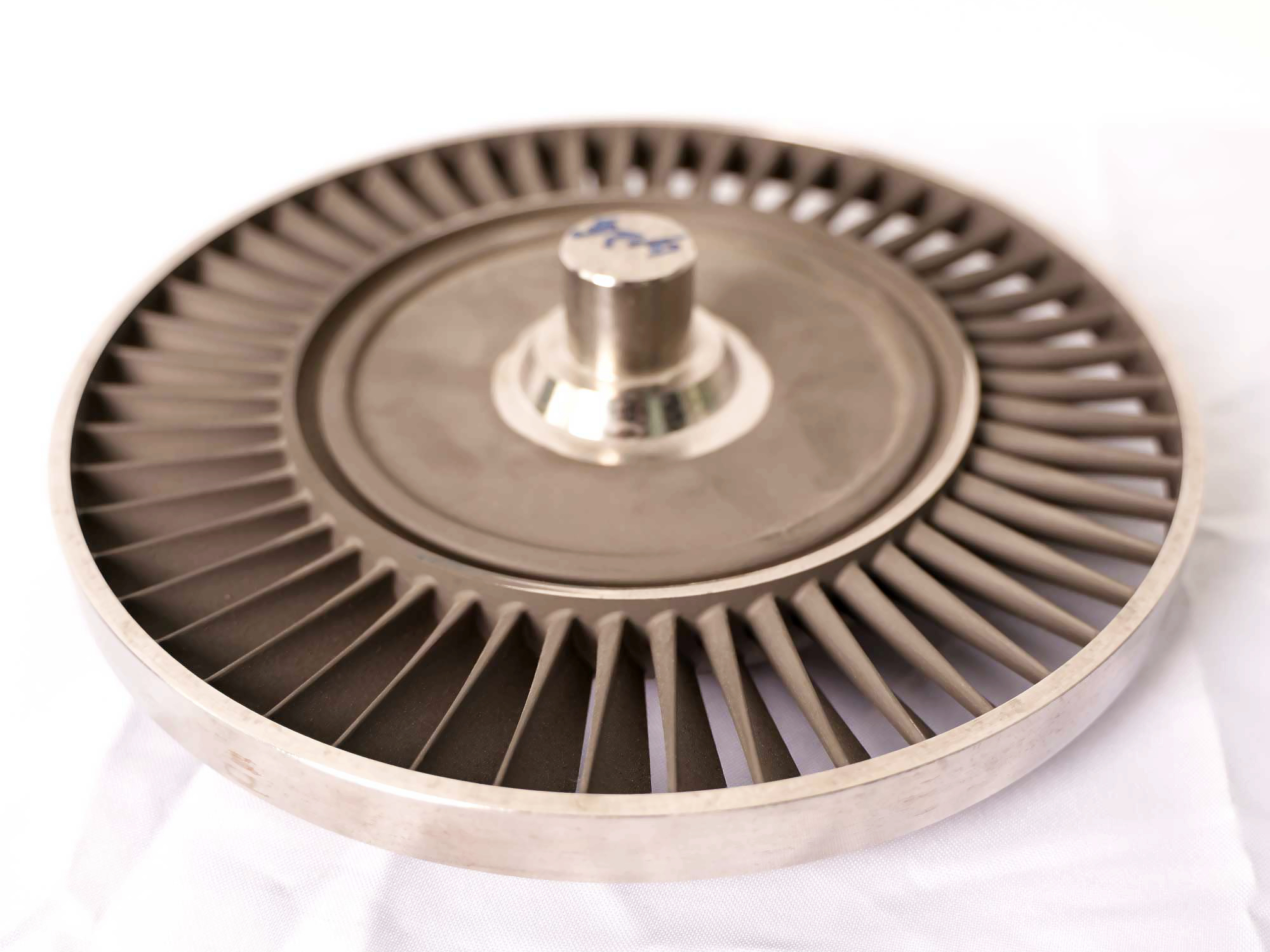
Investment casting is ideal for creating complex geometries because the wax pattern and ceramic shell process can reproduce fine details, curved surfaces, internal passages, thin sections, bosses, brackets, and integrated features that may be difficult or costly to machine from solid metal. For turbine parts, medical-device components, pump bodies, brackets, connectors, valve parts, and small complex metal components, the practical RFQ problem is deciding whether investment casting can reduce machining and assembly while still meeting material, tolerance, surface finish, and inspection requirements.
What makes investment casting ideal for creating complex geometries?
Investment casting uses a wax or pattern system to create a ceramic shell mold. After the pattern is removed, molten metal fills the shell cavity and forms a near-net-shape casting. Because the pattern can include detailed geometry, the final casting can include shapes that are expensive to machine or fabricate.
The process is valuable when the part needs curved surfaces, integrated bosses, mounting arms, complex ribs, internal channels, or difficult external contours. Investment casting is not automatically the best route for every complex part, but it is often strong when geometry complexity and alloy performance matter together.
Geometry requirement | Why investment casting helps | RFQ detail needed |
|---|---|---|
Complex external shape | Wax patterns can reproduce contoured and detailed surfaces | 3D CAD, parting considerations, and cosmetic surfaces |
Internal passage or cavity | Cores and shell design may support hollow or channel features | Channel geometry, cleaning access, and inspection method |
Integrated brackets or bosses | Features can be cast as one component instead of assembled | Load direction, datum surfaces, and machining allowance |
Fine surface detail | Ceramic shell can support smoother as-cast surfaces than rougher casting routes | Surface finish target and visible areas |
Difficult-to-machine alloy | Near-net-shape casting can reduce stock removal | Material grade, heat treatment, and final machining plan |
How does investment casting reduce machining for complex parts?
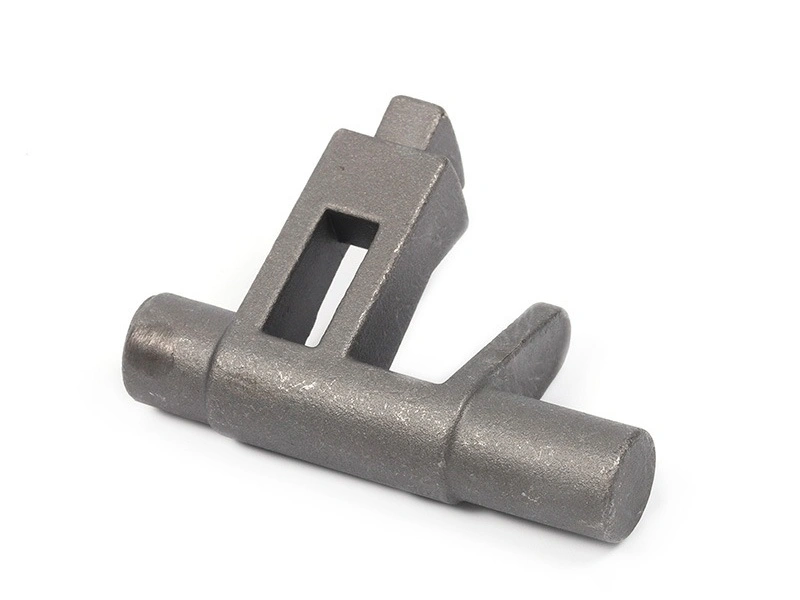
Investment casting reduces machining by creating a near-net-shape metal part before CNC finishing. Instead of removing large amounts of material from a billet, the casting can already include curves, pockets, bosses, and mounting features.
Machining is still important. Datums, sealing faces, bearing seats, threads, precision bores, and mating surfaces may need CNC finishing after casting. The cost advantage appears when only selected surfaces require machining while the rest of the complex shape is cast.
The RFQ should mark which surfaces are cast-as-formed and which surfaces must be machined. This helps the supplier plan wax pattern shrinkage, machining stock, fixtures, and inspection.
Which materials and industries use investment casting for complex geometry?
Investment casting is used with stainless steel, carbon steel, cast aluminum, copper alloys, titanium, and nickel-based alloys. Material selection depends on strength, corrosion resistance, heat resistance, wear, weight, and the buyer's inspection requirements.
Cast stainless steel may be selected for corrosion resistance and strength. Cast titanium may be reviewed when weight and corrosion resistance are important. Nickel-based alloy investment casting may be relevant for high-temperature parts.
Common industries include aerospace, energy, automotive, and selected medical-device equipment applications. For regulated uses, the buyer remains responsible for final material approval and end-use validation.
What geometry limits should buyers review before investment casting?
Buyers should review wall thickness transitions, enclosed cavities, sharp internal corners, long thin sections, undercuts, inaccessible channels, and features that cannot be cleaned or inspected after casting. Investment casting offers design freedom, but the ceramic shell, cores, metal flow, solidification, and finishing operations still create manufacturing limits.
Internal channels may need special core design and inspection planning. Sharp corners may need radii to reduce stress and improve mold filling. Thin sections and heavy sections should be balanced to reduce shrinkage and distortion. Complex parts should include datum surfaces for measurement and machining.
The RFQ should identify any non-negotiable internal geometry, pressure boundary, cleaning requirement, or inspection standard. If a feature cannot be inspected or cleaned, the design may need revision before tooling.
What RFQ information supports complex investment cast parts?
A complex investment casting RFQ should include 3D CAD, 2D drawings, material grade, heat treatment requirement, critical dimensions, internal passages, surface finish, machining datums, pressure-tight requirement, inspection method, production quantity, and application environment.
RFQ item | Why it matters for complex geometry | Manufacturing decision supported |
|---|---|---|
3D CAD and 2D drawing | Defines wax pattern geometry, datums, and critical features | Pattern, shell, machining, and inspection planning |
Material grade | Controls melting, shrinkage, heat treatment, and service behavior | Alloy route and casting process review |
Internal channels or cavities | Shows core, cleaning, and inspection risk | Core design and validation method |
Machining datums | Shows which surfaces need CNC finishing | Machining stock and fixture plan |
Inspection requirement | Defines acceptance for internal and external features | CMM, visual, X-ray, pressure, or functional testing |
Related FAQs