What types of surface finishes can be achieved with investment casting?
Investment casting can support as-cast surfaces, machined surfaces, blasting, tumbling, polishing, electropolishing, passivation, electroplating, chrome plating, PVD coating, powder coating, and selected anodizing routes when the alloy and part design allow the finish. For precision cast metal components, the practical RFQ problem is choosing a surface finish that matches the material grade, functional surfaces, corrosion environment, appearance requirement, masking areas, and inspection criteria without over-finishing non-critical cast contours.
What Surface Finish Options Are Common After Investment Casting?
The common surface finish options after investment casting include as-cast finishing, gate removal, grinding, sanding, blasting, tumbling, polishing, electropolishing, passivation, plating, PVD coating, powder coating, and machining-related finishes. The right option depends on the casting material, part geometry, functional requirement, and buyer acceptance standard.
Surface finishing should be selected after the casting route is understood. Wax pattern quality, ceramic shell condition, alloy shrinkage, cut-off marks, heat treatment, and CNC machining can all affect the final surface. A finish that works on a simple stainless steel bracket may not be suitable for a thin-wall nickel alloy component, a pressure valve body, or an aluminum casting with porosity-sensitive surfaces.
Surface finish type | Typical investment-cast materials | Main purpose | RFQ control point |
|---|---|---|---|
As-cast plus gate removal | Stainless steel, carbon steel, nickel alloy, aluminum, copper alloy | Basic cast surface where appearance and roughness are not critical | Mark allowable gate vestige, blend areas, and visual acceptance level |
Blasting and tumbling | Most cast metals when geometry allows media access | Clean scale, smooth minor edges, and prepare for coating | Define protected surfaces, edge requirements, and media-sensitive features |
Mechanical polishing | Stainless steel, aluminum, copper alloy, selected nickel alloy parts | Improve appearance, smooth local surfaces, or prepare visible areas | Specify polished zones, grain direction, and dimensions that must not change |
Electropolishing and passivation | Stainless steel and selected corrosion-resistant alloys | Improve surface cleanliness and corrosion behavior on suitable alloys | State alloy grade, cleanliness requirement, and post-finish inspection |
Electroplating, chrome plating, or PVD coating | Steel, stainless steel, copper alloy, selected nickel alloy parts | Add wear, appearance, corrosion, or friction-related surface properties | Define coating area, masking, thickness target, and adhesion expectation |
Powder coating or paint | Aluminum, steel, stainless steel, and selected industrial castings | Provide color, coverage, and environmental protection for non-mating surfaces | Mark threads, sealing faces, and grounding or contact surfaces to mask |
When Are As-Cast and Machined Surfaces Enough?
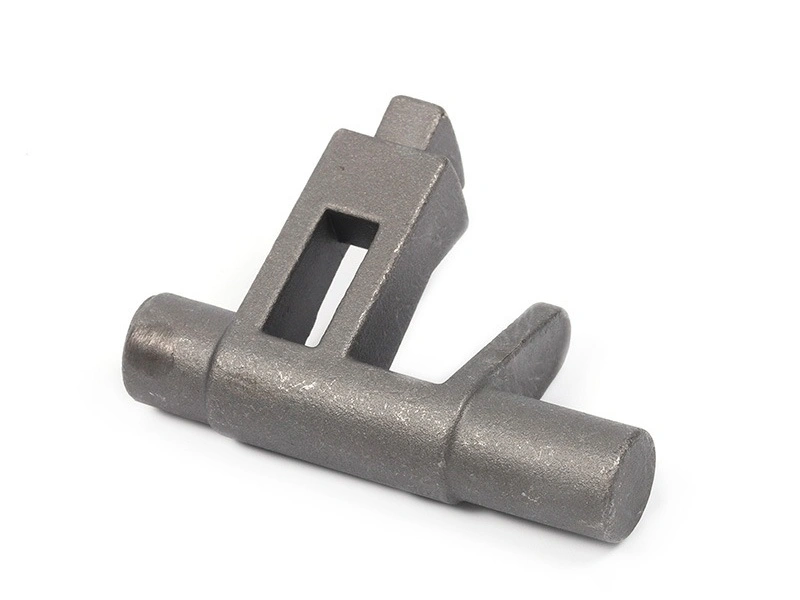
As-cast and machined surfaces are enough when the investment-cast component needs functional geometry more than a decorative finish. The as-cast surface can be suitable for non-mating contours, internal structure, brackets, housings, and many industrial components if the drawing allows casting texture, gate blending, and normal visual variation.
Machined surfaces are used where the part must fit, seal, rotate, locate, or assemble. Datum faces, threaded holes, bearing seats, sealing lands, slots, precision bores, and flat mounting pads are often finished by CNC machining after investment casting. In those areas, the machining process controls final dimensions and surface texture more directly than the cast surface.
For investment casting surface finish RFQs, buyers should define material grade, functional surfaces, cosmetic surfaces, corrosion exposure, masking areas, and inspection criteria before quotation. This helps the supplier decide which areas need only casting and gate removal, which areas need machining, and which areas need a separate finishing operation.
How Do Blasting, Tumbling, and Deburring Affect Investment-Cast Parts?
Sandblasting, shot blasting, tumbling, and deburring are often used to clean cast surfaces, remove scale, blend gate areas, reduce sharp edges, or prepare a part for coating. These processes can improve surface consistency, but they also interact with small features, thin edges, thread starts, sealing surfaces, and dimensional corners.
Tumbling and deburring should be specified carefully for precision cast components with small holes, delicate ribs, or thin walls. Media access and part-on-part contact can affect edges or leave areas uneven if the geometry is complex. Buyers should mark no-blast areas, no-tumble areas, threads, sealing lands, and surfaces that must keep a defined texture.
The RFQ implication is simple: a cleaning finish is still a manufacturing process. The supplier needs to know whether blasting is only for scale removal, whether tumbling is for edge break, whether a surface is being prepared for coating, and whether any dimensions must be measured after the finish.
When Should Buyers Specify Polishing or Electropolishing?
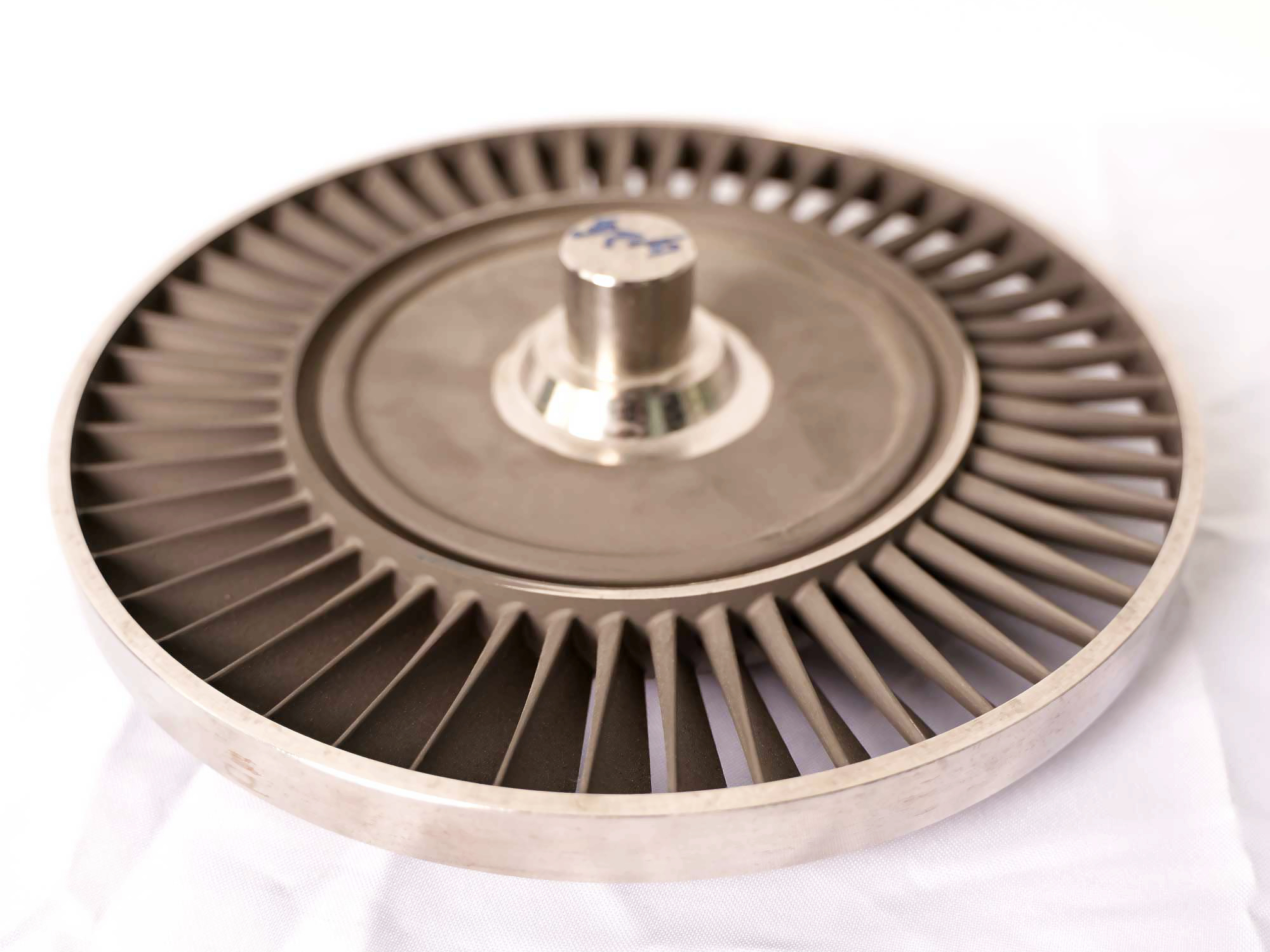
Mechanical polishing is useful when a visible surface, ergonomic surface, or low-friction contact area needs a smoother appearance or feel. Polishing can be applied to selected areas rather than the entire investment casting, which helps protect functional dimensions and control cost.
Electropolishing is more material-specific. It is commonly associated with stainless steel and selected corrosion-resistant alloys where surface cleanliness and smoothness are important. The buyer should confirm alloy compatibility, desired surface condition, masking needs, and inspection expectations before assuming electropolishing is suitable.
Polishing can remove material and change edges, so buyers should mark polished zones and non-polished zones on the drawing. If the casting has critical sealing faces, sharp edges, engraved marks, threads, or small features, the RFQ should clarify which details must be protected during polishing.
How Do Plating, PVD, and Powder Coating Apply to Investment Castings?
Electroplating, chrome plating, PVD coating, and powder coating can add appearance, wear resistance, corrosion resistance, or surface protection when the base casting and preparation route are suitable. The coating result depends on base material, surface cleanliness, coating thickness, masking, edge geometry, and the required service environment.
Powder coating may suit cast housings, brackets, covers, and industrial parts where color and environmental protection are required. PVD or plating may suit smaller functional or decorative surfaces when coating thickness, adhesion, and substrate compatibility are controlled. Buyers should not apply a coating name without explaining the application requirement.
The RFQ should show coating areas, masked surfaces, contact surfaces, threaded features, grounding areas, sealing lands, thickness targets, color or appearance requirement, and test method. If the coating affects fit, the drawing should state whether dimensions apply before or after coating.
How Does Material Choice Affect Investment Casting Surface Finish?
Material choice strongly affects surface finish selection. Cast stainless steel often supports polishing, passivation, electropolishing, and selected coating routes. Nickel-based alloy investment casting may focus on heat resistance, corrosion exposure, and controlled finishing for high-temperature components. Copper alloy investment casting may require finish decisions tied to conductivity, wear, or appearance.
Cast aluminum investment casting can support machining, blasting, coating, and selected anodizing-related routes, but the buyer should confirm alloy, porosity risk, surface requirement, and the expected appearance before specifying anodizing. A finish that is common for wrought aluminum may not behave the same way on a cast surface.
For carbon steel investment casting, buyers often focus on corrosion protection, plating, coating, black oxide, paint, or oiling depending on the environment. The material grade and service condition should drive the finish, not the finish list alone.
What Should Buyers Include in a Surface Finish RFQ?
Buyers should include the material grade, part application, operating environment, functional surfaces, cosmetic surfaces, finish name, target surface condition, masking areas, critical dimensions, inspection method, and packaging needs in a surface finish RFQ. The supplier can then evaluate casting, machining, finishing, and inspection as one process route.
The buyer should also state whether the finish is for corrosion resistance, wear behavior, appearance, coating adhesion, cleanliness, electrical contact, thermal exposure, or handling comfort. These reasons lead to different finishing choices. For example, a polished visible surface, a passivated stainless steel instrument part, and a powder-coated industrial bracket may all start as investment castings, but the manufacturing controls are different.
For regulated, pressure-containing, or safety-related applications, final validation belongs to the buyer's product approval process. The finish RFQ should include the required standard, acceptance criteria, certificate needs, and any sample approval steps before production.
Related FAQs
How does investment casting compare with other manufacturing processes regarding aesthetics?
What industries benefit most from high-quality investment casting finishes?
Are there limitations to the surface finishes that can be achieved with investment casting?
What new technologies are improving investment casting surface finish capabilities?
What are the main challenges in achieving tight tolerances with investment casting?