Which industries benefit most from investment casting?
Industries that benefit most from investment casting are industries that need complex metal geometry, alloy flexibility, smoother as-cast surfaces, and reduced machining for difficult shapes. Aerospace, energy, automotive, medical-device equipment, industrial machinery, pumps, valves, and precision hardware buyers use investment casting when a wax pattern and ceramic shell process can produce features that are difficult to machine, forge, or fabricate. The practical RFQ problem is matching the casting process to the industry's material, inspection, geometry, and validation requirements.
Which industries benefit most from investment casting?
Investment casting benefits industries where the part has complex geometry and the material requirement is important. The process can support stainless steel, carbon steel, aluminum alloys, copper alloys, titanium, and nickel-based alloys while reducing the need to machine every feature from solid stock.
The best industries for investment casting are not defined only by production volume. They are defined by the combination of geometry, alloy, surface finish, inspection, and performance requirement.
Industry | Common investment cast parts | Buyer requirement supported |
|---|---|---|
Aerospace | Brackets, housings, turbine-related parts, interior hardware | Complex geometry, weight control, alloy performance, and inspection documentation |
Energy | Valve parts, pump parts, turbine-related components, corrosion-resistant hardware | Heat, corrosion, pressure, and service-environment resistance |
Automotive | Brackets, manifolds, drivetrain parts, turbocharger-related components | Near-net-shape metal geometry and machining reduction |
Medical-device equipment | Instrument parts, surgical tool components, equipment housings | Stainless steel or titanium options, cleanable surfaces, and precise features |
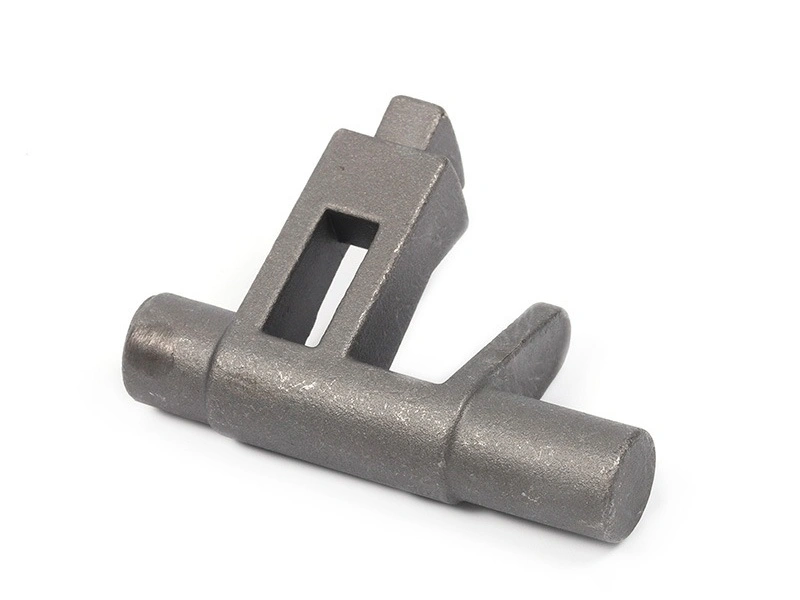
Industrial machinery | Pump bodies, valve bodies, impellers, levers, linkage parts | Wear, corrosion, flow passages, and durable metal construction |
Why do aerospace and energy buyers use investment casting?
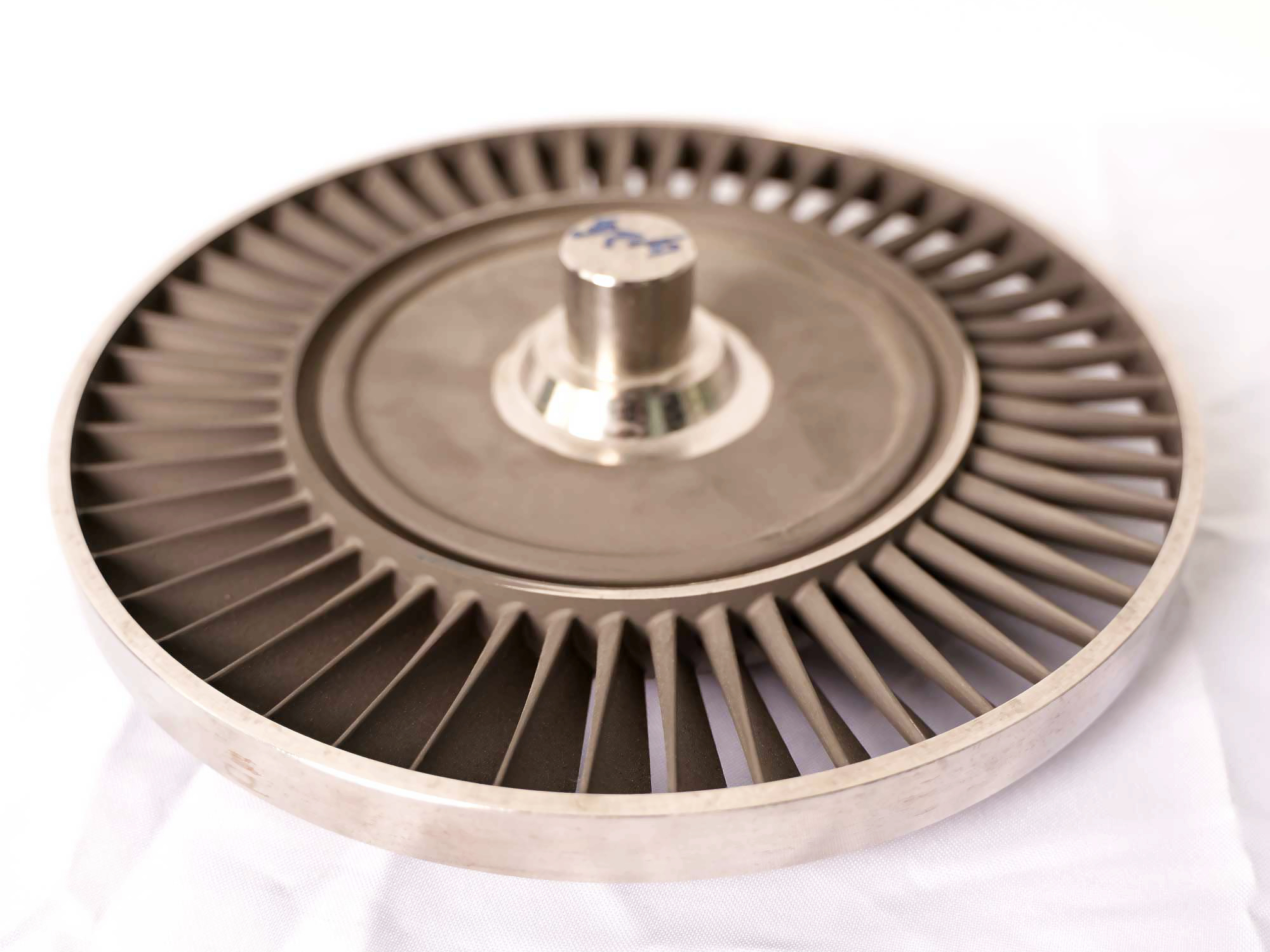
Aerospace buyers use investment casting when a part needs complex metal geometry, controlled weight, and alloy performance. The process can support shapes such as curved brackets, housings, and turbine-related geometries that are difficult to machine economically.
Energy buyers use investment casting for pump, valve, turbine-related, and corrosion-resistant components. These parts may need stainless steel, nickel-based alloy, or other materials selected for heat, corrosion, and pressure exposure.
For these industries, the RFQ should state material grade, heat treatment, inspection method, non-destructive testing if required, pressure boundary, and end-use environment. The buyer should also identify any customer or regulatory approval requirements.
How do automotive and industrial buyers use investment casting?
Automotive buyers use investment casting when metal parts need complex shapes, integrated features, and reduced machining. Examples can include brackets, housings, drivetrain-related parts, and turbocharger-related components where alloy and geometry both matter.
Industrial machinery buyers use investment casting for valve bodies, pump components, impellers, levers, linkages, and wear-related hardware. These parts often combine complex shapes with machined sealing faces, bearing seats, or threaded features.
The RFQ should define load, fluid exposure, wear condition, machining datums, surface finish, and inspection method. This helps determine whether investment casting is better than machining, forging, sand casting, or die casting.
Why do medical-device equipment buyers use investment casting?
Medical-device equipment buyers may use investment casting for stainless steel or titanium components that need complex geometry, cleanable surfaces, and controlled machining. Examples include instrument components, equipment structures, handles, and selected device hardware.
Medical-device applications require careful material and validation review. The buyer should define material standard, surface finish, cleaning exposure, sterilization exposure if applicable, traceability, and end-use validation responsibilities.
The casting supplier can support manufacturability and inspection planning, but product-level compliance and final validation remain the buyer's responsibility.
What RFQ information helps industry-specific investment casting?
An industry-specific investment casting RFQ should include 3D CAD, 2D drawing, material grade, heat treatment, target industry, production quantity, critical dimensions, internal features, surface finish, machining datums, inspection method, and application environment.
RFQ item | Why it matters by industry | Manufacturing decision supported |
|---|---|---|
Target industry and application | Defines material, documentation, and validation expectations | Process route and quality plan |
Material grade and heat treatment | Controls corrosion, heat, strength, and wear behavior | Alloy selection and casting process review |
Complex geometry and internal features | Shows pattern, shell, core, and cleaning risk | Tooling and inspection planning |
Machined surfaces | Identifies features that cannot remain as-cast | CNC allowance and fixture design |
Inspection method | Defines acceptance for critical dimensions and internal quality | CMM, visual, X-ray, pressure, or functional testing |
Related FAQs