What types of inserts can be used in Insert Molding?
Insert molding can use metal inserts, electronic inserts, ceramic inserts, polymer inserts, cast inserts, machined inserts, and metal injection molded inserts when the insert geometry, material, surface condition, and placement method can survive the molding process. This FAQ helps buyers choose insert types for threaded bosses, terminals, bushings, shafts, pins, connector contacts, wear sleeves, sealing features, and reinforced plastic components. The practical RFQ problem is confirming which insert type can be accurately located, bonded or mechanically locked, insulated or grounded when needed, and inspected after insert molding.
What types of inserts can be used in Insert Molding?
The most common insert types are metal fastener inserts, electrical terminals, precision pins, bushings, shafts, metal reinforcement plates, ceramic insulators, molded polymer inserts, and specialized parts made by metal injection molding, precision machining, or precision casting. The insert type should be selected according to function, load, temperature, conductivity, corrosion exposure, and assembly requirements.
Buyers should avoid selecting an insert only by material name. A brass threaded insert, stainless steel shaft, copper terminal, alumina ceramic sleeve, and nylon plastic insert create different molding risks. The RFQ should define how the insert is loaded into the mold, how the plastic flows around it, and how the final part will be checked.
Which metal inserts are common in insert molding?
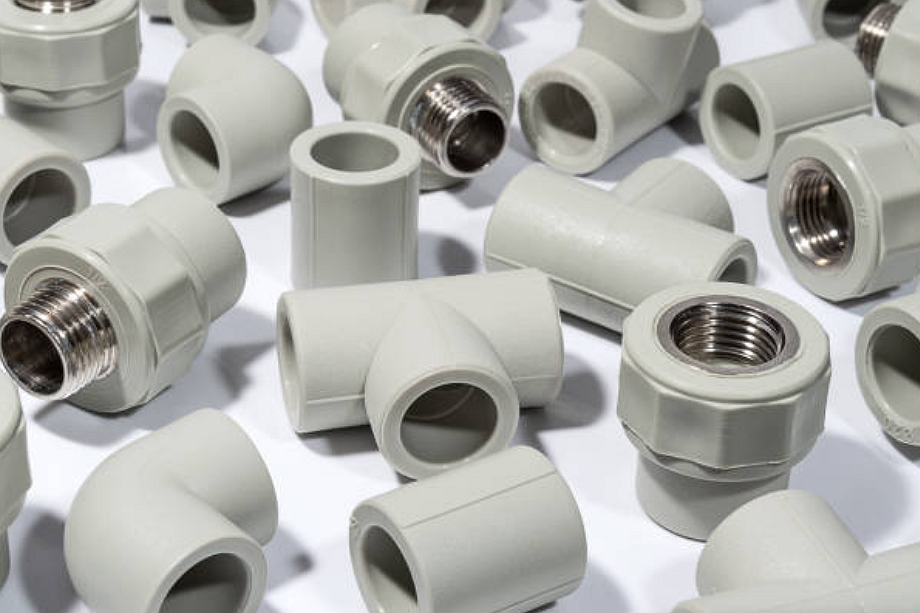
Metal inserts are used when the molded component needs threads, torque resistance, wear resistance, structural reinforcement, electrical conductivity, or repeatable assembly strength. Common metal insert types include brass threaded inserts, stainless steel threaded inserts, aluminum inserts, copper terminals, steel pins, shafts, bushings, and stamped contacts.
Metal insert RFQs should specify alloy, surface finish, plating or passivation needs, thread form, knurling, undercut geometry, corrosion exposure, and pull-out or torque expectations. If the metal insert is made by MIM, casting, stamping, or machining, the buyer should also provide insert dimensional tolerances and identify datum surfaces used for mold loading.
Can electrical and electronic inserts be used in insert molding?
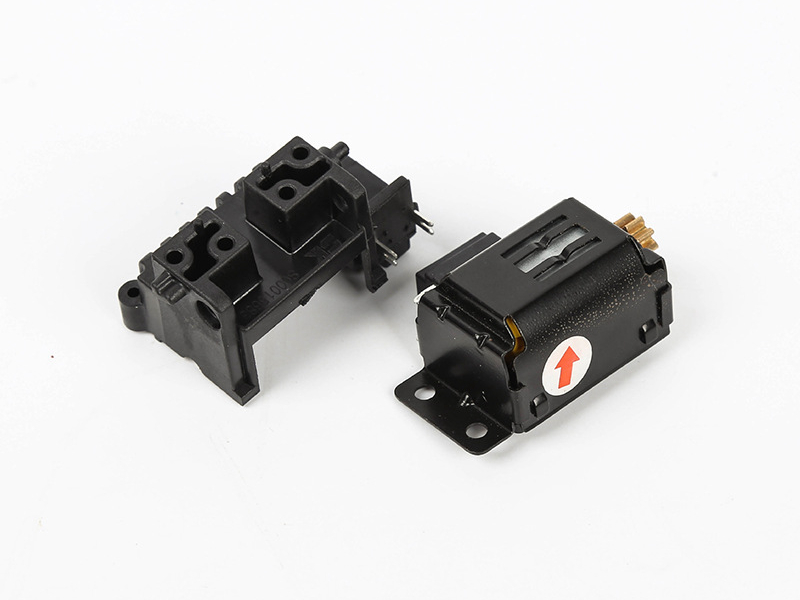
Electrical and electronic inserts can be used when the mold design protects the insert from displacement, heat damage, resin leakage, or contamination. Terminals, pins, contacts, lead frames, connector blades, shielding pieces, and small conductive features are common examples in connector housings, sensor housings, control modules, and handheld devices.
For electrical insert molding, the RFQ should define conductive surfaces, insulated areas, creepage or clearance requirements when applicable, plating requirements, connector alignment, and post-molding electrical testing. The buyer should also identify any surfaces that must remain free of plastic flash or resin bleed.
When are ceramic inserts used in insert molding?
Ceramic inserts may be used when the molded part needs electrical insulation, wear resistance, thermal stability, or chemical resistance. Alumina, zirconia, and other engineered ceramic features can serve as insulating sleeves, wear pads, guide elements, or thermal-control features inside a plastic component.
Ceramic inserts require careful handling because brittle inserts can crack if the mold closes unevenly or if the plastic applies high localized stress. Buyers should provide ceramic grade, insert dimensions, edge condition, contact surfaces, allowable handling method, and final inspection requirements before the insert molding quote is finalized.
Can polymer and plastic inserts be used in insert molding?
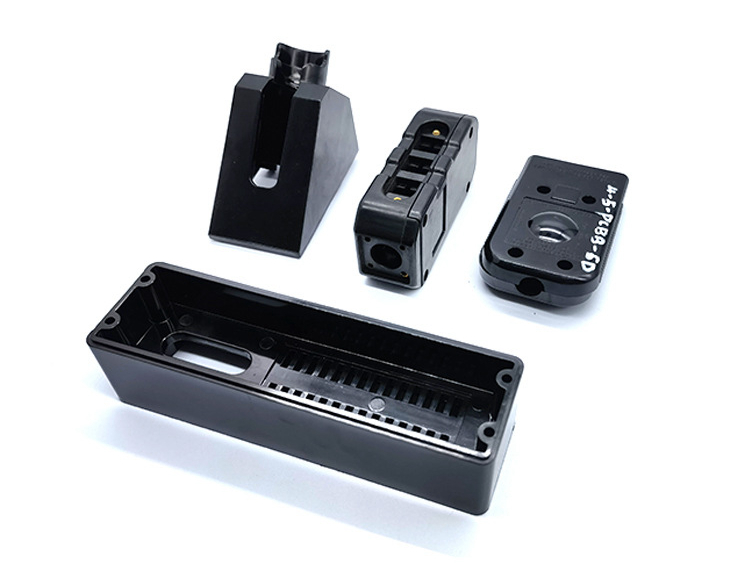
Polymer inserts can be used when a molded assembly needs two plastic materials, a preformed plastic carrier, color separation, embedded features, or localized material performance. A rigid substrate made by plastic injection molding may be placed into a second mold and encapsulated or partially covered by another plastic material.
Materials such as nylon PA, PC, ABS, PBT, POM, and selected elastomers may be used depending on bonding, heat exposure, shrinkage, and part function. The buyer should clarify whether the second material must chemically bond to the insert or whether the design relies on mechanical locking features such as holes, grooves, ribs, or undercuts.
How do custom MIM, cast, and machined inserts support insert molding?
Custom inserts are useful when a standard fastener or terminal cannot meet the geometry, strength, conductivity, weight, or assembly requirement. MIM inserts can support small complex metal features, cast inserts can support metal shapes suited to casting routes, and machined inserts can support accurate threads, datums, bores, or sealing faces.
The manufacturing route for the insert affects dimensional control, surface finish, edge condition, and cost. Buyers should identify which insert features are critical after molding because plastic pressure, heat, and shrinkage can change how the final assembly performs.
How should buyers compare insert types for RFQ decisions?
Buyers should compare insert types by function, molding risk, inspection method, and total assembly value. The best insert for a molded part is the insert that meets the load, conductivity, insulation, wear, corrosion, and assembly requirements without creating avoidable placement or quality problems.
Insert type | Typical insert molding function | RFQ information to define | Main molding risk to review |
|---|---|---|---|
Threaded metal insert | Reusable fastening and torque resistance | Thread size, alloy, knurling, torque, pull-out requirement | Insert rotation, flash in threads, pull-out failure |
Electrical terminal or contact | Conductivity, connector function, signal or power transfer | Conductive surfaces, plating, alignment, electrical test | Misalignment, resin contamination, exposed-contact defects |
Ceramic insert | Insulation, wear resistance, thermal stability | Ceramic grade, edge condition, handling limits, inspection method | Cracking, chipping, localized stress, poor support |
Plastic or polymer insert | Two-material function, color separation, embedded molded features | Material grades, bonding method, shrinkage, heat exposure | Warpage, weak bonding, distortion during second shot |
MIM, cast, or machined custom insert | Complex geometry, precision datum, wear feature, reinforcement | Insert route, critical dimensions, surface finish, datum scheme | Placement variation, dimensional stack-up, cost mismatch |
What RFQ information is needed for insert selection?
A useful insert molding RFQ should include the insert drawing, insert material, insert manufacturing route, substrate plastic, annual volume, loading method, critical dimensions, datum surfaces, exposed surfaces, required pull-out or torque tests, electrical tests, cosmetic standards, and post-molding inspection plan. Buyers should also state whether inserts are supplied by the buyer or sourced by the molder.
This information allows the manufacturer to review mold loading, insert retention, plastic flow, heat exposure, shrinkage, inspection access, and production repeatability. Clear insert data reduces the risk of selecting a strong insert that cannot be placed accurately or a low-cost insert that fails after molding.
Related FAQs
What types of materials are commonly used in insert molding?
What types of materials are most suitable for insert molding?
What is insert molding and how does it differ from traditional molding processes?
What is the difference between insert molding and overmolding?
Are there limitations or challenges associated with insert molding?
What are the common challenges in insert molding and how can they be resolved?