Advanced Turbine and Generator Component Manufacturing
Turbine And Generator Component RFQ Decision: This article explains how buyers can specify investment casting, precision casting, powder pressing molding, and CNC machining prototyping for turbine blades, turbine vanes, impellers, generator housings, rotor support parts, and heat-resistant brackets. The practical RFQ problem is deciding which manufacturing route, high-temperature alloy, machining allowance, coating requirement, and inspection evidence should be quoted before buyers approve tooling, prototype validation, or production release.
For turbine and generator components, the manufacturing route should be selected from the part geometry, operating temperature, alloy requirement, and inspection risk. A thin turbine vane with internal cooling passages creates a different quotation problem from a machined generator end ring or a powder-formed magnetic component. Buyers get clearer quotations when drawings identify datum surfaces, critical flow features, material grade expectations, heat treatment requirements, and the acceptance method for dimensional and metallurgical evidence.
Which Manufacturing Process Fits Turbine And Generator Parts?
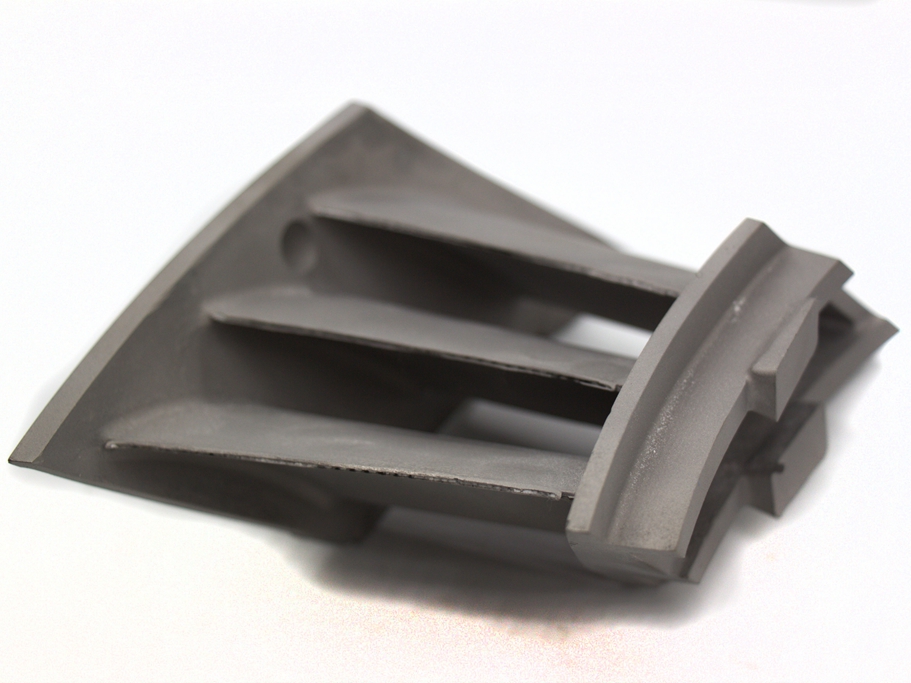
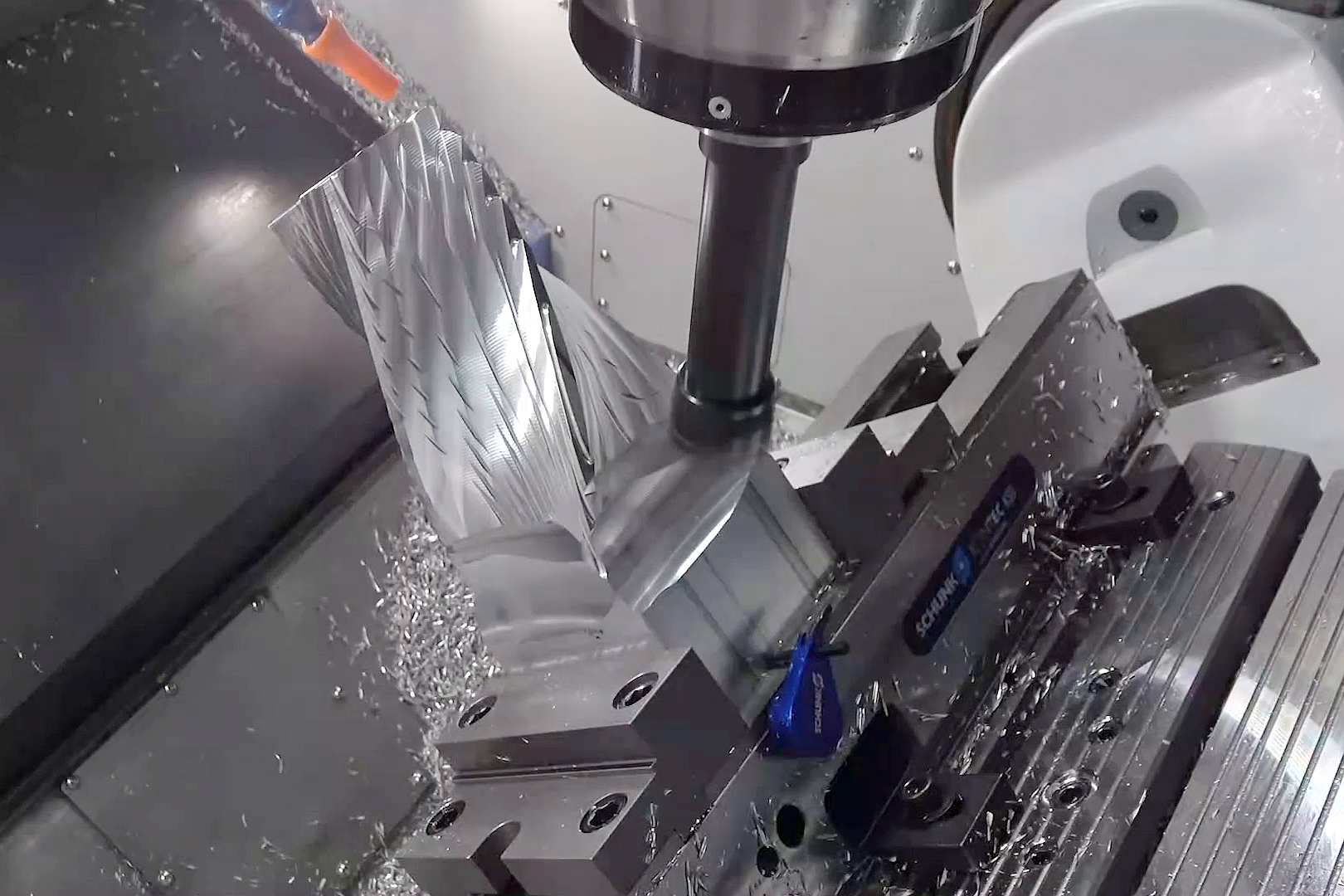
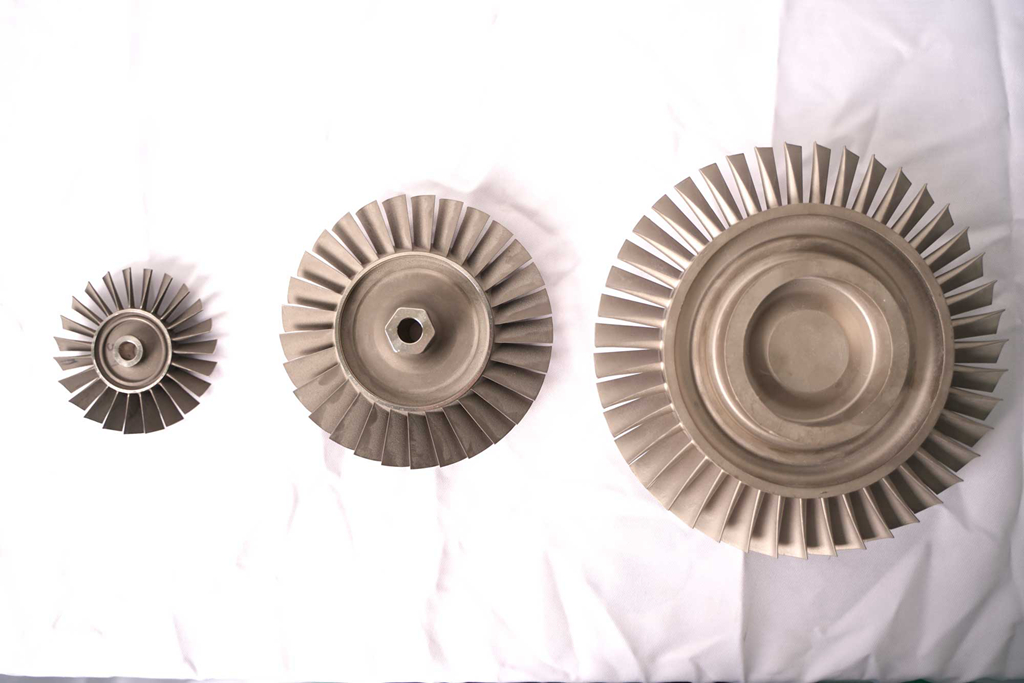
The best process depends on whether the part needs near-net casting geometry, controlled powder density, or machined prototype accuracy. Investment casting is usually the first process to review for complex turbine blades, vanes, impellers, and heat-resistant brackets because wax patterns and ceramic shells can support thin sections and airfoil surfaces. CNC machining prototyping is stronger for early design verification, datum development, seal grooves, bearing seats, and generator parts that rely on machined concentricity.
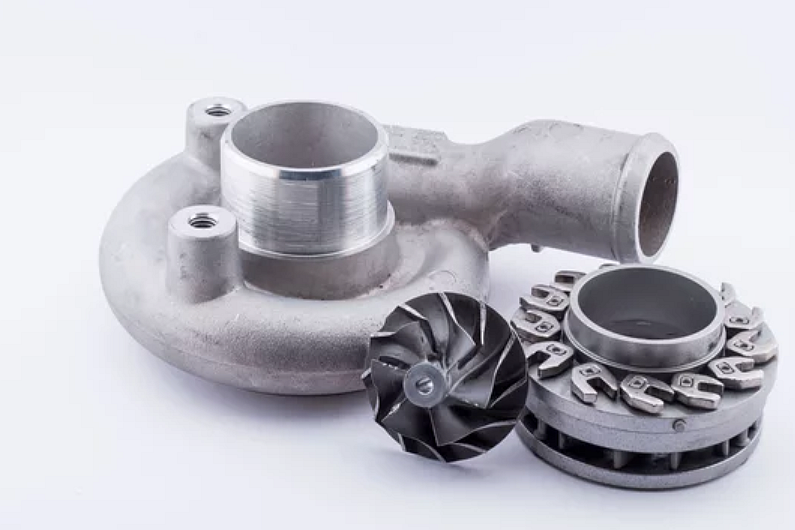
Powder pressing molding can be relevant when the generator component requires powder metal behavior, compacted geometry, or repeatable material density instead of a fully cast route. Precision casting can support housings, brackets, and structural metal components where casting geometry and secondary machining must be balanced. The RFQ should not simply ask for a "turbine part"; the RFQ should state whether the buyer is quoting an airfoil, shaft-adjacent feature, housing, support ring, magnetic part, or thermal shield.
Component Type | Primary Manufacturing Route | RFQ Risk To Clarify | Inspection Evidence |
|---|---|---|---|
Turbine blade or vane | Investment casting plus machining | Airfoil geometry, cooling feature access, alloy control | CMM, visual inspection, alloy verification, CT when required |
Impeller or heat-resistant bracket | Precision casting or CNC machining prototype | Wall thickness, datum surfaces, machining stock | Dimensional report and surface finish check |
Generator housing or support ring | Precision casting plus finish machining | Concentricity, flatness, bearing-seat control | CMM report and machining inspection record |
Powder metal generator part | Powder pressing molding | Density, sintering shrinkage, magnetic or wear requirement | Material check and dimensional verification |
Which High-Temperature Materials Should Buyers Define?
Buyers should define the operating environment before asking a supplier to recommend a material. Turbine and generator components may face high gas temperature, oxidation, vibration, cyclic loading, or corrosion from energy-system environments. Nickel-based superalloys, cobalt-based alloys, stainless steels, heat-resistant steels, titanium alloys, and selected powder metal materials create very different casting behavior, machining difficulty, coating compatibility, and inspection requirements.
The material line on the drawing should include the grade, applicable standard if available, heat treatment condition, and any required composition verification. When the material is still under evaluation, the RFQ can list candidate alloys and ask the supplier to quote the manufacturing implications. The casting materials page can support early material screening, while heat treatment requirements should be separated from coating requirements so quotation scope remains clear.
How Should Coating And Heat Treatment Be Specified?
Coating and heat treatment should be specified as performance-related manufacturing steps, not as vague finishing notes. Turbine blades and vanes may need thermal protection, oxidation resistance, or corrosion protection, while generator housings and brackets may need surface treatment for wear, corrosion, or assembly durability. The RFQ should tell the supplier whether the coating is functional, protective, cosmetic, or a buyer-controlled downstream operation.
For high-temperature turbine components, buyers should identify coating area, masking surfaces, maximum temperature exposure, and whether coating thickness affects final machining or assembly. Relevant knowledge pages on thermal coatings for superalloy parts and thermal barrier coatings are useful internal references when the engineering team is comparing coating routes. If the buyer owns final qualification, the RFQ should state which coating evidence must be supplied and which validation steps remain with the buyer.
Requirement Entity | What Buyers Should Specify | Manufacturing Implication |
|---|---|---|
Heat treatment condition | Target alloy condition and required documentation | Affects mechanical properties, distortion risk, and machining order |
Thermal coating | Coated surface, mask area, thickness expectation | Affects surface preparation, inspection, and final fit |
Machined datum | Datum scheme, tolerance class, surface finish | Affects fixture planning and machining allowance |
Alloy verification | Composition report or inspection method requested | Affects incoming material control and release evidence |
What Dimensional And Defect Inspection Should The RFQ Request?
The RFQ should request inspection evidence based on the part risk. CMM inspection is useful for machined datums, airfoil profiles, bolt patterns, seal surfaces, and housing interfaces. Industrial CT inspection may be relevant when internal cooling passages, shrinkage risk, or inaccessible casting features affect the buyer's design approval. Alloy composition control can support material confirmation when high-temperature alloy selection is part of the sourcing risk.
Buyers should avoid asking for every inspection method without connecting the method to a risk. A practical RFQ can specify CMM dimensional inspection for critical features, industrial CT inspection for internal casting concerns, and spectrometer alloy composition control when material confirmation is required. The quotation should identify whether reports are needed for prototypes, first article samples, production lots, or all shipment batches.
When Should Buyers Use Prototype Machining Before Casting Tooling?
Prototype machining should be used when the buyer needs to verify fit, datum logic, assembly access, or sealing geometry before committing to casting tooling. CNC prototypes can expose drawing problems in bolt patterns, bearing seats, concentric features, and interface surfaces. For cast turbine or generator parts, machined prototypes also help confirm which surfaces must remain as-cast and which surfaces need machining stock.
The prototype RFQ should include 3D CAD, 2D drawings, material preference, surface finish expectations, and the test purpose. If the prototype is only for assembly fit, the supplier can quote a different route than a functional high-temperature test part. If the prototype must support thermal or mechanical testing, the buyer should define the material, heat treatment, and inspection evidence more tightly.
How Should Buyers Prepare A Turbine Or Generator Component RFQ?
A strong RFQ gives the supplier enough manufacturing context to quote the right process and the right evidence. Buyers should provide the part type, annual volume estimate, prototype quantity, CAD files, drawings, target material grade, heat treatment notes, coating notes, critical-to-quality features, and inspection documents required with shipment. For turbine blades and vanes, buyers should identify airfoil surfaces, cooling passages, root features, and any surfaces that cannot be reworked after casting. For generator housings and rings, buyers should identify bearing seats, flatness areas, concentric features, and assembly datums.
Important buyer decisions should be stated directly in the RFQ. If the buyer wants investment casting for a high-temperature blade, the RFQ should state the alloy family, the casting feature risk, and the expected secondary machining. If the buyer wants powder pressing molding for a generator part, the RFQ should state density or material behavior expectations. If the buyer needs CNC machining for prototype validation, the RFQ should state whether the prototype supports fit check, functional testing, or pre-tooling manufacturing review.
Related FAQs
What material and coating combinations suit turbine parts over 1000C?
How is accuracy and surface quality ensured for blade cooling channels?
How does Neway control superalloy microstructure and properties?
What is the development cycle from prototype to mass production?
Which materials are best suited for CNC machining in critical applications?
How does CNC machining ensure part consistency and repeatability?