Dynamic and Static Fatigue Tester for Structural Validation
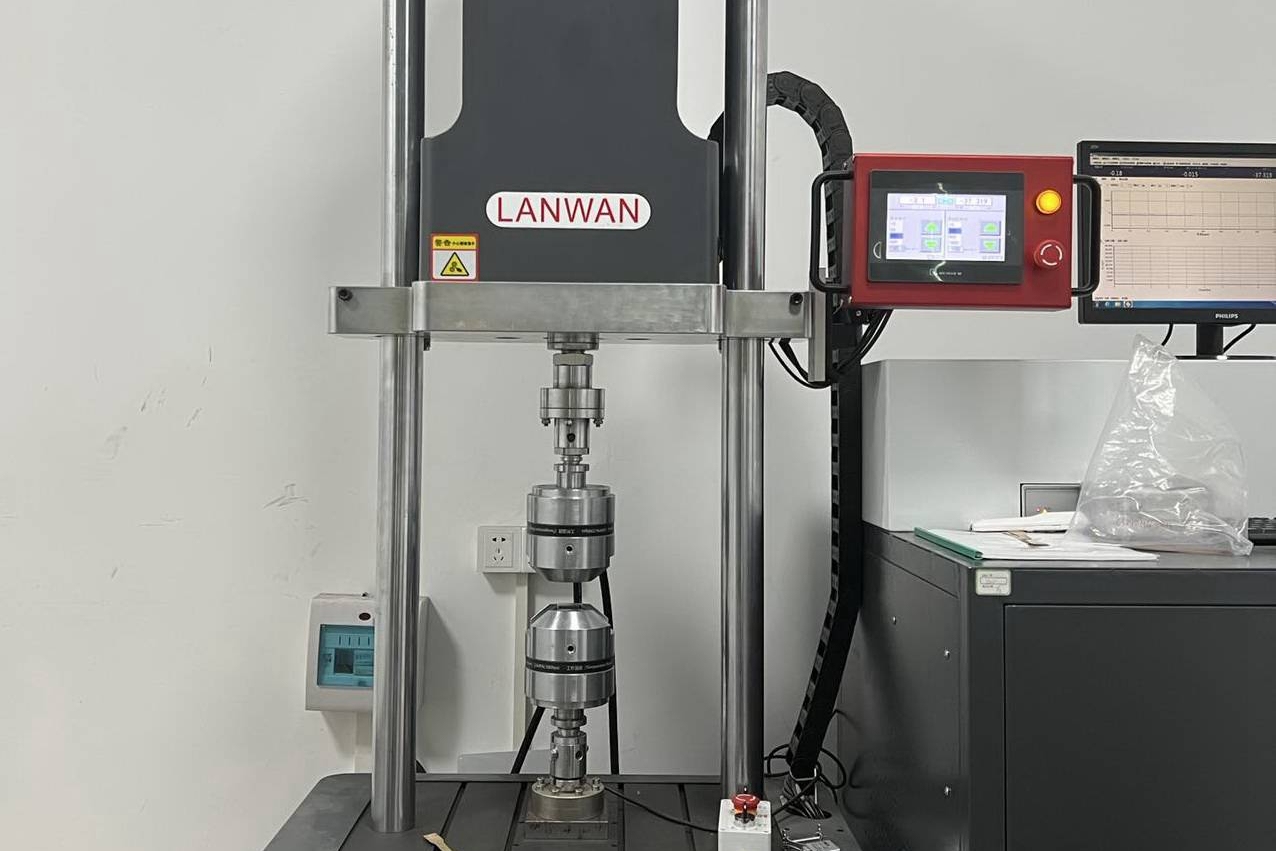
Dynamic And Static Fatigue Testing RFQ Decision: This article explains how buyers can specify dynamic fatigue testing, static load testing, and structural validation for custom parts made by CNC machining, precision casting, sheet metal fabrication, injection molding, prototyping, and assembly manufacturing routes. The practical RFQ problem is defining the load case, fixture method, cycle requirement, material condition, inspection evidence, test report, and buyer acceptance criteria before using a fatigue tester to support a custom part decision.
When Should Buyers Request Fatigue Or Static Load Testing?
Buyers should request fatigue or static load testing when a custom part must be evaluated under defined mechanical loads, repeated cycles, assembly constraints, or structural safety margins. The need should come from the part function, service environment, customer specification, or prototype validation plan.
The engineering reason is that dimensional inspection and material certificates do not fully describe how a part behaves under load. A component may meet the drawing but still need load testing if the buyer must validate stiffness, deformation, crack initiation, permanent set, or cycle-to-failure behavior.
For quotation, the buyer should define the part condition, load direction, load magnitude, cycle count or static hold requirement, fixture concept, environment, sample quantity, measurement points, and acceptance criteria. Without those details, a fatigue test request cannot be quoted responsibly.
What Is The Difference Between Static Load And Dynamic Fatigue Testing?
Static load testing applies a defined load or displacement to evaluate strength, stiffness, deformation, or permanent set under a controlled condition. Dynamic fatigue testing applies repeated load cycles to evaluate how the part behaves under cyclic stress.
Structural Test Type | Best Fit | RFQ Detail Buyers Should Provide |
|---|---|---|
Static load test | Proof load, stiffness check, permanent deformation, and assembly load review | Load direction, maximum load, hold time, fixture method, and allowable deformation. |
Dynamic fatigue test | Repeated loading, cyclic stress, hinge behavior, bracket durability, and vibration-related validation | Load waveform, load ratio, frequency, cycle target, stop criteria, and failure definition. |
Functional prototype test | Early design validation before tooling, process release, or assembly approval | Prototype purpose, service simulation, measurement points, and design-change rules. |
Post-test inspection | Crack review, deformation check, dimensional change, or internal defect follow-up | Required inspection method, report format, and comparison to pre-test data. |
The buyer should choose the test type based on the failure mode under review. A static test does not answer every fatigue question, and a fatigue test does not replace all proof-load or assembly-fit checks.
Which Part Requirements Must Be Defined Before Testing?
The RFQ should define the part requirement, not only the tester name. Important entities include material grade, heat treatment, surface finish, coating, geometry, welds, fasteners, assembly preload, service temperature, corrosion exposure, and use direction.
Surface finish and heat treatment can affect fatigue behavior because cracks often start near surfaces, not only inside the bulk material. If the buyer wants to compare machined, cast, stamped, welded, coated, or heat-treated variants, the RFQ should identify each variant and its sample quantity.
The buyer should also define the acceptance criterion. Examples include no visible crack, no fracture, maximum allowable deformation, stiffness retention, torque retention, dimensional change, or another buyer-defined result. The supplier should not infer acceptance from the test title.
How Should Fixtures, Loads, Samples, And Reports Be Specified?
Fixture design is central to fatigue and static testing. The fixture should represent the real assembly load path as closely as the buyer requires, or the buyer should state that the test is only a simplified comparison.
Test RFQ Entity | Buyer Should Specify | Why It Matters |
|---|---|---|
Fixture method | Mounting points, clamps, fasteners, preload, alignment, and boundary condition | Fixture setup controls how load enters the part. |
Load definition | Load direction, magnitude, waveform, frequency, cycle count, and stop condition | Test results only apply to the defined load case. |
Sample plan | Sample quantity, prototype or production state, batch identity, and pre-test inspection | Sampling affects confidence and traceability. |
Report format | Load curve, displacement curve, cycle log, photos, post-test inspection, and failure notes | Report evidence must support the buyer's approval decision. |
If the test is used for a regulated or customer-controlled program, the buyer should provide the required test standard, revision, witness requirement, and approval authority.
How Should Fatigue Testing Connect With Inspection Evidence?
Fatigue test results should be compared with dimensional, material, and defect evidence. The goal is to understand whether test behavior is linked to geometry, material, internal defects, surface condition, or assembly setup.
Evidence Before Or After Testing | Relevant Method | Buyer Decision Supported |
|---|---|---|
Critical dimensions and datums | Confirms the tested sample matches drawing geometry and assembly interfaces. | |
Surface shape and deformation | Compares shape before and after load testing. | |
Internal defects | Reviews internal voids, cracks, or hidden geometry when failure risk requires it. | |
Material composition | Supports material review when trace elements or impurities may affect performance. |
Testing and inspection should be planned together. If pre-test inspection is missing, it can be harder to interpret a failed sample or compare design variants.
Which Custom Parts Commonly Need Structural Validation?
Structural validation may be relevant for brackets, hinges, clips, housings, shafts, gears, springs, latches, inserts, frame parts, and load-bearing assemblies. The need depends on the part's service load, material, geometry, and buyer risk level.
For prototyping, fatigue and static tests can help buyers compare design variants before tooling or production release. For precision casting or aluminum die casting, tests may be paired with defect inspection and heat-treatment review. For sheet metal fabrication, tests may focus on bends, welds, fasteners, and enclosure load paths.
The buyer should state whether the test supports design learning, first-article approval, production release, customer audit, or failure analysis. Each purpose requires a different report depth.
What Should Buyers Include In A Fatigue Testing RFQ?
A complete RFQ should include the part drawing, 3D model, material condition, manufacturing route, sample quantity, fixture concept, load case, cycle requirement, static hold requirement if any, environment, measurement points, report format, and acceptance criteria.
The RFQ should also define what happens after a test failure. The buyer may require fracture photos, dimensional recheck, CT inspection, material analysis, root-cause review, design revision, or additional samples.
This structure helps the supplier quote dynamic fatigue testing and static load testing accurately. It also gives the buyer evidence that matches the real structural validation decision for custom parts manufacturing.
Related FAQs