What materials and processes suit high-impact environments with frequent drops?
High-impact environments with frequent drops require materials and manufacturing processes that can control shock absorption, crack resistance, local stiffness, fastening strength, surface wear, and assembly retention. This FAQ explains how Neway reviews precision casting, metal injection molding, aluminum die casting, plastic injection molding, overmolding, heat treatment, surface finishing, and drop validation for power tool parts, lock components, handheld device housings, brackets, latches, and protective covers. The practical RFQ problem is to define the drop condition, impact direction, load path, material zone, and validation method before choosing the manufacturing route.
What drop and impact data should buyers define first?
Buyers should define drop height, impact surface, impact direction, part assembly state, number of drops, operating temperature, fastener load, internal component mass, and pass criteria. Impact resistance cannot be reviewed from material name alone because geometry and assembly condition often control failure.
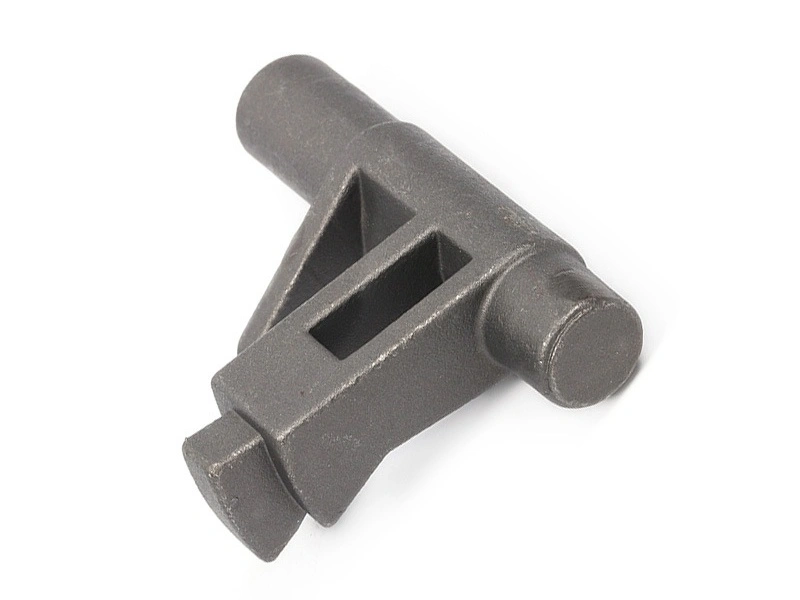
For high-impact parts, precision casting may be reviewed for metal structural parts, brackets, frames, and load-bearing components. The same product may also need MIM inserts, plastic covers, overmolded grips, aluminum frames, or elastomer pads. The RFQ should identify which surfaces hit the ground, which internal parts transfer shock, and which cosmetic marks are acceptable after testing.
Impact environment entity | Manufacturing risk | RFQ input needed |
|---|---|---|
Drop direction | Crack at corners, bosses, latch features, or mounting ears | Drop orientation, assembly state, and protected surfaces |
Internal component mass | Shock transfer into brackets, inserts, and fasteners | Assembly weight, mounting layout, and load path |
Repeated impact | Fatigue, loosening, deformation, and hidden cracks | Cycle or drop count, inspection method, and pass criteria |
Outdoor or abrasive exposure | Surface wear, corrosion, and grip damage after impact | Exposure condition, finish requirement, and cleaning method |
Which metal processes suit high-impact components?
The metal process should match part size, geometry, load path, tolerance, surface finish, and production volume. Precision casting, MIM, aluminum die casting, and sheet metal fabrication each support different impact-related features.
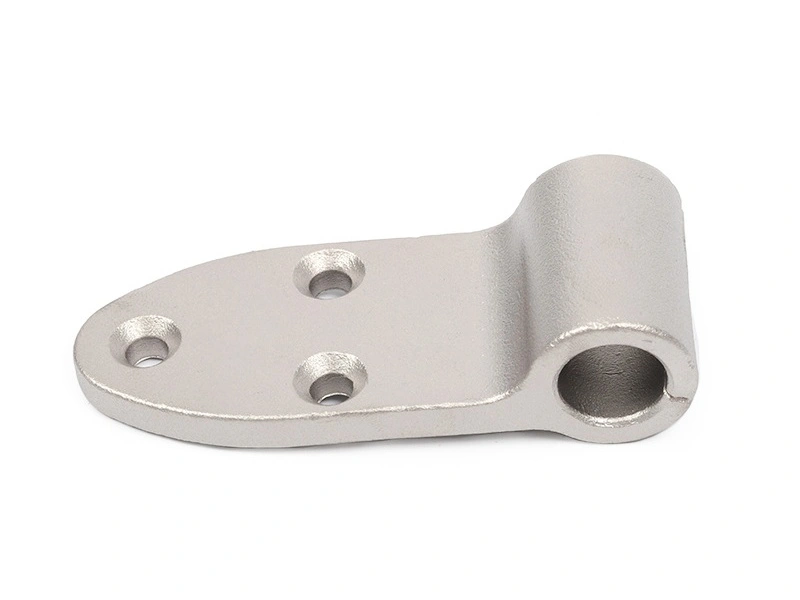
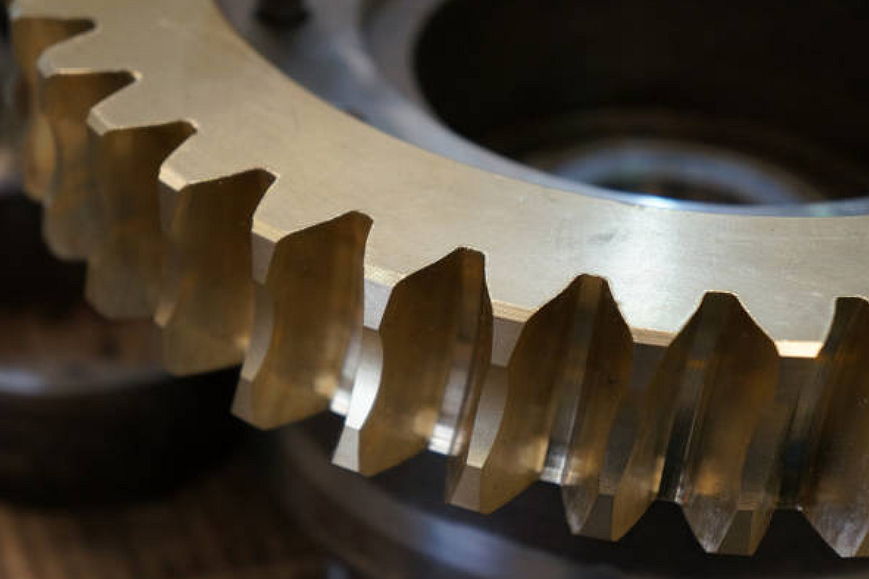
Precision casting can support metal parts where geometry, structural load, and surface detail must be balanced. Metal injection molding can support compact high-strength latches, inserts, lock parts, gears, sleeves, and small mechanisms. Aluminum die casting may support lightweight frames, housings, and brackets where weight matters. The buyer should define whether the high-impact part is a load-bearing metal structure, a compact mechanism, a housing frame, or a replaceable protective feature.
Which plastic and overmolding options help frequent drop designs?
Plastic and overmolding options can help frequent-drop designs when the plastic zone absorbs shock, protects users, insulates components, or reduces weight without carrying the full metal load path. The design should clearly separate structural, cosmetic, grip, and energy-absorption zones.
Plastic injection molding can support shells, covers, ribs, bosses, and insulation features. Candidate materials may include nylon, PC-PBT, polycarbonate, ABS-PC, TPU, and TPE or TPV depending on impact, temperature, grip, and chemical exposure. Overmolding can support grip pads, shock-absorbing edges, cable strain relief, seals, and soft-touch features.
Material or process route | High-impact design role | Validation focus |
|---|---|---|
Precision casting | Structural metal frame, bracket, latch body, or load-bearing part | Crack inspection, dimensional fit, and surface condition after impact |
MIM | Small metal insert, gear, pawl, sleeve, or locking feature | Density, heat treatment, tolerance, and functional load test |
Plastic injection molding | Shell, cover, ribbed structure, insulation, or impact cover | Crack, warpage, boss strength, and assembly retention |
Overmolding | Grip, shock pad, seal, or edge protection | Bonding, wear, peeling, and impact energy absorption |
How do heat treatment, surface finishing, and geometry improve impact response?
Heat treatment, surface finishing, and geometry improve impact response by controlling core toughness, local hardness, crack initiation, wear, corrosion, and stress concentration. The buyer should define which zones need stiffness and which zones should absorb or redirect impact energy.
Heat treatment may be reviewed for steel components that need strength, toughness, or wear control. Surface finishing may support corrosion protection, grip durability, cosmetic recovery, or wear resistance. Geometry controls such as radii, ribs, gussets, wall transitions, boss support, and sacrificial impact pads can reduce crack initiation at high-stress features.
What prototype and drop validation should buyers request?
Prototype and drop validation should test the part in the assembly condition that represents real use. Testing only a single component may miss internal mass movement, fastener loosening, latch failure, or hidden cracks after repeated drops.
Prototyping can help compare material zones, rib design, metal inserts, overmolded pads, and fastening features before production tooling. The test plan should state drop height, drop direction, impact surface, sample quantity, temperature, number of drops, inspection method, functional test after drop, and acceptance criteria. For high-impact products, final approval should include both visual inspection and functional checks.
What RFQ details help Neway choose materials and processes for impact?
An RFQ should include 3D CAD, 2D drawings, target product use, drop condition, impact direction, assembly weight, internal component layout, load path map, material preference, process preference, overmold requirement, heat treatment, surface finish, cosmetic requirement, sample quantity, production volume, and validation method. These details let Neway compare precision casting, MIM, plastic injection molding, aluminum die casting, overmolding, and secondary operations as one impact-resistant design route.
The buyer should also identify the main failure risk: cracking, boss breakage, latch failure, insert loosening, cosmetic damage, corrosion, grip wear, or cost. That priority helps Neway choose a practical material and process combination.
Related FAQs
How to lightweight tool housings through design and processes while keeping strength?
How to balance weight reduction with adequate strength in lightweight tool design?
What lightweight materials offer strong anti-prying and impact resistance?
How to match structural components with the right lightweight materials?
How does Neway optimize structures to enhance lightweighting?
What material and process combinations help prevent prying and brute-force attacks?
What tests should be performed on functional prototype parts?
How do prototype metal parts reduce production risk before tooling?