How does Neway optimize structures to enhance lightweighting?
This FAQ explains how Neway supports structural lightweighting for automotive, aerospace, e-mobility, and industrial components such as brackets, housings, battery supports, frames, covers, and internal mechanisms. The manufacturing decision often involves precision casting, aluminum die casting, metal injection molding, plastic injection molding, or sheet metal fabrication. The practical RFQ problem is how to turn load paths, material limits, rib design, wall thickness, secondary operations, and validation evidence into a manufacturable lightweight structure.
How does structural lightweighting start before material selection?
Structural lightweighting starts with the load path, not with the lightest material. Neway reviews how the part transfers force through mounting points, ribs, walls, bosses, welds, inserts, or machined datums before recommending a manufacturing route.
A battery support frame, motor housing, aerospace bracket, plastic electronics cover, and MIM latch do not fail or deform in the same way. A casting may need rib direction and local wall thickness around fastening points. A weldment may need fixture control and reinforcement at joint locations. A plastic housing may need rib spacing, screw boss design, insert strategy, and resin selection. A MIM mechanism may need sintering allowance, datum planning, and secondary machining on critical surfaces.
The RFQ implication is direct: buyers should provide load direction, fastening layout, mating parts, stiffness targets, temperature exposure, vibration exposure, and critical dimensions. Without these inputs, a supplier can make a lighter part shape, but the supplier cannot judge whether the structure is appropriate for the buyer's validation plan.
Which geometry changes reduce weight while preserving structural function?
Useful lightweighting usually comes from geometry changes that remove low-value mass and support high-stress areas. Common changes include rib networks, pocketing, hollow sections, wall thickness transitions, local bosses, gussets, webbing, fillets, and machined datum pads. Each feature should have a manufacturing reason and a structural reason.
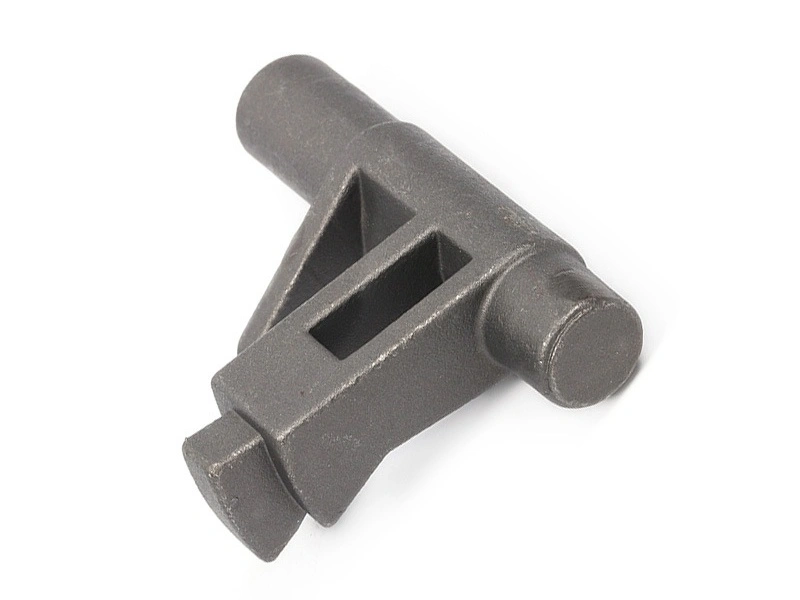
For aluminum castings, rib layout should follow load direction and allow metal flow, cooling, ejection, machining access, and inspection of critical zones. For precision cast parts, wall transitions and fillets should control shrinkage risk and reduce stress concentration. For MIM parts, compact geometry can include small features, but the design must account for debinding, sintering shrinkage, gate marks, and inspection of critical dimensions. For plastic injection molded housings, ribs and bosses should support stiffness while reducing sink marks, warpage, and screw boss cracking risk.
The RFQ implication is that a lightweight concept should not be sent as only a topology shape. Buyers should identify which material can be removed, which areas must stay stiff, which surfaces will be machined, and which features are cosmetic, sealing, electrical, or structural.
How does Neway match lightweight geometry with manufacturing processes?
Neway matches lightweight geometry with the process that can produce the required features repeatedly. The best process is not only the one with the lowest material density; it is the route that can hold functional geometry, manage inspection risk, and support the expected production volume.
Optimization target | Suitable process route | Manufacturing entities to review | RFQ evidence needed |
|---|---|---|---|
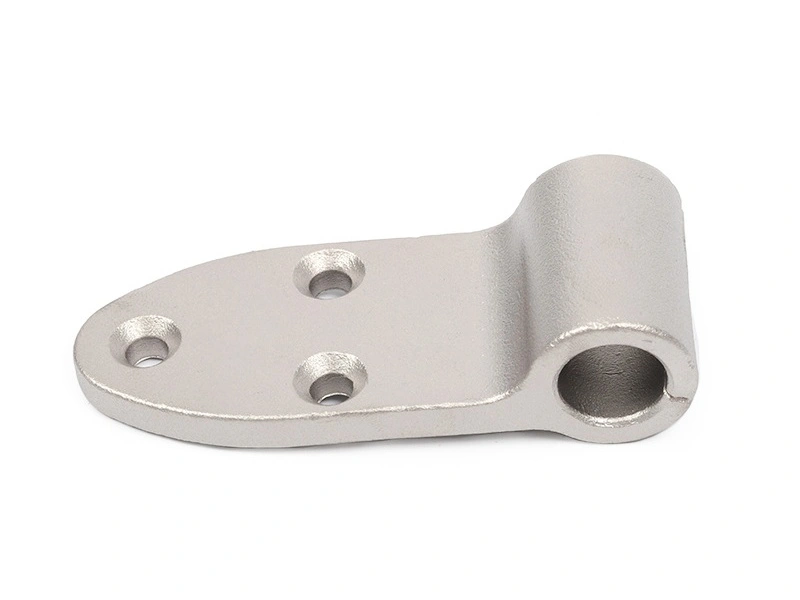
Integrated aluminum bracket, frame, housing, or support | Aluminum die casting or precision casting | A356, A380, ADC12, rib direction, gate location, machining datum, porosity-sensitive zone, coating | 3D model, load case, critical wall thickness, machining areas, inspection method, finish requirement |
High-temperature cast support or aerospace bracket | Precision casting with machining and secondary operations | Titanium alloy, magnesium alloy, nickel-based alloy, heat treatment, dimensional inspection, surface finishing | Temperature range, load cycle, material specification, heat treatment condition, inspection plan |
Small high-strength mechanism or latch part | Metal injection molding | MIM 17-4 PH, MIM 4140, debinding, sintering shrinkage, density, secondary machining, threads | Annual volume, critical dimensions, thread locations, datum surfaces, functional test requirement |
Ribbed cover, enclosure, cable carrier, or semi-structural housing | Plastic injection molding | PC-PBT, nylon PA, glass-filled resin, rib ratio, boss design, insert, texture, warpage control | Temperature exposure, impact requirement, flame rating need, surface texture, color, assembly method |
Early design comparison before tooling | CNC machining prototyping or 3D printing prototyping | Prototype material, datum scheme, assembly fit, functional load test, substitute-material limit | Prototype purpose, test method, quantity, acceptance criteria, planned production process |
This process comparison helps buyers avoid a common mistake: applying one lightweighting idea across every component. A cast aluminum frame, a plastic cover, and a MIM latch may all support a lower-mass product, but each part needs a different geometry rule and inspection plan.
How are material and secondary operations selected for lightweight structures?
Material selection should follow function and process. Aluminum alloys such as A356 and A380 may support cast brackets, housings, and frames when the design needs lower mass, integrated features, and machining of datum surfaces. MIM materials such as MIM 17-4 PH and MIM 4140 may support compact high-strength mechanisms when part size and volume fit the MIM route.
Engineering plastics such as PC-PBT and nylon PA may support semi-structural covers, electronics housings, brackets, and cable carriers when insulation, molded features, and lower mass matter. Plastic parts still need rib design, insert design, impact review, creep review, and temperature review because lower density does not automatically solve structural risk.
Secondary operations can decide whether the lightweight design is production-ready. Heat treatment may be needed for selected metal properties, and heat treatment requirements should be included before quotation. Machining may define datums, threads, sealing faces, bearing seats, or alignment surfaces. The surface finishing plan should state corrosion exposure, coating thickness, masking, cosmetic surfaces, and electrical contact areas.
What prototype and test evidence should support a lightweight structure?
Prototype evidence should answer the main uncertainty in the lightweight design. If the risk is assembly fit, a CNC machining prototype may check datums, mounting holes, contact surfaces, and service access. If the risk is package space, airflow, rib layout, or cable routing, a 3D printing prototype may support early review before tooling.
Prototype material should be interpreted carefully. A machined aluminum sample may not reproduce die casting porosity, casting skin, or shrinkage behavior. A printed polymer model may not reproduce injection molded fiber orientation, weld lines, or production resin impact behavior. A prototype can reduce design uncertainty, but the production process still needs its own validation evidence.
For structural or safety-related parts, validation should follow the buyer's engineering plan. Useful evidence may include dimensional inspection reports, material certificates where applicable, hardness checks, coating checks, leak tests, functional load tests, vibration tests, fatigue review, CT or X-ray review for selected cast zones, weld inspection, or assembly fixture reports. Neway can support manufacturing evidence, while final product approval should remain tied to the buyer's test requirements.
What RFQ details help Neway review a lightweight structure?
Provide the 3D model, 2D drawing, current baseline part if available, target mass objective, material candidates, annual volume, prototype quantity, load cases, stiffness or deflection targets, temperature exposure, chemical exposure, critical dimensions, datum scheme, fastening method, surface finishing requirement, and inspection requirement. If the part is replacing a steel weldment or machined metal part, include the current process route and the reason the weight reduction is needed.
Neway can then review whether the structure fits casting, MIM, injection molding, sheet metal fabrication, machining, or a staged prototype route. The review can identify design changes such as ribs, pockets, wall transitions, bosses, inserts, machining stock, material substitutions, and inspection points before the buyer commits to tooling.
The practical answer is that Neway optimizes lightweight structures by connecting geometry, material, process, secondary operations, and inspection evidence. The result is a clearer RFQ path for buyers who need lighter parts without making unsupported assumptions about structural validation.
Related FAQs
How to match structural components with the right lightweight materials?
What are the trade-offs between die-cast aluminum and welded steel structures?
What weight reduction is achievable while ensuring crash safety?
What materials, tolerances, and part geometry affect supplier selection?
What design factors affect the cost of aluminum die casting parts?
How can aluminum die casting defects be reduced in mass production?
What tests should be performed on functional prototype parts?
What information should buyers provide for an accurate prototype quote?