Precision Casting Services: How to Choose the Right Casting Process for Custom Metal Parts
Precision Casting Process RFQ Decision: This article explains how buyers can choose the right precision casting process for custom metal parts by comparing investment casting, sand casting, die casting, gravity casting, secondary machining, surface finishing, and inspection. The part types include cast housings, brackets, impellers, pump bodies, valve parts, heat-transfer components, structural castings, and machined cast metal components. The practical RFQ problem is deciding which casting route fits the part geometry, alloy, tolerance requirement, surface finish, production volume, and post-casting machining plan before tooling or pattern investment.
Precision casting services should begin with process selection. Investment casting, sand casting, die casting, and gravity casting answer different buyer questions. A casting route that works for a complex stainless steel impeller may not be the right route for a large aluminum housing or a high-volume zinc alloy component. Buyers should define geometry, material, quantity stage, critical dimensions, and inspection evidence before comparing casting suppliers.
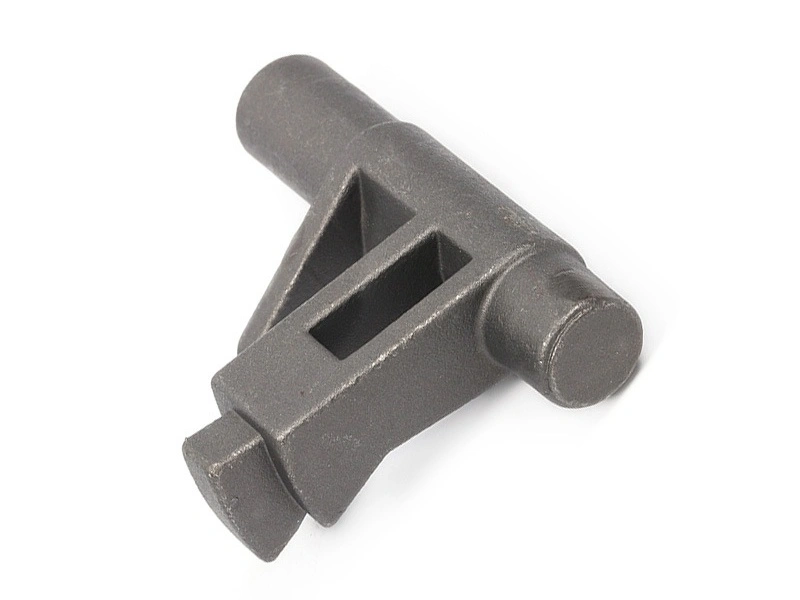
What Do Precision Casting Services Include?
Precision casting services can include casting process selection, alloy review, pattern or mold planning, pouring route review, heat treatment review, secondary machining, surface finishing, dimensional inspection, and sample approval. The exact scope depends on the casting route and the buyer's part requirements.
The engineering reason is that cast metal parts often need more than a poured shape. A casting may need machined datums, threaded holes, sealing faces, heat treatment review, surface finishing, and inspection records. Buyers should ask which operations are included in the quoted route and which operations are separate secondary processes.
The RFQ implication is direct: state the final part function, not only the casting shape. A pump body, bracket, housing, impeller, or valve part may need different machining and inspection evidence even if the parts share the same alloy family.
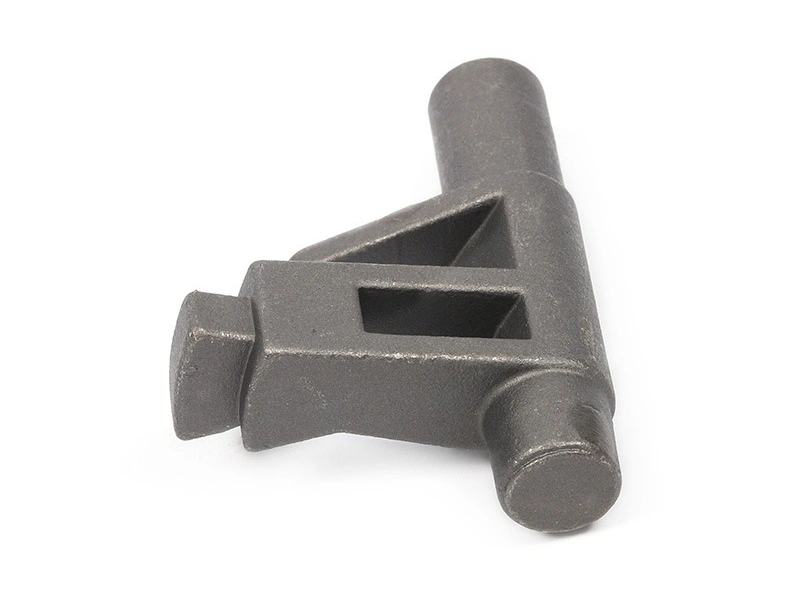
When Should Buyers Choose Investment Casting?
Buyers should choose investment casting when the custom metal part has complex geometry, fine features, a need for better as-cast surface quality, or alloys that fit the investment casting route. Investment casting is often reviewed for stainless steel, carbon steel, titanium alloy, copper alloy, and nickel-based alloy parts when geometry and surface detail are important.
The buyer should define thin walls, internal features, datum areas, machining allowances, and critical surfaces before quoting. Investment casting can reduce some machining burden, but machined holes, sealing faces, threads, and bearing surfaces may still require secondary machining and inspection.
When Is Sand Casting The Better Route?
Sand casting is often considered when the part is larger, geometry is less intricate, tooling flexibility is useful, or the buyer needs a practical route for cast iron, cast aluminum, copper alloy, or other cast metal parts. Sand casting may be a better fit than investment casting when the part size or quantity stage does not justify a more detailed precision route.
The RFQ should define casting size, wall sections, core requirements, machining allowance, surface finish expectations, and inspection method. Sand cores, riser strategy, and defect review can affect the final part. Buyers should state whether porosity, surface texture, or dimensional allowance will affect the product function.
When Should Buyers Compare Die Casting And Gravity Casting?
Die casting and gravity casting should be compared when the buyer is evaluating aluminum, zinc, or magnesium alloy parts where tooling, production volume, wall thickness, surface finish, and dimensional repeatability are important. Die casting is commonly reviewed for high-volume thin-wall parts, while gravity casting can be reviewed when the part benefits from a lower-pressure metal flow route and different tooling economics.
The buyer should provide expected production volume, alloy preference, wall thickness, finish requirement, machining scope, and approval stage. Die casting and gravity casting can produce different porosity behavior, tool cost, surface condition, and machining risk. The RFQ should identify which features require post-casting machining and which features can remain as-cast.
Casting Process | Best-Fit Custom Metal Part | Buyer Question It Answers | RFQ Risk To Clarify |
|---|---|---|---|
Investment casting | Complex stainless steel, titanium, nickel alloy, or copper alloy part | Can fine geometry and surface detail be cast with reduced machining? | Shell process, alloy behavior, shrinkage, machining allowance, and inspection |
Sand casting | Larger housing, pump body, frame, bracket, or cast iron component | Can a practical mold and core route form the required shape? | Core design, surface texture, porosity risk, and machining stock |
Die casting | High-volume aluminum, zinc, or magnesium alloy part | Can tooling support repeatable thin-wall castings and production demand? | Tooling cost, porosity, gate marks, trim, and machined features |
Gravity casting | Aluminum or copper alloy part needing a lower-pressure casting route | Can gravity-fed metal flow support the geometry and production stage? | Mold design, feeding, shrinkage, surface finish, and inspection scope |
How Do Material, Tolerance, And Surface Finish Affect Casting Choice?
Material, tolerance, and surface finish often decide the casting process after geometry and volume are reviewed. Cast aluminum, cast stainless steel, carbon steel, cast iron, copper alloy, zinc alloy, magnesium alloy, titanium alloy, and nickel-based alloy parts may each fit different casting routes and secondary operations.
Tolerance should be assigned by feature importance. Critical bores, sealing faces, datum surfaces, threaded holes, bearing seats, and assembly interfaces may need CNC machining after casting. General surfaces may only need casting inspection or surface finishing. The buyer should identify surface finish expectations such as blasting, polishing, machining, coating, anodizing for cast aluminum, or passivation for stainless steel where applicable.
RFQ Topic | Casting Entity To Define | Inspection Evidence To Request | Buyer Decision Supported |
|---|---|---|---|
Alloy selection | Cast aluminum, stainless steel, cast iron, carbon steel, zinc, copper, titanium, nickel alloy | Material documentation and buyer-defined validation plan | Whether the alloy and casting process fit the application |
Critical dimension | Datum, bore, thread, sealing face, bearing seat, machined pad | CMM report, gauge check, or machined feature inspection | Whether casting plus machining can meet functional fit |
Surface requirement | As-cast surface, machined surface, blasted surface, coated surface | Visual inspection, roughness check, or finish sample approval | Whether finishing and casting route match appearance and function |
Internal quality | Porosity, shrinkage, inclusion, core shift, hot tear, gas defect | Visual inspection, dimensional check, leak test, or buyer-specified NDT | Whether the casting route can support final validation |
What Secondary Machining And Inspection Should Be Quoted?
Secondary machining should be quoted when the casting alone cannot control functional features. Common post-casting operations include CNC machining of datums, drilling, tapping, boring, milling, turning, deburring, heat treatment review, blasting, polishing, coating, anodizing, passivation, assembly checks, and packaging control.
Inspection should match the casting risk. Buyers may request dimensional reports, CMM inspection, material documentation, visual inspection, surface roughness checks, pressure or leak testing, and buyer-specified non-destructive testing. The RFQ should state which tests are supplier manufacturing evidence and which tests remain under buyer product validation.
What Should Buyers Include In A Precision Casting RFQ?
A complete precision casting RFQ should include CAD files, 2D drawings, target alloy, process preference if known, annual demand or production stage, part function, critical dimensions, machining allowance, surface finish, heat treatment expectation, inspection records, mating parts, and buyer validation requirements.
Important decisions should be stated directly. If the buyer needs investment casting for complex geometry, identify the fine features. If sand casting is being reviewed for a large housing, define core and machining requirements. If die casting or gravity casting is being compared, state production volume, alloy, wall thickness, and finish expectations. If the buyer is unsure, the RFQ should ask for process comparison rather than a single casting quote.
Related FAQs
How to choose between die casting, investment casting, and sand casting?
How do materials, tolerances, and part geometry affect supplier selection?
What precision casting services are best for custom metal parts?
What tolerances can precision casting services typically achieve?
What are the differences between die casting and investment casting?
When should buyers choose gravity casting service for a project?