How to match structural components with the right lightweight materials?
This FAQ explains how buyers can match lightweight materials with structural components such as brackets, housings, battery supports, latch parts, frames, covers, and aerospace or e-mobility mounting parts. The material decision should connect the component load case with the manufacturing route, including precision casting, aluminum die casting, metal injection molding, plastic injection molding, and prototype machining. The practical RFQ problem is to match load case, material family, manufacturing process, validation evidence, and production volume before asking suppliers to quote a lightweight structural component.
How should buyers classify a structural component before choosing a lightweight material?
Start by classifying the part function. A lightweight material is only suitable when the material, geometry, and process can support the part's load path, stiffness, fatigue exposure, temperature exposure, and assembly interface.
Structural components usually fall into several practical groups. Primary load-bearing parts transfer crash, suspension, battery-support, or safety-related loads. Semi-structural parts support motors, electronics, sensors, housings, brackets, or thermal modules under service loads. Non-primary support parts hold covers, cable paths, insulation, shields, or cosmetic panels. Each group can use a different material strategy even when the parts appear similar in size.
The RFQ implication is simple: do not ask for "lightweight material" as a stand-alone requirement. Buyers should define the component category, load direction, fastening points, temperature range, vibration exposure, inspection requirements, and whether the part needs final structural validation by the buyer or system owner.
How do load cases narrow the lightweight material choices?
Load cases narrow material selection faster than density data alone. A low-density material can still fail the project if stiffness, fatigue strength, creep resistance, temperature stability, corrosion behavior, or fastening performance is not suitable for the structure.
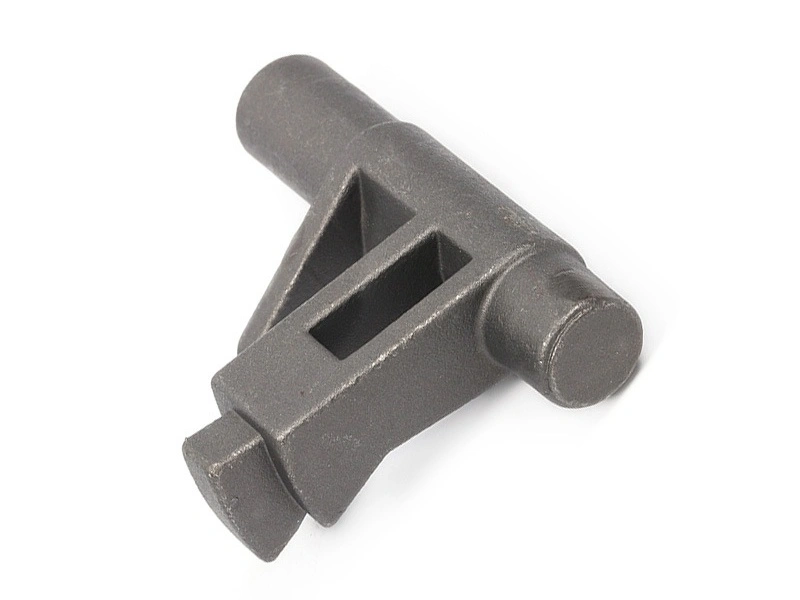
For high-stiffness brackets, housings, and frames, aluminum castings may be a strong candidate when rib geometry, wall thickness, machined datums, and controlled mounting features can support the load path. For small high-strength locking parts, sensor brackets, internal mechanisms, and miniature support parts, MIM 17-4 PH or MIM 4140 may fit the strength and geometry requirement better than a large casting or a machined billet.
For covers, low-load housings, insulation carriers, and enclosure parts, engineering plastics such as PC-PBT or nylon PA may reduce weight while supporting ribbed geometry, snap features, bosses, and molded cable routing. Plastic is not a direct substitute for metal in every structural location, so the buyer should separate primary load-bearing zones from low-load functional zones before quotation.
Which lightweight material families fit common structural part types?
The best shortlist usually comes from matching part type, material family, and process capability together. The table below gives RFQ-oriented comparisons rather than a universal ranking.
Structural part type | Typical buyer requirement | Candidate material family | Matching manufacturing process | RFQ detail to provide |
|---|---|---|---|---|
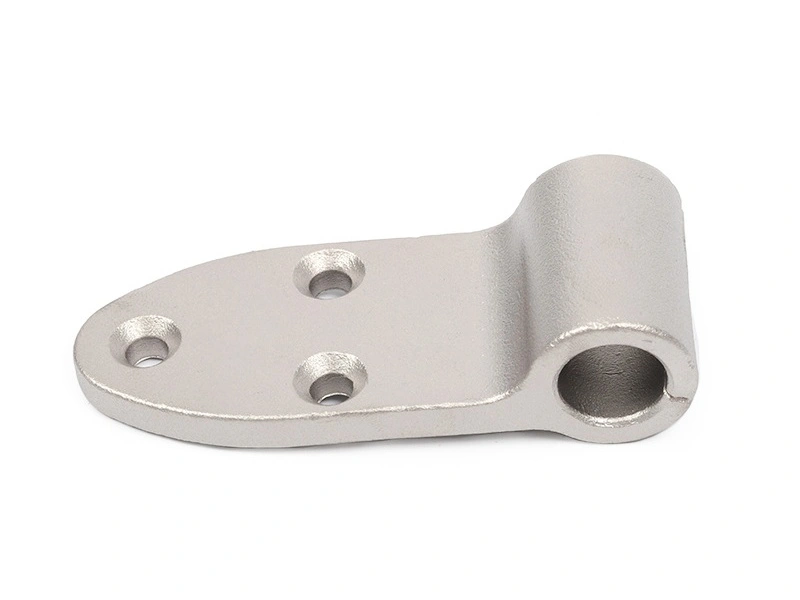
Cast bracket, motor housing, battery support, or mounting frame | Lower weight, integrated ribs, stable datum surfaces, repeated production | A356, A380, ADC12, or other aluminum casting alloy | Aluminum die casting or precision casting with machining and surface finishing | Load direction, critical datums, wall thickness limits, machining stock, porosity-sensitive zones, coating needs |
Aerospace bracket, hot-side support, or high-temperature structural component | Temperature resistance, fatigue control, dimensional stability, corrosion resistance | Cast titanium, magnesium alloy, nickel-based alloy, or selected steel alloy | Precision casting with heat treatment, machining, and inspection planning | Operating temperature, load cycle, material specification, heat treatment requirement, inspection method |
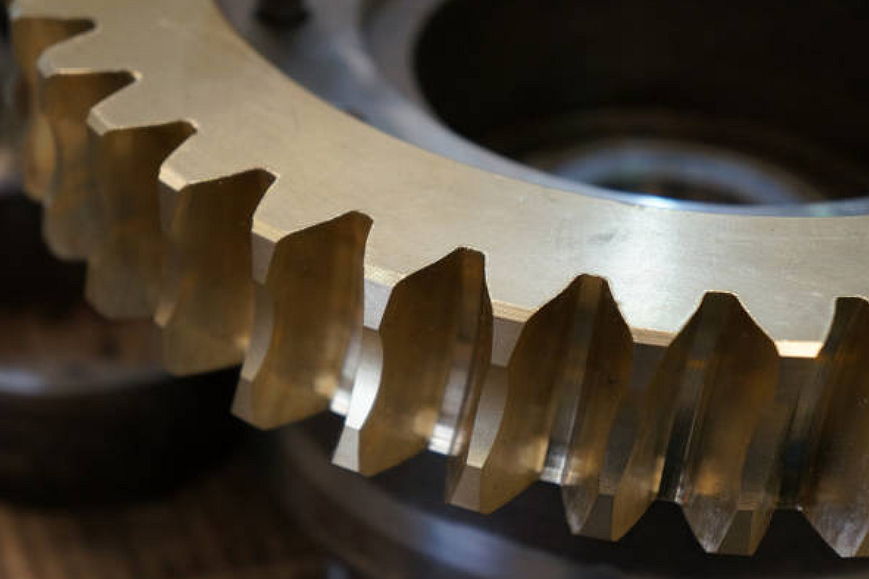
Small latch, lock, gear, shaft support, or internal mechanism | High strength in a compact metal part with complex geometry | MIM stainless steel, MIM low-alloy steel, or MIM precipitation-hardening steel | Metal injection molding with debinding, sintering, secondary machining, and inspection | Annual volume, critical surfaces, threads, datum features, sintered density expectations, post-processing needs |
Electronic enclosure, cover, cable carrier, or non-primary support bracket | Low mass, electrical insulation, molded features, appearance, and assembly efficiency | PC-PBT, nylon PA, glass-filled engineering plastic, or other specified resin | Plastic injection molding with rib design, inserts, texture, and finishing where required | Flame rating need, temperature exposure, screw boss design, impact requirement, surface texture, color target |
Early prototype for material comparison | Fast geometry review, assembly trial, load direction check, or design-risk reduction | Machinable aluminum, steel, titanium, polymer, or printed material close to the test purpose | CNC machining prototyping or 3D printing prototyping | Prototype purpose, test method, quantity, datum scheme, material substitute limits, next production route |
How should the manufacturing process be matched to the material?
The manufacturing process should be selected together with material because the process controls geometry, surface condition, tolerance strategy, and production economics. A material that looks attractive on a data sheet may become unsuitable if the part geometry, tooling plan, or inspection requirement does not fit the process.
Use aluminum die casting when a cast aluminum component can combine ribs, bosses, sealing flanges, mounting pads, and thin-to-moderate wall sections into one repeatable part. Material pages such as A356 and A380 should be reviewed together with part geometry, casting quality, secondary machining, and finishing requirements.
Use precision casting when the part needs a cast metal material family such as magnesium alloy, cast titanium, nickel-based alloy, or carbon steel. The RFQ should state whether the casting needs heat treatment, machining, pressure testing, coating, or special inspection of critical regions.
Use metal injection molding for small metal components where complex geometry and repeated production matter more than large part size. MIM is not the right route for large frames or large housings, but MIM can support compact metal parts with undercuts, small bosses, internal features, and high-volume consistency when the design accounts for sintering shrinkage and secondary operations.
How do stiffness, fatigue, temperature, and corrosion affect material selection?
Lightweight material selection should check stiffness first for parts that control alignment, sealing, or vibration. A lighter material with lower modulus may need ribs, thicker sections, inserts, or geometry changes to reach the same deflection target. For housings and brackets, stiffness can matter more than ultimate strength because assembly fit and vibration behavior depend on deformation under service load.
Fatigue and temperature exposure also change the shortlist. Battery supports, motor components, aerospace brackets, and vibration-loaded mechanisms should be reviewed for load cycles, temperature peaks, heat aging, and stress concentration around holes, corners, ribs, or welds. Heat treatment may be relevant for selected metal parts, and the heat treatment route should be specified before quotation when mechanical properties depend on it.
Corrosion and finishing can shift the decision between aluminum, steel, titanium, magnesium, and plastic. A part exposed to salt spray, coolant, outdoor UV, battery venting environments, or cleaning chemicals needs a defined surface finishing plan. The RFQ should identify masked areas, electrical contact surfaces, coating thickness limits, cosmetic surfaces, and any sealing or bonding requirement.
What prototype and inspection evidence should buyers request?
Buyers should request prototype evidence that answers the material decision, not just a general sample. A CNC machined prototype may be useful for fit, assembly, datum review, and functional mounting checks. A 3D printed prototype may help evaluate package space, rib access, cable routing, airflow, or ergonomic shape before tooling.
Prototype results should be interpreted carefully. A machined aluminum prototype does not fully represent aluminum die casting porosity, skin condition, or tooling shrinkage. A printed polymer prototype does not fully represent injection molded fiber orientation, weld lines, or production resin behavior. A prototype should therefore state its purpose: geometry check, assembly trial, functional load test, thermal test, sealing test, or early visual review.
For production qualification, buyers may request dimensional inspection reports, material certificates where applicable, hardness checks, surface finish checks, coating thickness checks, tensile or fatigue test evidence, leak test results, CT or X-ray review for selected cast regions, and functional test records. The required evidence should match the component risk and the buyer's validation plan.
What RFQ information helps Neway compare lightweight materials?
Provide the 3D model, drawing, material candidates, target mass objective, annual volume, prototype quantity, load cases, operating temperature, chemical exposure, fastening method, critical dimensions, datum scheme, surface finishing requirement, and inspection standard. If the buyer has an existing steel or aluminum baseline, include the current part weight, process route, failure history, and assembly problem being solved.
Neway can compare casting, MIM, plastic injection molding, machining, finishing, and prototype routes only when the structural function is clear. For example, a battery support bracket may need aluminum casting review, while a small lock mechanism may need MIM review, and a cable cover may need injection molding review. Treating these parts as one generic "lightweight component" can lead to the wrong quotation and the wrong validation plan.
The practical decision is to shortlist lightweight materials by component function first, then confirm the manufacturing process, then define the inspection evidence. This approach keeps the RFQ focused on structural performance, production feasibility, and buyer validation instead of choosing a material only because it has low density.
Related FAQs
What are the trade-offs between die-cast aluminum and welded steel structures?
What weight reduction is achievable while ensuring crash safety?
What materials, tolerances, and part geometry affect supplier selection?
What materials are commonly used in aluminum die casting services?
Which materials fit continuous high-temperature internal structures?
What tests should be performed on functional prototype parts?
What information should buyers provide for an accurate prototype quote?