Which materials fit continuous high-temperature internal structures?
Continuous high-temperature internal structures need materials and processes selected around sustained heat exposure, mechanical load, oxidation, corrosion, creep, insulation, conductivity, part size, and inspection method. For RFQs involving hot-zone brackets, internal guides, sensor supports, heat shields, valve details, thermal-management hardware, or small metal mechanisms, buyers should compare MIM, precision casting, investment casting, ceramic injection molding, heat treatment, coatings, and secondary machining before choosing a material grade.
Which materials fit continuous high-temperature internal structures?
Nickel-based alloys, cobalt alloys, selected stainless steels, selected tool steels, titanium alloys in limited heat conditions, and engineered ceramics can all fit continuous high-temperature internal structures when the service environment matches the material family. The correct choice depends on whether the part mainly needs load-bearing strength, creep resistance, oxidation resistance, wear resistance, insulation, thermal conductivity, or low weight.
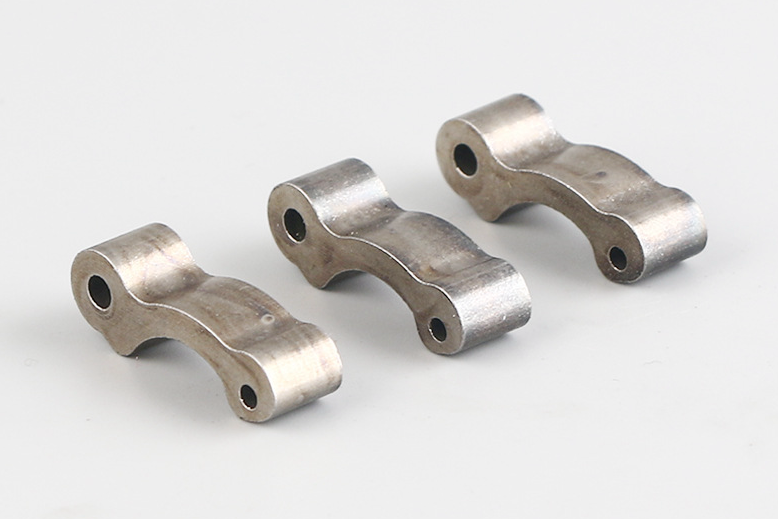
Metal injection molding can be reviewed for small complex metal structures where MIM feedstock and sintering control support the selected alloy. Precision casting and investment casting nickel-based alloy routes may be more suitable for thicker hot-zone structures, cast passages, and larger thermal components.
Material family | Where it fits | Process route to review | RFQ detail to define |
|---|---|---|---|
Nickel-based alloys | Load-bearing internal metal parts exposed to sustained heat and oxidation | MIM, precision casting, investment casting, machining | Heat cycle, load path, oxidation media, machined datums, and inspection method |
Cobalt alloys | Wear surfaces, sliding contact, and corrosion-prone hot mechanisms | MIM, casting, machining, finishing | Mating material, wear mode, hardness target, and surface finish |
Heat-resistant stainless or tool steel | Moderate high-temperature brackets, frames, gears, fixtures, or internal supports | MIM, machining, heat treatment | Strength target, hardness, corrosion environment, and distortion risk |
Titanium alloy | Weight-sensitive parts where the continuous heat level is within the alloy's validated range | MIM, machining, prototyping | Oxidation margin, creep concern, weight target, and surface treatment |
Engineered ceramic | Insulating spacers, guides, shields, thermal barriers, and hot-zone supports | Ceramic injection molding and ceramic finishing | Thermal shock, brittleness, assembly load, edge quality, and flatness |
How should buyers separate continuous heat from short peak heat?
Continuous heat is different from a short peak temperature. A material that survives a brief heat spike may not keep dimensional stability, strength, hardness, insulation, or surface condition during repeated or sustained exposure.
The RFQ should state continuous operating temperature, short peak temperature, cycle time, dwell time, cooling rate, atmosphere, corrosive gas or fluid, vibration, and mechanical load. These details determine whether the risk is oxidation, creep, thermal fatigue, coating damage, softening, distortion, or insulation loss. Without that information, a material recommendation may fit the shape but miss the real failure mode.
When are nickel-based alloys the main metal candidates?
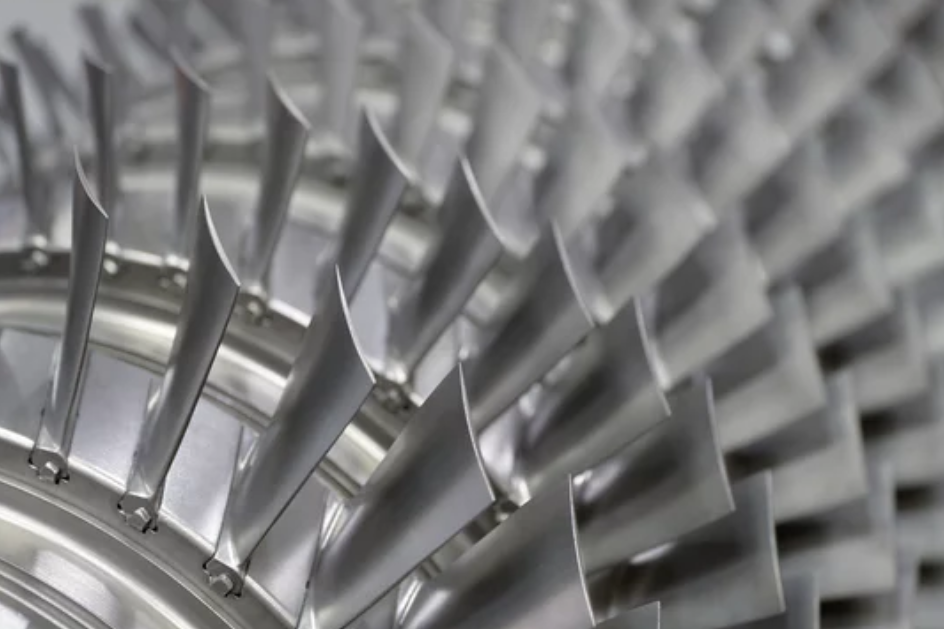
Nickel-based alloys are often reviewed first when a continuous high-temperature internal structure must remain metallic and carry load. Buyers may compare Inconel 625, Inconel 713LC, Inconel 738, and other nickel alloy systems when oxidation resistance, thermal cycling, and mechanical strength are key requirements.
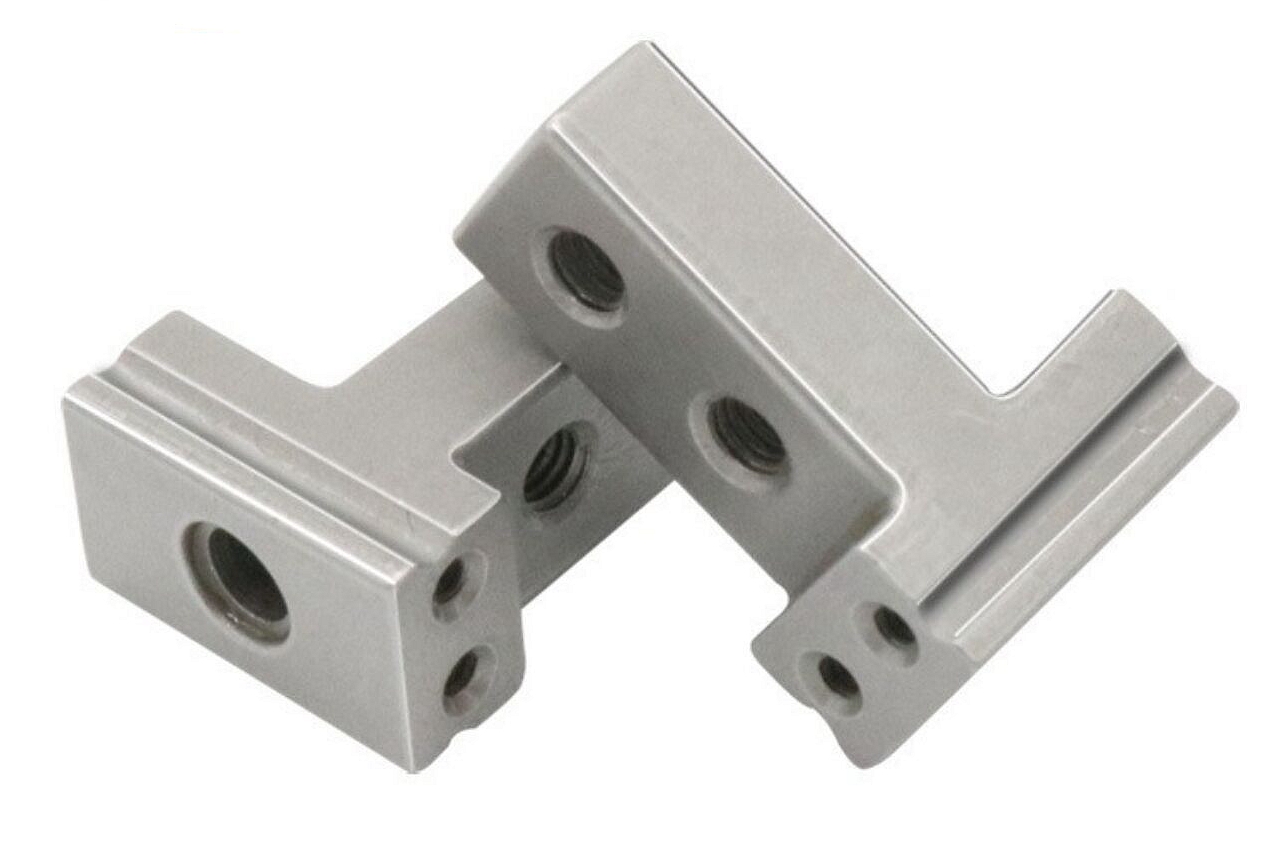
MIM can be considered for small complex nickel alloy parts when geometry, volume, and sintering control align. Casting routes may be considered for thicker sections or hot-zone shapes that need cast alloy capability. The RFQ should mark threaded holes, sealing surfaces, bearing seats, and datums because these areas may need machining after MIM or casting.
When do cobalt alloys, stainless steels, or tool steels fit?
Cobalt alloys can fit continuous hot mechanisms where wear, corrosion, sliding contact, and hardness are important. Haynes 188 and other cobalt alloy systems may be reviewed when the part faces heat plus wear or oxidation.
Stainless steels and tool steels may fit lower-risk internal supports, gears, fixtures, frames, and brackets when the continuous heat level is moderate for the selected grade. MIM 17-4 PH, MIM 316L, and MIM H13 should be evaluated by actual heat, corrosion, hardness, and loading requirements rather than by material name alone.
When are ceramics better than metal for continuous heat?
Engineered ceramics are often better than metal when the internal structure needs electrical insulation, oxidation stability, low thermal conductivity, high stiffness, or dimensional stability without ductile metal behavior. Ceramic parts may be useful as spacers, guides, shields, insulators, sensor supports, and wear-resistant hot-zone details.
Common ceramic candidates include alumina, zirconia, silicon carbide, and silicon nitride. Buyers should define assembly load, thermal shock, contact points, minimum wall thickness, edge radius, and surface finish because brittle failure and chipping can be more important than metal-like yielding.
How do heat treatment and coatings affect continuous-temperature parts?
Heat treatment can change hardness, strength, stress relief, and microstructure for continuous-temperature metal parts. Thermal coatings and thermal barrier coatings can reduce oxidation, wear, or direct heat exposure in selected applications.
These operations should be quoted with the part rather than added after approval. Heat treatment can affect distortion and final machining sequence. Coatings can affect dimensions, masking zones, surface roughness, and inspection plans. The drawing should identify coated surfaces, uncoated datums, masking areas, and acceptance tests.
What inspection proves continuous high-temperature stability?
Continuous high-temperature internal structures should be validated against the expected failure mode. Dimensional inspection is important, but continuous heat may also require hardness testing, material certificate review, coating thickness checks, surface roughness measurement, oxidation exposure, thermal cycling, vibration checks, creep-related review, dielectric testing for ceramics, and assembly fit checks after heat exposure.
The buyer should define which tests are prototype-only and which tests continue during production. For regulated, safety, electrical, or mission-critical systems, final validation should follow the buyer's application standard and system-level test plan.
What RFQ inputs does Neway need for material selection?
A strong RFQ includes the part drawing, 3D model, target material if known, continuous heat exposure, peak heat exposure, atmosphere, load, vibration, corrosion media, electrical insulation requirement, thermal conductivity requirement, weight target, production volume, critical dimensions, secondary machining, heat treatment, coating requirements, and inspection method.
Neway can compare MIM, casting, ceramic injection molding, machining, coating, heat treatment, and inspection routes when the buyer identifies what the internal structure must survive. The most useful material recommendation is one that matches the actual heat exposure, load path, assembly interface, and production route.
Related FAQs
Which materials work best for high-temperature internal structures?
Which metal materials are recommended for high-heat-resistant components?
Which materials are suitable for Metal Injection Molding (MIM)?
How to balance conductivity, heat, weight, and cost when selecting RF materials?
What materials and heat treatments suit gears under high-frequency impact loads?
What material and heat treatment requirements apply to gears in high-load tools?
How does Neway verify long-term reliability of thermal management solutions?