Which materials are suitable for metal injection molding (MIM)?
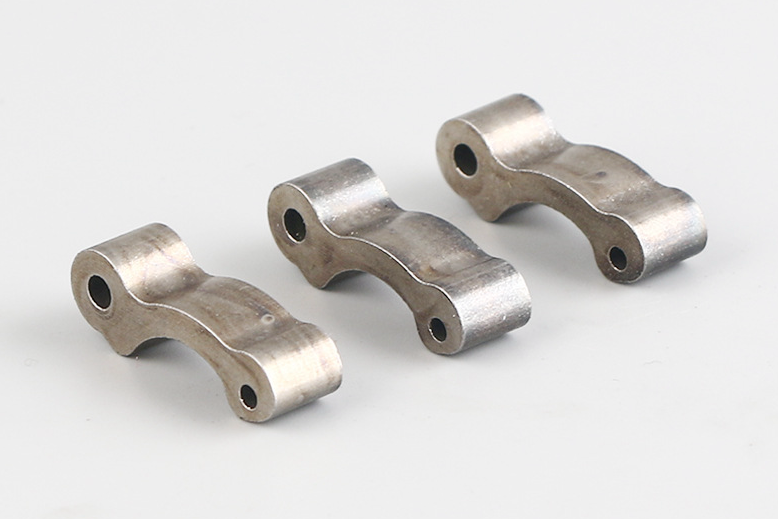
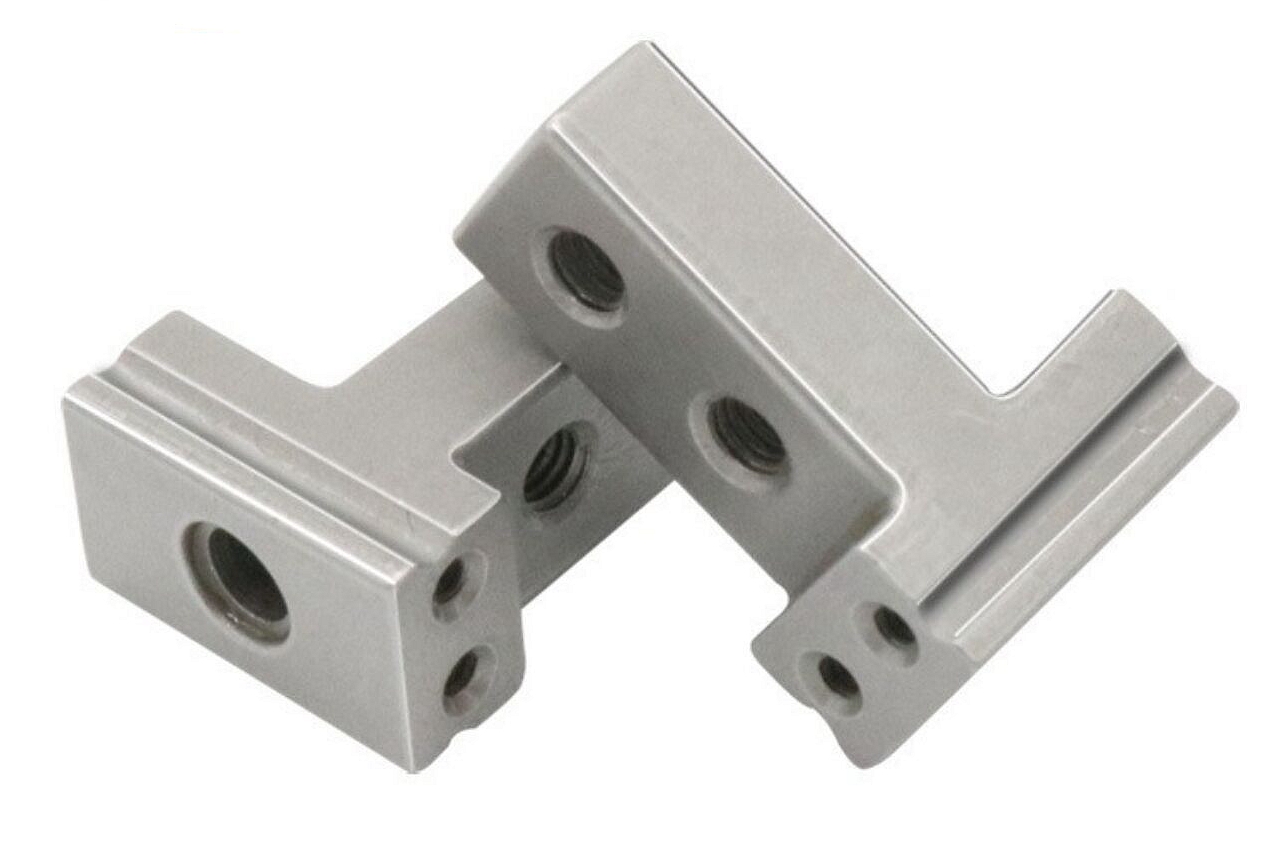
Suitable MIM materials are fine metal powder systems that can be molded, debound, sintered, and finished with predictable shrinkage and useful final properties. This FAQ explains how Neway selects stainless steels, low-alloy steels, tool steels, bearing steels, titanium alloys, cobalt alloys, tungsten alloys, and magnetic alloys for metal injection molding parts such as gears, cams, brackets, medical tools, connector parts, smart lock mechanisms, and small precision hardware. The practical RFQ problem is to choose a material family that matches corrosion, strength, wear, magnetic behavior, heat treatment, inspection, and production cost before MIM tooling is quoted.
Which material families are suitable for metal injection molding?
MIM can process many metal powder families when the powder, binder, molding, debinding, and sintering route are stable for the required part geometry. The material decision should start with the function of the part: corrosion resistance, strength, wear resistance, magnetic response, density, temperature resistance, biocompatibility, or cost.
Neway reviews MIM materials by application risk, not only by alloy name. A medical instrument feature, a smart lock gear, a connector body, and a tungsten weight may all be small MIM parts, but each part needs a different balance of material property, surface finish, inspection, and secondary operation.
MIM material family | Typical reason for selection | Common part examples | RFQ decision point |
|---|---|---|---|
Stainless steels | Corrosion resistance, appearance, moderate to high strength | Medical hardware, consumer parts, smart lock inserts, brackets | Choose grade by corrosion, heat treatment, and surface finish needs. |
Low-alloy steels | Strength, toughness, and heat treatment response | Gears, cams, levers, structural miniature parts | Confirm hardness, case depth, impact, and wear requirements. |
Tool and bearing steels | Wear resistance, hardness, cutting or contact performance | Wear inserts, latch parts, small tool features, bearing-like parts | Review heat treatment, distortion, and final grinding or polishing. |
Titanium, cobalt, tungsten, and magnetic alloys | Special density, biocompatibility, magnetic, or high-performance needs | Medical parts, weights, magnetic components, specialized hardware | Confirm material certification, sintering route, and inspection plan. |
How do stainless steels differ in MIM applications?
Stainless steels are widely used in MIM because many small precision parts need corrosion resistance and a clean appearance. MIM 316L is commonly reviewed when corrosion resistance has priority. MIM 304 may be reviewed for general stainless applications. MIM 17-4 PH can be reviewed when strength and heat treatment response are important.
Stainless steel selection should consider corrosion environment, magnetic response, heat treatment, passivation, surface finish, and final inspection. A stainless steel MIM part used in a visible consumer product may have a different finish requirement from a stainless lock insert or a medical instrument component.
Buyers should not assume every stainless MIM grade behaves the same. Neway compares the grade with part geometry, load path, expected surface treatment, and certification needs before recommending a stainless steel route.
When do low-alloy steels, tool steels, and bearing steels fit MIM?
Low-alloy steels and tool steels are considered when the part needs higher strength, hardness, wear resistance, or heat treatment response than a corrosion-focused stainless steel can provide. MIM steel routes may be reviewed for gears, cams, pawls, latch hooks, small tool features, and wear-loaded mechanisms.
Examples may include MIM 4140, MIM 4340, MIM 420, MIM 440C, MIM 52100, and selected tool steels. The exact material depends on load, wear, corrosion exposure, heat treatment, and surface finishing.
Heat treatment can change hardness, toughness, dimension, and final surface behavior. Buyers should provide required hardness, wear surfaces, impact load, and mating materials so Neway can review secondary operations and inspection before production.
When are titanium, cobalt, tungsten, and magnetic alloys considered?
Titanium MIM materials may be considered when a small metal part needs lower density, corrosion resistance, or medical-related material behavior. MIM Ti-6Al-4V Grade 5 is one example where strength, weight, and corrosion resistance may be reviewed together.
Cobalt alloys may be considered for wear, corrosion, and medical or high-performance requirements. Tungsten alloy MIM may be considered when the part needs density, shielding, balance weight, or small heavy components. Magnetic alloys may be considered when the part needs controlled magnetic response in sensors, actuators, or electronic assemblies.
Specialty alloy MIM should be evaluated early because powder availability, sintering atmosphere, contamination control, certification, and inspection requirements can strongly affect cost and schedule.
What material limits should buyers check before choosing MIM?
Material suitability is not only a powder question. Buyers should check part size, wall thickness, feature density, sintering support, shrinkage, secondary machining, heat treatment, surface finish, and inspection. Some alloys are technically possible but may not be practical for a specific part geometry or volume.
Neway also reviews whether the material must meet a regulated standard, food contact requirement, medical requirement, magnetic property, electrical property, or corrosion test. If the material requirement is strict, the RFQ should include the standard, test method, certification expectation, and any customer approval process.
For MIM applications, the material and process must be selected together. A material that works in bar stock, casting, or forging may need a different review when it is converted to fine powder, molded, debound, sintered, and finished.
What RFQ information helps Neway recommend a MIM material?
A useful RFQ should include 3D models, 2D drawings, application, annual volume, target material, alternative acceptable materials, mechanical load, wear requirement, corrosion environment, magnetic requirement, heat treatment, surface treatment, hardness target, critical dimensions, and inspection method.
Neway can then compare MIM material families with the part function and production route. The recommendation should be based on the final part requirement, not only on a familiar alloy name from another manufacturing process.
Related FAQs
Which stainless steel grades are commonly used in OEM metal injection molding services?
Why are stainless steel parts a good fit for metal injection molding?
What should OEM buyers provide when requesting custom stainless steel MIM parts?
What surface finishes are available for custom stainless steel MIM parts?
What materials and heat treatments suit gears under high-frequency impact loads?
What tolerances can precision metal injection molding services typically achieve?